Locking Head Screws: Advanced Orthopedic Fixation

Get a Free Quote

Our representative will contact you soon.
Email
Name
Company Name
Message
0/1000

locking head screws

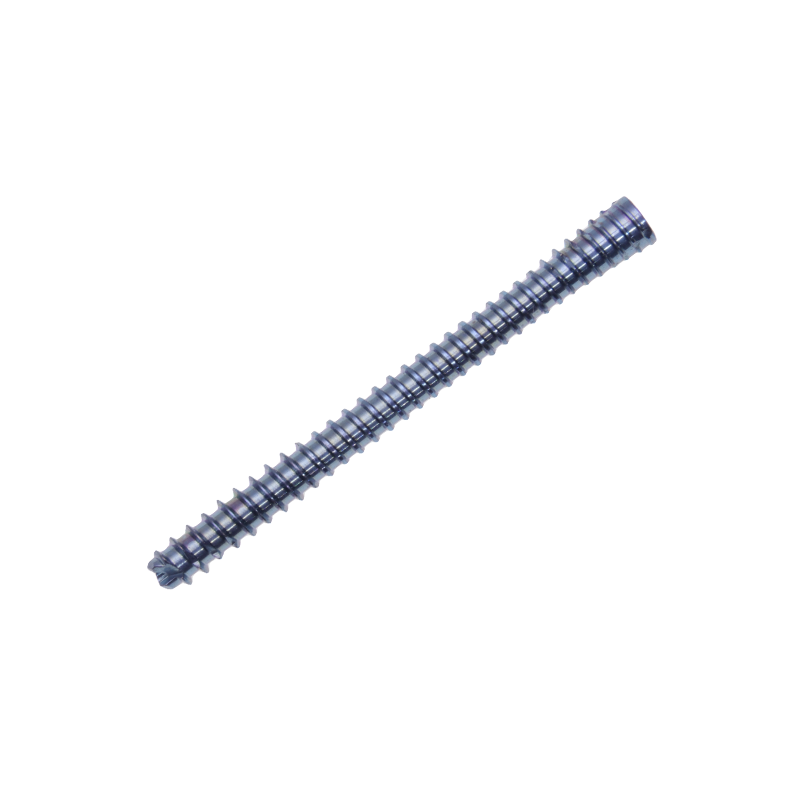
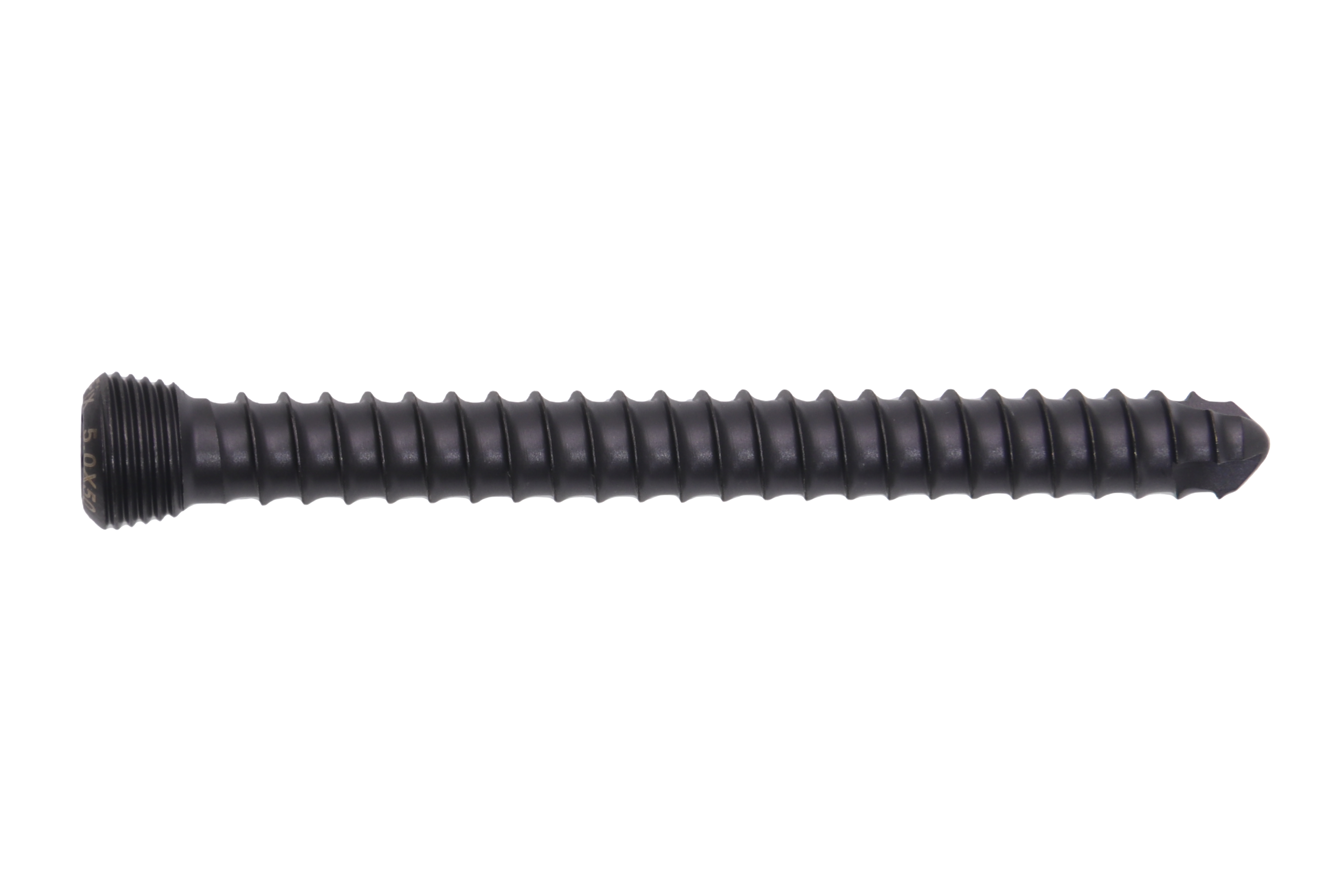
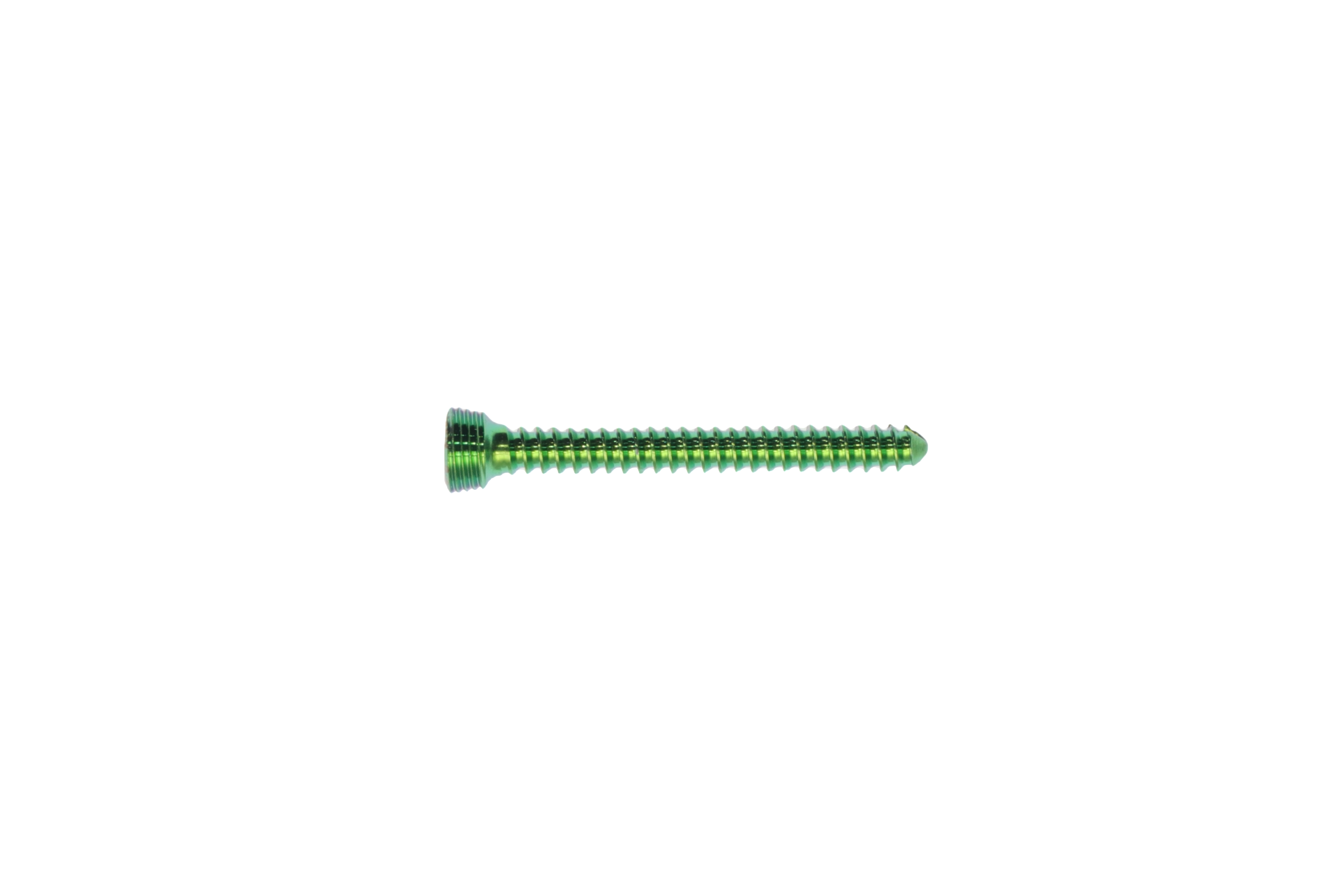
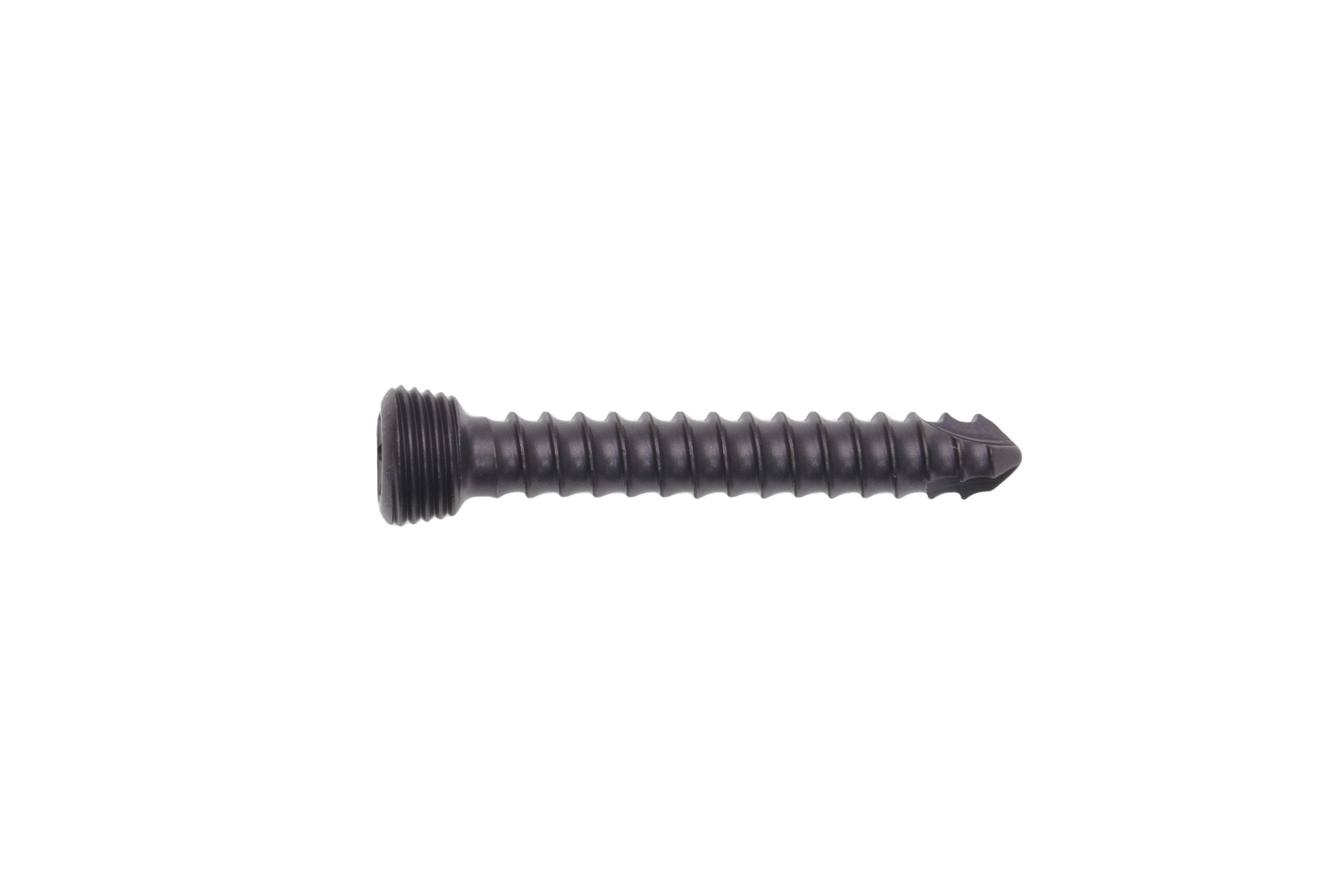
Locking head screws are advanced orthopedic fastening devices designed to provide superior fixation in bone fracture treatment and surgical procedures. These specialized screws feature a threaded head that locks into correspondingly threaded holes in bone plates, creating a fixed-angle construct that enhances stability and promotes optimal healing outcomes. Unlike conventional screws that rely solely on compression between the plate and bone, locking head screws establish an angular stable construction where the screw head locks directly into the plate, forming a unified internal fixator system. This innovative design allows surgeons to achieve secure fixation even in compromised bone quality, making locking head screws particularly valuable in osteoporotic bones, comminuted fractures, and periarticular injuries. The technology incorporates precision-engineered threads on both the screw head and shaft, enabling bidirectional locking mechanisms that resist pull-out forces and maintain reduction throughout the healing process. Locking head screws are manufactured from biocompatible materials including titanium alloys and stainless steel, ensuring strength, corrosion resistance, and compatibility with imaging modalities. These devices find extensive applications across various orthopedic specialties, including trauma surgery, reconstructive procedures, spinal fusion, and maxillofacial surgery. The biomechanical advantages of locking head screws have revolutionized fracture fixation strategies, offering surgeons greater flexibility in plate positioning and reducing the need for precise plate contouring. Their ability to function effectively without requiring direct bone-plate contact makes them ideal for minimally invasive techniques and bridge plating approaches in complex fracture patterns.

New Product Recommendations

The primary advantage of locking head screws lies in their ability to provide enhanced stability through angular fixation, which significantly improves patient outcomes compared to traditional compression screws. This stability proves especially beneficial when treating elderly patients with weakened bone structure, as the locking mechanism distributes forces across the entire plate-screw construct rather than concentrating stress at individual screw sites. Surgeons appreciate how locking head screws eliminate the critical dependency on friction between the plate and bone, allowing for more forgiving surgical techniques and reducing complications associated with inadequate plate contouring. The fixed-angle design prevents screw toggling and loosening over time, maintaining fracture reduction throughout the critical healing period and reducing the need for revision surgeries. Patients benefit from faster recovery times because locking head screws enable earlier mobilization by providing immediate postoperative stability without waiting for bone-to-plate compression. The versatility of locking head screws allows their use in various anatomical locations and fracture types, from simple diaphyseal fractures to complex periarticular injuries requiring specialized plating solutions. Healthcare facilities gain operational efficiency because these screws simplify surgical procedures, potentially reducing operating room time and associated costs while improving overall surgical success rates. The reduced need for extensive periosteal stripping during plate application helps preserve blood supply to bone fragments, supporting faster biological healing processes. For purchasing decisions, locking head screws represent a cost-effective investment when considering their superior clinical outcomes, lower complication rates, and decreased likelihood of implant failure requiring expensive corrective procedures. Their compatibility with polyaxial locking systems provides surgeons with additional flexibility in screw trajectory selection, accommodating individual anatomical variations and optimizing fixation in challenging cases where standard perpendicular insertion would be suboptimal.

Tips And Tricks

Special Needs of Children's Bones: Design Philosophy of Pediatric Internal Fixation Systems

16

Dec

Special Needs of Children's Bones: Design Philosophy of Pediatric Internal Fixation Systems

Children's bones present unique challenges that require specialized approaches in orthopedic surgery. Unlike adult skeletal structures, pediatric bones are constantly growing, adapting, and remodeling throughout development. When fractures or deformi...
View More
Evolution of Intervertebral Fusion Device Materials: Clinical Efficacy Comparison between PEEK and Titanium Alloy

13

Jan

Evolution of Intervertebral Fusion Device Materials: Clinical Efficacy Comparison between PEEK and Titanium Alloy

The advancement of spinal surgery has been significantly influenced by the development of sophisticated intervertebral fusion device technologies. Modern spine surgeons rely heavily on these devices to achieve successful fusion outcomes while minimiz...
View More
Finite Element Optimization Design and Biomechanical Validation of Personalized IM Nails

11

Feb

Finite Element Optimization Design and Biomechanical Validation of Personalized IM Nails

The evolution of orthopedic trauma surgery has reached a pivotal moment with the emergence of personalized IM nails that revolutionize fracture treatment approaches. Advanced computational modeling and finite element analysis have enabled surgeons to...
View More
Cannulated screw system: Technological advancements in the treatment of ankle fractures

06

Mar

Cannulated screw system: Technological advancements in the treatment of ankle fractures

Ankle fractures represent one of the most challenging orthopedic injuries requiring precise surgical intervention and advanced fixation methods. The evolution of fracture treatment has been significantly enhanced by the introduction of modern cannula...
View More

Get a Free Quote

Our representative will contact you soon.
Email
Name
Company Name
Message
0/1000

locking head screws

Superior Fixed-Angle Stability for Optimal Fracture Fixation

Superior Fixed-Angle Stability for Optimal Fracture Fixation

The defining characteristic of locking head screws is their unique threaded head design that creates a fixed-angle relationship with the bone plate, transforming the traditional plate-and-screw system into a cohesive internal fixator. This angular stability becomes particularly crucial when treating fractures in osteoporotic bone, where conventional screws often fail due to inadequate purchase in weakened bone structure. The locking mechanism works by engaging precision-manufactured threads in the screw head with corresponding threads in the plate holes, creating a rigid construct that resists multidirectional forces including bending, torsion, and axial loading. This technological advancement eliminates the primary failure mode of traditional screws, which rely on friction and can loosen when subjected to cyclical loading during patient activity. Surgeons can confidently apply early weight-bearing protocols knowing that locking head screws maintain their position and resist pull-out forces even under challenging biomechanical conditions. The fixed-angle construct also prevents secondary loss of reduction, a common complication with conventional plating where screws may back out or toggle within their holes, compromising fracture alignment and potentially requiring additional surgical intervention to restore proper positioning.
Reduced Periosteal Damage and Preserved Bone Biology

Reduced Periosteal Damage and Preserved Bone Biology

Locking head screws fundamentally change surgical technique by eliminating the requirement for aggressive plate-to-bone compression, thereby preserving critical periosteal blood supply that supports natural bone healing processes. Traditional compression plating requires surgeons to achieve intimate contact between the plate and bone surface, often necessitating extensive soft tissue stripping and precise plate contouring that can devascularize bone fragments and impair biological healing. With locking head screws, the plate can function as an external fixator applied internally, maintaining a small gap between the plate and bone surface while still providing excellent stability through the locked screw-plate interface. This biological approach to fracture fixation has been shown to reduce complications such as delayed union, nonunion, and infection by maintaining the bone's natural healing environment. Surgeons can employ bridge plating techniques where locking head screws secure the plate to intact bone segments on either side of comminuted zones, allowing natural healing without disturbing fracture hematoma or disrupting small intermediate fragments. This preservation of biology translates directly into improved patient outcomes with faster healing times, reduced pain, and better functional recovery, making locking head screws an essential component of modern minimally invasive fracture surgery techniques.
Versatile Application Across Multiple Surgical Specialties

Versatile Application Across Multiple Surgical Specialties

The adaptability of locking head screws extends far beyond standard trauma applications, making them invaluable tools across diverse surgical specialties including spinal surgery, maxillofacial reconstruction, and pediatric orthopedics. In spinal fusion procedures, locking head screws provide robust fixation in vertebral bodies, resisting the complex multidirectional forces acting on the spine during patient movement and eliminating concerns about screw loosening that could compromise fusion outcomes. Maxillofacial surgeons utilize smaller-diameter locking head screws for mandibular and midface fracture repair, where the thin cortical bone and complex anatomical contours demand both stability and low-profile implants that minimize soft tissue irritation. Pediatric applications benefit from the fact that locking head screws do not rely on bone quality for purchase, making them suitable for young patients with developing skeletal structures where conventional screws might not achieve adequate fixation. The availability of polyaxial locking head screws further expands surgical possibilities by allowing variable screw angulation within a defined cone, enabling surgeons to navigate around neurovascular structures, accommodate deformity correction, and optimize screw placement in anatomically challenging locations where perpendicular insertion would be impossible or dangerous to surrounding tissues.
logo