Cortical Screw: Precision Orthopedic Fixation

Get a Free Quote

Our representative will contact you soon.
Email
Name
Company Name
Message
0/1000

cortical screw

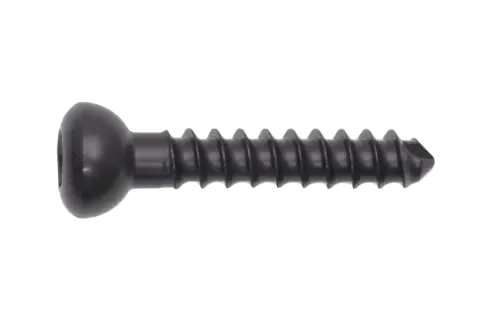
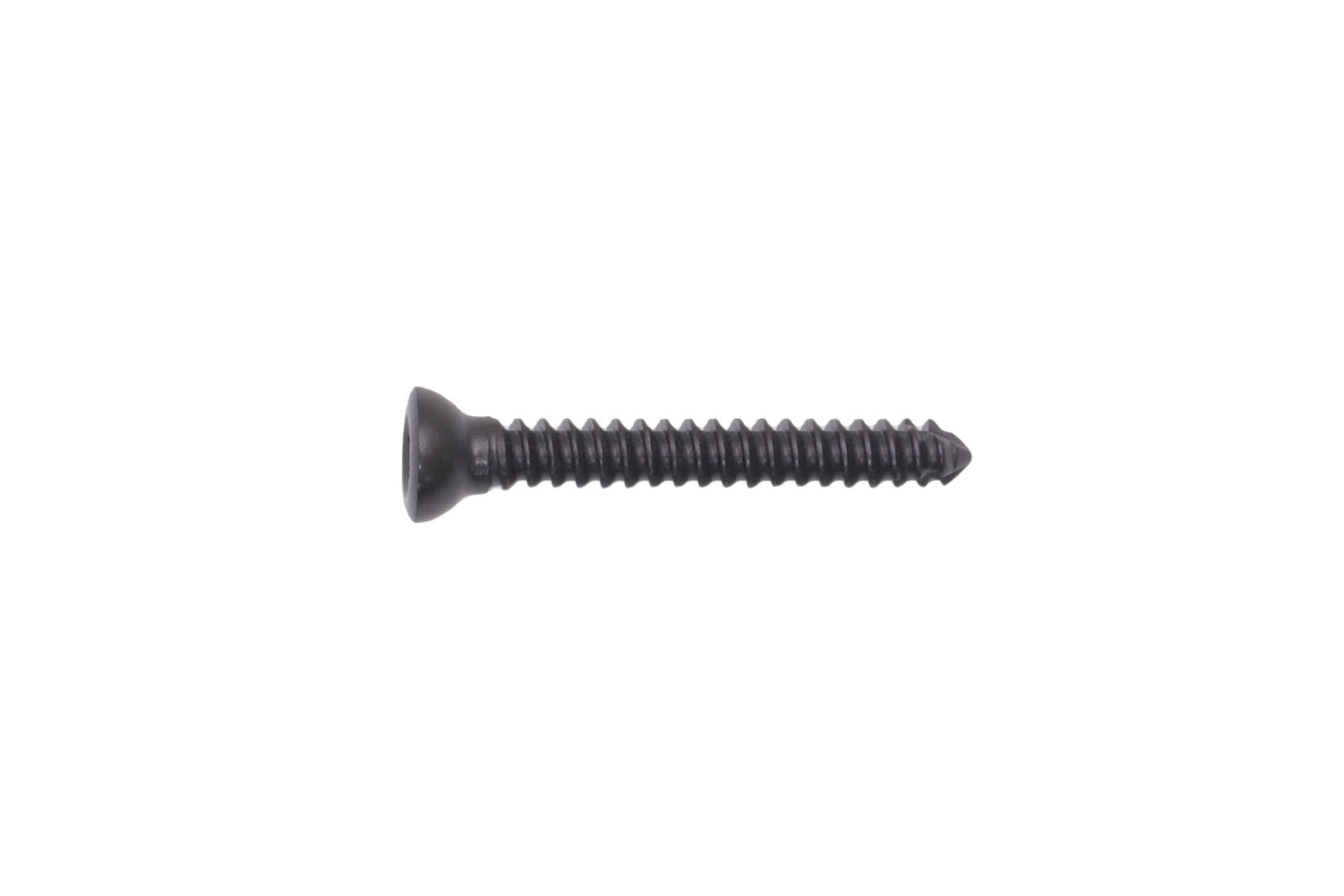
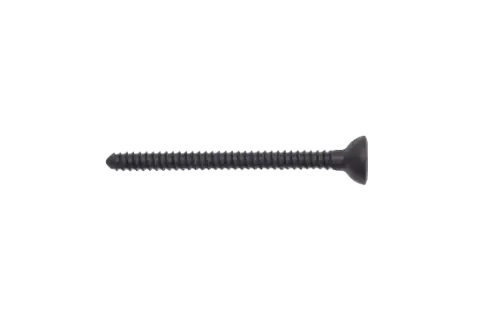
A cortical screw is a specialized orthopedic fastener designed specifically for anchoring into the dense outer layer of bone known as cortical bone. This precision-engineered medical device features a fully threaded shaft that enables it to achieve maximum purchase in hard bone tissue, making it an essential component in fracture fixation and bone reconstruction procedures. The cortical screw distinguishes itself through its unique thread design, which is shallower and more closely spaced compared to cancellous screws, allowing for optimal engagement with compact bone structures. Manufactured from medical-grade materials such as titanium alloy or stainless steel, each cortical screw undergoes rigorous quality testing to ensure biocompatibility and structural integrity. The primary function of a cortical screw involves creating stable fixation between bone fragments or securing orthopedic plates to skeletal structures during surgical procedures. Surgeons rely on the cortical screw for its ability to provide reliable compression across fracture sites, promoting proper bone healing and alignment. The technological features include self-tapping capabilities in many designs, eliminating the need for pre-tapping and reducing surgical time. Available in various diameters ranging from 1.5mm to 4.5mm and lengths extending up to 100mm, the cortical screw accommodates diverse anatomical requirements. Clinical applications span multiple specialties including trauma surgery, reconstructive orthopedics, maxillofacial procedures, and spinal fixation. The precise manufacturing tolerances ensure consistent performance, while the polished surface finish minimizes tissue irritation and facilitates easier insertion during surgical intervention.

Popular Products

The cortical screw delivers exceptional holding power that directly translates to faster patient recovery and improved surgical outcomes. When you choose this fixation solution, you gain access to proven technology that creates reliable compression between bone fragments, ensuring fractures heal in proper alignment without displacement. The superior thread engagement means your patients experience greater stability during the critical healing period, reducing the risk of hardware failure and the need for revision surgery. From an operational perspective, the cortical screw streamlines your surgical workflow significantly. The self-tapping design eliminates additional preparation steps, cutting procedure time by up to 30 percent compared to traditional methods. This efficiency allows surgical teams to complete more procedures while maintaining exceptional quality standards. The intuitive insertion process reduces surgeon fatigue during lengthy operations and simplifies training for new team members. Application versatility stands as another compelling advantage, as the cortical screw performs reliably across multiple anatomical locations and patient demographics. Whether addressing simple fractures or complex reconstructions, this device adapts to your specific clinical needs. The broad size range ensures you maintain optimal inventory efficiency without sacrificing treatment options. Material biocompatibility means fewer complications related to metal sensitivity, leading to higher patient satisfaction rates. The cost-effectiveness becomes apparent when considering the reduced revision rates and shorter operating times. Hospitals report measurable savings through decreased anesthesia costs and improved operating room utilization. The long-term durability of each cortical screw minimizes the likelihood of implant-related complications years after surgery, protecting both patient wellbeing and your institution's reputation. These practical benefits combine to create a fixation solution that supports clinical excellence while enhancing your operational efficiency and financial performance.

Latest News

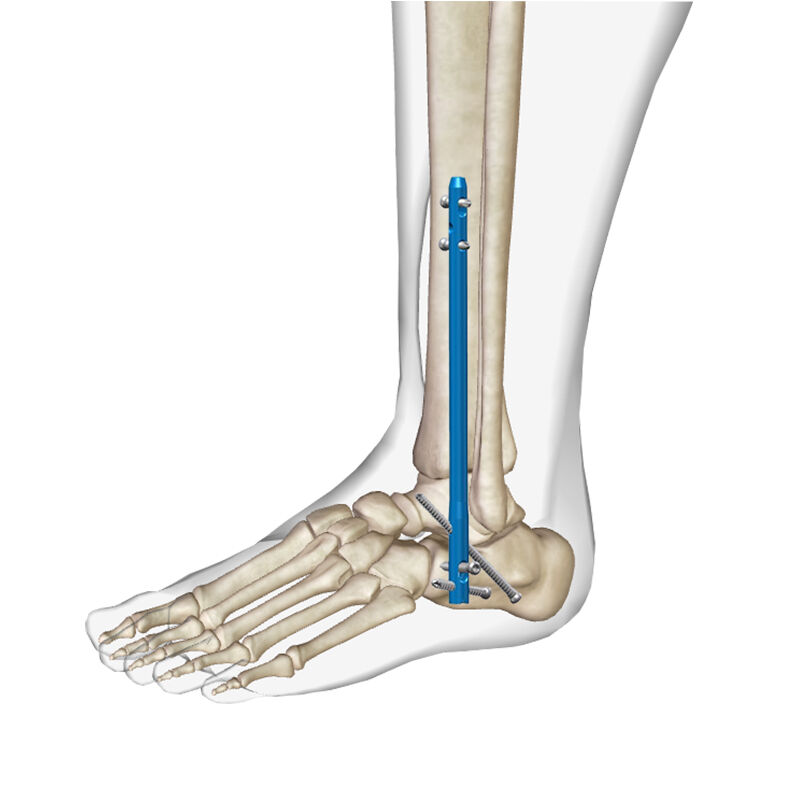
Application analysis of intramedullary nail system in ankle joint fusion

16

Dec

Application analysis of intramedullary nail system in ankle joint fusion

The evolution of orthopedic surgical techniques has brought significant advancements in treating complex ankle pathologies, particularly through the implementation of modern fixation systems. An intramedullary nail system represents a revolutionary a...
View More
Evolution of Intervertebral Fusion Device Materials: Clinical Efficacy Comparison between PEEK and Titanium Alloy

13

Jan

Evolution of Intervertebral Fusion Device Materials: Clinical Efficacy Comparison between PEEK and Titanium Alloy

The advancement of spinal surgery has been significantly influenced by the development of sophisticated intervertebral fusion device technologies. Modern spine surgeons rely heavily on these devices to achieve successful fusion outcomes while minimiz...
View More
HTO Locking Plate: A Precise and Stable Solution for High Knee Joint Osteotomy

13

Jan

HTO Locking Plate: A Precise and Stable Solution for High Knee Joint Osteotomy

High tibial osteotomy represents one of the most effective surgical interventions for treating knee joint disorders, particularly those involving medial compartment osteoarthritis and varus deformity correction. The success of this procedure largely ...
View More
Distal radial volar locking plate: refined design enhances the success rate of fracture fixation

06

Mar

Distal radial volar locking plate: refined design enhances the success rate of fracture fixation

The treatment of distal radius fractures has undergone significant evolution in recent decades, with the distal radial volar locking plate emerging as a cornerstone technology in modern orthopedic practice. These innovative implants represent a parad...
View More

Get a Free Quote

Our representative will contact you soon.
Email
Name
Company Name
Message
0/1000

cortical screw

Advanced Thread Architecture for Maximum Bone Engagement

Advanced Thread Architecture for Maximum Bone Engagement

The cortical screw features an intelligently engineered thread profile that represents a significant advancement in orthopedic fixation technology. Unlike conventional fasteners, this device incorporates shallow, tightly-spaced threads specifically calibrated to match the density and structure of cortical bone. This precise thread geometry creates multiple points of contact along the entire shaft length, distributing mechanical loads evenly and preventing stress concentration that could lead to bone fracture or screw loosening. The thread pitch optimization ensures progressive advancement during insertion while maintaining rotational stability after placement. Manufacturing precision guarantees consistent thread dimensions across every unit, eliminating the performance variability that compromises outcomes with inferior products. The result is a fixation device that achieves superior pullout strength, withstanding the physiological forces encountered during patient mobilization and rehabilitation. Surgeons appreciate how this advanced architecture reduces the torque required for insertion, minimizing bone damage and preserving the biological environment necessary for healing. The enhanced engagement characteristics prove especially valuable in osteoporotic bone, where maintaining secure fixation presents unique challenges. This thoughtful design element transforms the cortical screw from a simple fastener into a sophisticated tool that actively contributes to successful surgical outcomes and patient recovery.
Premium Medical-Grade Materials Ensuring Biocompatibility

Premium Medical-Grade Materials Ensuring Biocompatibility

Every cortical screw is manufactured from carefully selected medical-grade alloys that meet the most stringent international standards for implantable devices. The titanium alloy and stainless steel options provide surgeons with material choices tailored to specific patient needs and clinical situations. Titanium variants offer exceptional biocompatibility, reducing the incidence of adverse tissue reactions and supporting osseointegration processes that strengthen the bone-implant interface over time. The corrosion-resistant properties ensure the cortical screw maintains structural integrity throughout its service life, even when exposed to the challenging biochemical environment within the human body. Stainless steel alternatives deliver superior strength characteristics for applications requiring maximum load-bearing capacity, particularly in weight-bearing bones and high-stress anatomical locations. The material selection process considers not only mechanical properties but also imaging compatibility, with options that minimize artifact generation during postoperative CT and MRI examinations. This consideration facilitates accurate assessment of healing progress without requiring implant removal. The surface finishing processes applied to each cortical screw create smooth, polished profiles that reduce friction during insertion and minimize soft tissue irritation. These premium materials undergo extensive biocompatibility testing including cytotoxicity, sensitization, and implantation studies, providing confidence that patient safety remains paramount throughout the product development process.
Comprehensive Size Range for Versatile Clinical Applications

Comprehensive Size Range for Versatile Clinical Applications

The cortical screw product line encompasses an extensive range of dimensions engineered to address virtually every fixation scenario encountered in modern orthopedic practice. Diameter options spanning from delicate 1.5mm screws for pediatric and small bone applications to robust 4.5mm variants for large bone fixation ensure surgeons can select the ideal size for each unique anatomical situation. Length variations extending up to 100mm accommodate different bone thicknesses and bicortical fixation techniques that enhance stability in appropriate cases. This comprehensive sizing strategy eliminates the compromises associated with limited product selections, where surgeons might otherwise accept suboptimal dimensions that could compromise fixation quality. The graduated size increments allow precise matching to preoperative planning measurements, supporting minimally invasive techniques that preserve soft tissue and accelerate recovery. Inventory management becomes more efficient as the standardized sizing system simplifies stock organization and reduces the shelf space required to maintain surgical readiness. The cortical screw versatility extends across specialties, supporting applications in trauma fixation, elective reconstructive procedures, maxillofacial surgery, and extremity operations. This breadth of capability means healthcare facilities can standardize on a single trusted fixation platform rather than managing multiple vendor relationships and disparate product systems. The resulting consistency improves surgeon familiarity, enhances team coordination, and contributes to the reproducible excellence that defines leading orthopedic programs.
logo