Internal Fixation Screws - Orthopedic Solutions

Get a Free Quote

Our representative will contact you soon.
Email
Name
Company Name
Message
0/1000

internal fixation screws

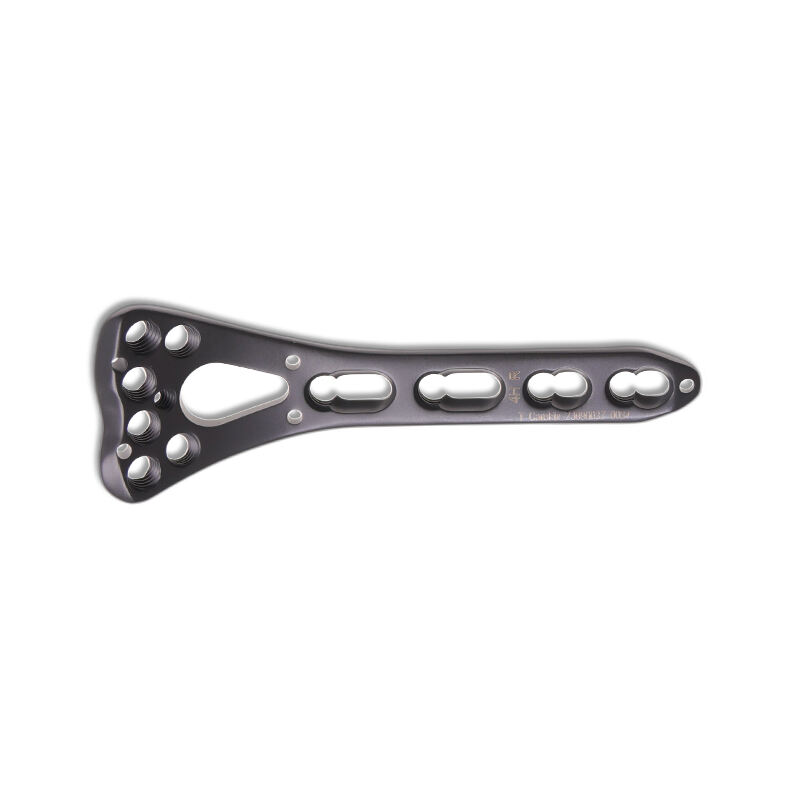
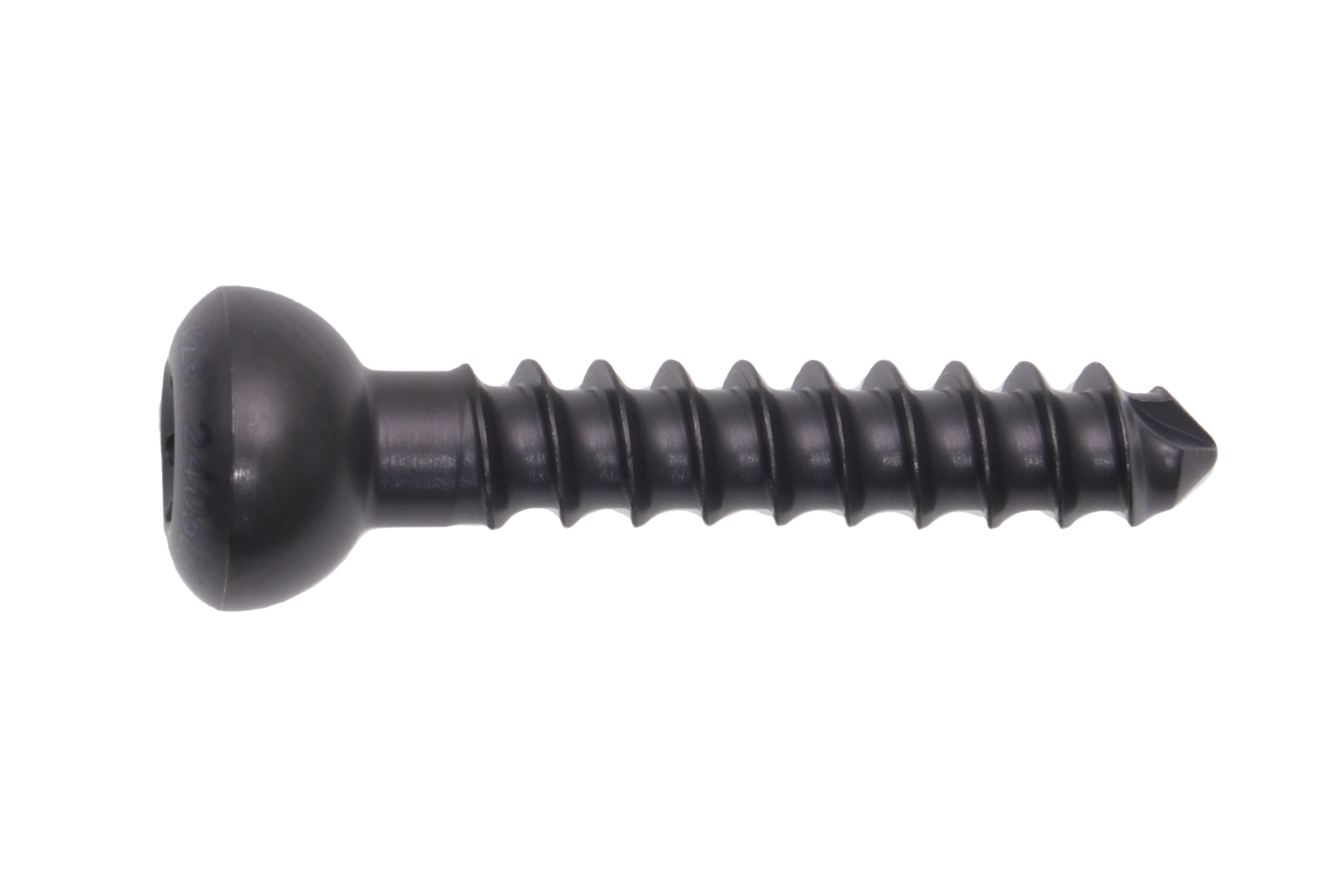
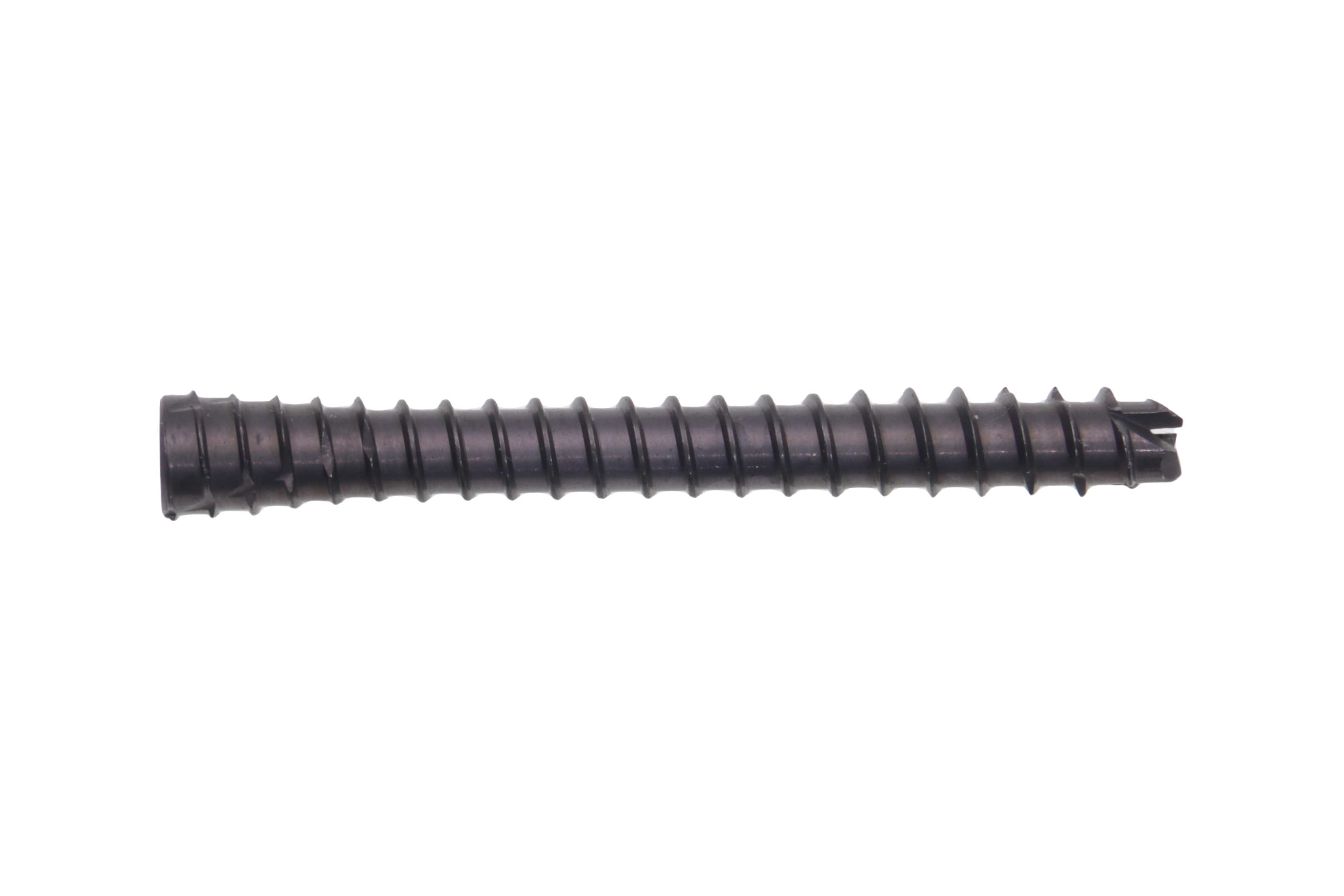
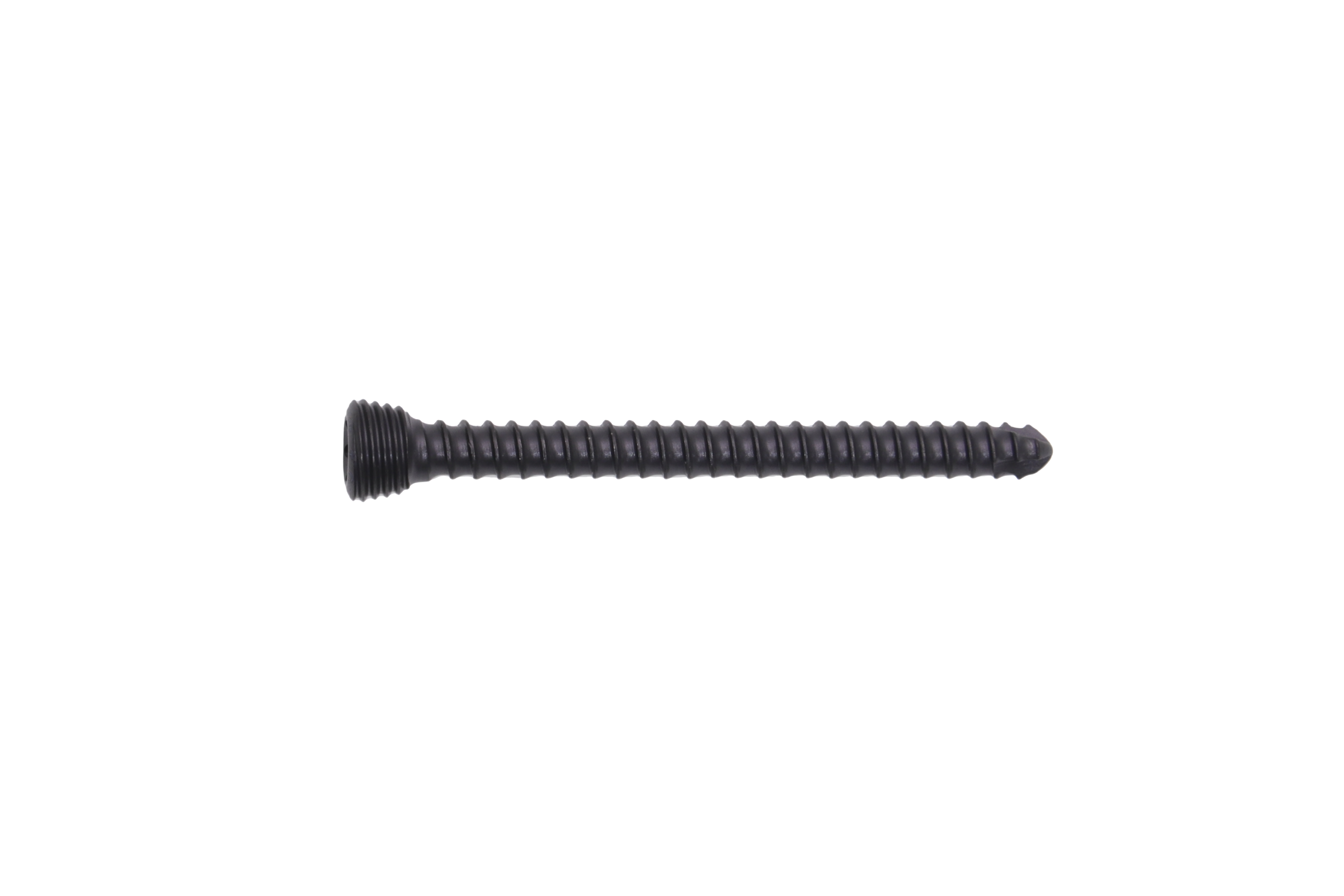
Internal fixation screws are essential orthopedic devices designed to stabilize and secure fractured bones during the healing process. These specialized medical screws serve as permanent or temporary anchors that hold bone fragments in their correct anatomical position, allowing natural bone regeneration to occur without displacement. Manufactured from biocompatible materials such as titanium alloys or stainless steel, internal fixation screws provide the mechanical strength necessary to support weight-bearing activities while maintaining patient mobility during recovery. The primary function of internal fixation screws involves creating stable compression across fracture sites, which promotes faster bone union and reduces complications associated with traditional external fixation methods. These devices feature precise threading patterns and various head designs that accommodate different surgical techniques and anatomical requirements. Surgeons utilize internal fixation screws across multiple medical specialties, including trauma surgery, sports medicine, and reconstructive procedures. The technological advancement in internal fixation screws has introduced self-tapping capabilities, cannulated designs for guided insertion, and variable pitch threading for enhanced grip in osteoporotic bone. Applications range from simple fracture repairs in long bones to complex reconstructive procedures involving the spine, pelvis, and small bones of the hands and feet. Modern internal fixation screws incorporate features like color-coded sizing systems and radiopaque markers for easier identification during surgical procedures and post-operative imaging. The versatility of internal fixation screws makes them indispensable tools in contemporary orthopedic practice, offering surgeons reliable solutions for achieving optimal patient outcomes across diverse clinical scenarios.

New Product Recommendations

Choosing internal fixation screws offers significant practical benefits that directly impact patient recovery and surgical success. These devices provide immediate mechanical stability at fracture sites, enabling patients to begin rehabilitation exercises earlier than traditional casting methods would allow. The rigid fixation achieved with internal fixation screws minimizes the risk of malunion or nonunion, reducing the likelihood of requiring revision surgeries that increase healthcare costs and patient discomfort. Patients experience improved quality of life during recovery because internal fixation screws eliminate the bulk and inconvenience of external casts or frames, allowing better hygiene maintenance and clothing options. From an operational perspective, internal fixation screws streamline surgical workflows through standardized instrumentation sets and intuitive insertion techniques that reduce procedure times and anesthesia exposure. The biocompatible materials used in manufacturing internal fixation screws demonstrate excellent tissue tolerance, minimizing inflammatory responses and allergic reactions that could compromise healing outcomes. These devices maintain their mechanical properties throughout the healing period, providing consistent support regardless of patient activity levels within prescribed limitations. The application suitability of internal fixation screws extends across age groups, from pediatric patients with growth plate considerations to elderly patients with compromised bone quality requiring specialized designs. Decision-makers appreciate that internal fixation screws offer predictable results backed by extensive clinical evidence and decades of successful use in orthopedic practice. The cost-effectiveness becomes apparent when considering reduced hospitalization times, fewer follow-up visits, and lower complication rates compared to alternative fixation methods. Healthcare facilities benefit from the compatibility of internal fixation screws with minimally invasive surgical techniques, which result in smaller incisions, less soft tissue trauma, and faster patient turnover. The availability of various sizes and configurations ensures surgeons can select the optimal internal fixation screws for each unique clinical situation, maximizing treatment precision and patient satisfaction.

Practical Tips

Cannulated Screw Types: Features and Benefits Explained

16

Dec

Cannulated Screw Types: Features and Benefits Explained

Orthopedic surgery has evolved significantly over the past decades, with advances in implant technology playing a crucial role in improving patient outcomes. Among these innovations, the cannulated screw stands out as a versatile and highly effective...
View More
Application of carbon fiber material external fixation bracket in clinical practice

13

Jan

Application of carbon fiber material external fixation bracket in clinical practice

The integration of advanced materials in orthopedic surgery has revolutionized patient care and treatment outcomes. Among these innovations, carbon fiber external fixation systems have emerged as a superior alternative to traditional metal frameworks...
View More
The application advantages of modular braces in ankle fractures

11

Feb

The application advantages of modular braces in ankle fractures

Ankle fractures represent one of the most challenging orthopedic conditions, requiring precise stabilization and optimal healing conditions. Modern orthopedic treatment has evolved significantly with the introduction of advanced fixation systems, par...
View More
Treatment of osteomyelitis and tibial pseudarthrosis: The advantages of the Ilizarov frame

06

Mar

Treatment of osteomyelitis and tibial pseudarthrosis: The advantages of the Ilizarov frame

The treatment of complex orthopedic conditions such as osteomyelitis and tibial pseudarthrosis presents significant challenges that require innovative surgical approaches. Among the most effective solutions available to orthopedic surgeons today is t...
View More

Get a Free Quote

Our representative will contact you soon.
Email
Name
Company Name
Message
0/1000

internal fixation screws

Superior Biomechanical Stability

Superior Biomechanical Stability

Internal fixation screws deliver exceptional biomechanical stability by creating rigid fixation at fracture sites through advanced thread design and precise material engineering. The threads of internal fixation screws engage cortical and cancellous bone with optimal purchase, distributing mechanical loads evenly across the bone-implant interface to prevent stress concentration that could lead to hardware failure or bone damage. This superior stability allows patients to bear weight and perform functional movements earlier in the recovery timeline, which has been clinically proven to enhance bone remodeling through controlled mechanical stimulation. The compression generated by internal fixation screws brings fracture fragments into intimate contact, facilitating primary bone healing without excessive callus formation. Surgeons can confidently apply internal fixation screws in biomechanically challenging locations such as metaphyseal regions or areas subjected to significant rotational forces, knowing the devices will maintain fracture reduction throughout the healing period. The mechanical reliability of internal fixation screws reduces the anxiety patients experience regarding implant failure, enabling them to participate more fully in prescribed rehabilitation protocols that accelerate return to normal activities and improve long-term functional outcomes.
Biocompatible Material Excellence

Biocompatible Material Excellence

The biocompatible materials used in manufacturing internal fixation screws represent a critical advantage that ensures safe integration with human tissue throughout the healing process and beyond. Titanium alloys and medical-grade stainless steel employed in internal fixation screws exhibit corrosion resistance that prevents metal ion release, eliminating concerns about systemic toxicity or local tissue reactions that could compromise surgical outcomes. These materials possess mechanical properties closely matching natural bone, reducing stress shielding effects that can lead to bone resorption around implants. The surface treatments applied to internal fixation screws promote osseointegration, where bone cells directly adhere to the implant surface, creating a biological bond that enhances long-term stability. Patients with metal sensitivities can receive titanium internal fixation screws with confidence, as this material demonstrates the lowest allergic potential among metallic implants. The radiopacity of internal fixation screws allows clear visualization on standard X-rays and CT scans, enabling surgeons to verify placement accuracy immediately after insertion and monitor healing progress during follow-up appointments. The material durability ensures internal fixation screws maintain their structural integrity indefinitely, providing lifelong support in cases where removal is not clinically indicated or preferred by the patient.
Versatile Design Applications

Versatile Design Applications

The versatile design features of internal fixation screws enable surgeons to address virtually any fracture pattern across the entire skeletal system with confidence and precision. Cannulated internal fixation screws allow guidewire-directed insertion, providing exceptional accuracy in complex anatomical regions where freehand placement would risk neurovascular injury or suboptimal positioning. Self-tapping internal fixation screws eliminate the need for separate tapping procedures, reducing surgical time and minimizing additional bone trauma during insertion. Locking internal fixation screws that engage with specially designed plates create fixed-angle constructs that function as internal external fixators, ideal for osteoporotic bone or comminuted fractures where traditional compression techniques prove insufficient. The availability of headless compression internal fixation screws facilitates articular surface fixation without prominent hardware that could cause joint irritation or limit range of motion. Differential pitch threading in internal fixation screws generates interfragmentary compression during insertion, eliminating the need for separate compression techniques and simplifying surgical execution. Biodegradable internal fixation screws offer advantages in pediatric patients and specific anatomical locations where permanent hardware presents concerns, gradually transferring load to healing bone as the implant resorbs. This design diversity ensures internal fixation screws remain the gold standard fixation method across trauma, elective orthopedics, and reconstructive surgery disciplines.
logo