Partially Threaded Cannulated Screws Guide

Get a Free Quote

Our representative will contact you soon.
Email
Name
Company Name
Message
0/1000

partially threaded cannulated screws

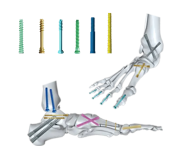
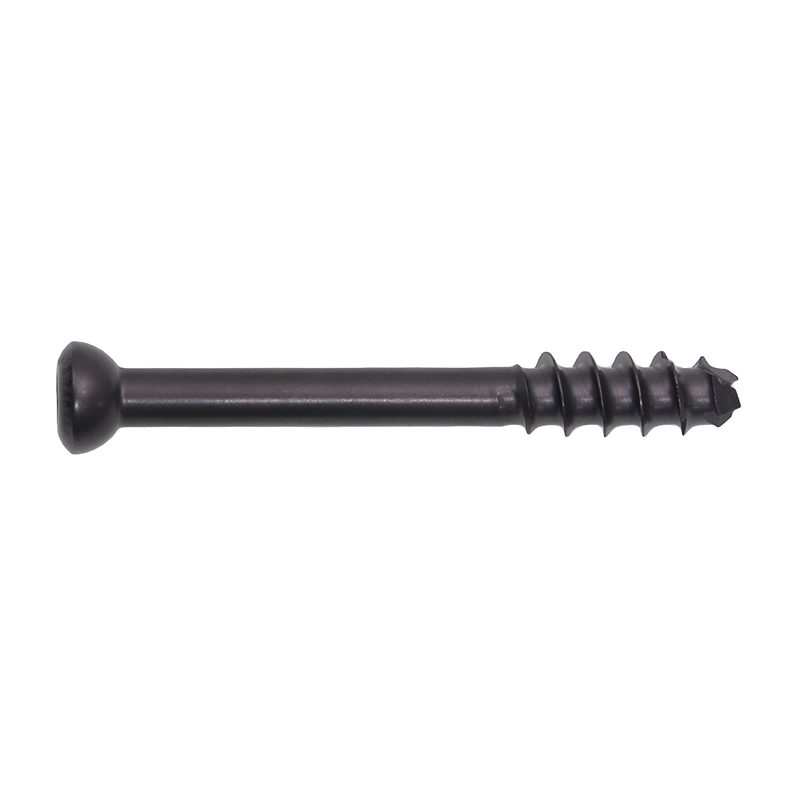
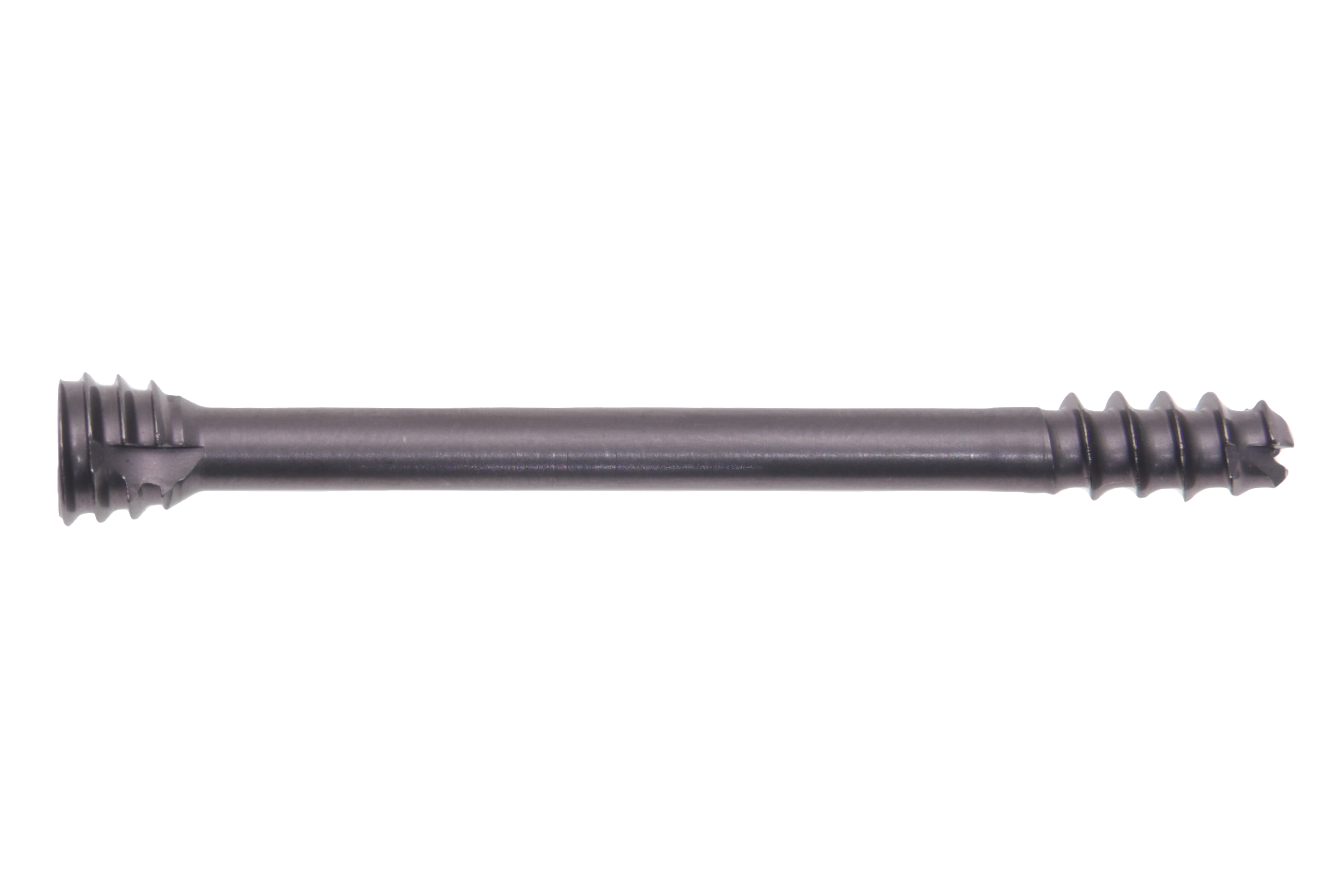
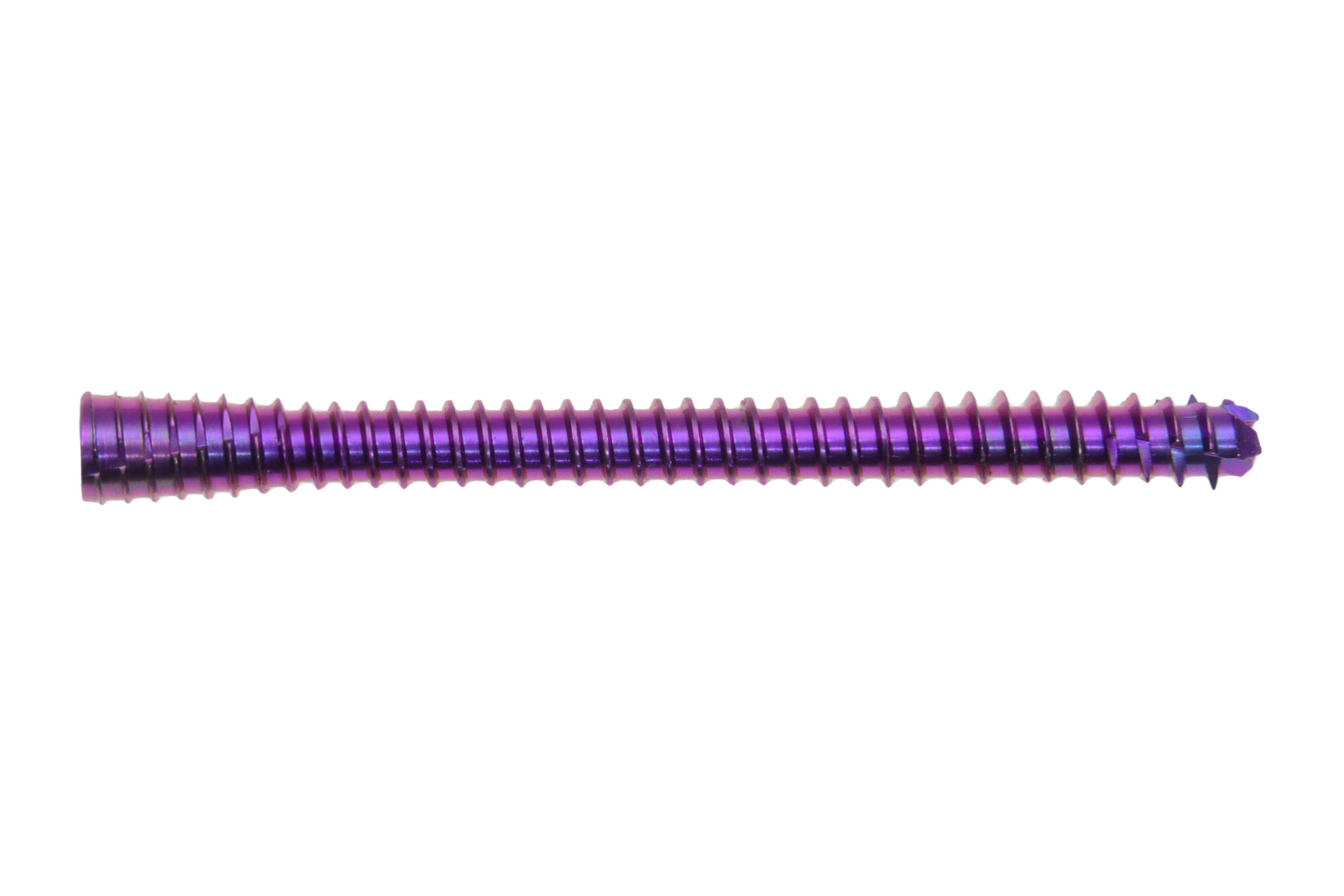
Partially threaded cannulated screws represent an advanced orthopedic fixation solution designed to provide optimal compression and stabilization in bone fracture repair. These specialized implants feature a unique hollow core running through their length, allowing surgeons to insert them over a guide wire for precise placement during surgical procedures. The design combines a smooth unthreaded shaft proximally with aggressive threads distally, enabling controlled compression across fracture sites while minimizing stress concentration. Partially threaded cannulated screws are engineered from medical-grade materials such as titanium alloy or stainless steel, ensuring biocompatibility and mechanical strength suitable for load-bearing applications. The cannulated design facilitates minimally invasive surgical techniques, reducing soft tissue damage and promoting faster patient recovery. These screws excel in applications requiring interfragmentary compression, where the unthreaded portion glides through the near cortex while the threaded section engages the far cortex, drawing bone fragments together. Common applications include scaphoid fractures, femoral neck fractures, ankle fractures, and various small bone fixations. The partial threading configuration prevents excessive compression that could compromise blood supply or cause bone necrosis. Surgeons appreciate the versatility of partially threaded cannulated screws across diverse anatomical locations and fracture patterns. Their hollow core accommodates guide wires ranging from 0.045 to 0.062 inches in diameter, depending on screw size. Available in multiple diameters and lengths, partially threaded cannulated screws can be tailored to specific patient anatomy and surgical requirements, making them an indispensable tool in modern orthopedic trauma surgery and reconstructive procedures.

New Product Releases

Choosing partially threaded cannulated screws delivers significant practical benefits that directly impact surgical outcomes and patient recovery. The cannulated design allows for guided insertion over a pre-positioned wire, dramatically improving placement accuracy and reducing operative time. This precision placement means fewer complications and better alignment of bone fragments, leading to improved healing rates. The partial threading creates a mechanical advantage by generating interfragmentary compression without over-tightening, which protects delicate bone structures and preserves essential blood supply to the healing site. Patients experience faster recovery times because the minimally invasive approach enabled by partially threaded cannulated screws results in smaller incisions, less soft tissue disruption, and reduced post-operative pain. Healthcare facilities benefit from the operational efficiency these implants provide, as the streamlined insertion technique shortens procedure duration and optimizes operating room utilization. The versatility of partially threaded cannulated screws across multiple applications means hospitals can maintain a more efficient inventory, reducing storage costs while ensuring availability for various surgical needs. Surgeons gain confidence from the predictable performance and reliable fixation strength these screws deliver across different bone densities and patient populations. The smooth shaft portion prevents thread engagement in the near fragment, ensuring that compression force is directed precisely where needed rather than dispersed ineffectively. For trauma cases requiring urgent intervention, partially threaded cannulated screws enable rapid, secure fixation that allows early patient mobilization, reducing complications associated with prolonged immobilization. The biomechanical design supports natural bone healing processes while providing stable fixation throughout the critical recovery period. Decision-makers appreciate that investing in quality partially threaded cannulated screws translates to better patient satisfaction scores, fewer revision surgeries, and improved overall clinical outcomes that enhance institutional reputation and patient care standards.

Tips And Tricks

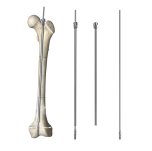
No need for secondary surgery: How does the self-lengthening intramedullary nail synchronize with bone development?

11

Feb

No need for secondary surgery: How does the self-lengthening intramedullary nail synchronize with bone development?

The evolution of pediatric orthopedic surgery has witnessed remarkable advancements in recent decades, with the telescopic intramedullary nail emerging as a groundbreaking solution for treating femoral shaft fractures in growing children. This innova...
View More
Finite Element Optimization Design and Biomechanical Validation of Personalized IM Nails

11

Feb

Finite Element Optimization Design and Biomechanical Validation of Personalized IM Nails

The evolution of orthopedic trauma surgery has reached a pivotal moment with the emergence of personalized IM nails that revolutionize fracture treatment approaches. Advanced computational modeling and finite element analysis have enabled surgeons to...
View More
Treatment of osteomyelitis and tibial pseudarthrosis: The advantages of the Ilizarov frame

06

Mar

Treatment of osteomyelitis and tibial pseudarthrosis: The advantages of the Ilizarov frame

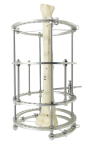
The treatment of complex orthopedic conditions such as osteomyelitis and tibial pseudarthrosis presents significant challenges that require innovative surgical approaches. Among the most effective solutions available to orthopedic surgeons today is t...
View More
Taylor brace: a new choice for minimally invasive treatment of complex fracture repair

15

Apr

Taylor brace: a new choice for minimally invasive treatment of complex fracture repair

The Taylor brace represents a significant advancement in orthopedic external fixation technology, offering surgeons and patients a minimally invasive solution for complex fracture repair scenarios. This innovative Taylor brace system combines precisi...
View More

Get a Free Quote

Our representative will contact you soon.
Email
Name
Company Name
Message
0/1000

partially threaded cannulated screws

Precision Guided Wire Technology

Precision Guided Wire Technology

The cannulated core design of partially threaded cannulated screws represents a breakthrough in surgical precision and ease of implementation. This hollow center accommodates guide wires that surgeons position first using fluoroscopic guidance, establishing the optimal trajectory before screw insertion. This approach eliminates the guesswork associated with solid screw placement, particularly in complex anatomical regions where millimeter-level accuracy determines success. The guide wire remains in position throughout drilling and screw insertion, maintaining the intended path and preventing deviation that could compromise fixation quality. Surgeons performing procedures on small bones like the scaphoid or challenging locations such as the femoral neck benefit tremendously from this guided approach. The technology reduces radiation exposure time since the trajectory is confirmed before final implant placement, and adjustments can be made with the wire alone rather than repositioning the entire screw. For teaching hospitals, partially threaded cannulated screws with guide wire capability provide a more forgiving learning curve for resident surgeons developing their technical skills. The predictability this feature offers translates directly to reduced operative complications, shorter procedure times, and greater confidence in achieving optimal fixation angles that promote successful bone union and long-term stability.
Optimized Compression Mechanics

Optimized Compression Mechanics

The distinctive partial threading pattern of partially threaded cannulated screws delivers superior biomechanical performance compared to fully threaded alternatives. The smooth unthreaded shaft glides freely through the proximal bone fragment without engaging, while the distal threads bite firmly into the far cortex, creating a compression mechanism that draws fracture fragments together with controlled force. This design principle is critical for promoting primary bone healing, where direct fragment contact and stability encourage rapid union without excessive callus formation. The length of the threaded and unthreaded portions is carefully engineered based on anatomical research and clinical evidence to match common fracture patterns and bone geometries. Unlike fully threaded screws that can distract fragments or create unwanted tension, partially threaded cannulated screws apply compression exactly where needed, optimizing the mechanical environment for healing. The threading configuration also distributes stress more favorably, reducing the risk of implant failure or bone damage under physiological loading. Surgeons can achieve reliable compression across oblique fractures, osteotomies, and arthrodesis sites with consistent results. For patients, this translates to more predictable healing timelines and reduced likelihood of non-union complications that would require additional interventions. The biomechanical advantage of partially threaded cannulated screws makes them the preferred choice for fixation scenarios where compression is the primary therapeutic goal.
Enhanced Surgical Workflow Efficiency

Enhanced Surgical Workflow Efficiency

Partially threaded cannulated screws streamline the entire surgical workflow from planning through closure, delivering measurable operational benefits to healthcare facilities. The standardized insertion technique using guide wires and cannulated instruments creates a reproducible process that surgical teams can execute efficiently regardless of the specific anatomical application. This consistency reduces setup time, minimizes instrument tray complexity, and decreases the cognitive load on operating room staff during procedures. The minimally invasive approach enabled by partially threaded cannulated screws requires smaller incisions and less soft tissue retraction, which shortens both operative time and wound closure duration. Faster procedures mean better operating room throughput, allowing facilities to serve more patients without compromising care quality. The reduced tissue trauma associated with this approach also decreases post-operative monitoring requirements and shortens hospital stays, improving bed utilization and reducing per-patient costs. Inventory management becomes more straightforward because the versatility of partially threaded cannulated screws across multiple indications reduces the number of specialized implant variants facilities must stock. Procurement departments benefit from simplified vendor relationships and potential volume discounts when standardizing on these proven implants. Clinical outcomes data consistently demonstrates that partially threaded cannulated screws deliver reliable fixation with low complication rates, supporting quality metrics and accreditation standards. For surgical programs focused on continuous improvement, these implants represent a best-practice solution that balances clinical effectiveness with operational efficiency and economic sustainability.
logo