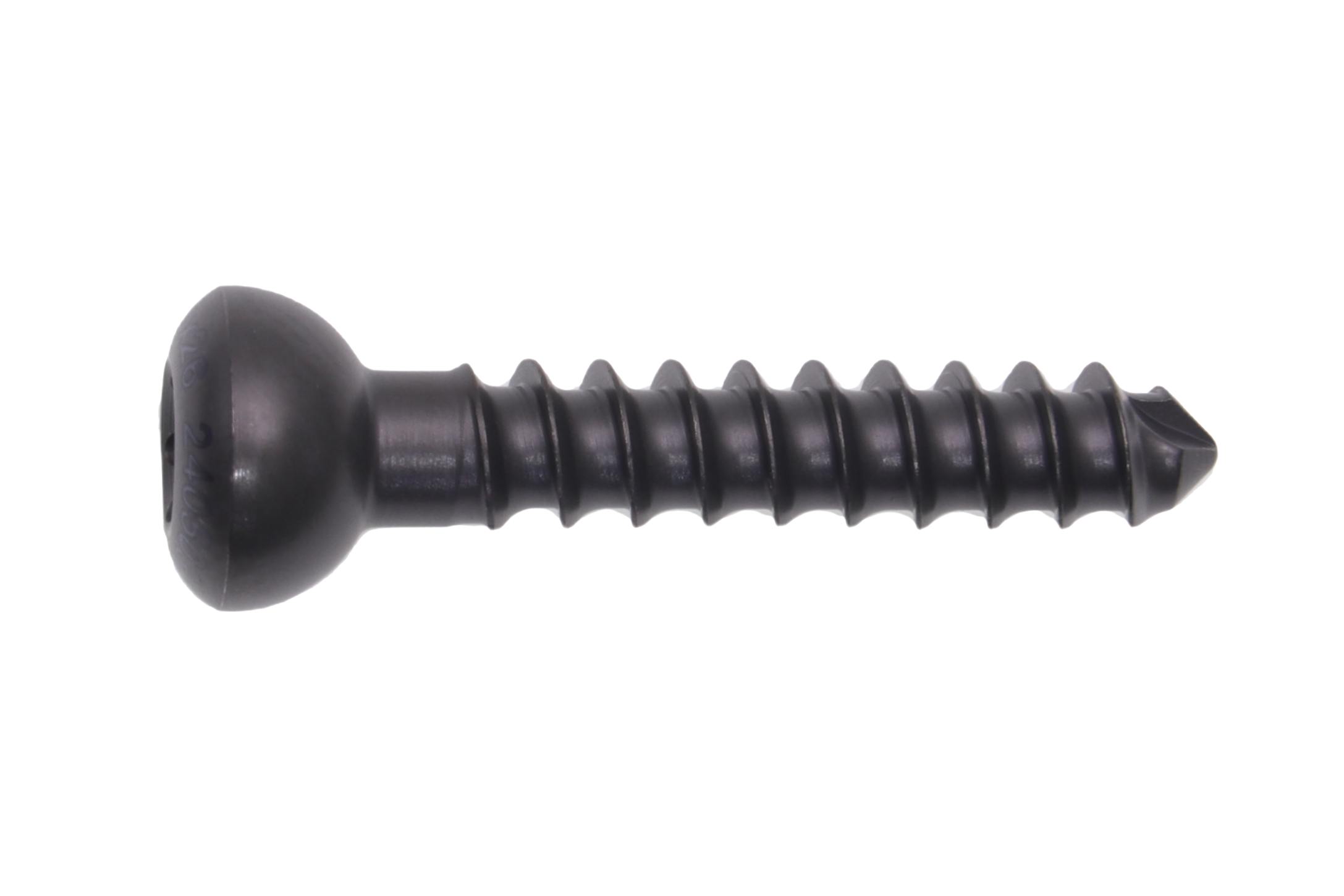
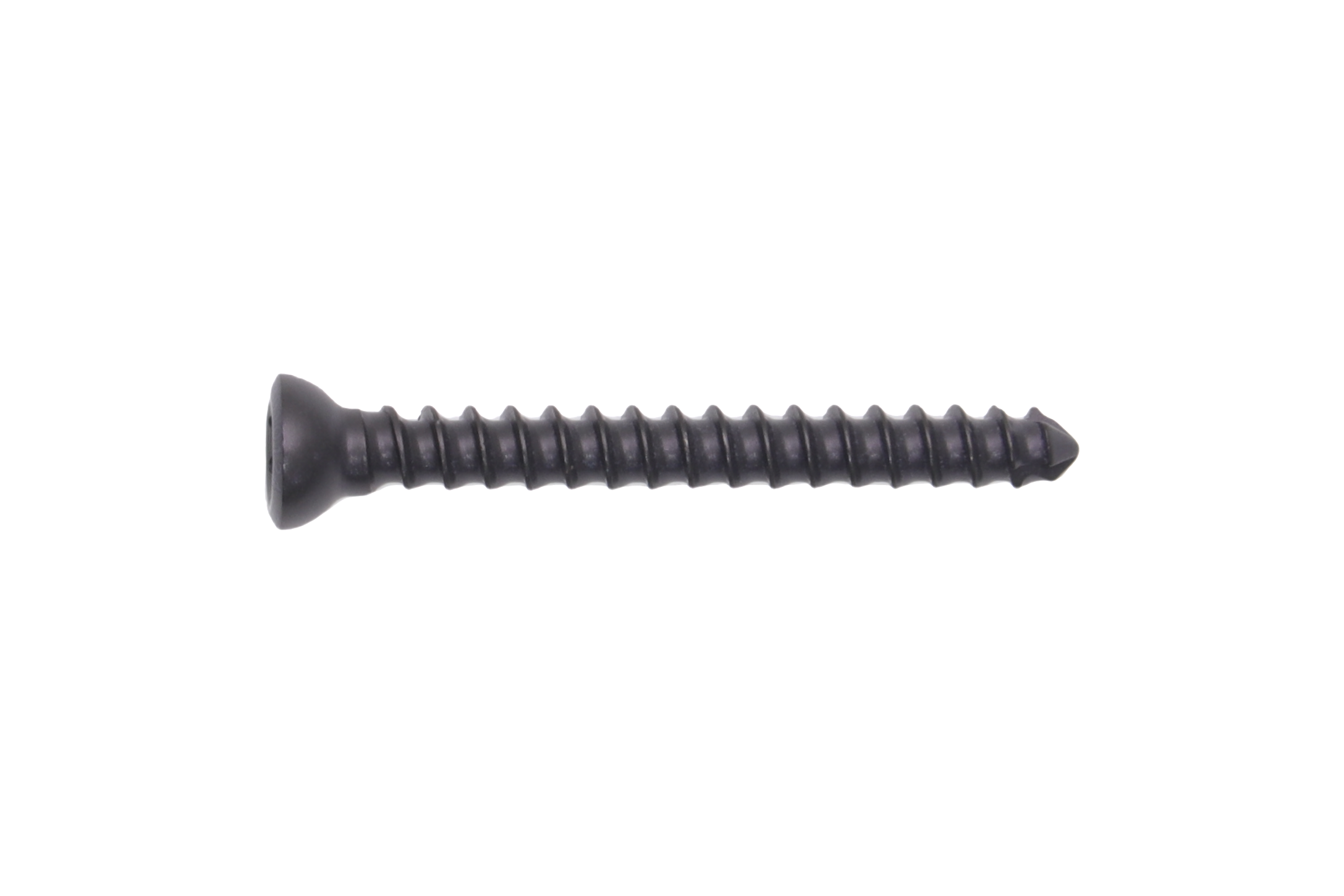
bone screw
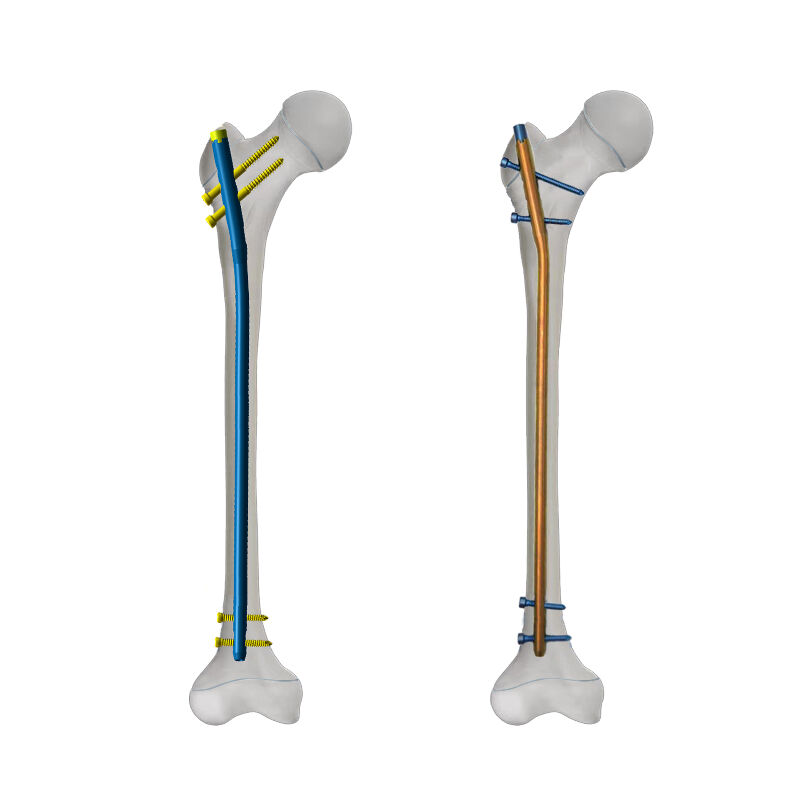
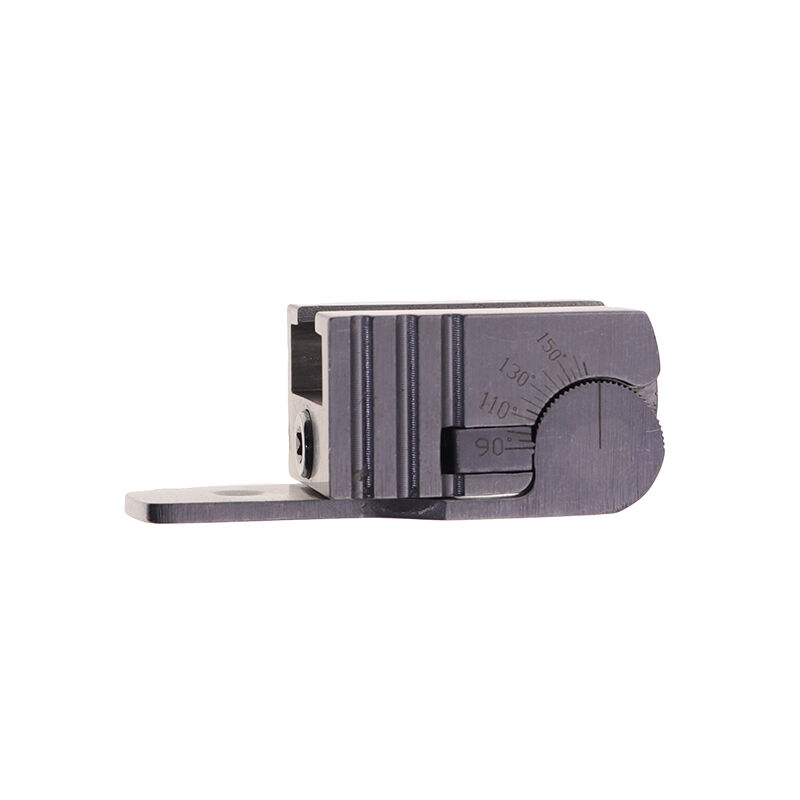
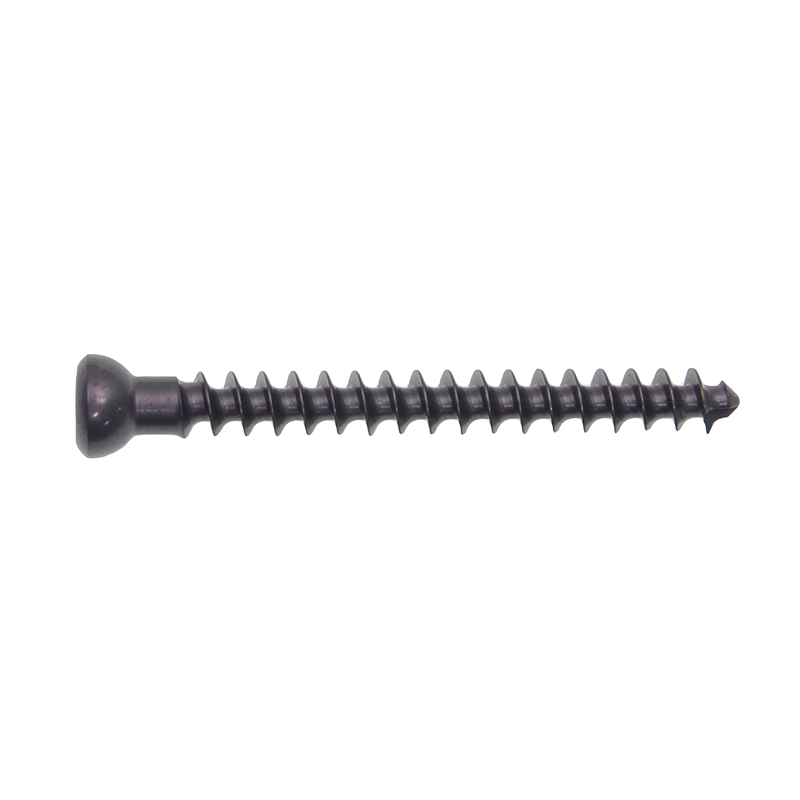
A bone screw is a specialized medical implant designed to provide stable fixation in orthopedic and trauma surgeries. This essential surgical device serves as a critical component in fracture repair, bone reconstruction, and joint stabilization procedures. The bone screw functions by securing bone fragments together or anchoring plates and other implants to skeletal structures, promoting proper healing alignment and structural integrity. Manufactured from biocompatible materials such as titanium alloys or stainless steel, each bone screw features precisely engineered thread patterns that ensure optimal purchase in both cortical and cancellous bone tissue. Modern bone screw designs incorporate self-tapping capabilities, which eliminate the need for pre-threading and reduce surgical time significantly. The technological features of a bone screw include various head designs such as locking, compression, and cannulated configurations, each tailored to specific clinical requirements. Thread pitch, core diameter, and tip geometry are carefully calibrated to maximize holding strength while minimizing tissue trauma during insertion. Applications span across multiple surgical specialties including trauma surgery, spinal fusion, joint reconstruction, maxillofacial surgery, and sports medicine procedures. Surgeons rely on the bone screw for treating complex fractures, correcting deformities, and securing osteotomies. The versatility of the bone screw makes it indispensable in both emergency trauma care and elective reconstructive procedures, providing reliable fixation across diverse anatomical locations and patient populations.
 EN
EN