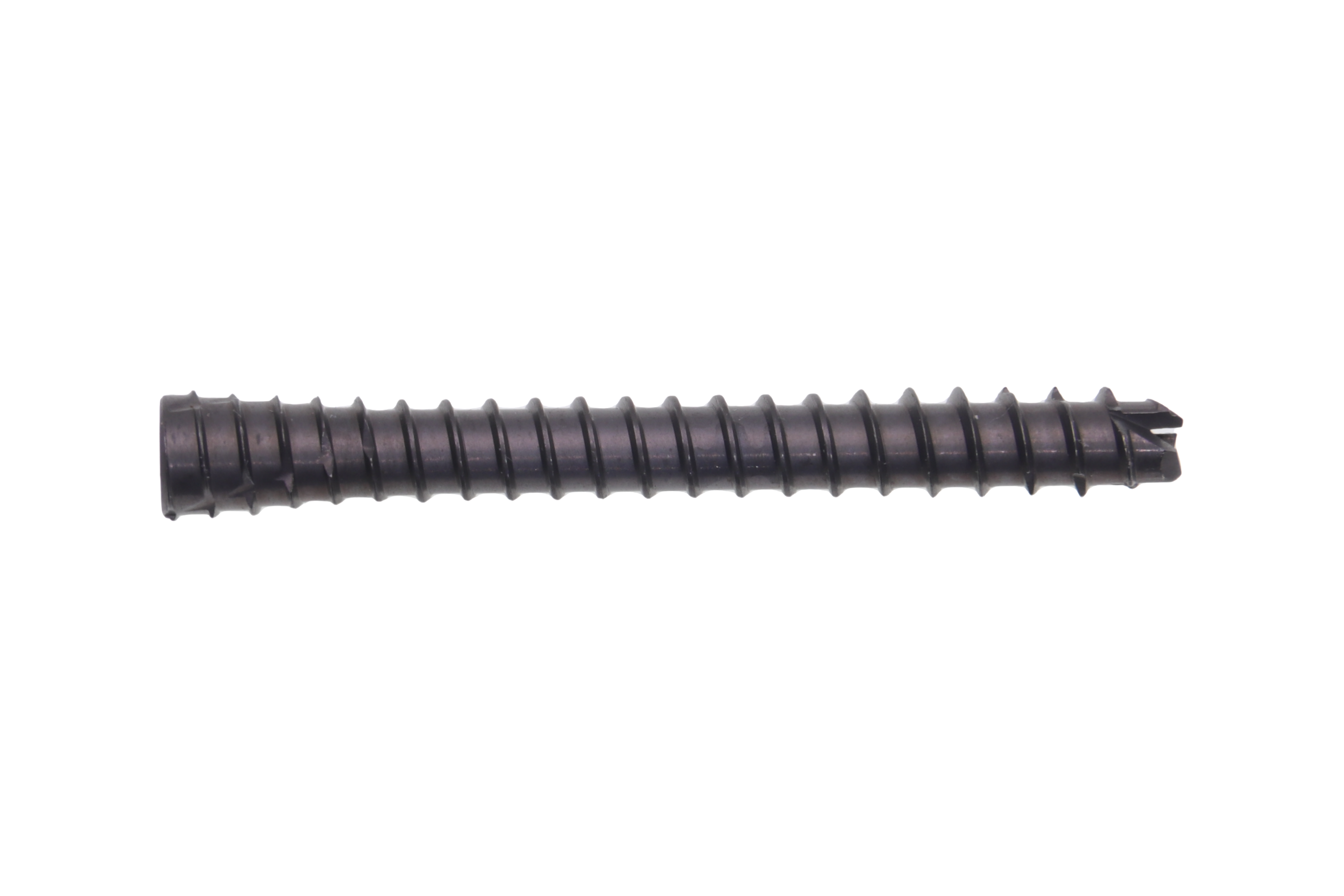
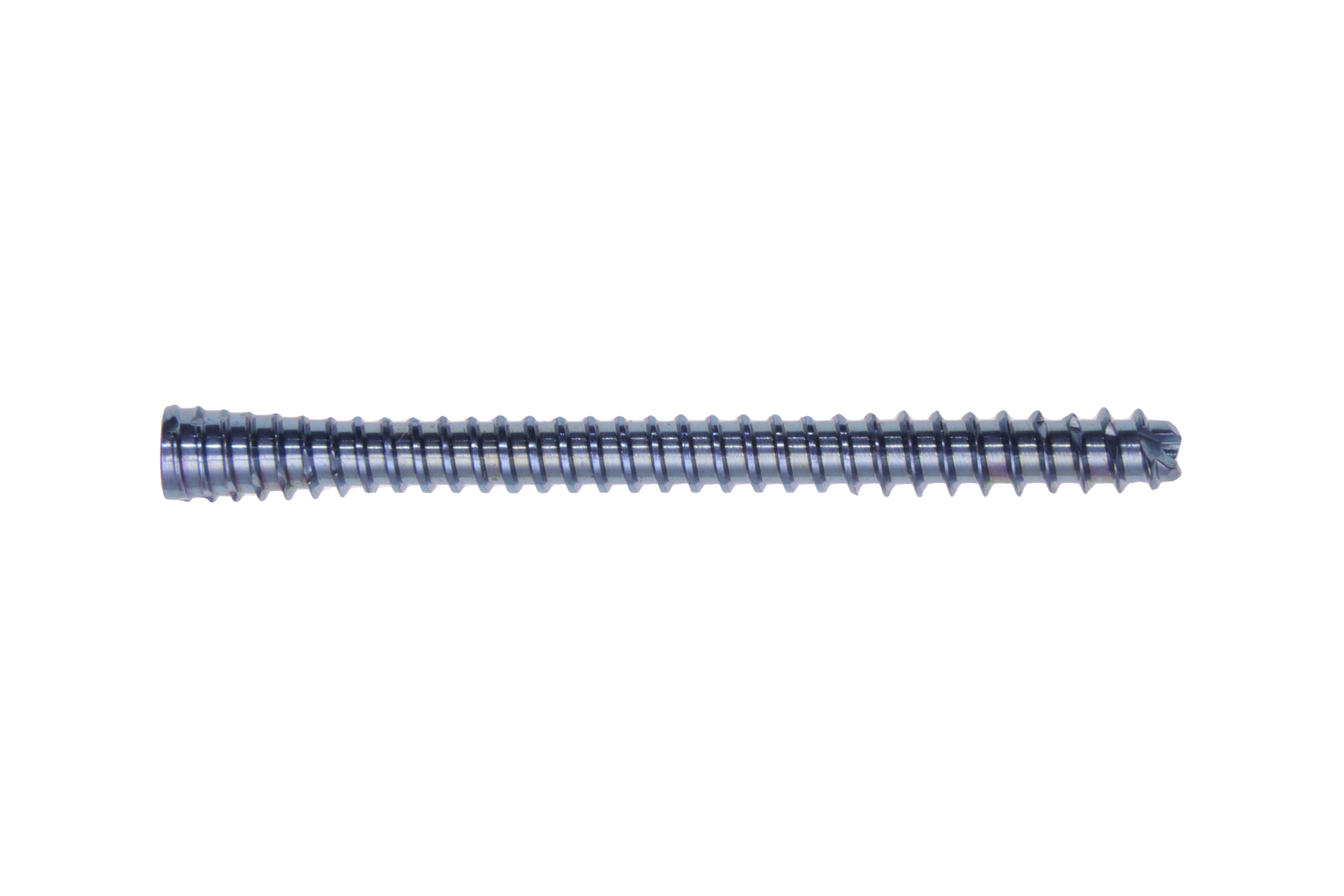
Versatile Application Across Critical Anatomical Sites
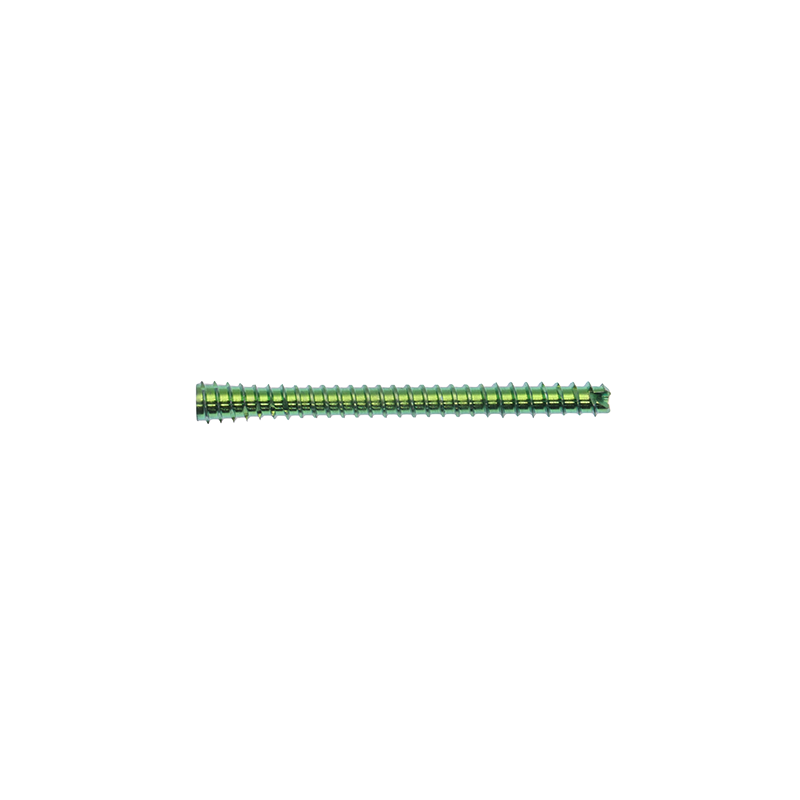
Headless compression screws demonstrate exceptional versatility across diverse orthopedic applications, making them indispensable for treating fractures in anatomically challenging locations. These devices excel particularly in small bone fractures of the hand, wrist, foot, and ankle, where traditional fixation methods often prove inadequate or problematic. The scaphoid bone in the wrist represents an ideal application, as scaphoid fractures historically suffer high nonunion rates with conservative treatment, and traditional screws can interfere with wrist mechanics. Headless compression screws provide stable compression without protruding into joint spaces or interfering with carpal kinematics. Similarly, in metacarpal neck fractures, phalangeal fractures, and metatarsal fractures, these devices offer robust fixation without compromising the intricate tendon networks essential for hand and foot function. The cannulated design allows for percutaneous or minimally invasive insertion guided by fluoroscopy, expanding surgical options in patients who benefit from tissue-sparing approaches. Beyond traumatic fractures, headless compression screws are valuable for osteotomies, arthrodesis procedures, and avascular necrosis treatment, demonstrating their broad clinical utility. Surgeons can confidently apply this technology across age groups and bone qualities, with various sizes accommodating pediatric through adult patients. This versatility streamlines inventory management for hospitals while providing surgeons with a reliable solution for multiple indications, ultimately improving care efficiency and clinical consistency.
 EN
EN