Bone Fixation Screws - Superior Orthopedic Solutions

Get a Free Quote

Our representative will contact you soon.
Email
Name
Company Name
Message
0/1000

bone fixation screws

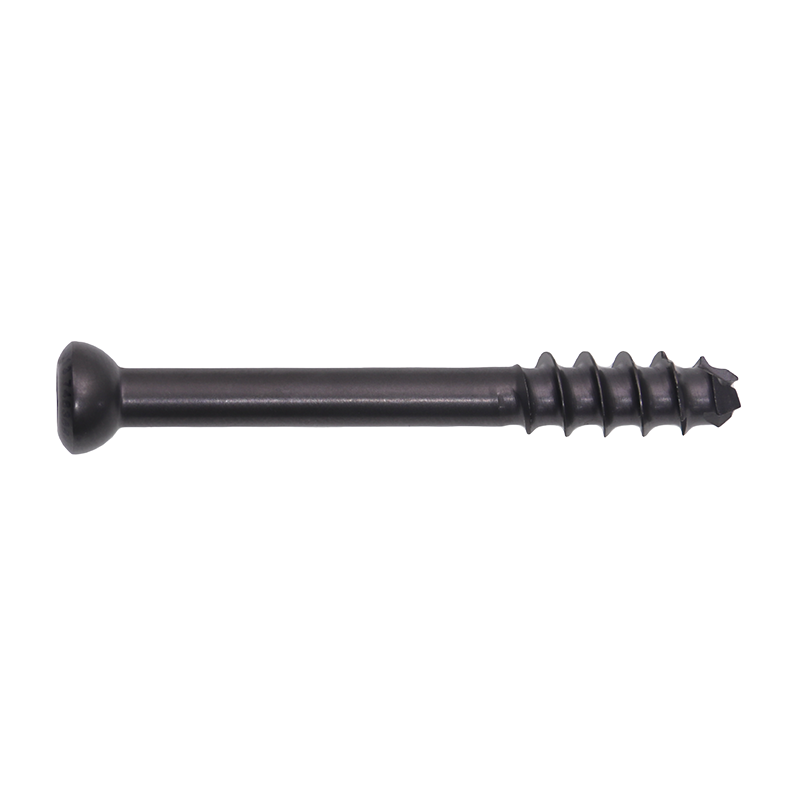
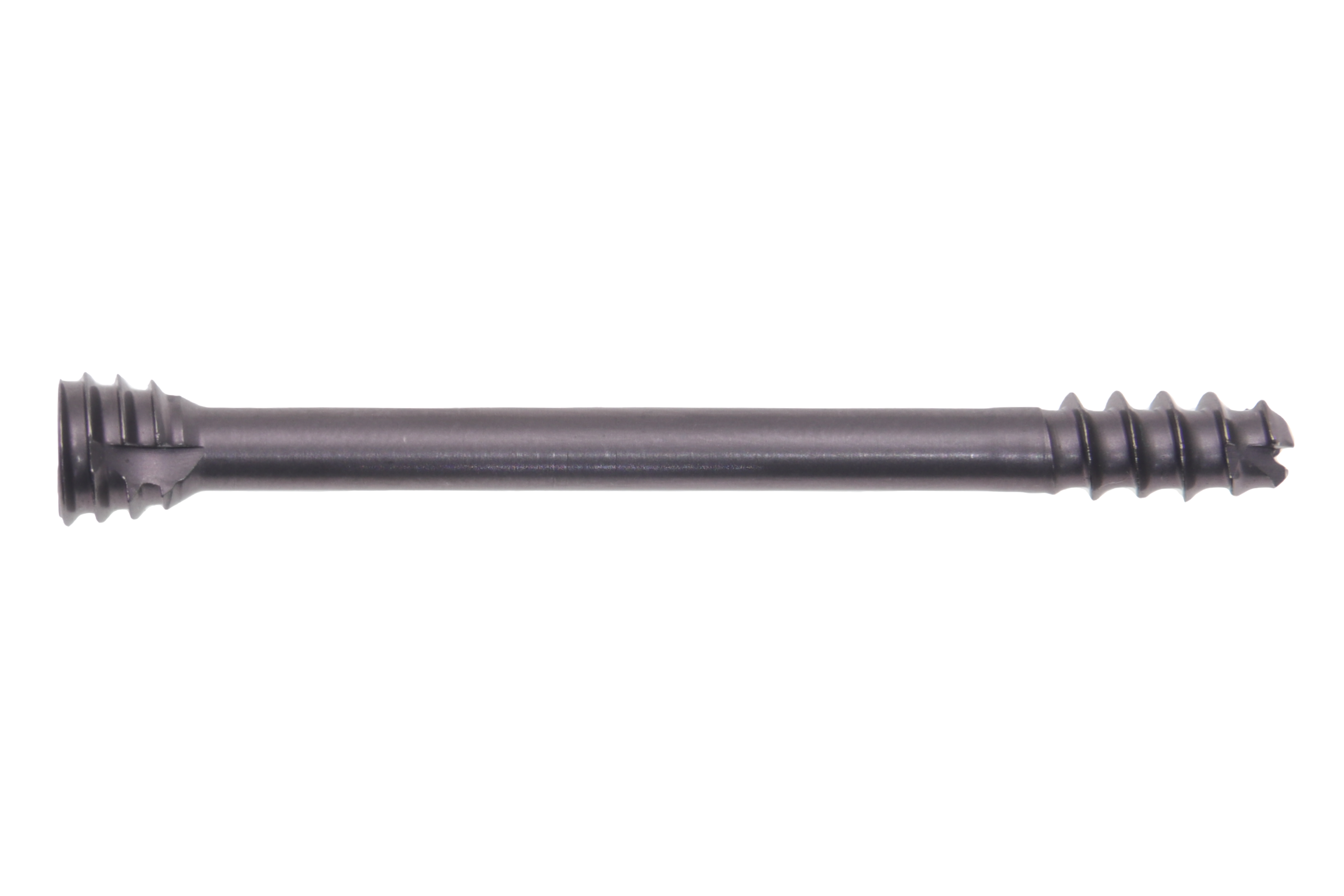
Bone fixation screws are essential medical devices used in orthopedic and trauma surgery to stabilize fractured bones and facilitate proper healing. These specialized screws secure bone fragments in their correct anatomical position, allowing natural healing processes to occur without displacement. Manufactured from biocompatible materials such as titanium alloys and stainless steel, bone fixation screws provide the mechanical stability necessary for successful fracture repair. The primary function of bone fixation screws involves anchoring bone plates to fractured segments or directly fixing bone fragments together. Surgeons rely on these devices during procedures ranging from simple fracture repairs to complex reconstructive surgeries. The technological features of bone fixation screws include precisely engineered thread designs that maximize grip strength within bone tissue while minimizing insertion torque. Self-tapping capabilities eliminate the need for pre-tapping in many applications, streamlining surgical procedures and reducing operative time. Modern bone fixation screws feature cannulated designs that allow insertion over guide wires for enhanced accuracy, particularly in minimally invasive procedures. Surface treatments and coatings improve osseointegration, promoting faster bone-to-implant bonding. Applications span multiple surgical specialties including orthopedics, maxillofacial surgery, and spinal procedures. These devices treat various conditions from sports injuries and traumatic fractures to degenerative bone diseases requiring surgical intervention. The versatility of bone fixation screws makes them indispensable tools in contemporary surgical practice, enabling surgeons to address diverse clinical scenarios with confidence and precision.

New Products

Choosing bone fixation screws offers significant practical benefits that directly impact surgical outcomes and patient recovery. These devices provide immediate mechanical stability at fracture sites, allowing patients to begin rehabilitation protocols earlier than traditional casting methods permit. The rigid fixation achieved with bone fixation screws reduces pain by preventing micro-motion at fracture interfaces, improving patient comfort during the healing period. From an operational perspective, bone fixation screws simplify surgical workflows through intuitive instrumentation systems and standardized insertion techniques. Surgeons benefit from reduced procedure times as modern self-drilling and self-tapping designs eliminate preparatory steps, decreasing anesthesia duration and associated risks. The biocompatible materials used in manufacturing ensure excellent tissue tolerance, minimizing inflammatory responses and reducing complication rates. Application suitability extends across patient demographics, from pediatric cases requiring temporary fixation to geriatric patients with osteoporotic bone requiring specialized thread patterns. The broad size range available accommodates anatomical variations and different bone densities, providing surgeons with appropriate options for each unique clinical situation. Decision-makers appreciate the documented clinical evidence supporting bone fixation screws, with extensive research demonstrating superior healing rates compared to alternative fixation methods. The cost-effectiveness becomes apparent when considering reduced hospital stays, fewer follow-up interventions, and faster return to normal activities. Healthcare facilities value the inventory efficiency possible with comprehensive screw systems that address multiple surgical indications. Patient satisfaction increases due to smaller incisions, reduced scarring, and quicker functional recovery. The proven track record of bone fixation screws in millions of procedures worldwide provides confidence for both medical professionals and patients making treatment decisions.

Practical Tips

Evolution of Intervertebral Fusion Device Materials: Clinical Efficacy Comparison between PEEK and Titanium Alloy

13

Jan

Evolution of Intervertebral Fusion Device Materials: Clinical Efficacy Comparison between PEEK and Titanium Alloy

The advancement of spinal surgery has been significantly influenced by the development of sophisticated intervertebral fusion device technologies. Modern spine surgeons rely heavily on these devices to achieve successful fusion outcomes while minimiz...
View More
Finite Element Optimization Design and Biomechanical Validation of Personalized IM Nails

11

Feb

Finite Element Optimization Design and Biomechanical Validation of Personalized IM Nails

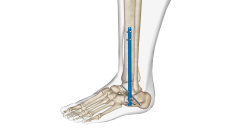
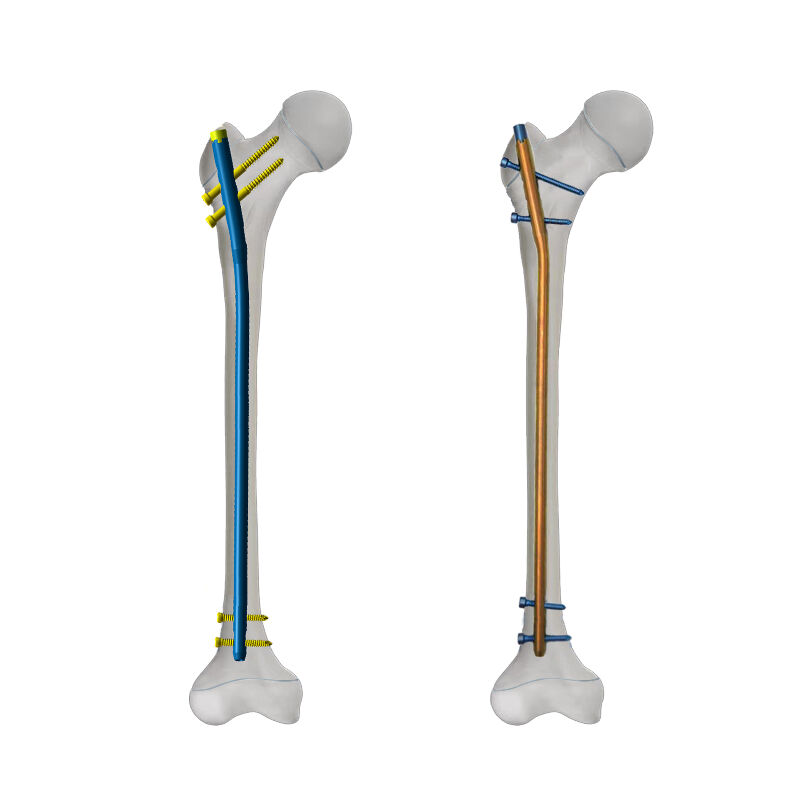
The evolution of orthopedic trauma surgery has reached a pivotal moment with the emergence of personalized IM nails that revolutionize fracture treatment approaches. Advanced computational modeling and finite element analysis have enabled surgeons to...
View More
Expanding the Boundaries of IM Nail Technology: Periarticular Fractures and Deformity Correction

06

Mar

Expanding the Boundaries of IM Nail Technology: Periarticular Fractures and Deformity Correction

Modern orthopedic surgery continues to evolve with innovative solutions that address complex fracture patterns and deformity corrections. The telescopic intramedullary nail represents a significant advancement in treating challenging periarticular fr...
View More
Treatment of osteomyelitis and tibial pseudarthrosis: The advantages of the Ilizarov frame

06

Mar

Treatment of osteomyelitis and tibial pseudarthrosis: The advantages of the Ilizarov frame

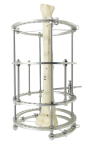
The treatment of complex orthopedic conditions such as osteomyelitis and tibial pseudarthrosis presents significant challenges that require innovative surgical approaches. Among the most effective solutions available to orthopedic surgeons today is t...
View More

Get a Free Quote

Our representative will contact you soon.
Email
Name
Company Name
Message
0/1000

bone fixation screws

Advanced Thread Design for Superior Fixation

Advanced Thread Design for Superior Fixation

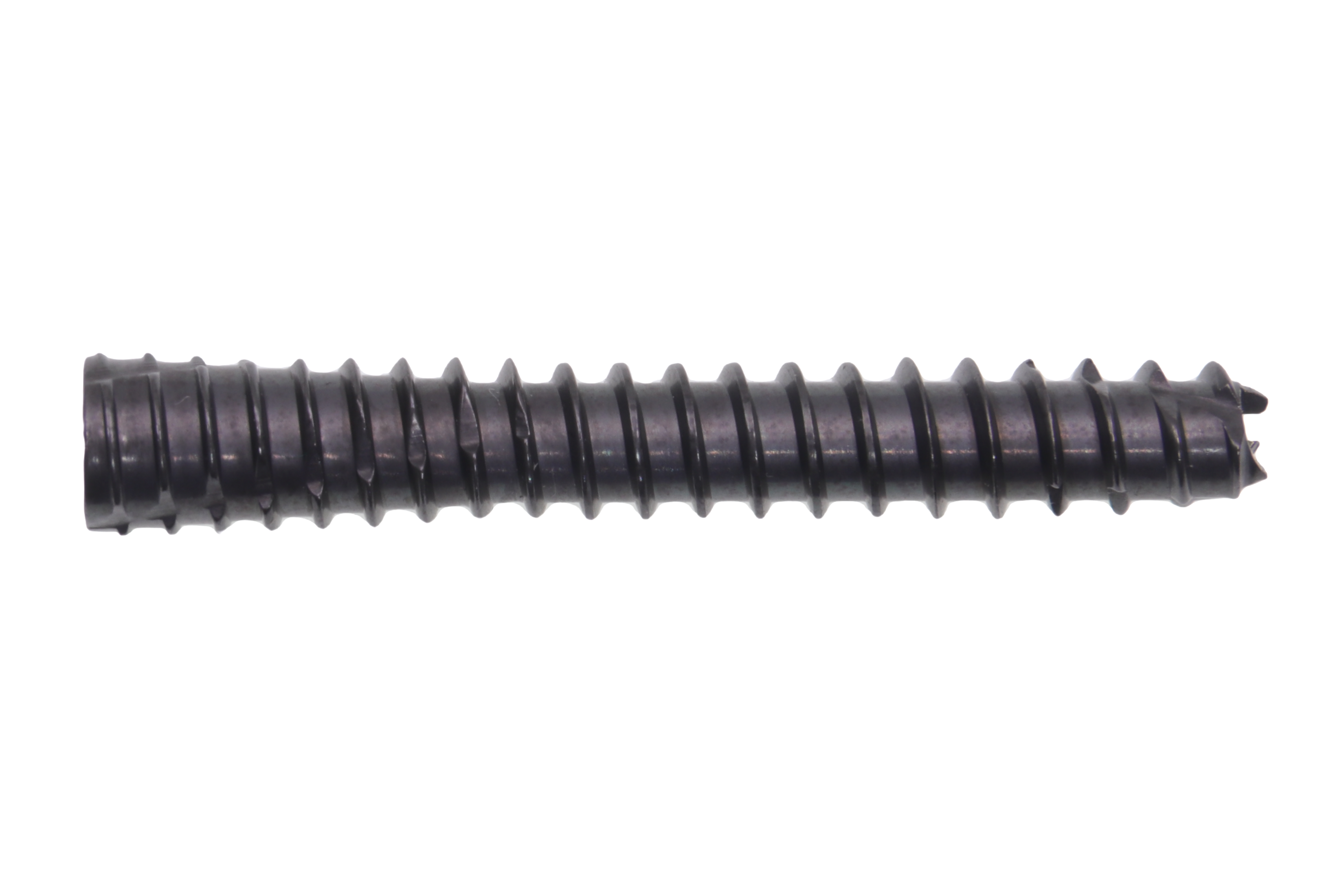
The thread geometry of bone fixation screws represents a critical engineering achievement that directly influences surgical success. These screws feature optimized thread pitch and depth calculations that maximize purchase within cortical and cancellous bone structures. The variable thread designs accommodate different bone densities, with finer threads providing exceptional grip in hard cortical bone while coarser threads engage effectively in softer cancellous regions. Self-tapping cutting flutes integrated into the thread design allow bone fixation screws to create their own pathways during insertion, eliminating the need for separate tapping instruments in most applications. This feature reduces surgical steps, shortens procedure duration, and minimizes tissue trauma. The precision-machined threads distribute compressive forces evenly across bone interfaces, preventing stress concentration that could compromise healing. Advanced manufacturing techniques ensure consistent thread quality across every screw, providing predictable performance regardless of surgical complexity. The thread design also facilitates controlled insertion with tactile feedback, allowing surgeons to assess bone quality during placement. This engineering excellence translates to reduced stripping risk, enhanced pull-out resistance, and long-term fixation stability that supports complete fracture union.

Biocompatible Materials Ensuring Patient Safety

Biocompatible Materials Ensuring Patient Safety

Material selection for bone fixation screws prioritizes both mechanical performance and biological compatibility to ensure optimal patient outcomes. Medical-grade titanium alloys dominate contemporary screw manufacturing due to their exceptional strength-to-weight ratio and outstanding corrosion resistance within the human body. These materials demonstrate proven biocompatibility, with decades of clinical evidence showing minimal adverse tissue reactions and excellent osseointegration properties. The passive oxide layer that forms naturally on titanium surfaces promotes bone cell adhesion and growth, actively supporting the healing process. Stainless steel alternatives provide cost-effective solutions for temporary fixation applications where eventual removal is planned. Both material options undergo rigorous testing to meet international medical device standards, ensuring consistent quality and performance. The non-magnetic properties of titanium bone fixation screws allow patients to safely undergo magnetic resonance imaging examinations without artifact interference or safety concerns. Surface treatments applied to modern screws further enhance biological integration, with options including anodization and specialized coatings that accelerate bone ingrowth. The material strength prevents screw deformation during insertion and throughout the healing period, maintaining fixation integrity under physiological loads. This combination of mechanical durability and biological acceptance makes bone fixation screws the preferred choice for permanent internal fixation across diverse surgical applications.
Versatile Applications Across Surgical Specialties

Versatile Applications Across Surgical Specialties

The adaptability of bone fixation screws across multiple medical disciplines demonstrates their fundamental value in modern surgical practice. Orthopedic surgeons utilize these devices for treating fractures throughout the skeletal system, from delicate hand bones to major weight-bearing structures like the femur and tibia. Trauma specialists depend on bone fixation screws for emergency stabilization of complex fracture patterns resulting from accidents and high-energy impacts. Maxillofacial surgeons employ specialized smaller-diameter screws for facial bone reconstruction following trauma or corrective procedures, where precision and aesthetic considerations are paramount. Spinal surgery applications include pedicle screw systems that provide three-dimensional correction of deformities and stabilization following decompression procedures. Sports medicine practitioners use bone fixation screws for ligament reconstruction surgeries, anchoring soft tissue grafts to bone tunnels. The pediatric population benefits from appropriately sized screws that accommodate growing skeletons while providing adequate stability during healing. Geriatric patients with compromised bone quality receive specially designed screws with enhanced thread patterns that maximize purchase in osteoporotic bone. This broad applicability means healthcare facilities can standardize on comprehensive bone fixation screw systems that serve multiple departments, improving inventory management and ensuring availability when surgical needs arise unexpectedly.
logo