Cancellous Screw Solutions for Orthopedic Fixation

Get a Free Quote

Our representative will contact you soon.
Email
Name
Company Name
Message
0/1000

cancellous screw

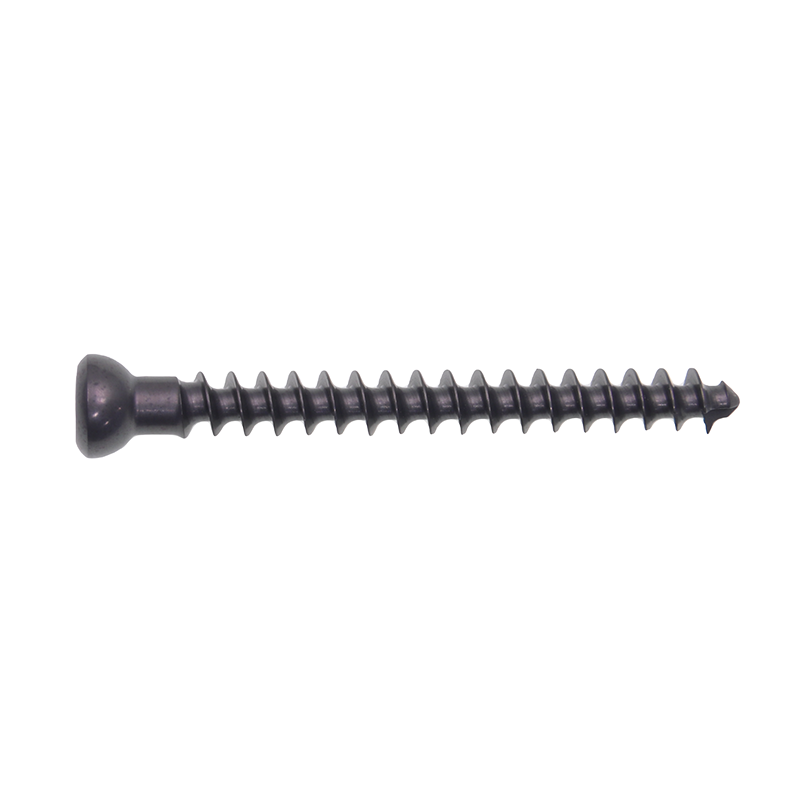
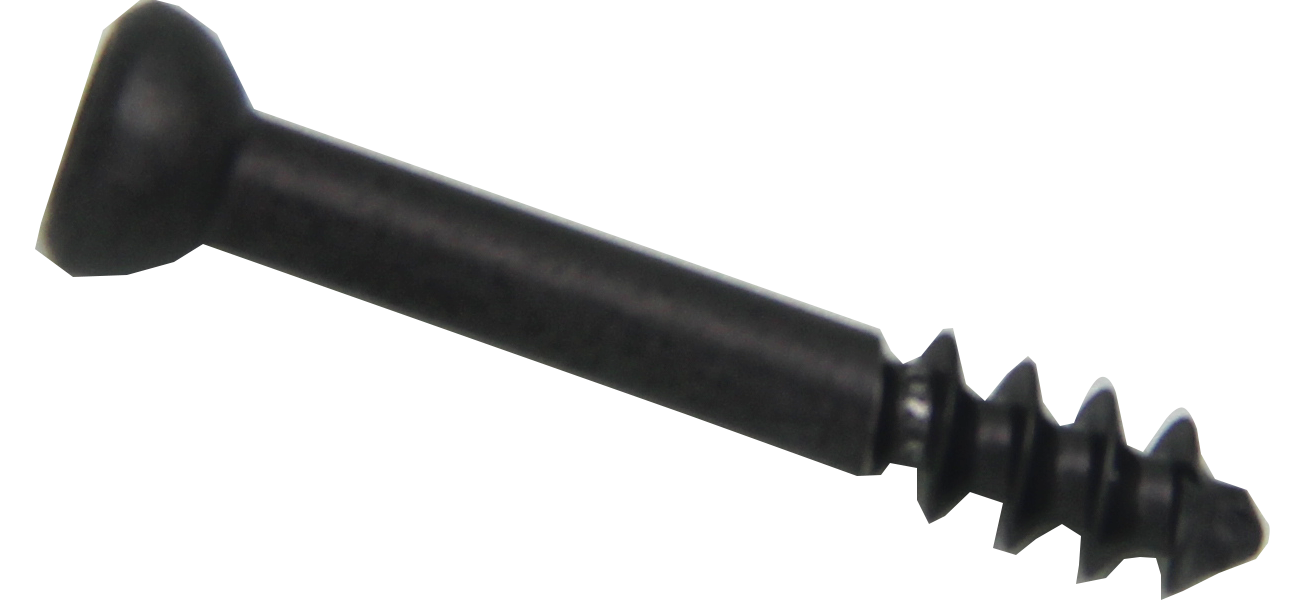
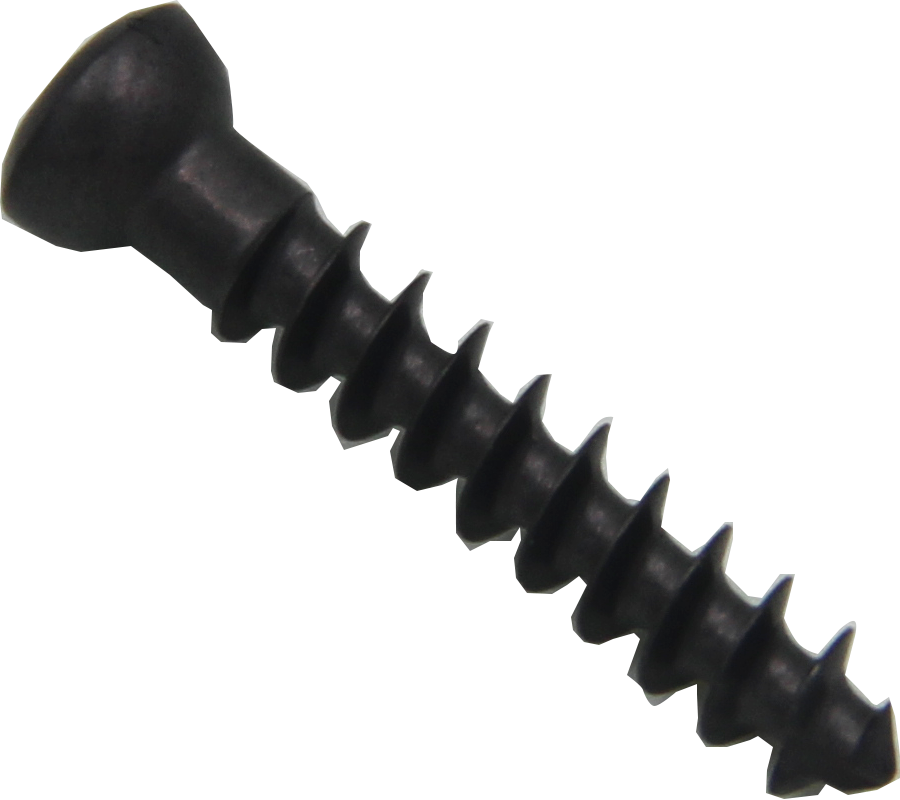
A cancellous screw is a specialized orthopedic fixation device designed specifically for securing bone fragments in areas with softer, spongy bone tissue. This surgical implant features a unique thread design that maximizes grip in cancellous bone, which is the porous inner layer found at the ends of long bones and throughout flat bones. The cancellous screw differs from cortical screws through its wider thread pitch, deeper thread depth, and coarser threading pattern, all engineered to engage effectively with the trabecular bone structure. These screws serve critical functions in fracture fixation, joint reconstruction, and osteotomy procedures across various skeletal regions. The primary technological features include partially threaded or fully threaded shaft options, self-tapping capabilities that eliminate the need for pre-tapping, and tapered core designs that reduce bone stress during insertion. Modern cancellous screw systems incorporate cannulated designs allowing guidewire placement for precise positioning during surgical procedures. Materials typically include medical-grade stainless steel or titanium alloys, both offering excellent biocompatibility and mechanical strength. Applications span trauma surgery for ankle fractures, knee reconstructions, hip fractures, and small bone fixation in the hand and foot. Surgeons rely on cancellous screw technology for procedures requiring stable internal fixation in metaphyseal and epiphyseal bone regions where traditional fixation methods prove less effective due to the softer bone density.

New Products

The cancellous screw delivers significant practical benefits that directly impact surgical outcomes and patient recovery. The specialized thread design provides superior holding power in softer bone tissue compared to standard screws, reducing the risk of fixation failure and ensuring stable bone fragment alignment throughout the healing process. This enhanced grip means fewer complications and revision surgeries, translating to cost savings for healthcare facilities and better patient experiences. The self-tapping feature streamlines surgical procedures by eliminating additional tapping steps, which reduces operation time, minimizes tissue trauma, and decreases patient exposure to anesthesia. Surgeons appreciate the operational efficiency gained through cannulated options that allow precise screw placement using guidewire techniques, improving accuracy especially in complex anatomical areas where visibility is limited. The cancellous screw proves particularly suitable for elderly patients with osteoporotic bone, as the wider threads distribute compression forces across larger bone surface areas, preventing pull-through failures common with narrower fixation devices. For trauma applications, these screws enable early mobilization protocols because the robust fixation supports immediate weight-bearing in many cases, accelerating rehabilitation timelines and helping patients return to daily activities sooner. The biocompatible materials ensure long-term integration without adverse tissue reactions, while the variety of available lengths and diameters allows surgeons to match implant specifications precisely to patient anatomy and fracture patterns. Decision-makers benefit from understanding that investing in quality cancellous screw systems reduces overall treatment costs through fewer complications, shorter hospital stays, and improved surgical efficiency, making these devices valuable additions to orthopedic instrument inventories.

Practical Tips

Application of carbon fiber material external fixation bracket in clinical practice

13

Jan

Application of carbon fiber material external fixation bracket in clinical practice

The integration of advanced materials in orthopedic surgery has revolutionized patient care and treatment outcomes. Among these innovations, carbon fiber external fixation systems have emerged as a superior alternative to traditional metal frameworks...
View More
Understanding Intramedullary Nail Complications

13

Jan

Understanding Intramedullary Nail Complications

Intramedullary nail complications represent a significant concern in orthopedic surgery, affecting patient outcomes and recovery timelines. These complications can arise during insertion, throughout the healing process, or during long-term implant re...
View More
Treatment of osteomyelitis and tibial pseudarthrosis: The advantages of the Ilizarov frame

06

Mar

Treatment of osteomyelitis and tibial pseudarthrosis: The advantages of the Ilizarov frame

The treatment of complex orthopedic conditions such as osteomyelitis and tibial pseudarthrosis presents significant challenges that require innovative surgical approaches. Among the most effective solutions available to orthopedic surgeons today is t...
View More
Distal radial volar locking plate: refined design enhances the success rate of fracture fixation

06

Mar

Distal radial volar locking plate: refined design enhances the success rate of fracture fixation

The treatment of distal radius fractures has undergone significant evolution in recent decades, with the distal radial volar locking plate emerging as a cornerstone technology in modern orthopedic practice. These innovative implants represent a parad...
View More

Get a Free Quote

Our representative will contact you soon.
Email
Name
Company Name
Message
0/1000

cancellous screw

Advanced Thread Design for Maximum Bone Purchase

Advanced Thread Design for Maximum Bone Purchase

The cancellous screw features an intelligently engineered thread architecture specifically optimized for engaging trabecular bone structures. Unlike conventional screws with fine threads, this design incorporates wider spacing between threads and greater thread depth, creating mechanical interlocking with the porous bone matrix. This configuration generates substantially higher pull-out resistance, which is critical when securing fractures in areas where bone density is naturally lower. The coarse threading pattern compresses surrounding bone tissue during insertion, creating a dense bone collar around the screw shaft that enhances stability over time. This biomechanical advantage proves especially valuable in challenging clinical scenarios such as osteoporotic fractures, where traditional fixation methods often fail due to insufficient bone quality. Surgeons can confidently apply compression across fracture sites knowing the threads will maintain purchase throughout the healing period. The thread design also facilitates controlled insertion torque, providing tactile feedback that helps prevent over-tightening and potential bone damage. This feature combination delivers reliable fixation across diverse patient populations and anatomical locations, making the cancellous screw an indispensable tool for achieving optimal surgical outcomes.
Versatile Cannulated System for Precision Placement

Versatile Cannulated System for Precision Placement

Modern cancellous screw systems incorporate cannulated designs featuring a central channel that accommodates guidewires during surgical insertion. This technological advancement transforms complex fixation procedures into predictable, accurate operations. Surgeons first position a guidewire using fluoroscopic imaging or direct visualization, confirming optimal screw trajectory before making any permanent bone alterations. The cancellous screw then slides smoothly over the guidewire, following the predetermined path with exceptional precision. This technique proves invaluable when working in anatomically challenging regions such as the femoral neck, tibial plateau, or scaphoid bone, where even minor trajectory errors can compromise fixation quality or damage adjacent structures. The cannulated approach also enables percutaneous insertion techniques through smaller incisions, reducing soft tissue disruption and resulting in less postoperative pain, minimal scarring, and faster recovery times for patients. The guidewire channel does not compromise screw strength, as advanced engineering maintains structural integrity throughout the implant. This versatility allows the same cancellous screw system to serve both open reduction procedures and minimally invasive surgical approaches, maximizing inventory efficiency for healthcare facilities while expanding treatment options available to surgical teams.
Self-Tapping Efficiency for Streamlined Procedures

Self-Tapping Efficiency for Streamlined Procedures

The self-tapping capability built into cancellous screw designs represents a significant operational advancement that simplifies surgical workflows and reduces procedure complexity. Traditional bone screws require a separate tapping step to create threads in bone before final screw insertion, adding time, requiring additional instruments, and increasing opportunities for trajectory deviation. The cancellous screw eliminates this requirement through specially designed cutting flutes at the screw tip that automatically cut threads during insertion. This innovation reduces total surgical time by several minutes per screw, which accumulates into substantial efficiency gains during procedures requiring multiple fixation points. Shorter operating times translate directly into reduced anesthesia exposure for patients, decreased complication risks associated with prolonged surgery, and improved operating room throughput for healthcare facilities. The self-tapping feature also maintains more consistent thread engagement because the screw cuts its own path precisely matching its thread profile, whereas separate tapping tools may create slightly mismatched threads. Surgeons experience smoother insertion with less insertion torque variance, providing better control and reducing the risk of sudden breakthrough that could damage surrounding structures. This user-friendly characteristic makes the cancellous screw accessible to surgeons at various experience levels while maintaining consistent clinical performance across diverse applications.
logo