High Tibial Osteotomy Plate - Advanced Solutions

Get a Free Quote

Our representative will contact you soon.
Email
Name
Company Name
Message
0/1000

high tibial osteotomy plate

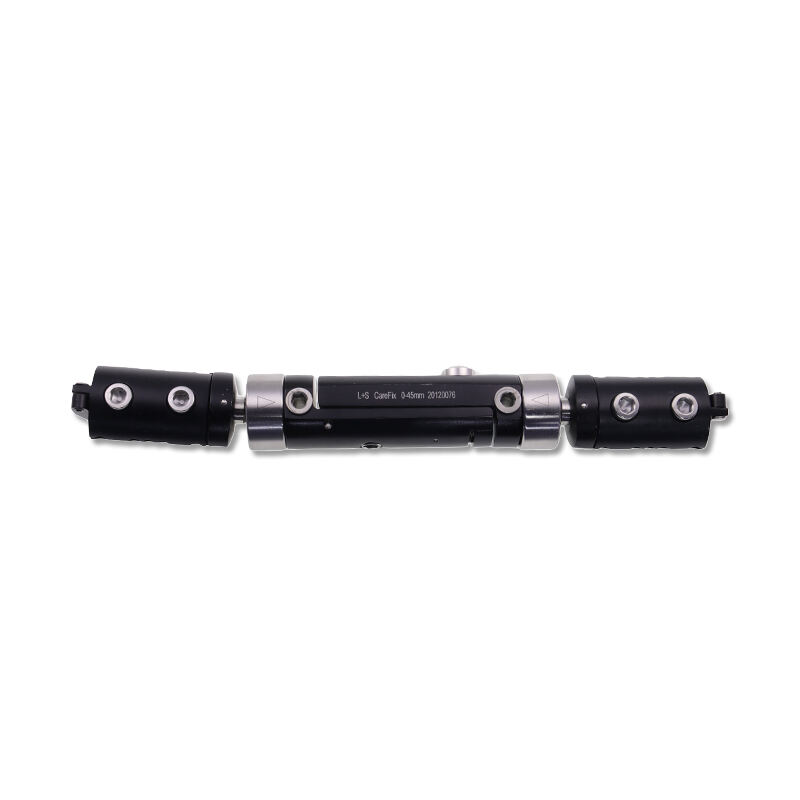
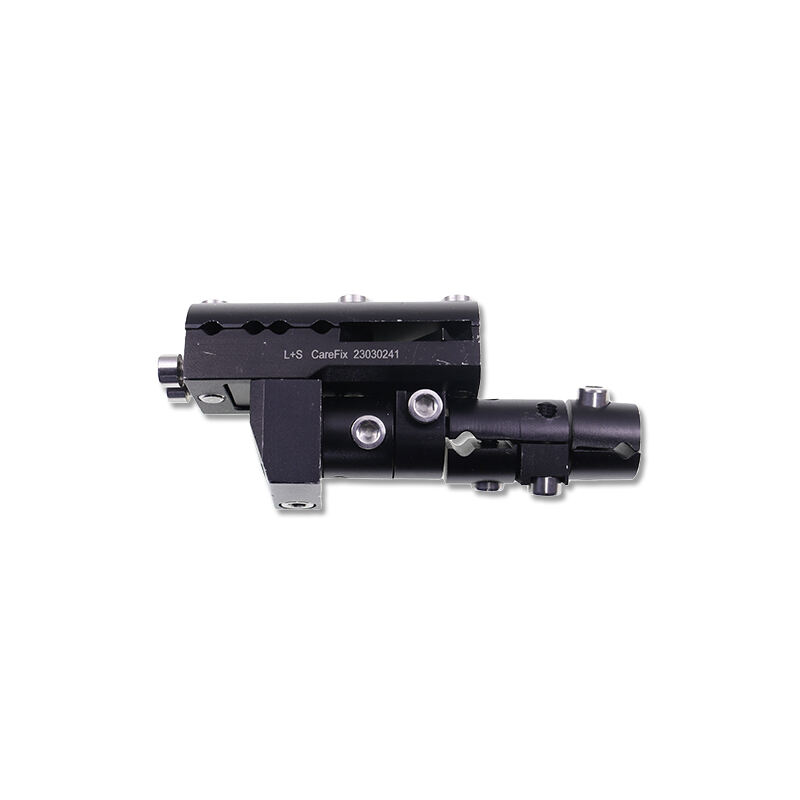
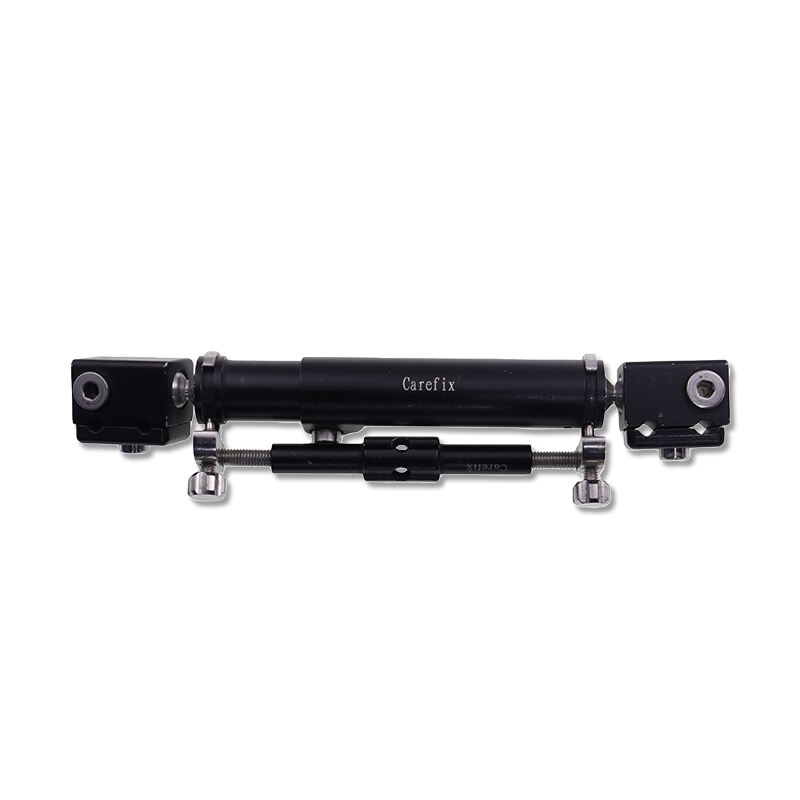
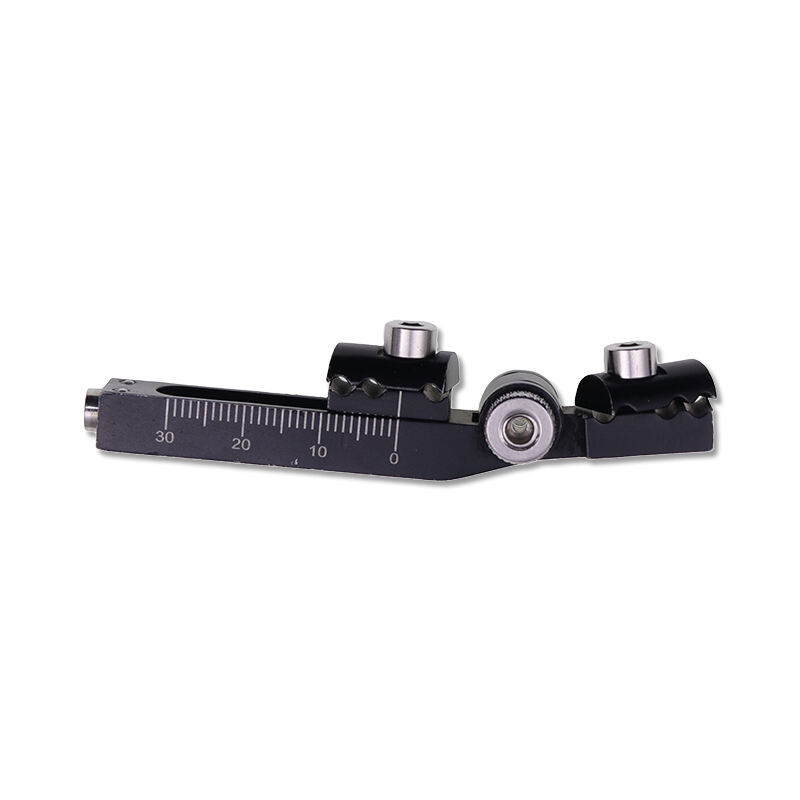



The high tibial osteotomy plate is a specialized orthopedic implant designed to treat knee joint disorders caused by misalignment, particularly in patients suffering from medial compartment osteoarthritis or varus deformity. This surgical device enables surgeons to realign the weight-bearing axis of the leg by cutting and repositioning the upper portion of the tibia bone. The high tibial osteotomy plate provides stable fixation during the healing process, ensuring proper bone union and optimal correction. Manufactured from biocompatible materials such as titanium alloy or medical-grade stainless steel, these plates offer excellent strength and durability. The design incorporates multiple screw holes that allow surgeons to customize fixation based on individual patient anatomy and correction requirements. Advanced locking screw technology provides angular stability, reducing the risk of hardware loosening or displacement. The high tibial osteotomy plate comes in various configurations, including medial opening wedge, lateral closing wedge, and dome osteotomy designs, accommodating different surgical approaches and patient needs. Modern versions feature anatomically contoured profiles that conform closely to tibial bone geometry, minimizing soft tissue irritation and improving patient comfort. The plate's low-profile construction reduces prominence beneath the skin while maintaining structural integrity. This medical device plays a crucial role in joint-preserving surgery, offering younger and active patients an alternative to total knee replacement by redistributing load away from damaged cartilage areas and delaying or preventing the need for more invasive procedures.

New Product Recommendations

Choosing a high tibial osteotomy plate offers significant advantages for both orthopedic surgeons and patients seeking knee preservation solutions. The primary benefit lies in its ability to correct limb alignment while preserving the natural knee joint, which is especially valuable for younger, active individuals who wish to maintain their lifestyle without the limitations associated with artificial joint replacement. The robust fixation provided by the high tibial osteotomy plate allows for early mobilization and faster rehabilitation compared to older fixation methods, enabling patients to return to daily activities more quickly. From an operational perspective, surgeons appreciate the intuitive instrumentation and precise placement guides that accompany modern plate systems, which streamline the surgical procedure and reduce operation time. The versatility of the high tibial osteotomy plate makes it suitable for treating various degrees of deformity and bone quality conditions, from mild to moderate malalignment cases. Patients benefit from reduced post-operative pain due to the anatomically designed, low-profile construction that minimizes soft tissue irritation and improves cosmetic outcomes. The strong mechanical stability eliminates the need for external bracing in many cases, enhancing patient comfort during recovery. Long-term outcomes demonstrate excellent bone healing rates and sustained correction maintenance, providing lasting relief from knee pain and improved joint function. The biocompatible materials ensure minimal risk of adverse reactions, while the corrosion-resistant properties guarantee implant longevity. For healthcare decision-makers, the high tibial osteotomy plate represents a cost-effective intervention that can postpone or eliminate the need for total knee replacement, reducing overall healthcare expenditure while improving patient quality of life and satisfaction scores.

Practical Tips

Special Needs of Children's Bones: Design Philosophy of Pediatric Internal Fixation Systems

16

Dec

Special Needs of Children's Bones: Design Philosophy of Pediatric Internal Fixation Systems

Children's bones present unique challenges that require specialized approaches in orthopedic surgery. Unlike adult skeletal structures, pediatric bones are constantly growing, adapting, and remodeling throughout development. When fractures or deformi...
View More
Application analysis of intramedullary nail system in ankle joint fusion

16

Dec

Application analysis of intramedullary nail system in ankle joint fusion

The evolution of orthopedic surgical techniques has brought significant advancements in treating complex ankle pathologies, particularly through the implementation of modern fixation systems. An intramedullary nail system represents a revolutionary a...
View More
Taylor brace: a new choice for minimally invasive treatment of complex fracture repair

11

Feb

Taylor brace: a new choice for minimally invasive treatment of complex fracture repair

The Taylor brace represents a significant advancement in orthopedic trauma management, offering surgeons and patients a minimally invasive alternative for treating complex fracture repairs. This innovative external fixation system has transformed the...
View More
Ankle internal fixation system: Advantages of ankle locking plate in the treatment of complex fractures

06

Mar

Ankle internal fixation system: Advantages of ankle locking plate in the treatment of complex fractures

Complex ankle fractures represent one of the most challenging orthopedic injuries, requiring precise surgical intervention and advanced fixation techniques to restore optimal function and stability. The ankle locking plate has emerged as a revolution...
View More

Get a Free Quote

Our representative will contact you soon.
Email
Name
Company Name
Message
0/1000

high tibial osteotomy plate

Advanced Locking Mechanism for Superior Stability

Advanced Locking Mechanism for Superior Stability

The high tibial osteotomy plate incorporates cutting-edge locking screw technology that creates a fixed-angle construct between the plate and bone, functioning as an internal fixator rather than a traditional compression plate. This angular stability proves essential when working with osteoporotic bone or in cases where cortical purchase may be compromised. The locking mechanism distributes forces evenly across the entire plate-bone interface, significantly reducing stress concentration at individual screw holes and minimizing the risk of screw loosening or pull-out during the critical healing phase. This technological advancement allows surgeons to achieve reliable fixation even in challenging bone quality scenarios, expanding treatment options for patients who might otherwise be considered poor candidates for osteotomy procedures. The enhanced stability facilitates early weight-bearing protocols, accelerating rehabilitation timelines and improving patient outcomes. Furthermore, the locking design reduces the need for precise plate contouring, simplifying surgical technique while maintaining optimal biomechanical performance throughout the bone consolidation period.
Anatomically Contoured Design for Optimal Fit

Anatomically Contoured Design for Optimal Fit

Modern high tibial osteotomy plate systems feature anatomically pre-contoured profiles that precisely match the natural curvature and surface topology of the proximal tibia across diverse patient populations. This sophisticated design approach results from extensive anatomical studies and three-dimensional mapping of tibial geometry, ensuring the plate sits flush against the bone without requiring extensive intraoperative bending or adjustment. The superior fit minimizes gaps between the implant and bone surface, reducing the risk of soft tissue interposition and promoting uniform stress distribution. The low-profile construction keeps hardware prominence to an absolute minimum, decreasing the likelihood of subcutaneous irritation, wound complications, and patient discomfort that could necessitate hardware removal. The contoured design also improves the aesthetic outcome by reducing visible or palpable hardware beneath the skin. By eliminating the need for significant plate modification during surgery, the anatomical design shortens operative time, reduces surgical trauma, and allows surgeons to focus on achieving precise correction rather than implant preparation.
Comprehensive System with Multiple Configuration Options

Comprehensive System with Multiple Configuration Options

The high tibial osteotomy plate is available as part of a comprehensive surgical system offering multiple plate designs, sizes, and configurations to address the full spectrum of tibial osteotomy procedures and patient anatomical variations. Surgeons can select from medial opening wedge plates optimized for gap creation and gradual correction, lateral closing wedge options designed for bone resection techniques, or specialized dome osteotomy plates for multiplanar corrections. Each configuration includes a complete range of sizes to accommodate different patient builds, from petite to large frames, ensuring appropriate fit and adequate fixation points for every case. The system typically includes dedicated instrumentation such as cutting guides, spacers, and measurement tools that enhance surgical precision and reproducibility. This versatility enables surgeons to tailor their approach based on specific pathology, deformity severity, patient activity level, and bone quality considerations. Having multiple options within a single system reduces inventory complexity while ensuring that the optimal solution is available for each unique clinical situation, ultimately improving surgical outcomes and patient satisfaction.
logo