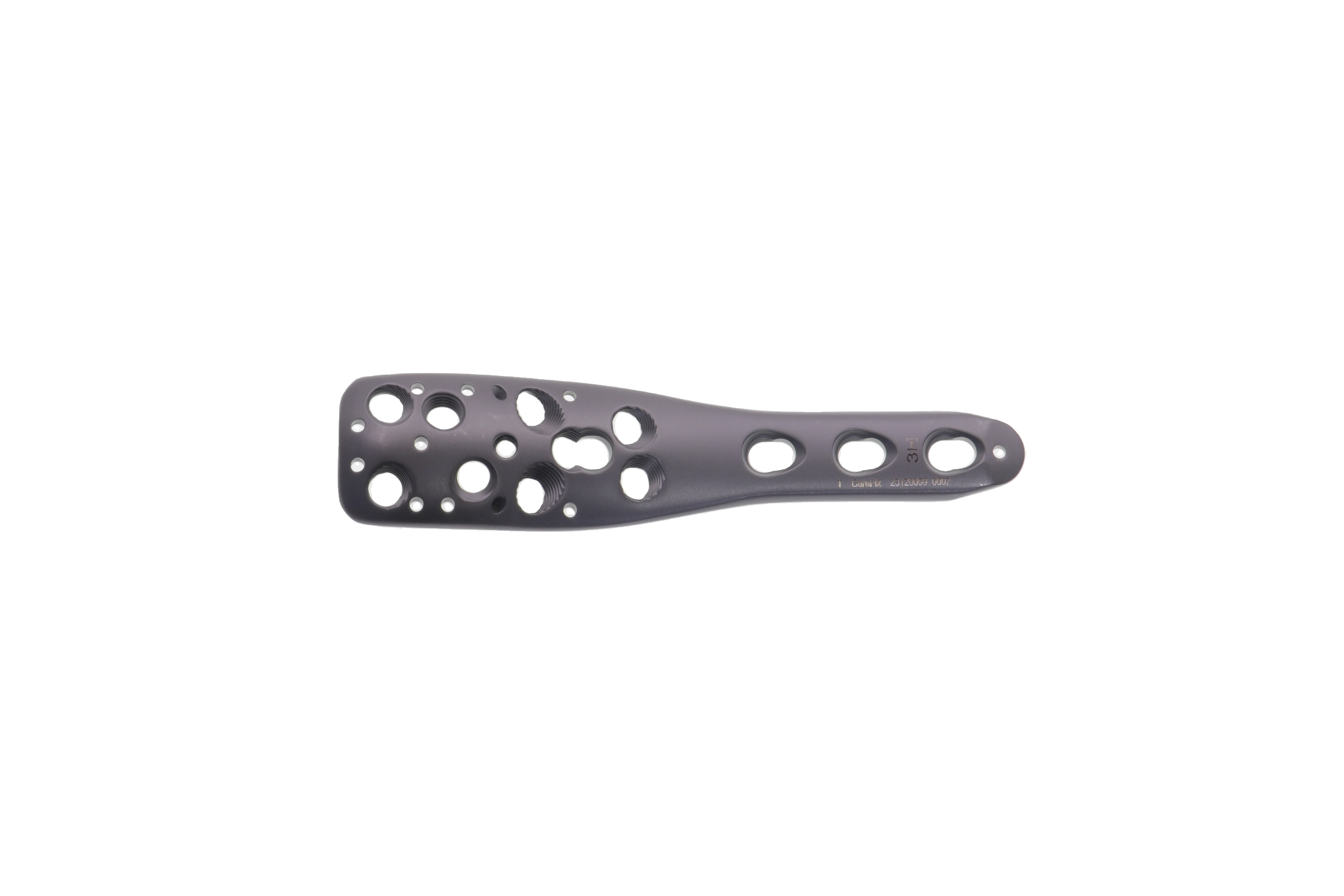
orthopedic surgical plates
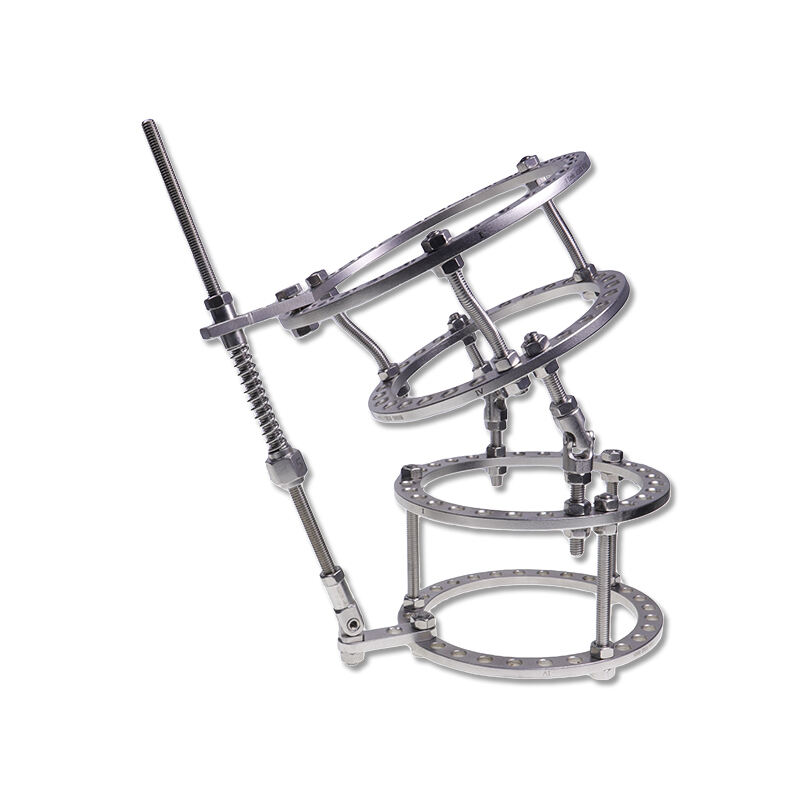
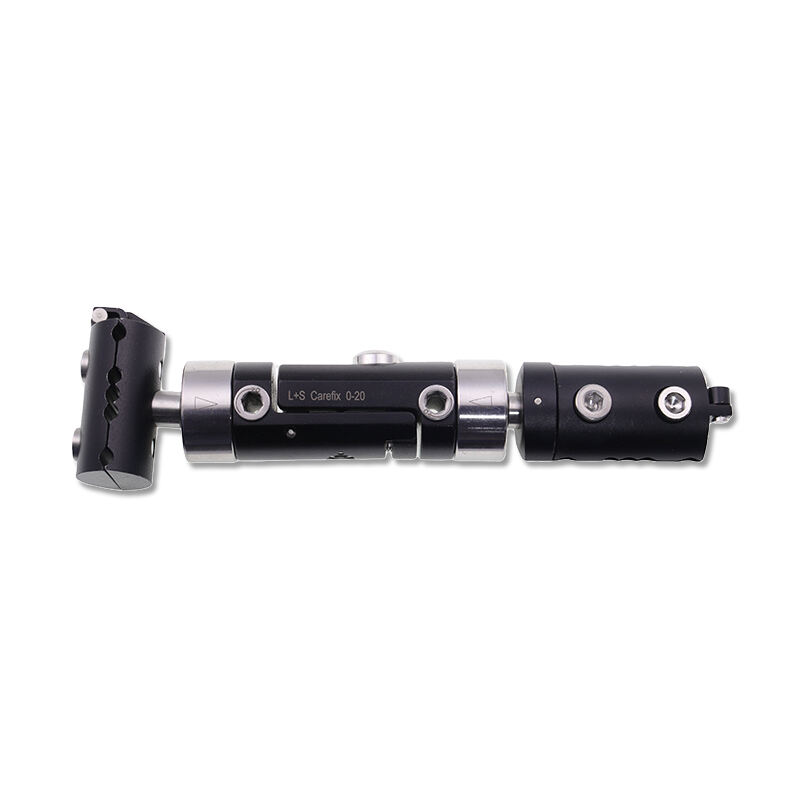
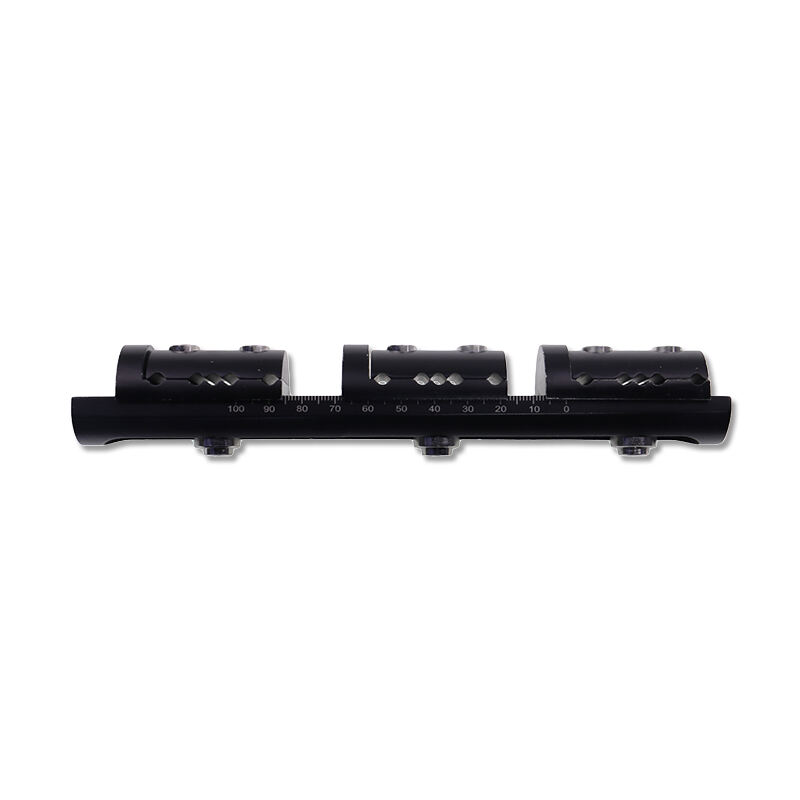
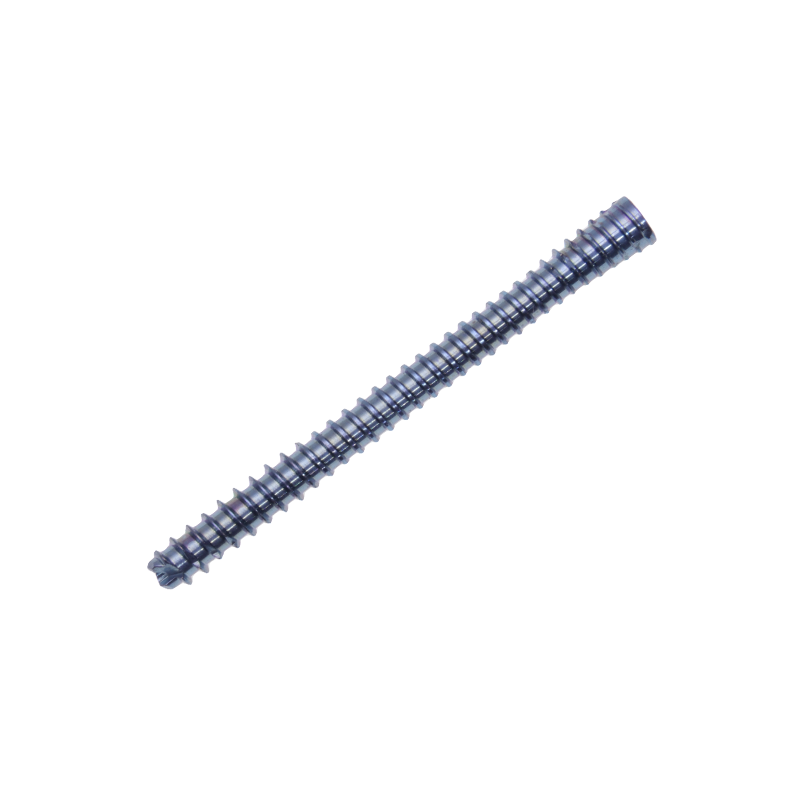
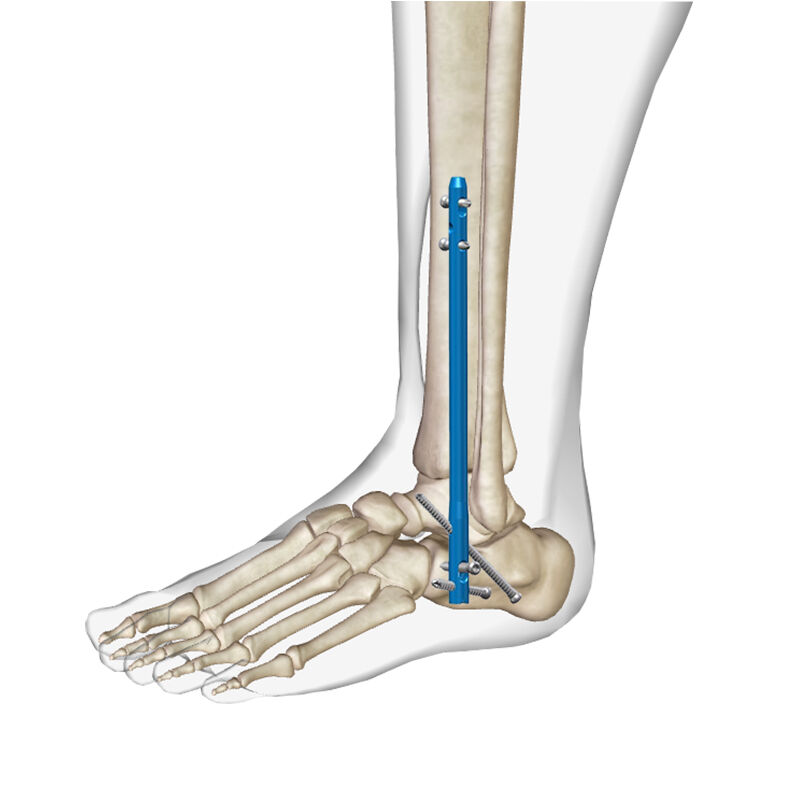
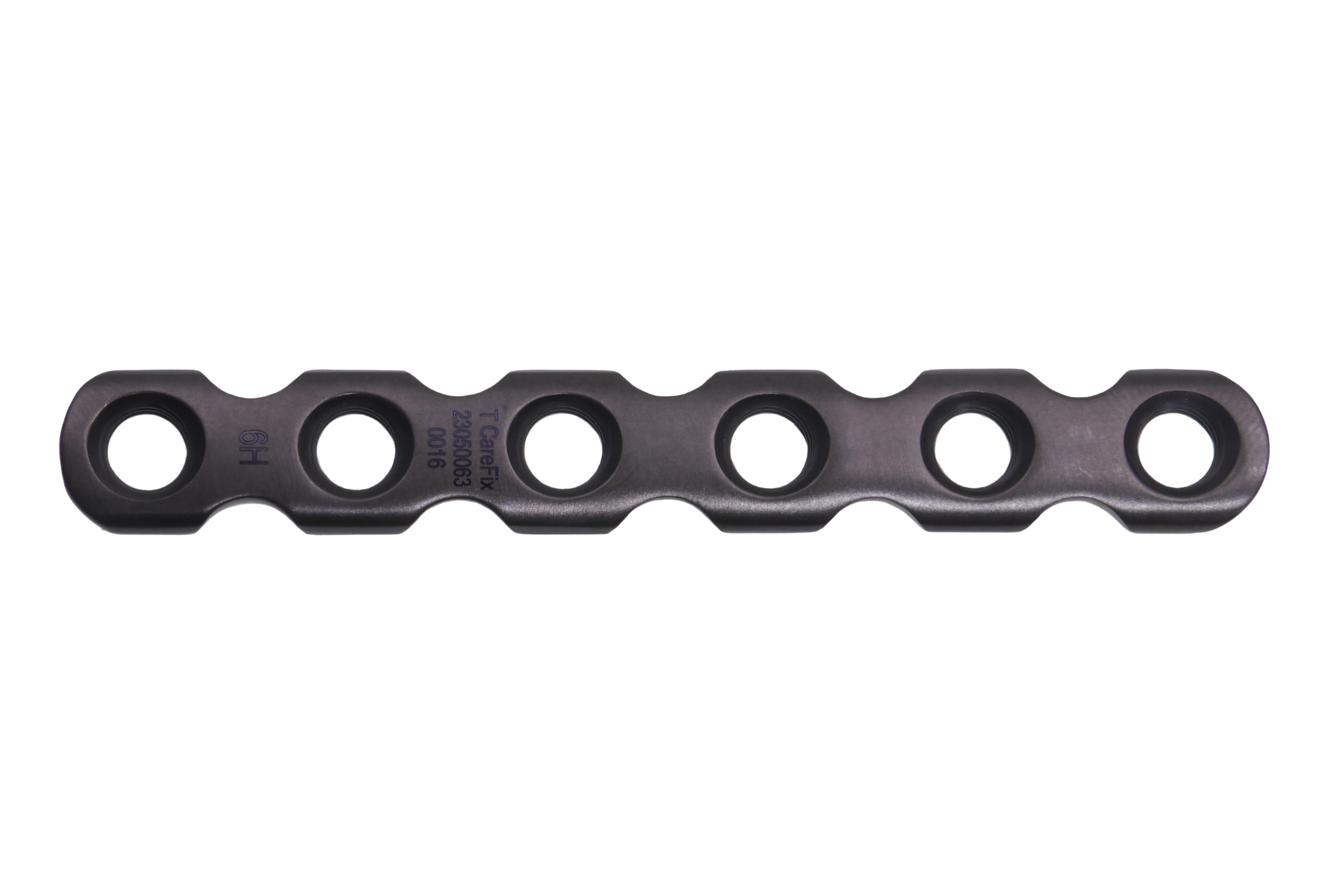
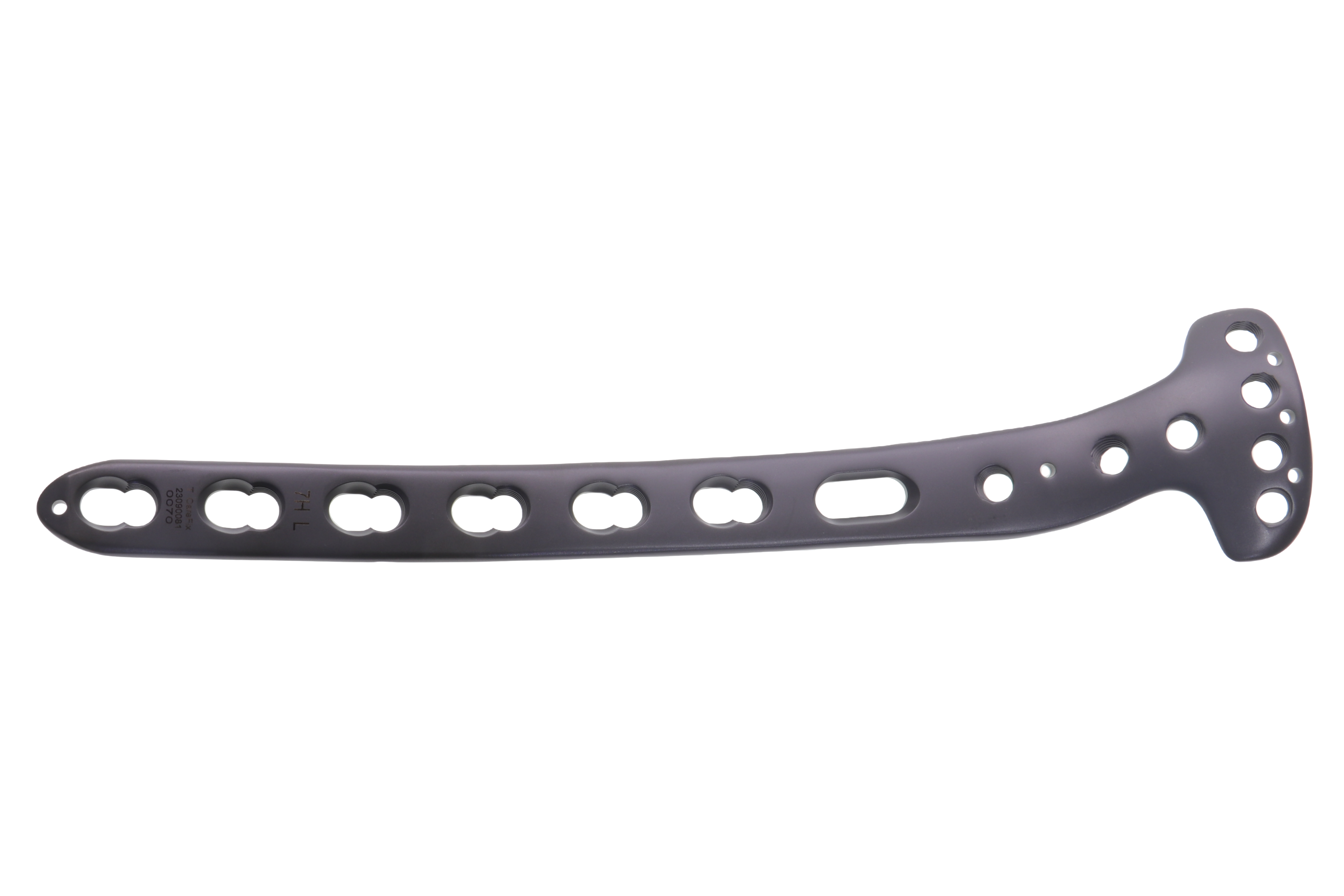
Orthopedic surgical plates are essential medical devices designed to stabilize and support fractured bones during the healing process. These precision-engineered implants serve as internal fixation systems that hold bone fragments in their correct anatomical position, enabling optimal recovery outcomes for patients with various skeletal injuries. Manufactured from biocompatible materials such as titanium alloys and stainless steel, orthopedic surgical plates provide the mechanical strength necessary to withstand physiological loads while maintaining compatibility with human tissue. The main function of these plates involves bridging fracture sites and distributing stress evenly across damaged bone structures, which accelerates natural healing mechanisms. Technological features include anatomically contoured designs that match specific bone geometries, locking screw mechanisms that create fixed-angle constructs for enhanced stability, and various thickness profiles optimized for different bone densities. Modern orthopedic surgical plates incorporate advanced surface treatments that promote osseointegration and reduce infection risks. Applications span multiple medical scenarios including trauma surgery for acute fractures, reconstructive procedures following tumor resection, corrective osteotomies for deformity alignment, and spinal fusion operations. These versatile implants address fractures in upper extremities like clavicles and radius bones, lower extremities including tibias and femurs, and specialized anatomical regions such as maxillofacial structures and pelvic bones. The selection of appropriate orthopedic surgical plates depends on fracture type, patient anatomy, bone quality, and surgical approach, making them indispensable tools in contemporary orthopedic practice for restoring patient mobility and quality of life.
 EN
EN