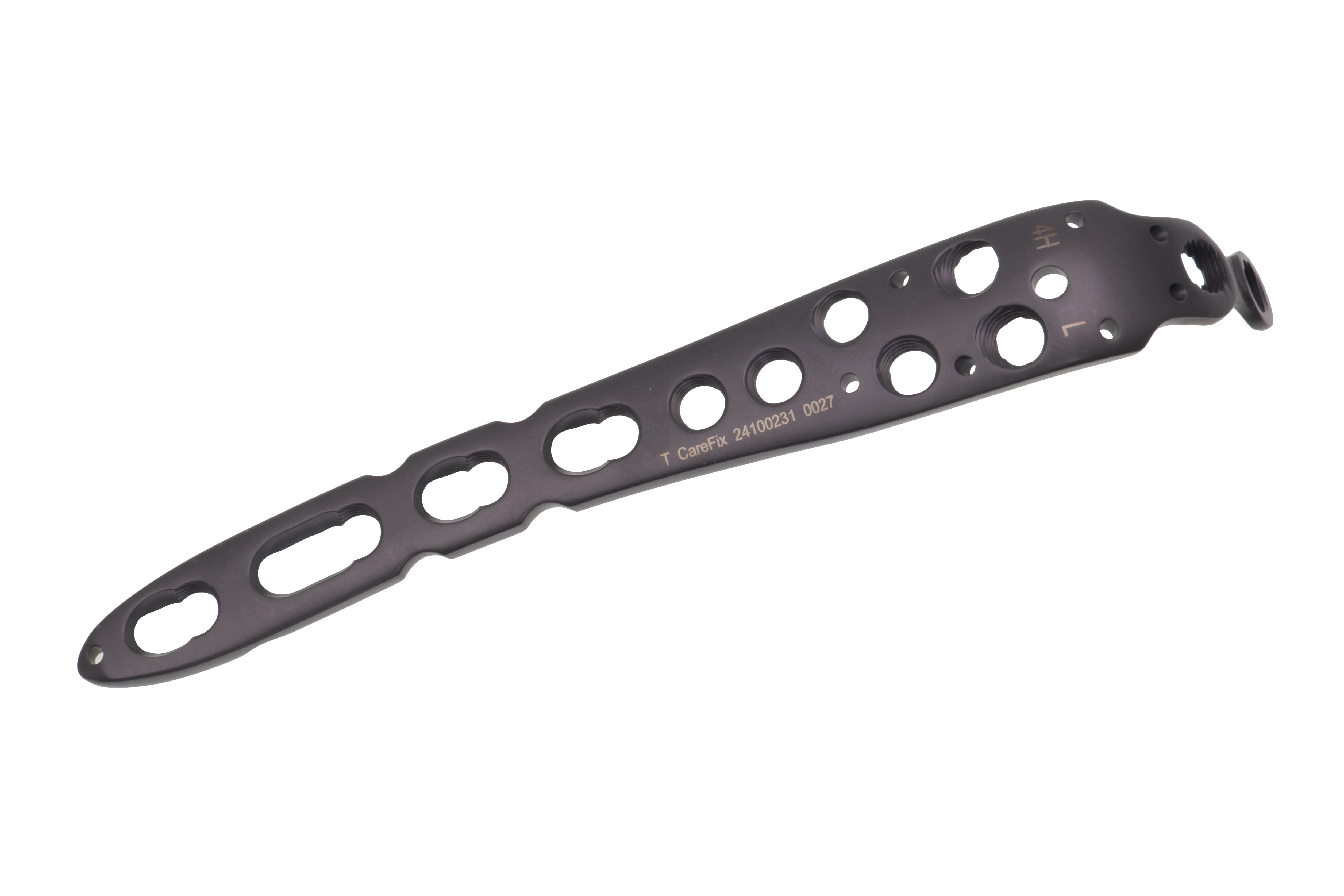
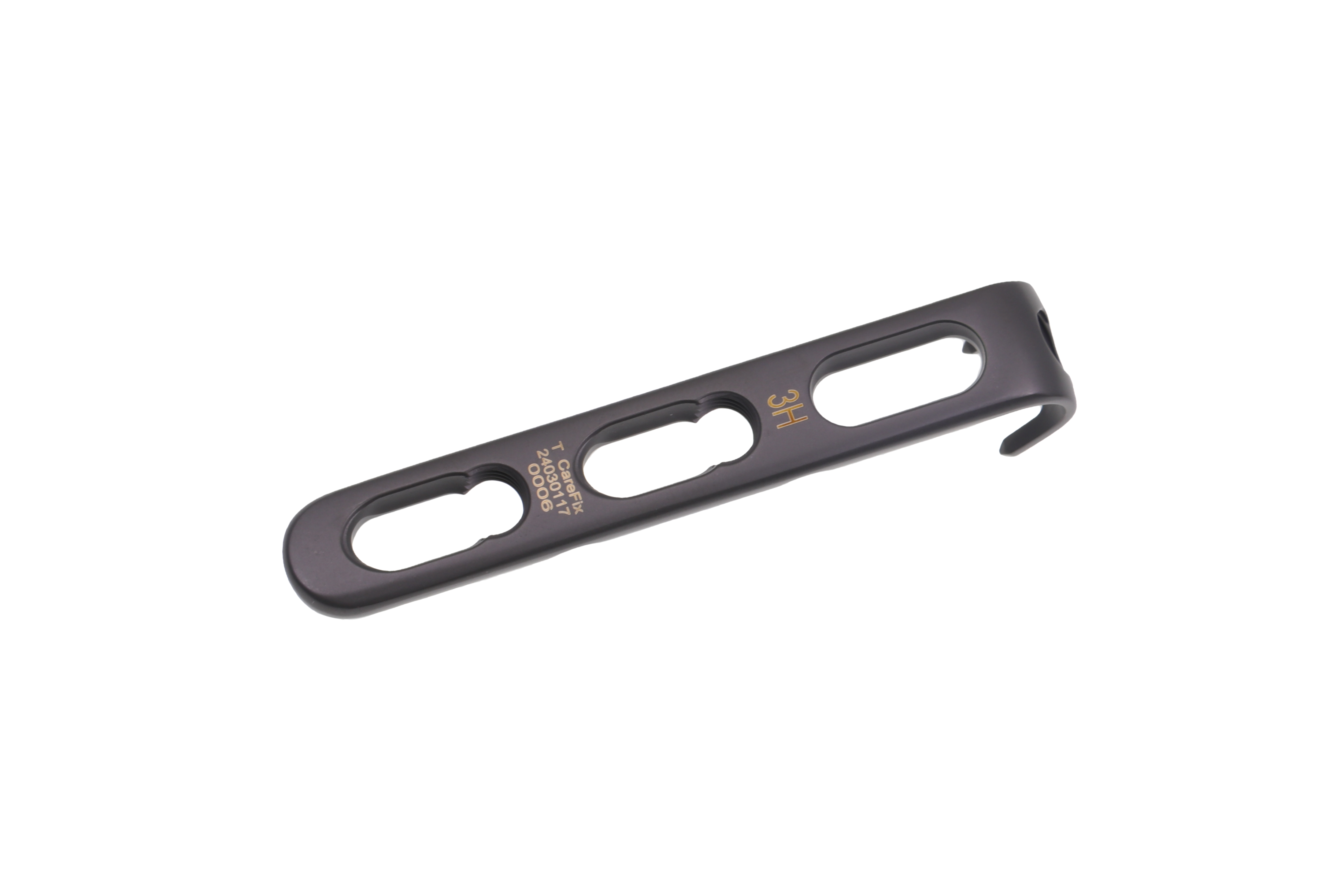
ulna plate
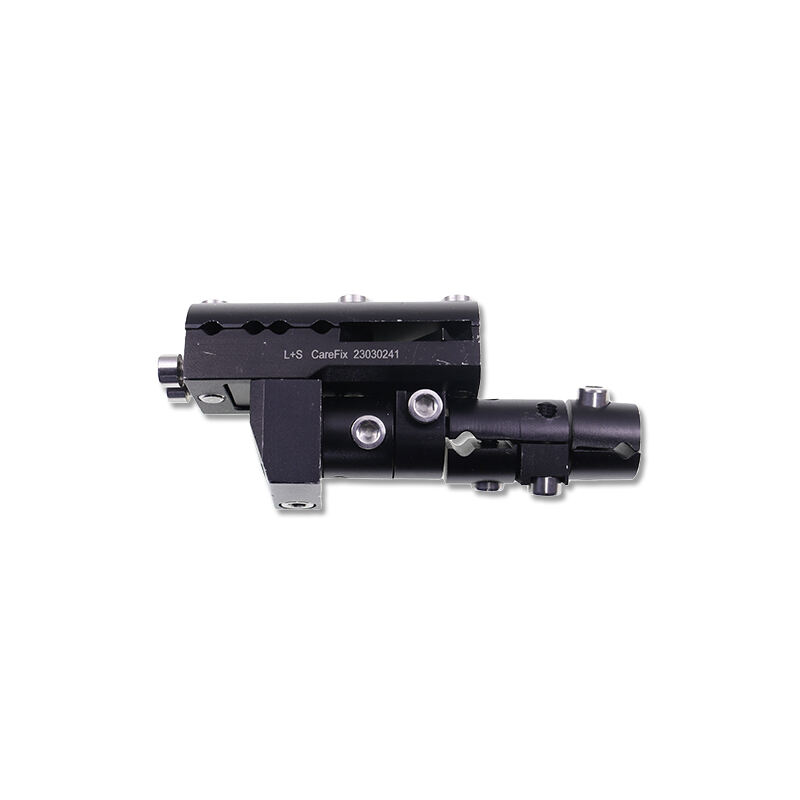
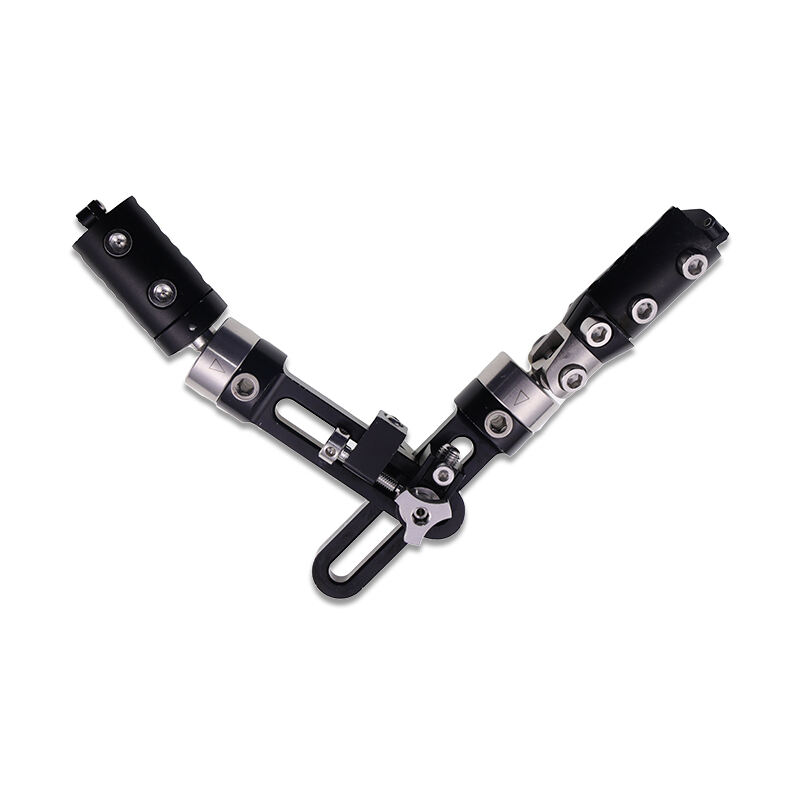
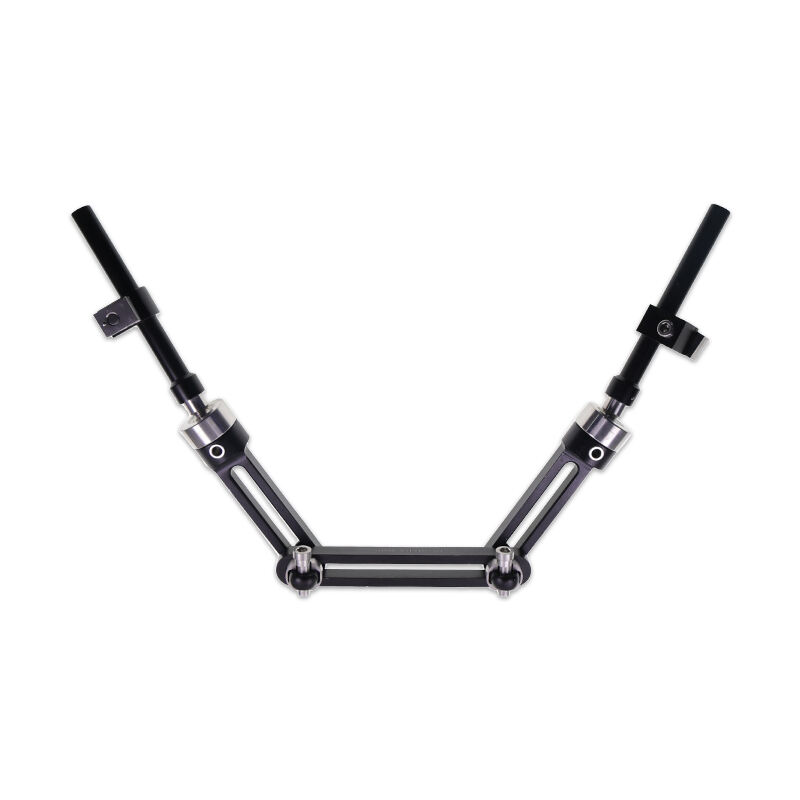
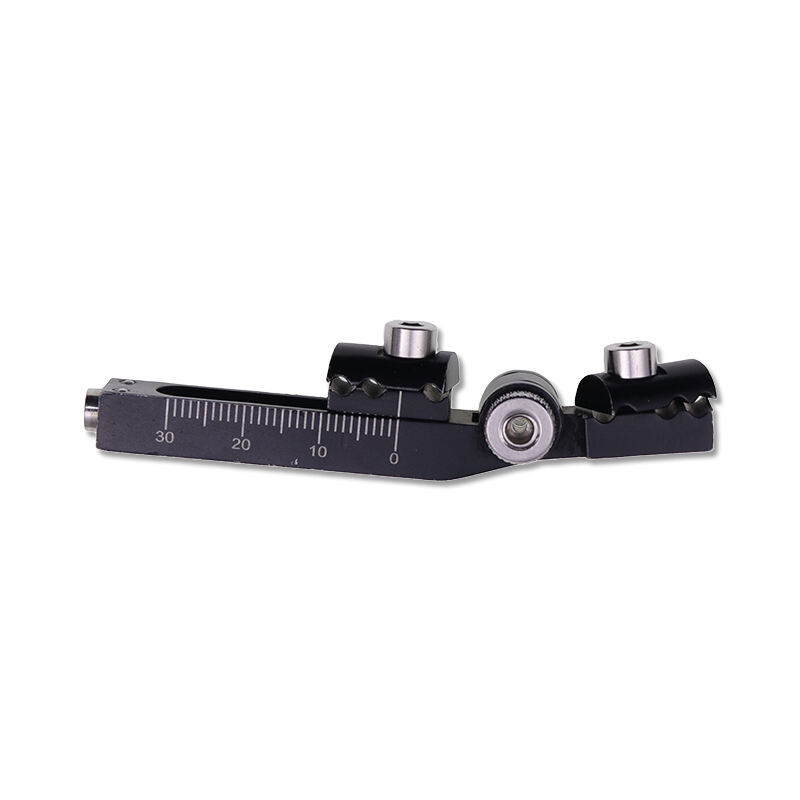
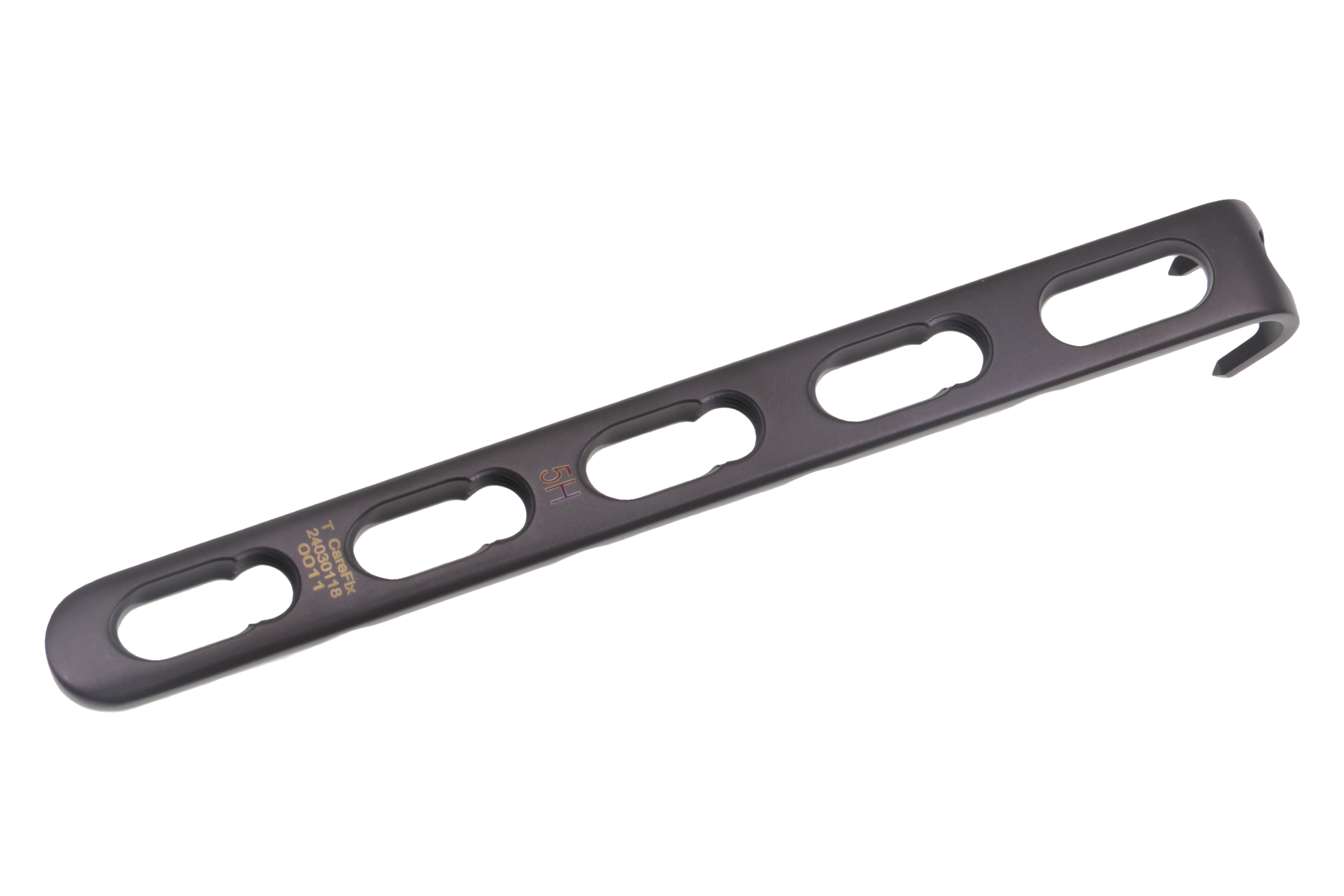
The ulna plate is a specialized orthopedic implant designed to provide stable fixation for fractures and surgical procedures involving the ulna bone in the forearm. This medical device plays a critical role in restoring anatomical alignment and promoting proper healing following traumatic injuries or corrective surgeries. Manufactured from biocompatible materials such as titanium or stainless steel, the ulna plate features a contoured design that matches the natural shape of the ulna, ensuring optimal contact with the bone surface. The plate includes multiple screw holes strategically positioned along its length, allowing surgeons to secure the implant firmly to the bone fragments. Advanced engineering techniques create a balance between strength and flexibility, enabling the ulna plate to withstand physiological loads while supporting bone regeneration. The ulna plate serves essential functions in fracture management, including providing mechanical stability, maintaining proper bone alignment, and allowing early mobilization of the forearm. Technological features include anatomically pre-contoured profiles, locking screw technology for enhanced stability, and low-profile designs that minimize soft tissue irritation. Applications span various clinical scenarios, from simple transverse fractures to complex comminuted injuries requiring comprehensive fixation. Surgeons utilize the ulna plate in trauma cases, reconstructive procedures, and corrective osteotomies. The versatility of this implant makes it indispensable in modern orthopedic practice, addressing diverse patient needs and contributing to improved functional outcomes in forearm fracture management.
 EN
EN