Orthopaedic Plate Solutions for Bone Fixation

Get a Free Quote

Our representative will contact you soon.
Email
Name
Company Name
Message
0/1000

orthopaedic plate

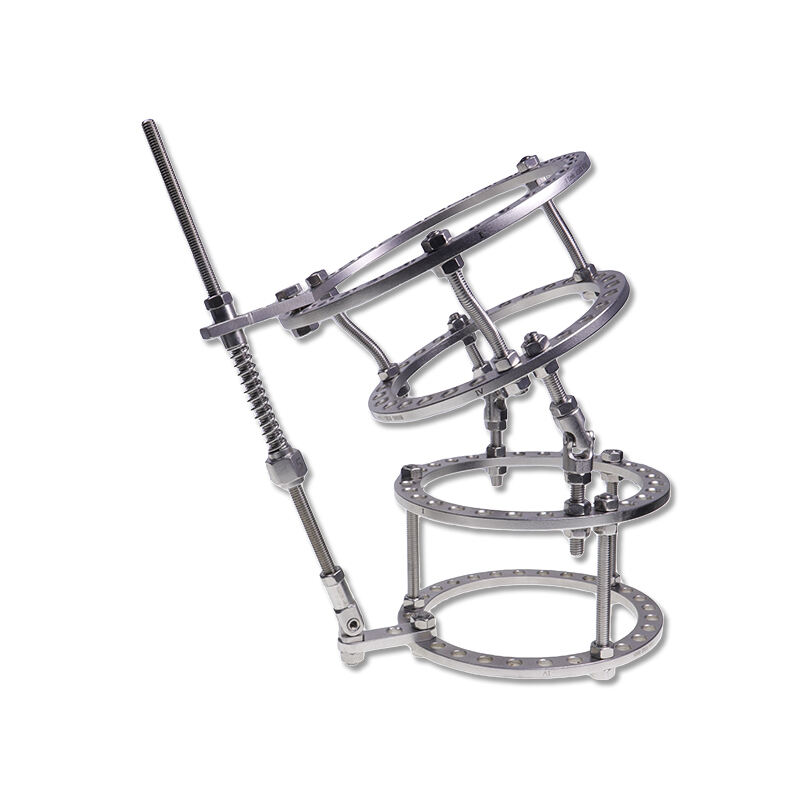
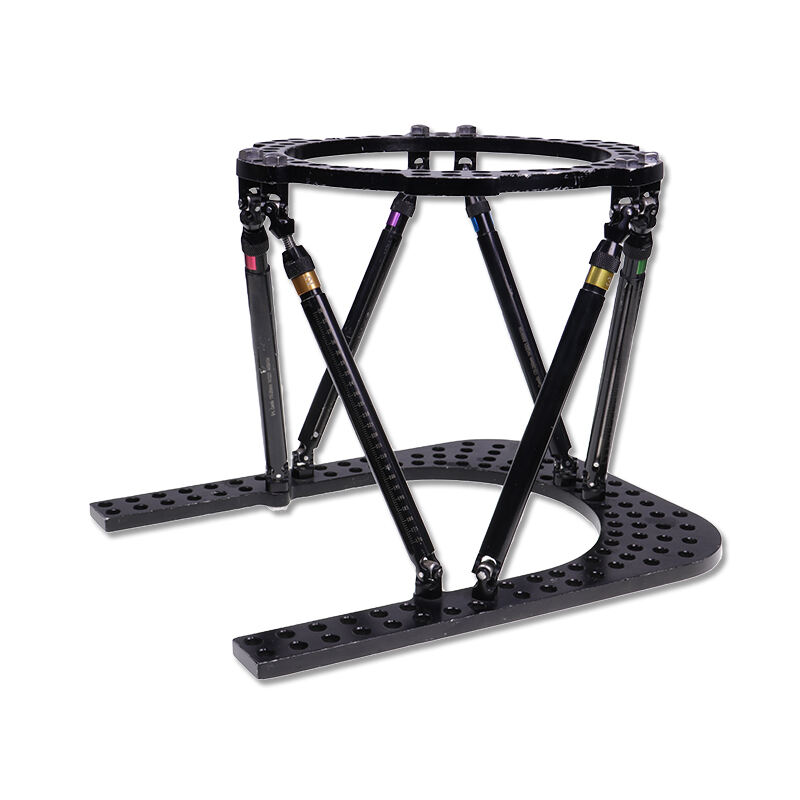
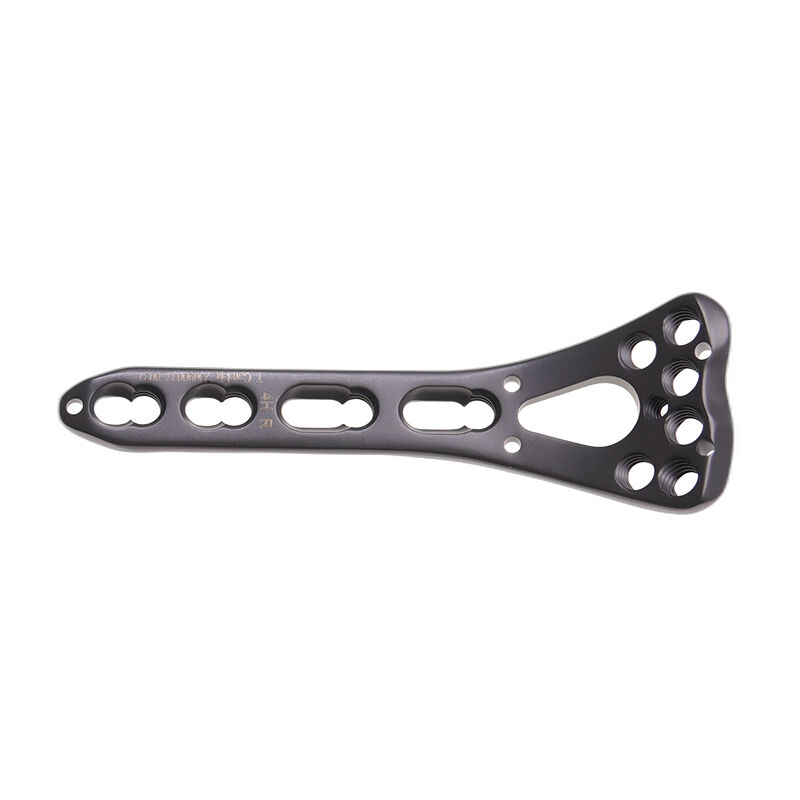
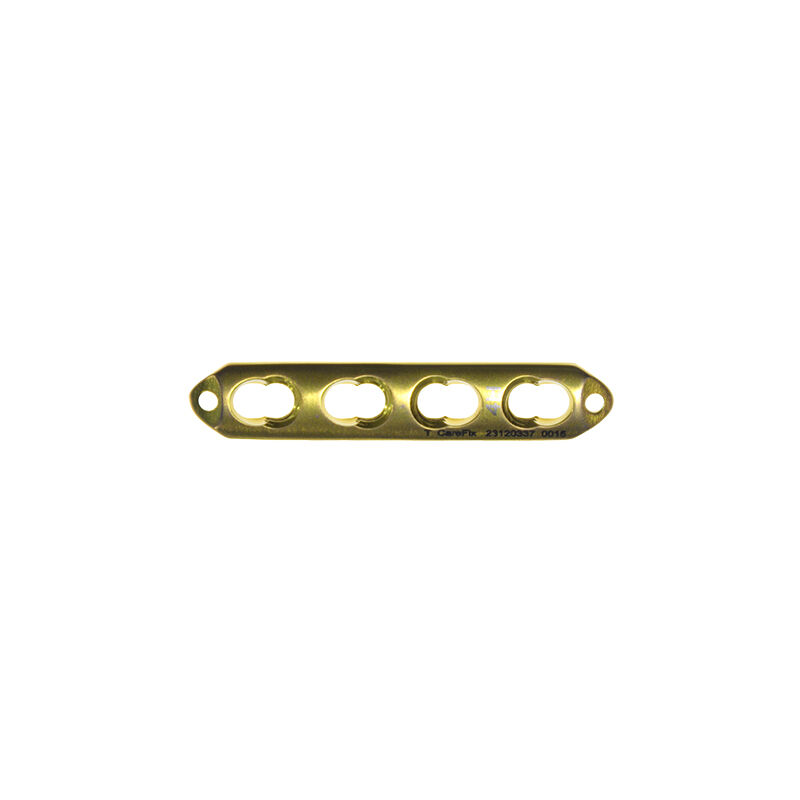
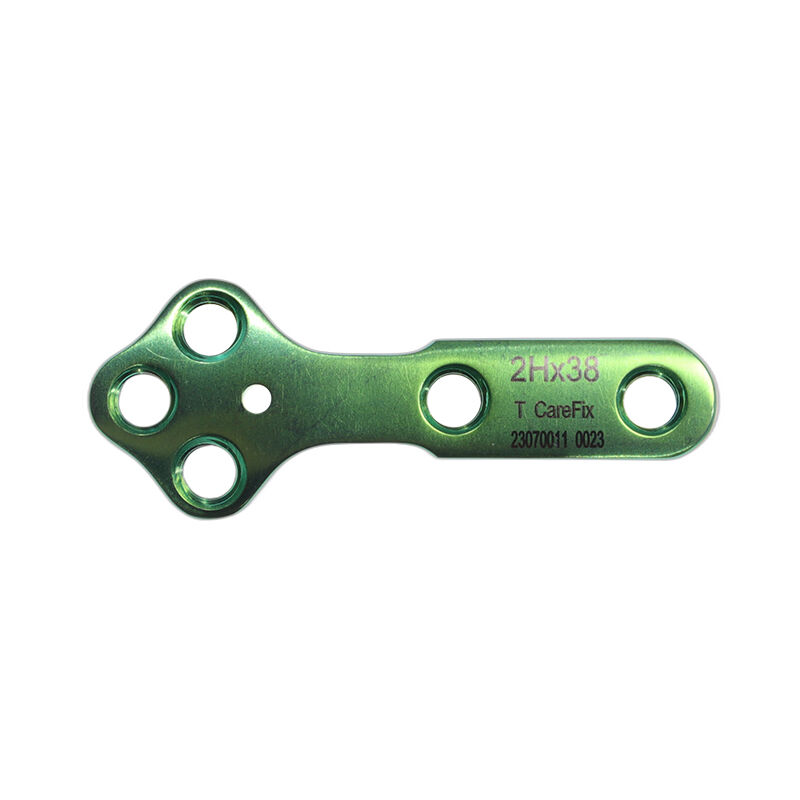
An orthopaedic plate is a specialized medical device designed to stabilize and support fractured or damaged bones during the healing process. These precisely engineered implants are manufactured from biocompatible materials such as titanium alloys or stainless steel, ensuring safe integration with human bone tissue. The orthopaedic plate serves as an internal fixation system that holds bone fragments in proper alignment, allowing natural bone regeneration while maintaining structural integrity. Modern orthopaedic plates feature anatomically contoured designs that conform to specific bone shapes, providing optimal contact and stability. These devices incorporate strategically positioned screw holes that enable surgeons to secure the plate firmly to the bone using medical-grade screws. The primary function of an orthopaedic plate is to redistribute mechanical stress across the fracture site, protecting the healing bone from excessive load while permitting controlled weight-bearing activity. Technological advancements have introduced locking screw mechanisms that create fixed-angle constructs, enhancing stability in complex fractures and osteoporotic bone conditions. These plates are available in various configurations including straight, curved, and specially shaped designs to accommodate different anatomical locations such as long bones, joints, and craniofacial structures. Surgeons select appropriate orthopaedic plate systems based on fracture pattern, bone quality, patient activity level, and specific anatomical requirements. Applications span trauma surgery, reconstructive procedures, corrective osteotomies, and bone deformity corrections across diverse patient populations from pediatric to geriatric cases.

New Product Recommendations

The orthopaedic plate delivers substantial value by enabling faster patient recovery and reducing hospitalization time compared to traditional external fixation methods. Patients benefit from improved comfort as internal fixation eliminates bulky external frames, allowing greater mobility during the healing phase. The rigid stabilization provided by an orthopaedic plate promotes optimal bone healing by maintaining precise fragment alignment, which directly translates to better functional outcomes and reduced risk of malunion or nonunion complications. From an operational perspective, these devices facilitate early rehabilitation protocols, enabling patients to resume daily activities sooner and reducing the overall economic burden of prolonged disability. The biocompatible materials used in orthopaedic plate manufacturing minimize adverse tissue reactions, ensuring safe long-term implantation when removal is not required. Surgeons appreciate the versatility of modern orthopaedic plate systems, which offer comprehensive solutions for simple to complex fracture patterns across multiple anatomical regions. The low-profile design of contemporary plates reduces soft tissue irritation and improves cosmetic outcomes, addressing patient concerns about visible hardware. Decision-makers in healthcare facilities recognize that investing in quality orthopaedic plate technology leads to improved patient satisfaction scores and reduced complication rates. The proven track record of these devices across millions of successful procedures worldwide provides confidence in their reliability and effectiveness. Application suitability extends beyond trauma cases to include planned surgical procedures such as joint fusion, limb lengthening, and corrective bone surgery. The ability to customize plate selection based on individual patient anatomy ensures personalized treatment approaches that optimize clinical results while accommodating diverse patient needs and conditions.

Practical Tips

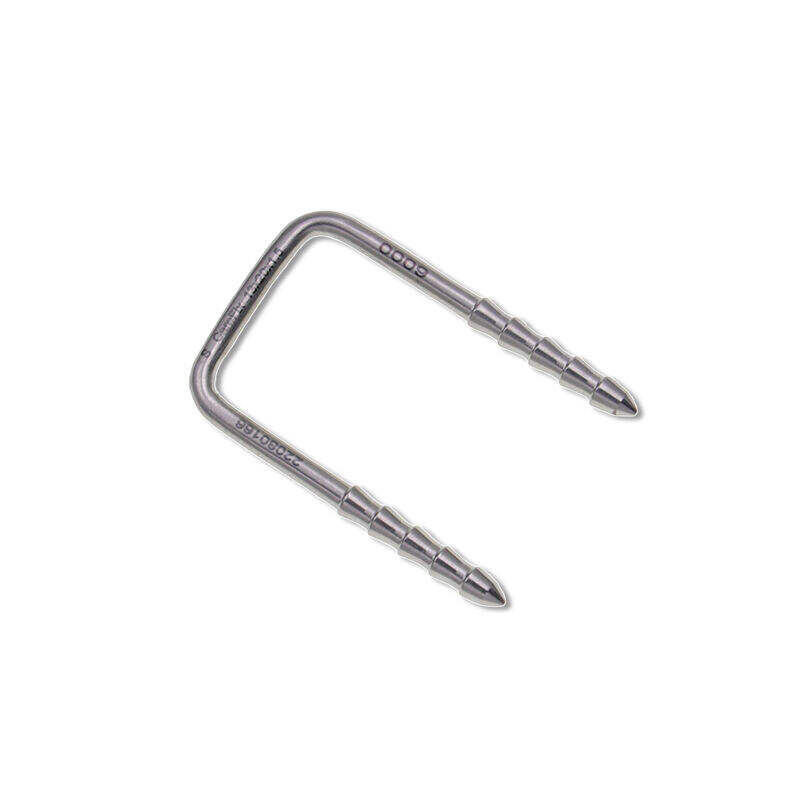
U-shaped nail: technical advantage of ankle surgery

13

Jan

U-shaped nail: technical advantage of ankle surgery

Modern orthopedic surgery has witnessed remarkable advancement in fixation techniques, particularly in the treatment of complex ankle and distal tibial fractures. The distal tibial interlocking intramedullary nail represents a significant breakthroug...
View More
Evolution of Intervertebral Fusion Device Materials: Clinical Efficacy Comparison between PEEK and Titanium Alloy

13

Jan

Evolution of Intervertebral Fusion Device Materials: Clinical Efficacy Comparison between PEEK and Titanium Alloy

The advancement of spinal surgery has been significantly influenced by the development of sophisticated intervertebral fusion device technologies. Modern spine surgeons rely heavily on these devices to achieve successful fusion outcomes while minimiz...
View More
Finite Element Optimization Design and Biomechanical Validation of Personalized IM Nails

11

Feb

Finite Element Optimization Design and Biomechanical Validation of Personalized IM Nails

The evolution of orthopedic trauma surgery has reached a pivotal moment with the emergence of personalized IM nails that revolutionize fracture treatment approaches. Advanced computational modeling and finite element analysis have enabled surgeons to...
View More
Distal radial volar locking plate: refined design enhances the success rate of fracture fixation

06

Mar

Distal radial volar locking plate: refined design enhances the success rate of fracture fixation

The treatment of distal radius fractures has undergone significant evolution in recent decades, with the distal radial volar locking plate emerging as a cornerstone technology in modern orthopedic practice. These innovative implants represent a parad...
View More

Get a Free Quote

Our representative will contact you soon.
Email
Name
Company Name
Message
0/1000

orthopaedic plate

Advanced Locking Technology for Superior Stability

Advanced Locking Technology for Superior Stability

Modern orthopaedic plate systems incorporate innovative locking screw technology that fundamentally transforms fracture fixation capabilities. Unlike conventional plates that rely solely on compression between the plate and bone, locking mechanisms create a fixed-angle construct where screws thread directly into the plate itself. This engineering advancement generates an internally stable construct that functions as a single integrated unit, distributing forces more evenly across the entire orthopaedic plate structure. The locking feature proves particularly valuable in challenging clinical scenarios including osteoporotic bone, comminuted fractures with multiple fragments, and periarticular fractures near joints where bone quality may be compromised. Surgeons gain significant advantages from this technology as it reduces dependence on bone quality for stability, eliminates the risk of screw loosening through friction alone, and minimizes the need for precise plate contouring. Patients experience enhanced outcomes through more predictable healing, reduced hardware failure rates, and improved ability to withstand physiological loads during the recovery period. This technological innovation has expanded treatment possibilities for previously difficult fracture patterns and patient populations who would have faced limited surgical options with conventional fixation methods.
Anatomically Contoured Design for Optimal Fit

Anatomically Contoured Design for Optimal Fit

The anatomically contoured configuration of contemporary orthopaedic plate systems represents a significant advancement in personalized fracture care. Manufacturers utilize advanced imaging data and biomechanical research to develop plates that precisely match the natural curvature and geometry of specific bones throughout the human skeleton. This precise anatomical matching ensures that the orthopaedic plate sits flush against the bone surface, maximizing contact area and stability while minimizing gaps that could compromise fixation strength. The pre-contoured design dramatically reduces surgical time as surgeons require minimal intraoperative bending or modification, leading to shorter anesthesia duration and reduced surgical trauma. Patients benefit from this precision engineering through decreased soft tissue irritation, lower infection risk due to reduced dead space, and improved aesthetic outcomes with less prominent hardware under the skin. The comprehensive range of anatomically specific plates addresses diverse skeletal locations including distal radius, proximal humerus, femoral shaft, tibial plateau, and numerous other sites throughout the appendicular and axial skeleton. This specialization ensures that each fracture receives optimal biomechanical support tailored to the unique loading conditions and healing requirements of that particular anatomical region, ultimately translating to superior functional recovery and patient satisfaction.
Biocompatible Materials for Safe Long-Term Use

Biocompatible Materials for Safe Long-Term Use

The selection of premium biocompatible materials in orthopaedic plate manufacturing ensures exceptional safety profiles for long-term implantation within the human body. Titanium alloys represent the gold standard material choice, offering an ideal combination of high strength-to-weight ratio, excellent corrosion resistance, and superior tissue compatibility that minimizes inflammatory responses. The biocompatibility of these materials means the orthopaedic plate integrates harmoniously with surrounding bone and soft tissues without triggering adverse immune reactions or toxic effects. Medical-grade stainless steel alternatives provide robust mechanical properties for high-load applications while maintaining cost-effectiveness for healthcare systems. The surface treatments applied to modern plates further enhance osseointegration, allowing bone cells to grow directly adjacent to the implant surface and creating a stable biological interface. Patients appreciate that these materials are MRI-compatible in most cases, permitting diagnostic imaging throughout their lives without interference from the implanted orthopaedic plate. The proven longevity of these materials means that when permanent fixation is appropriate, the hardware can remain in place indefinitely without degradation or failure. For cases requiring eventual removal, the inert nature of these materials ensures that extraction procedures remain straightforward without complex tissue adhesion issues, providing flexible treatment options based on individual patient needs and preferences.
logo