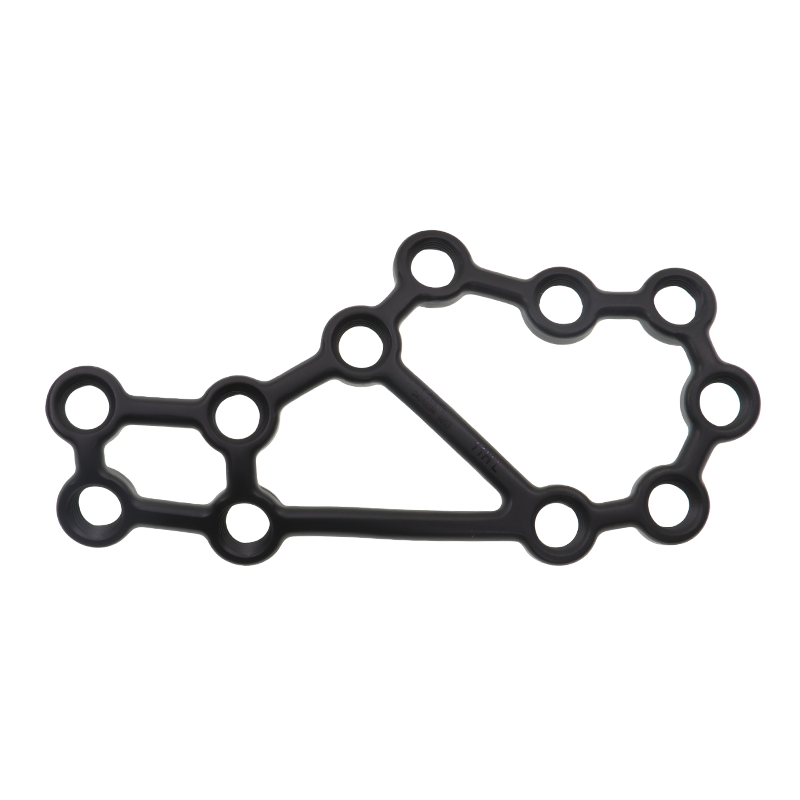
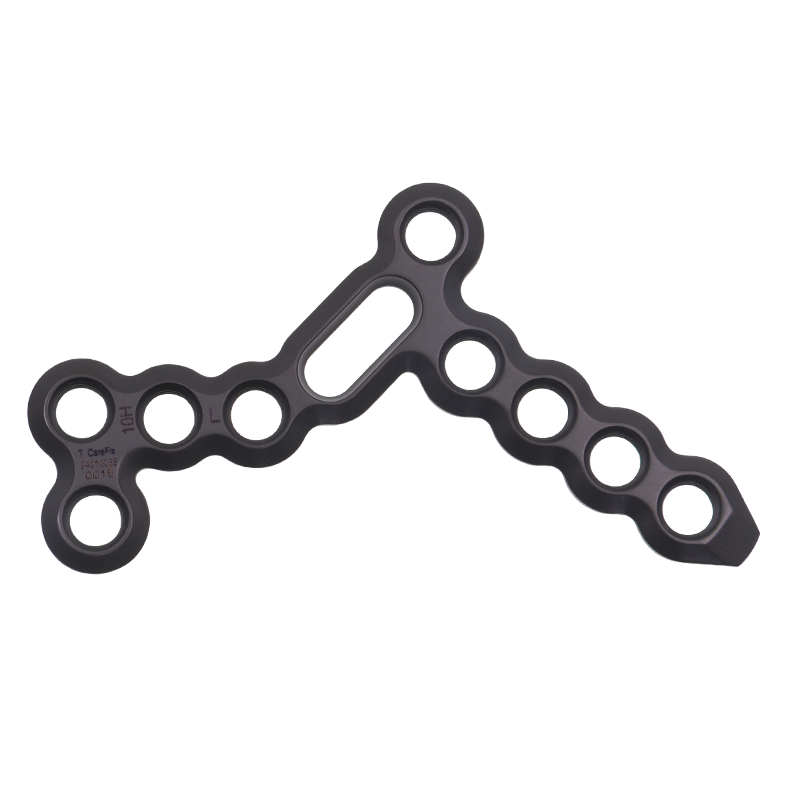
Calcaneus Plate Solutions for Heel Fractures

Get a Free Quote

Our representative will contact you soon.
Email
Name
Company Name
Message
0/1000

calcaneus plate

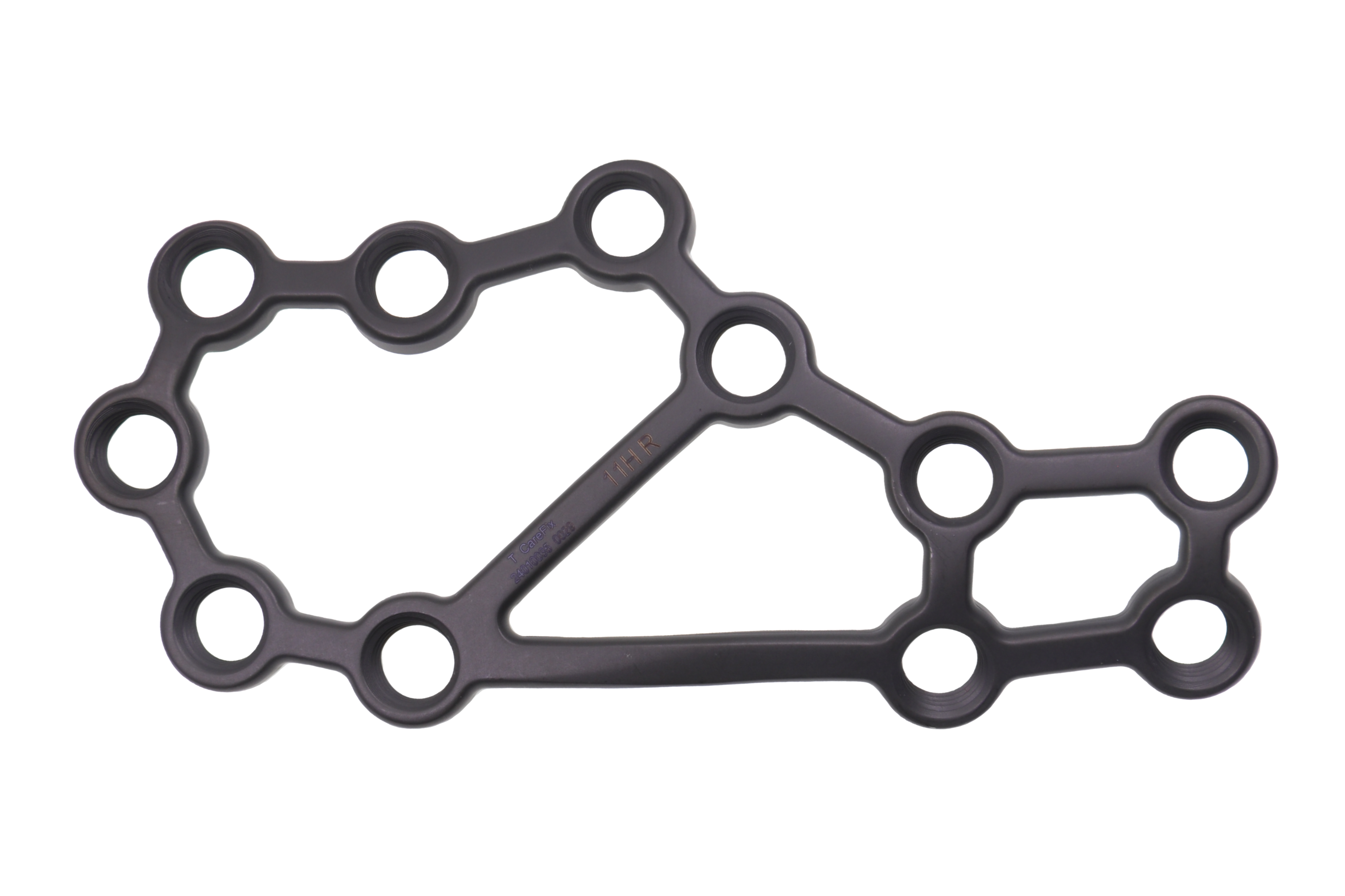
The calcaneus plate is a specialized orthopedic implant designed for the surgical treatment of calcaneal fractures, which affect the heel bone. This medical device serves as a crucial solution for stabilizing and reconstructing the calcaneus after traumatic injuries, ensuring proper bone alignment during the healing process. The calcaneus plate is engineered with anatomically contoured designs that match the complex three-dimensional structure of the heel bone, providing surgeons with reliable fixation options for various fracture patterns. Manufactured from biocompatible materials such as titanium or stainless steel alloys, this implant offers excellent strength-to-weight ratios and corrosion resistance. The primary function of the calcaneus plate involves restoring the height, width, and alignment of the calcaneus while maintaining the critical Bohler's and Gissane's angles that are essential for normal foot biomechanics. Technological features include multiple screw holes for polyaxial locking options, low-profile designs to minimize soft tissue irritation, and pre-contoured shapes that reduce intraoperative bending time. The calcaneus plate finds applications in treating intra-articular and extra-articular fractures, comminuted fractures, and malunions of the heel bone. Clinical applications extend to trauma surgery centers, orthopedic hospitals, and specialized foot and ankle surgical practices. The implant's versatility allows surgeons to address various patient anatomies and fracture complexities, contributing to improved functional outcomes and faster return to weight-bearing activities for patients recovering from calcaneal injuries.

Popular Products

Choosing the right calcaneus plate brings significant practical benefits that directly impact patient recovery and surgical outcomes. This orthopedic solution delivers exceptional stability during the critical healing phase, which means patients can progress through rehabilitation more confidently and potentially return to daily activities sooner. The anatomically pre-contoured design saves valuable time in the operating room, reducing surgical duration and minimizing patient exposure to anesthesia, which translates to lower overall procedural risks and costs. For medical facilities, this efficiency improvement means better resource utilization and increased surgical throughput. The low-profile construction of modern calcaneus plate systems reduces the likelihood of soft tissue complications, wound healing problems, and patient discomfort after surgery. This design consideration directly addresses one of the most common concerns in calcaneal fracture treatment, offering better cosmetic results and fewer revision surgeries. The versatility of the calcaneus plate across different fracture patterns means hospitals can maintain streamlined inventory while still addressing diverse patient needs, improving supply chain management and reducing storage costs. Multiple fixation options through polyaxial locking mechanisms give surgeons greater flexibility to customize treatment based on individual bone quality and fracture characteristics, leading to more personalized care. The biocompatible materials used in calcaneus plate manufacturing ensure long-term compatibility with human tissue, minimizing rejection risks and supporting successful bone integration. For healthcare decision-makers, investing in quality calcaneus plate systems represents a commitment to evidence-based treatment protocols that have demonstrated superior functional outcomes in clinical studies. Patients benefit from restored heel anatomy, improved walking mechanics, and reduced long-term disability, while surgeons gain confidence in their ability to tackle complex calcaneal reconstructions with predictable, reproducible results.

Practical Tips

Application of carbon fiber material external fixation bracket in clinical practice

13

Jan

Application of carbon fiber material external fixation bracket in clinical practice

The integration of advanced materials in orthopedic surgery has revolutionized patient care and treatment outcomes. Among these innovations, carbon fiber external fixation systems have emerged as a superior alternative to traditional metal frameworks...
View More
HTO Locking Plate: A Precise and Stable Solution for High Knee Joint Osteotomy

13

Jan

HTO Locking Plate: A Precise and Stable Solution for High Knee Joint Osteotomy

High tibial osteotomy represents one of the most effective surgical interventions for treating knee joint disorders, particularly those involving medial compartment osteoarthritis and varus deformity correction. The success of this procedure largely ...
View More
The application advantages of modular braces in ankle fractures

11

Feb

The application advantages of modular braces in ankle fractures

Ankle fractures represent one of the most challenging orthopedic conditions, requiring precise stabilization and optimal healing conditions. Modern orthopedic treatment has evolved significantly with the introduction of advanced fixation systems, par...
View More
Cannulated screw system: Technological advancements in the treatment of ankle fractures

06

Mar

Cannulated screw system: Technological advancements in the treatment of ankle fractures

Ankle fractures represent one of the most challenging orthopedic injuries requiring precise surgical intervention and advanced fixation methods. The evolution of fracture treatment has been significantly enhanced by the introduction of modern cannula...
View More

Get a Free Quote

Our representative will contact you soon.
Email
Name
Company Name
Message
0/1000

calcaneus plate

Anatomically Optimized Design for Precise Fracture Fixation

Anatomically Optimized Design for Precise Fracture Fixation

The calcaneus plate features an anatomically optimized design that precisely matches the complex contours of the heel bone, ensuring superior fracture reduction and stabilization. This specialized contouring is developed using advanced 3D modeling based on extensive anatomical studies, allowing the implant to sit flush against the lateral wall of the calcaneus without requiring extensive intraoperative bending. The pre-shaped configuration significantly reduces surgical time while improving the accuracy of fracture reduction, which is critical for restoring the subtalar joint congruency and overall foot biomechanics. Surgeons benefit from intuitive plate positioning that follows natural bone landmarks, making the procedure more straightforward even in challenging cases involving severe comminution or osteoporotic bone. This design excellence directly translates to better maintenance of critical calcaneal parameters including heel height, width, and the essential Bohler's angle, all of which determine long-term functional outcomes. Patients experience improved weight distribution across the foot, reduced risk of post-traumatic arthritis, and better overall satisfaction with their surgical results. The anatomical design minimizes gaps between the plate and bone surface, promoting faster healing and reducing stress concentration points that could lead to hardware failure or bone resorption.
Advanced Locking Technology for Superior Stability

Advanced Locking Technology for Superior Stability

The calcaneus plate incorporates advanced locking screw technology that creates a fixed-angle construct, providing exceptional biomechanical stability that surpasses traditional compression plating methods. This locking mechanism works by threading screws directly into the plate holes, creating a unified implant-bone construct that resists toggling, loosening, and pullout even in compromised bone quality situations. For patients with osteoporosis or severe fracture comminution, this technology offers a critical advantage by distributing forces more evenly across the entire construct rather than concentrating stress at individual screw-bone interfaces. The polyaxial locking options available in modern calcaneus plate systems allow surgeons to angle screws in multiple directions, optimizing fixation in areas with limited bone stock or complex fracture geometry. This flexibility ensures that every screw achieves maximum purchase in healthy bone, enhancing overall construct rigidity. The fixed-angle stability provided by locking technology maintains fracture reduction throughout the healing process, even when patients inadvertently exceed weight-bearing restrictions. This forgiveness factor reduces the anxiety associated with early mobilization protocols and contributes to better compliance with rehabilitation programs. The robust fixation enables earlier range-of-motion exercises for the ankle and subtalar joints, preventing stiffness and promoting faster functional recovery.
Minimally Invasive Compatible Design

Minimally Invasive Compatible Design

Modern calcaneus plate systems are specifically engineered to support minimally invasive surgical techniques, representing a significant advancement in the treatment of calcaneal fractures. This compatibility allows surgeons to insert and position the implant through smaller incisions, dramatically reducing soft tissue disruption, preserving blood supply to the bone fragments, and lowering the risk of wound complications that have historically plagued open calcaneal surgery. The slim profile and specialized instrumentation designed for percutaneous or mini-open approaches mean patients experience less postoperative pain, shorter hospital stays, and more cosmetically acceptable scars. The design incorporates features such as threaded drill guides and targeting devices that enable precise screw placement even with limited direct visualization, maintaining fixation quality while maximizing soft tissue preservation. For healthcare facilities, the adoption of minimally invasive calcaneus plate techniques can reduce complication rates, lower readmission costs, and improve patient satisfaction scores. Surgeons trained in these advanced approaches can offer cutting-edge care that aligns with contemporary orthopedic principles emphasizing tissue preservation and accelerated recovery. The reduced surgical trauma associated with minimally invasive calcaneus plate application translates directly into faster wound healing, earlier weight-bearing progression, and quicker return to work for patients, addressing both clinical and socioeconomic aspects of fracture care.
logo