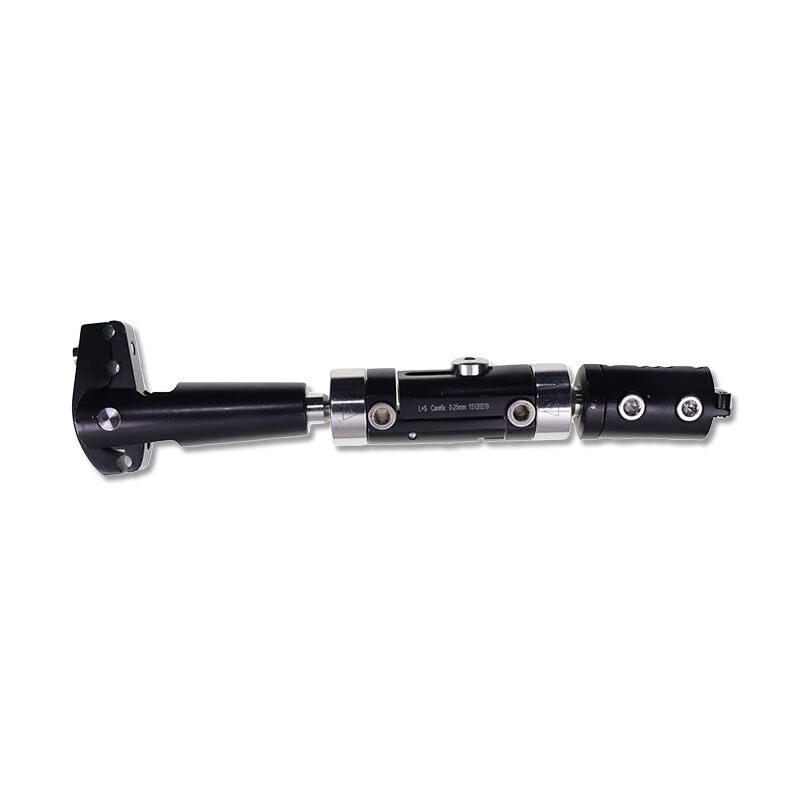
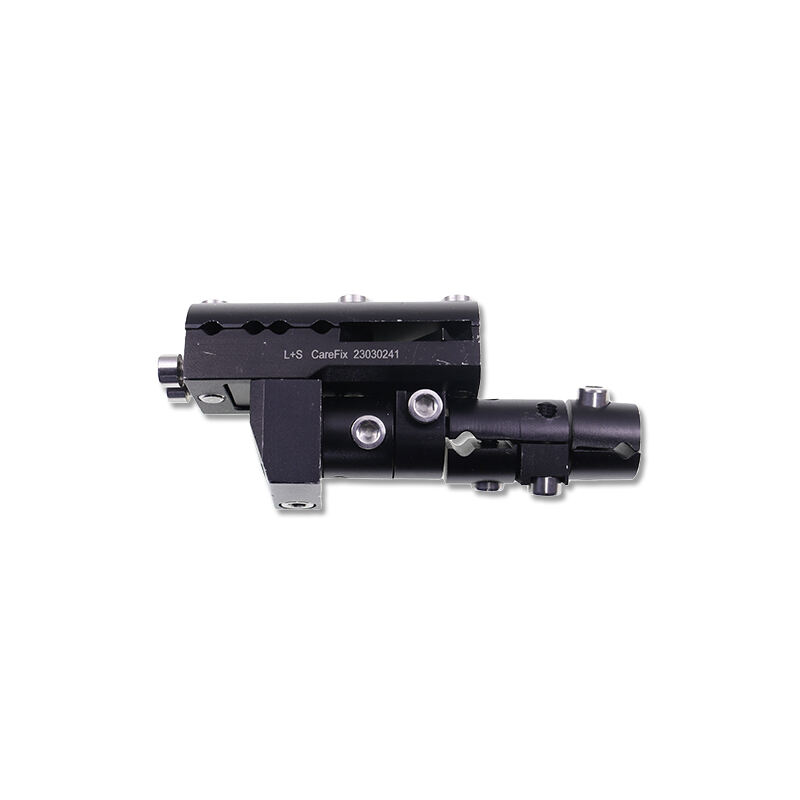
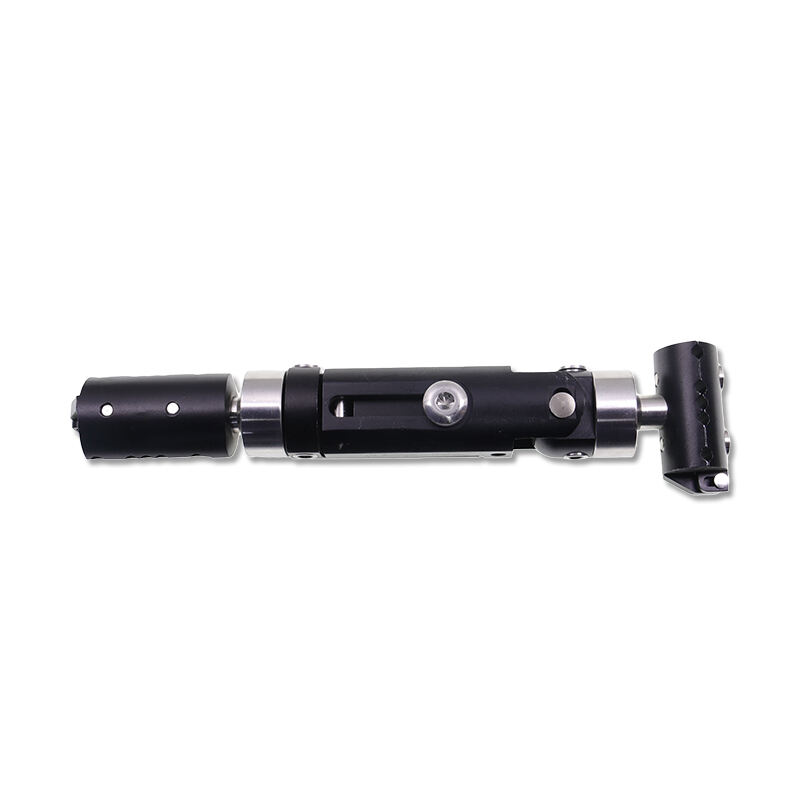
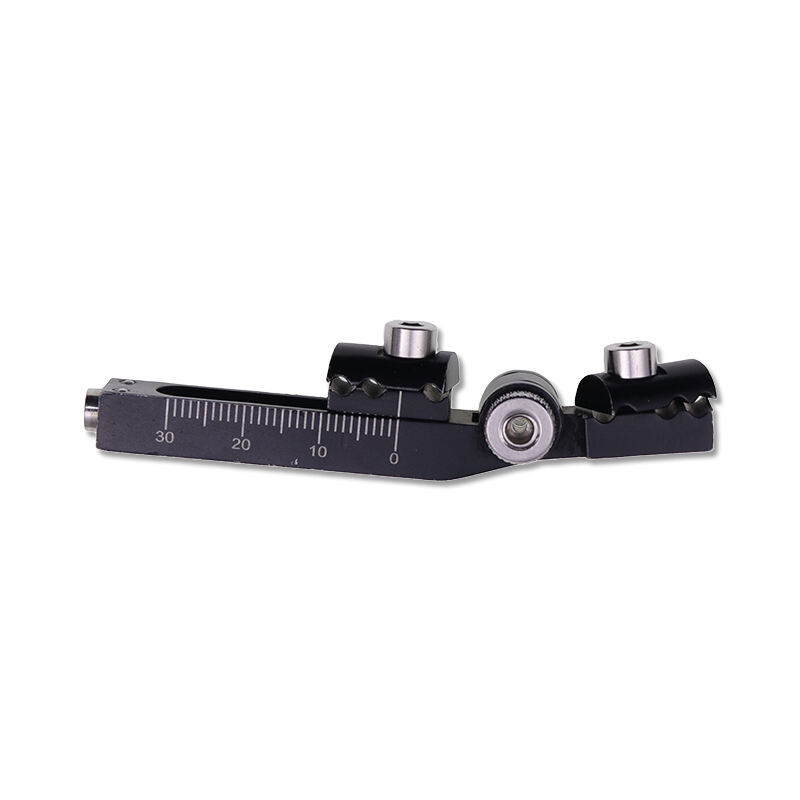
Orthopedic Bone Plates - Advanced Fixation

Get a Free Quote

Our representative will contact you soon.
Email
Name
Company Name
Message
0/1000

orthopedic bone plates

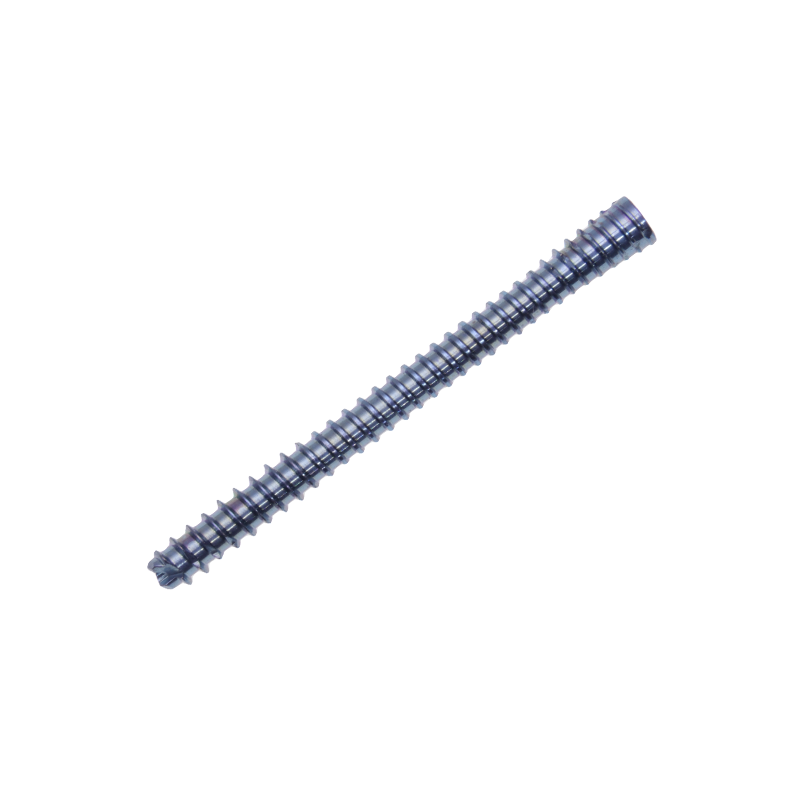
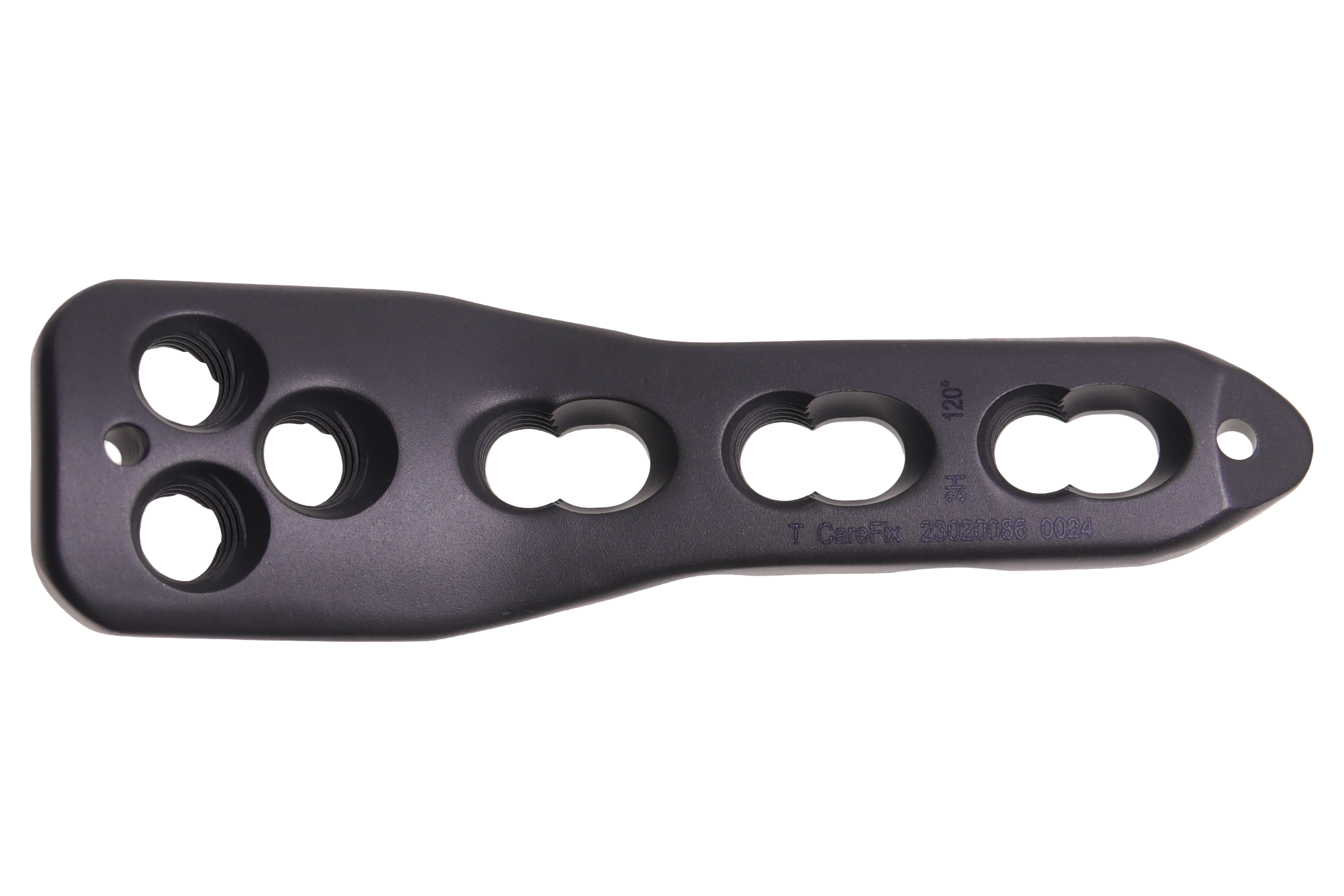
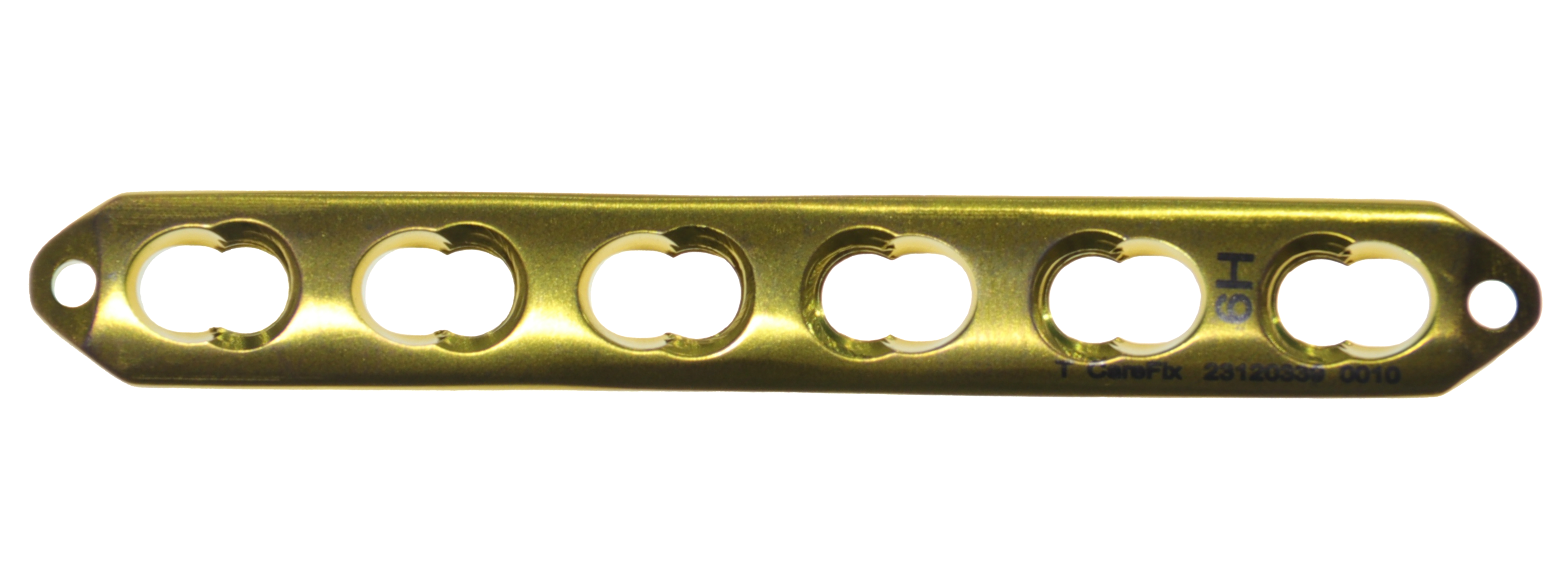
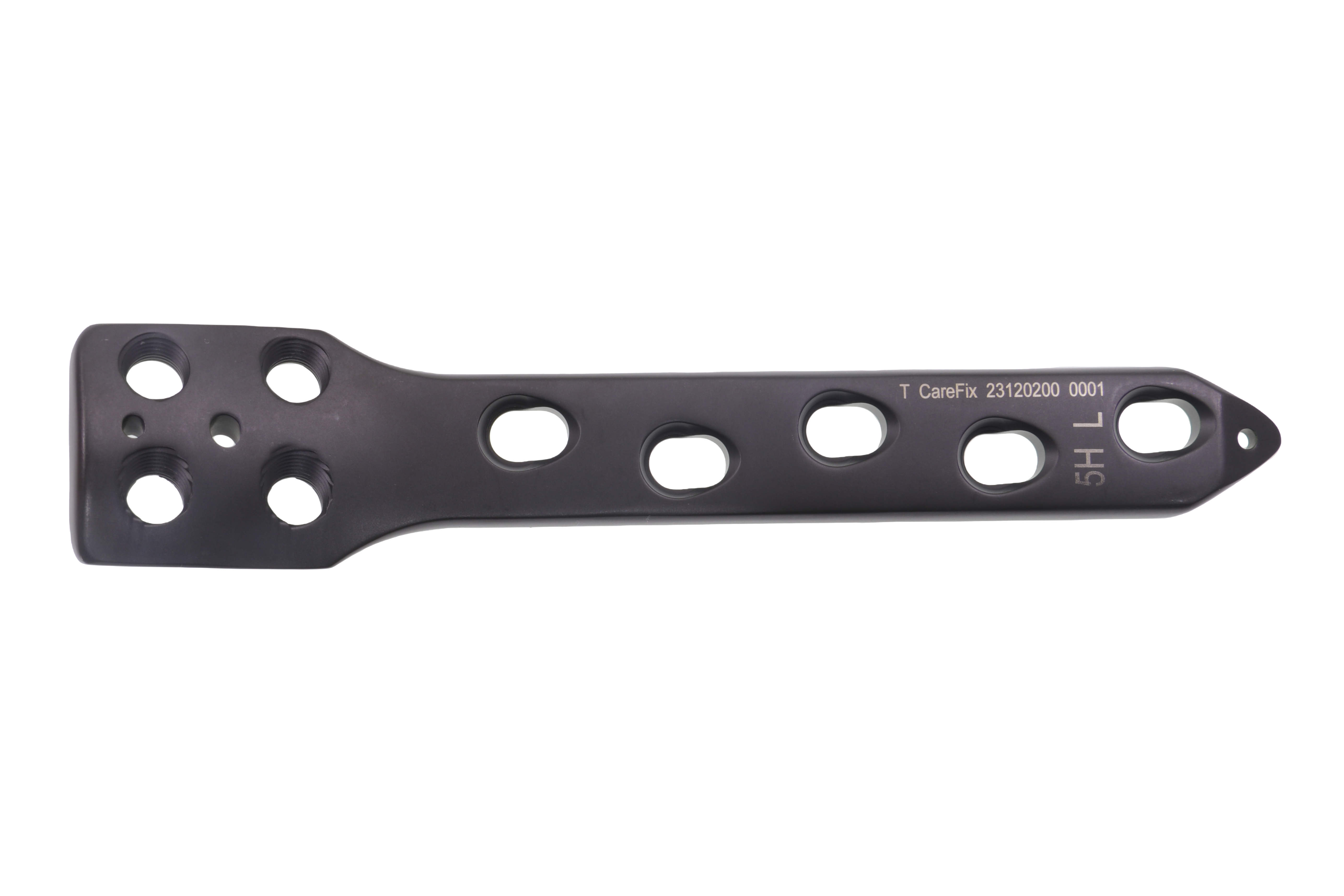
Orthopedic bone plates are essential surgical devices designed to stabilize and support fractured or damaged bones during the healing process. These medical implants serve as internal fixation systems that hold bone fragments in proper alignment, enabling natural bone regeneration and recovery. Manufactured from biocompatible materials such as titanium alloys and stainless steel, orthopedic bone plates provide the structural integrity needed for successful fracture management across various skeletal locations. The main functions include maintaining anatomical reduction of fractures, distributing mechanical loads evenly across the injured area, and promoting optimal conditions for bone union. Technological features of modern orthopedic bone plates incorporate advanced design elements such as low-profile configurations that minimize soft tissue irritation, anatomically contoured shapes that conform to specific bone structures, and locking screw mechanisms that enhance fixation stability. Compression and dynamic compression capabilities allow surgeons to apply controlled forces that encourage bone healing. Applications span multiple medical specialties, including trauma surgery, reconstructive procedures, spinal fusion operations, and corrective osteotomies. Orthopedic bone plates are utilized in treating fractures of the femur, tibia, humerus, radius, clavicle, and numerous other skeletal structures. The versatility of these implants makes them indispensable tools in modern orthopedic surgery, addressing both simple and complex fracture patterns. Their precise engineering ensures reliable performance in demanding clinical scenarios, supporting patient recovery and restoring functional mobility after bone injuries.

Popular Products

Choosing orthopedic bone plates offers significant practical benefits that directly impact patient outcomes and surgical success. These devices provide superior fracture stabilization compared to external fixation methods, allowing patients to begin rehabilitation earlier and reducing overall recovery time. The rigid fixation achieved by orthopedic bone plates eliminates the need for bulky external casts in many cases, improving patient comfort and quality of life during the healing period. From an operational perspective, surgeons appreciate the intuitive instrumentation and diverse plate configurations available, which streamline surgical workflows and accommodate various fracture patterns with precision. The biocompatible materials used in manufacturing minimize the risk of adverse reactions, ensuring safe long-term implantation when removal is unnecessary. Orthopedic bone plates demonstrate exceptional application suitability across patient demographics, from pediatric cases requiring specialized growth-accommodating designs to geriatric patients with osteoporotic bone requiring locking plate technology. The anatomically pre-contoured options reduce intraoperative bending time, decreasing surgical duration and anesthesia exposure. Decision-useful context includes the proven track record of these implants in clinical practice, with extensive research validating their effectiveness in achieving bone union rates exceeding traditional methods. The modular nature of plate systems allows surgeons to customize fixation strategies based on specific fracture characteristics, patient anatomy, and biomechanical requirements. Cost-effectiveness emerges through reduced complication rates, fewer revision surgeries, and shortened hospital stays. For healthcare facilities, investing in quality orthopedic bone plates translates to improved patient satisfaction scores, better clinical outcomes, and enhanced institutional reputation. The durability and mechanical strength of these implants ensure reliable performance under physiological loading conditions, giving both surgeons and patients confidence in the chosen treatment approach for optimal fracture healing.

Tips And Tricks

Special Needs of Children's Bones: Design Philosophy of Pediatric Internal Fixation Systems

16

Dec

Special Needs of Children's Bones: Design Philosophy of Pediatric Internal Fixation Systems

Children's bones present unique challenges that require specialized approaches in orthopedic surgery. Unlike adult skeletal structures, pediatric bones are constantly growing, adapting, and remodeling throughout development. When fractures or deformi...
View More
Ankle internal fixation system: Advantages of ankle locking plate in the treatment of complex fractures

06

Mar

Ankle internal fixation system: Advantages of ankle locking plate in the treatment of complex fractures

Complex ankle fractures represent one of the most challenging orthopedic injuries, requiring precise surgical intervention and advanced fixation techniques to restore optimal function and stability. The ankle locking plate has emerged as a revolution...
View More
Treatment of osteomyelitis and tibial pseudarthrosis: The advantages of the Ilizarov frame

06

Mar

Treatment of osteomyelitis and tibial pseudarthrosis: The advantages of the Ilizarov frame

The treatment of complex orthopedic conditions such as osteomyelitis and tibial pseudarthrosis presents significant challenges that require innovative surgical approaches. Among the most effective solutions available to orthopedic surgeons today is t...
View More
The application advantages of modular braces in ankle fractures

15

Apr

The application advantages of modular braces in ankle fractures

Ankle fractures represent one of the most challenging orthopedic injuries to manage effectively, requiring precise stabilization and controlled healing environments. Traditional casting methods often fall short in providing the dynamic support and ad...
View More

Get a Free Quote

Our representative will contact you soon.
Email
Name
Company Name
Message
0/1000

orthopedic bone plates

Advanced Locking Technology for Superior Stability

Advanced Locking Technology for Superior Stability

Modern orthopedic bone plates feature sophisticated locking screw mechanisms that revolutionize fracture fixation stability. Unlike conventional plating systems where screws purchase only bone, locking technology creates a fixed-angle construct where screws lock into threaded plate holes, forming a unified implant-bone interface. This angular stability proves particularly valuable in osteoporotic bone where traditional screw purchase may be compromised. The locking mechanism distributes forces across the entire plate rather than concentrating stress at individual screw sites, reducing the risk of screw loosening or pullout. Surgeons can achieve consistent compression and reliable fixation even in challenging bone quality scenarios. This technological advancement enables less invasive surgical approaches, as the locked construct maintains stability without requiring extensive periosteal stripping or precise plate-bone contact. Patients benefit from reduced soft tissue trauma, lower infection risk, and accelerated rehabilitation protocols. The versatility of combination holes that accept both locking and non-locking screws provides surgeons with tactical flexibility during procedures, allowing them to optimize fixation strategies based on real-time surgical findings and specific fracture characteristics for enhanced clinical outcomes.
Anatomically Contoured Designs for Precise Fit

Anatomically Contoured Designs for Precise Fit

Orthopedic bone plates are engineered with anatomically specific contours that match the three-dimensional geometry of different skeletal regions, ensuring optimal plate-bone contact and biomechanical performance. These pre-shaped configurations eliminate or minimize the need for intraoperative bending, reducing surgical time and preserving the metallurgical properties of the implant material. Anatomical plates conform naturally to bone surfaces such as the distal radius, proximal humerus, clavicle, and various long bone metaphyseal regions where complex curvatures exist. The precise fit reduces soft tissue irritation by maintaining a low profile against the bone, decreasing postoperative discomfort and improving cosmetic results. Surgeons can position these orthopedic bone plates with confidence, knowing the design accounts for regional anatomy including muscle attachments, neurovascular structures, and joint articulations. The standardized shapes streamline surgical planning and inventory management for healthcare facilities while maintaining the flexibility to address patient-specific anatomical variations. This design philosophy extends to specialized applications including periarticular fractures where joint surface restoration is critical, enabling surgeons to achieve both fracture reduction and articular congruity simultaneously for superior functional restoration and patient satisfaction.
Biocompatible Materials for Long-Term Safety

Biocompatible Materials for Long-Term Safety

The selection of biocompatible materials for orthopedic bone plates represents a critical factor in ensuring patient safety and successful long-term outcomes. Titanium alloys and medical-grade stainless steel undergo rigorous testing to confirm their compatibility with human tissue, minimizing inflammatory responses and allergic reactions. Titanium offers exceptional strength-to-weight ratios combined with superior corrosion resistance, making it ideal for permanent implantation scenarios. The osseointegration properties of titanium promote favorable bone-implant interfaces that enhance stability over time. Stainless steel alternatives provide cost-effective solutions with proven clinical performance across decades of orthopedic applications. Both material options demonstrate the mechanical durability necessary to withstand physiological loads during bone healing without plastic deformation or fatigue failure. The non-magnetic properties of titanium allow patients to safely undergo magnetic resonance imaging studies without artifact or safety concerns, an increasingly important consideration in modern diagnostic medicine. Surface treatments and finishes applied to orthopedic bone plates further optimize biocompatibility while facilitating surgical handling. These materials maintain dimensional stability under sterilization processes, ensuring consistent performance from manufacturing through implantation. The proven biocompatibility profile gives patients confidence that these devices will support their recovery without compromising their overall health or limiting future medical treatment options.
logo