Femoral Plate Solutions for Fracture Fixation

Get a Free Quote

Our representative will contact you soon.
Email
Name
Company Name
Message
0/1000

femoral plate

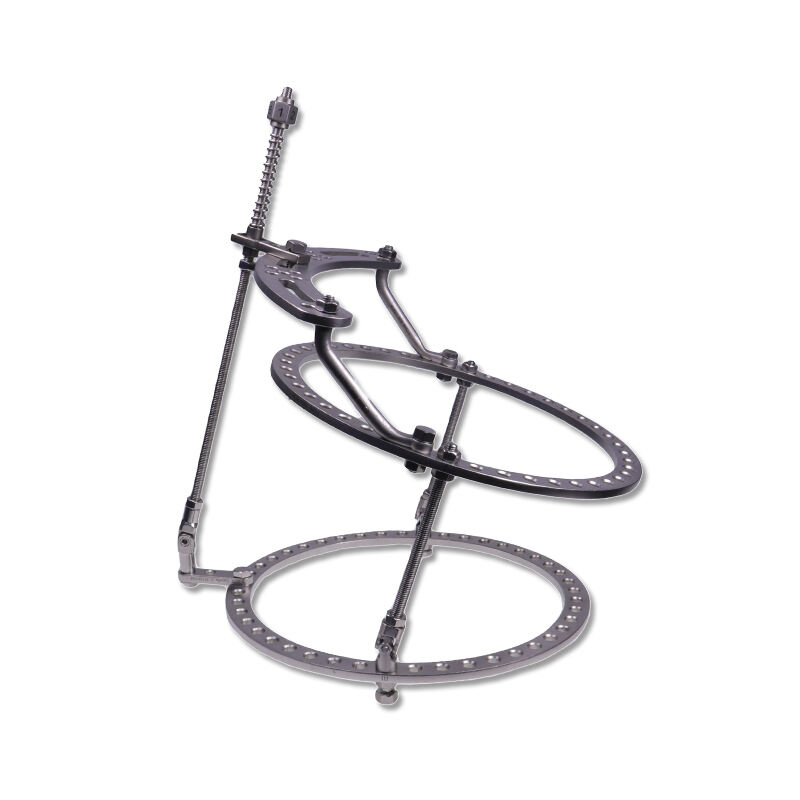
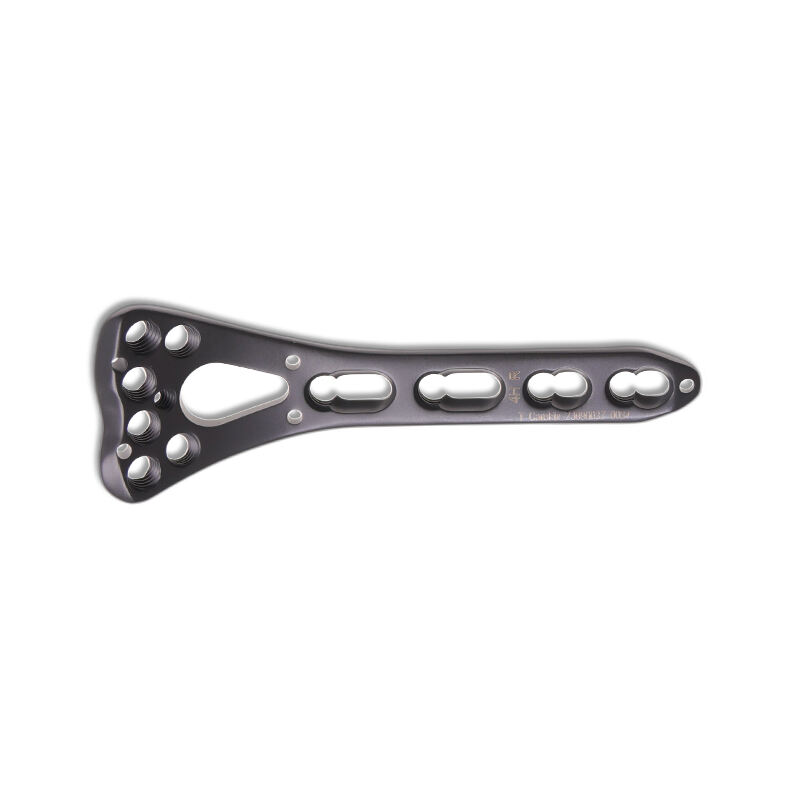
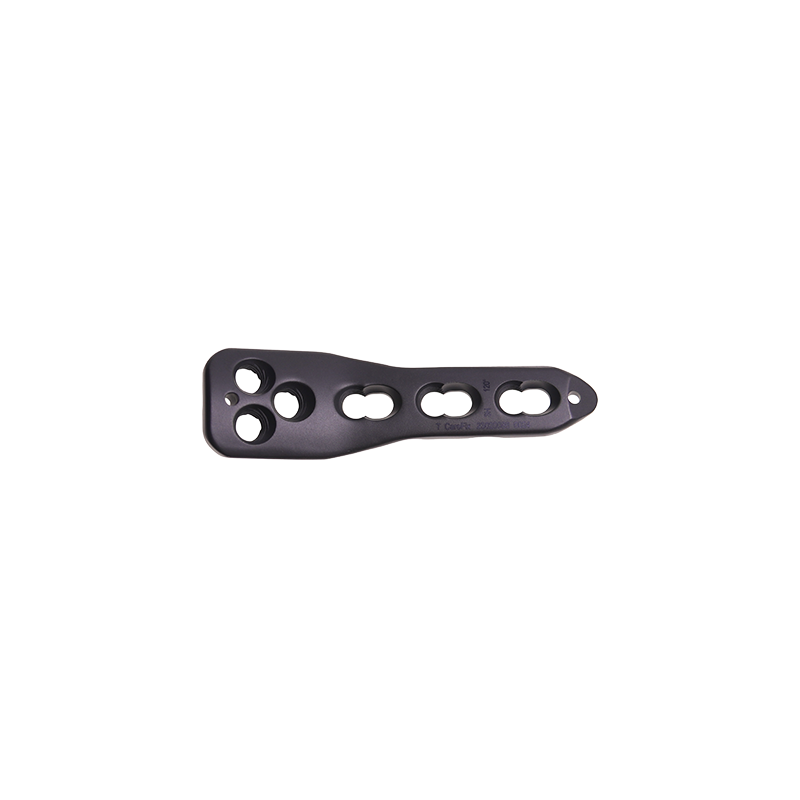
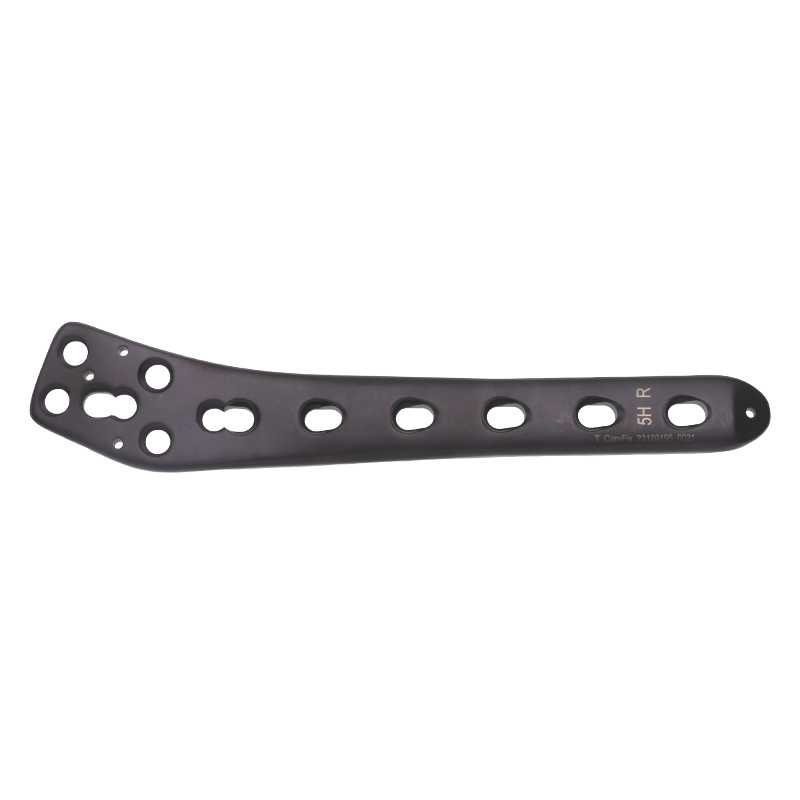
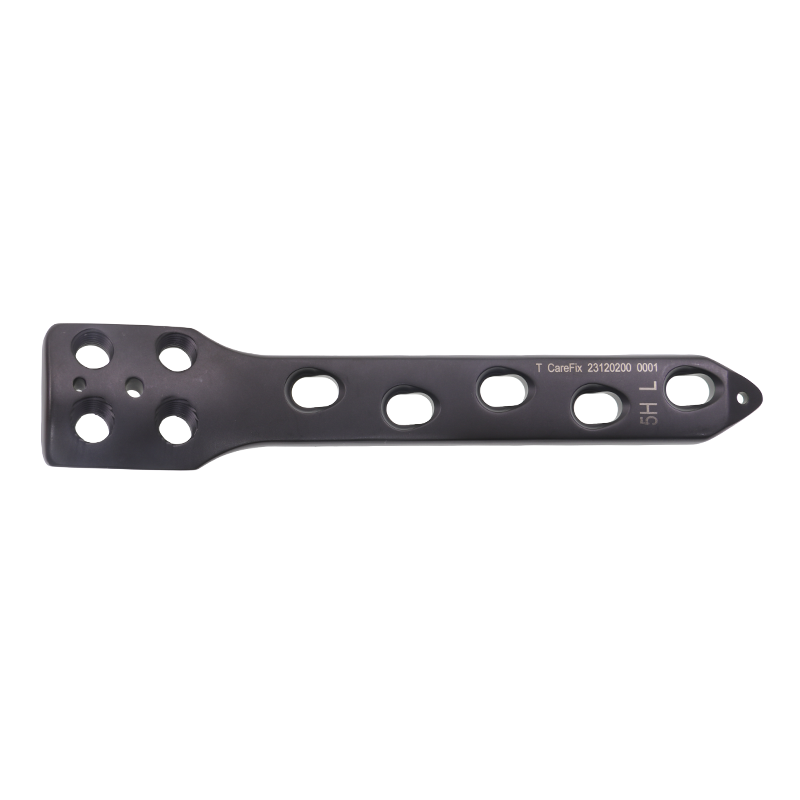
A femoral plate is a specialized orthopedic implant designed to stabilize and repair femur fractures through internal fixation. This surgical device serves as a critical component in modern trauma surgery, providing robust support during the bone healing process. The femoral plate is manufactured from medical-grade materials such as titanium alloy or stainless steel, ensuring biocompatibility and long-term durability within the human body. Its primary function involves maintaining proper bone alignment while allowing controlled compression at the fracture site, which promotes natural healing. The plate features multiple screw holes strategically positioned along its length, enabling surgeons to achieve optimal fixation tailored to each patient's specific fracture pattern. Advanced femoral plate designs incorporate locking screw technology, which creates a fixed-angle construct that enhances stability and reduces the risk of implant failure. These plates are available in various anatomical configurations to match the natural curvature of the femur, including versions for proximal, shaft, and distal fractures. The technological features of modern femoral plate systems include low-profile designs that minimize soft tissue irritation, polyaxial locking options for versatile screw placement, and compression capabilities that facilitate fracture reduction. Clinical applications extend across diverse patient populations, from high-energy trauma cases in young adults to osteoporotic fractures in elderly patients. The femoral plate has revolutionized fracture management by enabling early patient mobilization, reducing hospital stays, and significantly improving functional outcomes compared to traditional external fixation methods.

New Product Recommendations

When considering treatment options for femur fractures, the femoral plate offers substantial benefits that directly impact patient recovery and long-term outcomes. This fixation system provides exceptional biomechanical stability, allowing patients to begin weight-bearing activities sooner than alternative methods, which accelerates rehabilitation and reduces complications associated with prolonged immobilization. The rigid fixation achieved with a femoral plate minimizes movement at the fracture site, creating an optimal environment for bone union while preventing malunion or nonunion complications that could require additional surgeries. Surgeons appreciate the versatility of these implants, as they can address simple transverse fractures as well as complex comminuted injuries through the same surgical approach, making them a reliable solution across various fracture patterns. The minimally invasive plating techniques available with modern femoral plate systems reduce surgical trauma, leading to smaller incisions, less blood loss, and decreased postoperative pain for patients. From a practical standpoint, the femoral plate eliminates the need for bulky external hardware, allowing patients to maintain better hygiene and mobility compared to external fixation devices. The biocompatible materials used in manufacturing ensure excellent tissue tolerance, minimizing inflammatory responses and supporting long-term implant integration. For healthcare facilities, these implants represent a cost-effective solution when considering the total treatment pathway, as they reduce the need for revision surgeries and shorten overall recovery times. Patients benefit from improved quality of life during recovery, as the internal fixation provided by the femoral plate allows for more natural movement patterns and earlier return to daily activities. The proven track record of these devices in clinical practice provides confidence for both medical professionals and patients, with extensive research demonstrating high success rates across diverse patient demographics and fracture types.

Latest News

Cannulated Screw Types: Features and Benefits Explained

16

Dec

Cannulated Screw Types: Features and Benefits Explained

Orthopedic surgery has evolved significantly over the past decades, with advances in implant technology playing a crucial role in improving patient outcomes. Among these innovations, the cannulated screw stands out as a versatile and highly effective...
View More
Application analysis of intramedullary nail system in ankle joint fusion

16

Dec

Application analysis of intramedullary nail system in ankle joint fusion

The evolution of orthopedic surgical techniques has brought significant advancements in treating complex ankle pathologies, particularly through the implementation of modern fixation systems. An intramedullary nail system represents a revolutionary a...
View More
The application advantages of modular braces in ankle fractures

11

Feb

The application advantages of modular braces in ankle fractures

Ankle fractures represent one of the most challenging orthopedic conditions, requiring precise stabilization and optimal healing conditions. Modern orthopedic treatment has evolved significantly with the introduction of advanced fixation systems, par...
View More
The application advantages of modular braces in ankle fractures

15

Apr

The application advantages of modular braces in ankle fractures

Ankle fractures represent one of the most challenging orthopedic injuries to manage effectively, requiring precise stabilization and controlled healing environments. Traditional casting methods often fall short in providing the dynamic support and ad...
View More

Get a Free Quote

Our representative will contact you soon.
Email
Name
Company Name
Message
0/1000

femoral plate

Advanced Locking Mechanism Technology

Advanced Locking Mechanism Technology

The sophisticated locking mechanism integrated into modern femoral plate designs represents a significant advancement in fracture fixation technology. Unlike conventional plating systems that rely solely on friction between the plate and bone, locking femoral plate systems create a fixed-angle construct where screws lock into the plate itself, forming a single stable unit. This technology proves particularly valuable in osteoporotic bone, where traditional screws might lose purchase due to poor bone quality. The locking mechanism distributes forces more evenly across the entire construct rather than concentrating stress at individual screw-bone interfaces, substantially reducing the risk of screw loosening or pullout. Surgeons can confidently treat elderly patients with compromised bone density, knowing the femoral plate will maintain fixation integrity throughout the healing process. Additionally, this technology enables bridge plating techniques for comminuted fractures, where the plate spans the injury zone without requiring screws in every fragment, preserving blood supply to bone fragments and promoting biological healing. The versatility of having both locking and non-locking screw options in the same femoral plate system allows surgeons to customize fixation strategies based on bone quality and fracture characteristics.
Anatomically Contoured Design Excellence

Anatomically Contoured Design Excellence

The anatomically contoured profile of contemporary femoral plate systems reflects sophisticated engineering that matches the natural three-dimensional geometry of the femur. This precise anatomical conformity eliminates the need for intraoperative plate bending, which can compromise implant strength and increase surgical time. Pre-contoured femoral plate designs sit flush against the bone surface, minimizing soft tissue irritation and reducing the prominence of hardware beneath the skin. The low-profile construction decreases the likelihood of postoperative discomfort while maintaining the structural integrity necessary for load-bearing applications. Manufacturers offer region-specific designs tailored for proximal femur, femoral shaft, and distal femur fractures, with each variant optimized for the unique anatomical features of that location. The lateral and medial plate options accommodate different surgical approaches and fracture patterns, providing surgeons with comprehensive solutions for various clinical scenarios. This thoughtful design consideration extends to plate length variations, allowing selection of appropriately sized implants that provide adequate fixation without unnecessary bulk. The smooth, rounded edges of modern femoral plate systems further enhance patient comfort and tissue compatibility, contributing to faster healing and reduced complications related to soft tissue compromise or hardware irritation.
Comprehensive Fracture Management Capability

Comprehensive Fracture Management Capability

The femoral plate system demonstrates remarkable versatility in managing the complete spectrum of femur fractures, from simple to highly complex injury patterns. This comprehensive capability makes the femoral plate an indispensable tool in trauma surgery, capable of addressing everything from isolated shaft fractures to periarticular injuries involving the hip or knee joints. The multi-hole configuration allows surgeons to achieve adequate proximal and distal fixation regardless of fracture location, ensuring stable construct even in challenging anatomical regions. For segmental fractures where bone continuity is interrupted in multiple locations, the femoral plate provides the scaffolding necessary to maintain length and alignment during healing. The system accommodates various screw types including cortical, cancellous, and locking screws, enabling surgeons to optimize fixation based on local bone quality and mechanical requirements at each screw position. This adaptability extends to revision scenarios where previous hardware may occupy standard screw positions, as polyaxial locking holes offer alternative trajectories for screw placement. The femoral plate equally serves young trauma patients requiring maximum stability for early mobilization and geriatric patients needing gentle fixation in fragile bone, making it a universally applicable solution across age groups and injury mechanisms.
logo