Cervical Fusion Hardware Solutions & Benefits

Get a Free Quote

Our representative will contact you soon.
Email
Name
Company Name
Message
0/1000

cervical fusion hardware

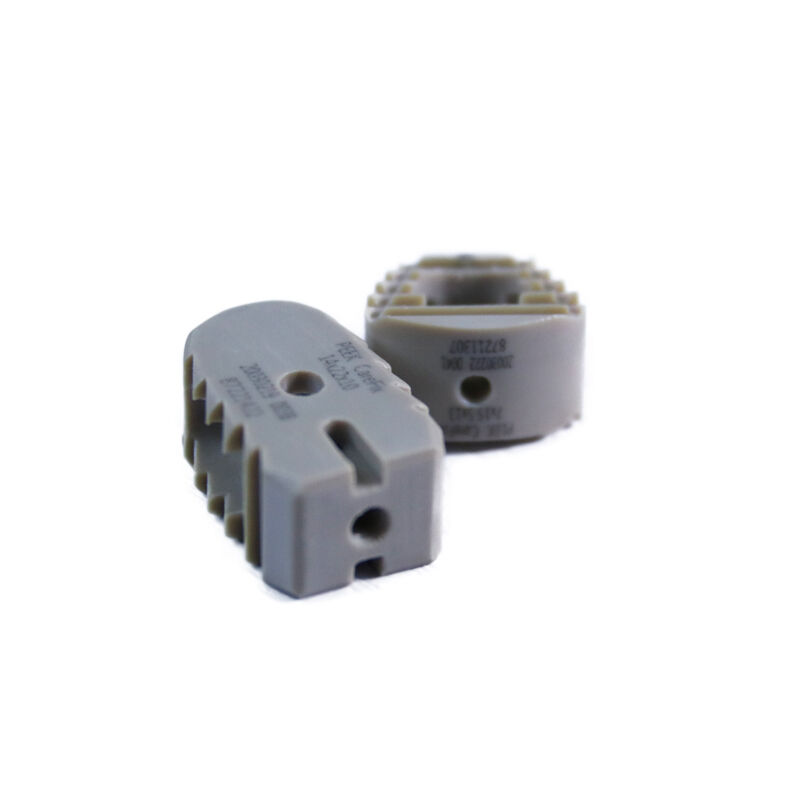
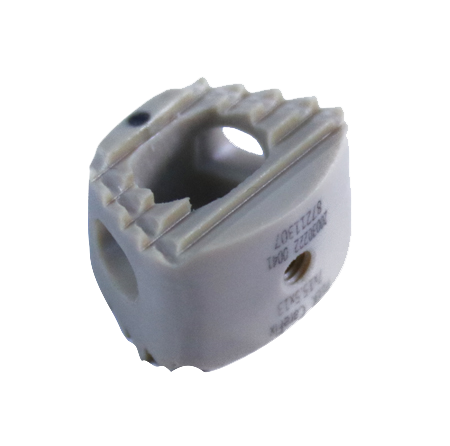
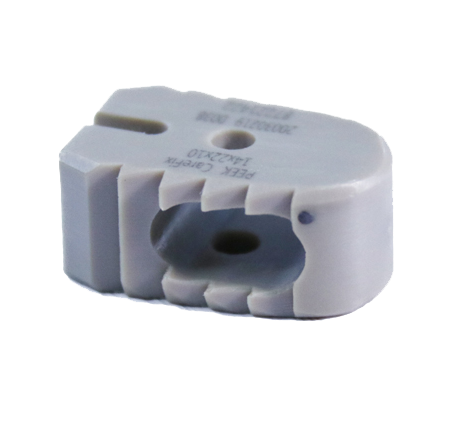
Cervical fusion hardware represents a critical advancement in spinal surgery technology designed to stabilize and promote bone healing in the cervical spine. This specialized medical equipment consists of plates, screws, rods, and cages engineered from biocompatible materials such as titanium alloys and polyetheretherketone (PEEK). The primary function of cervical fusion hardware is to immobilize vertebrae during the healing process following injury, degenerative disc disease, or surgical intervention. These systems provide immediate structural support while allowing natural bone growth to create a solid fusion between adjacent vertebrae. Modern cervical fusion hardware incorporates advanced technological features including anatomically contoured designs that conform to the natural curvature of the cervical spine, low-profile construction to minimize soft tissue irritation, and locking screw mechanisms that prevent hardware migration. The equipment is available in various configurations to accommodate different surgical approaches, including anterior cervical plating systems for front-access procedures and posterior fixation systems for back-access interventions. Applications span a wide range of cervical pathologies including traumatic injuries, spinal instability, herniated discs, spinal stenosis, and tumor resection cases. Surgeons select cervical fusion hardware based on patient-specific factors such as bone quality, fusion levels required, and overall spinal alignment objectives. The technology continues to evolve with innovations in material science, biomechanical engineering, and minimally invasive surgical techniques, making cervical fusion hardware an essential component in contemporary spine surgery practice worldwide.

New Product Releases

The benefits of cervical fusion hardware extend far beyond simple mechanical stabilization, offering tangible value that directly impacts patient outcomes and surgical success rates. First and foremost, this equipment significantly reduces postoperative recovery time by providing immediate structural integrity to the surgical site, allowing patients to mobilize earlier and return to daily activities faster than traditional fusion methods. The robust fixation achieved with cervical fusion hardware minimizes the risk of pseudarthrosis or failed fusion, which translates to fewer revision surgeries and lower overall healthcare costs for patients and providers alike. From an operational perspective, modern systems feature intuitive instrumentation that streamlines surgical workflows, reducing procedure times and anesthesia exposure while improving precision during implant placement. The anatomically designed profiles of contemporary cervical fusion hardware reduce prominence under the skin, decreasing postoperative discomfort and minimizing potential complications such as dysphagia or soft tissue irritation that historically plagued earlier generation implants. These systems demonstrate exceptional biocompatibility, with titanium and PEEK materials promoting osseointegration while eliminating concerns about allergic reactions or long-term material degradation. For patients with compromised bone quality, cervical fusion hardware provides the necessary mechanical support that bone alone cannot offer, making successful fusion achievable even in challenging cases involving osteoporosis or revision procedures. The versatility of cervical fusion hardware allows surgeons to address multiple pathologies through a single surgical approach, whether treating single-level or complex multi-level fusions. Investment in quality cervical fusion hardware represents a decision that prioritizes patient safety, surgical efficacy, and long-term spinal health, making it an indispensable choice for healthcare facilities committed to delivering superior spinal care outcomes. The documented clinical success rates and extensive research backing these systems provide decision-makers with confidence in their selection.

Practical Tips

Evolution of Intervertebral Fusion Device Materials: Clinical Efficacy Comparison between PEEK and Titanium Alloy

13

Jan

Evolution of Intervertebral Fusion Device Materials: Clinical Efficacy Comparison between PEEK and Titanium Alloy

The advancement of spinal surgery has been significantly influenced by the development of sophisticated intervertebral fusion device technologies. Modern spine surgeons rely heavily on these devices to achieve successful fusion outcomes while minimiz...
View More
Taylor brace: a new choice for minimally invasive treatment of complex fracture repair

11

Feb

Taylor brace: a new choice for minimally invasive treatment of complex fracture repair

The Taylor brace represents a significant advancement in orthopedic trauma management, offering surgeons and patients a minimally invasive alternative for treating complex fracture repairs. This innovative external fixation system has transformed the...
View More
How to choose the appropriate size and thread of hollow screws?

11

Feb

How to choose the appropriate size and thread of hollow screws?

Selecting the right hollow screws for orthopedic procedures requires careful consideration of multiple factors that directly impact surgical outcomes and patient recovery. These specialized medical devices serve critical functions in bone fixation, t...
View More
No need for secondary surgery: How does the self-lengthening intramedullary nail synchronize with bone development?

11

Feb

No need for secondary surgery: How does the self-lengthening intramedullary nail synchronize with bone development?

The evolution of pediatric orthopedic surgery has witnessed remarkable advancements in recent decades, with the telescopic intramedullary nail emerging as a groundbreaking solution for treating femoral shaft fractures in growing children. This innova...
View More

Get a Free Quote

Our representative will contact you soon.
Email
Name
Company Name
Message
0/1000

cervical fusion hardware

Advanced Biomechanical Stabilization Technology

Advanced Biomechanical Stabilization Technology

Cervical fusion hardware incorporates sophisticated biomechanical engineering principles that optimize load distribution across the surgical construct. The carefully designed plate-and-screw configurations create a rigid fixation that effectively neutralizes motion at the fusion site, which is absolutely critical for successful bone healing. Unlike external immobilization methods such as cervical collars that provide limited control over segmental movement, cervical fusion hardware delivers precise three-dimensional stability that prevents micromotion capable of disrupting the fusion process. The locking screw mechanisms featured in modern systems create a fixed-angle construct that maintains compression at the bone graft interface throughout the healing period. This biomechanical advantage becomes particularly valuable in patients with poor bone quality or those requiring multi-level fusions where mechanical demands are substantially higher. The low-profile design minimizes stress concentration points that could lead to hardware failure or adjacent segment degeneration. By distributing forces evenly across the vertebral bodies, cervical fusion hardware protects both the surgical site and surrounding healthy segments, contributing to better long-term spinal function and reduced risk of future interventions.
Superior Material Biocompatibility and Integration

Superior Material Biocompatibility and Integration

The materials used in manufacturing cervical fusion hardware represent decades of research into biocompatibility and osseointegration properties. Titanium alloys offer an optimal combination of strength, corrosion resistance, and bone-friendly surface characteristics that encourage direct bone apposition to the implant surface. This biological integration creates a lasting bond between hardware and bone that enhances overall construct stability beyond purely mechanical fixation. PEEK materials used in interbody cages provide radiolucency that allows surgeons to monitor fusion progress through postoperative imaging without metallic artifact interference, enabling accurate assessment of bone healing. These advanced materials eliminate concerns about metal sensitivity or adverse tissue reactions that occasionally complicate implant procedures in other anatomical regions. The surface treatments applied to cervical fusion hardware, including specialized coatings and roughened textures, actively promote cellular attachment and proliferation, accelerating the biological incorporation process. Furthermore, the elastic modulus of modern materials more closely approximates natural bone properties, reducing stress shielding effects that can compromise bone density over time. This material science excellence ensures cervical fusion hardware performs reliably throughout the patient's lifetime without degradation, migration, or biological incompatibility issues.
Comprehensive Surgical Versatility and Adaptability

Comprehensive Surgical Versatility and Adaptability

Cervical fusion hardware systems demonstrate remarkable versatility in addressing diverse spinal pathologies and accommodating various surgical techniques. The extensive range of plate lengths, screw sizes, and cage dimensions allows surgeons to customize constructs for each patient's unique anatomy and pathology, from single-level fusions in smaller individuals to complex reconstructions spanning multiple segments. This adaptability proves essential when treating challenging cases involving congenital abnormalities, trauma, tumors, or revision surgeries where standard anatomical landmarks may be altered or absent. Modern cervical fusion hardware accommodates both traditional open surgical approaches and minimally invasive techniques, providing surgeons with technical flexibility to choose the optimal method for each clinical scenario. The compatibility between components from comprehensive system portfolios enables surgeons to modify their operative plan intraoperatively without compromising fixation quality or requiring additional inventory. Polyaxial screw options offer trajectory freedom during placement, particularly valuable when navigating anatomical variations or avoiding critical neurovascular structures. This surgical adaptability translates directly into improved patient outcomes by enabling surgeons to achieve optimal correction, solid fusion, and reliable fixation regardless of case complexity, making cervical fusion hardware a universally applicable solution across the full spectrum of cervical spine pathology.
logo