Zero Profile Cervical Cage Solutions

Get a Free Quote

Our representative will contact you soon.
Email
Name
Company Name
Message
0/1000

zero profile cervical cage

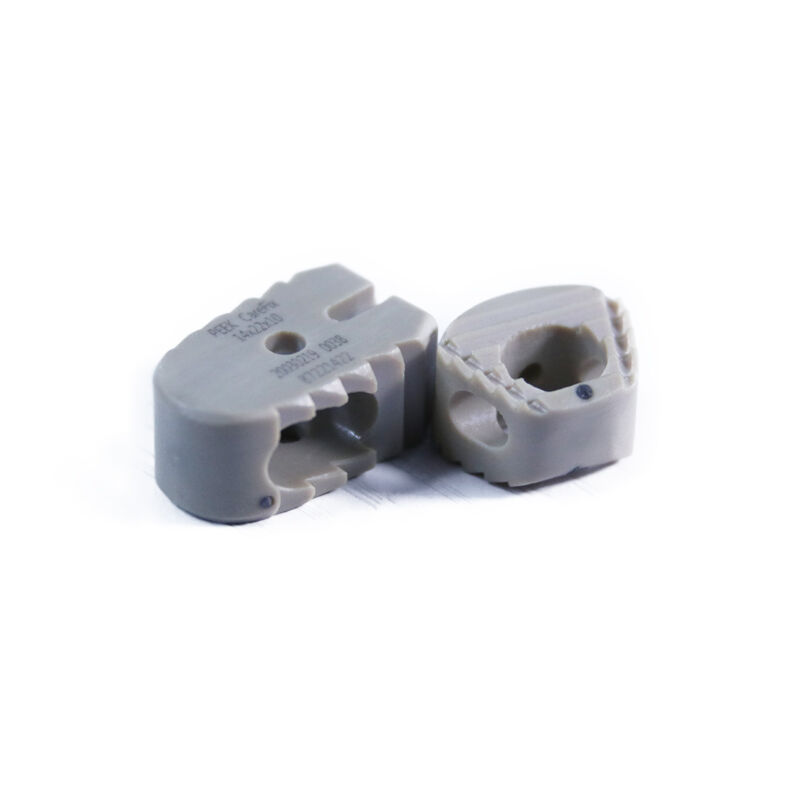
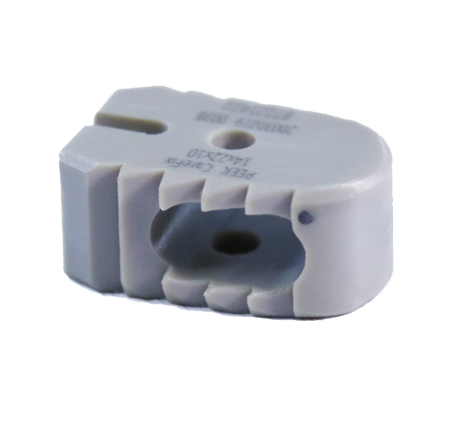
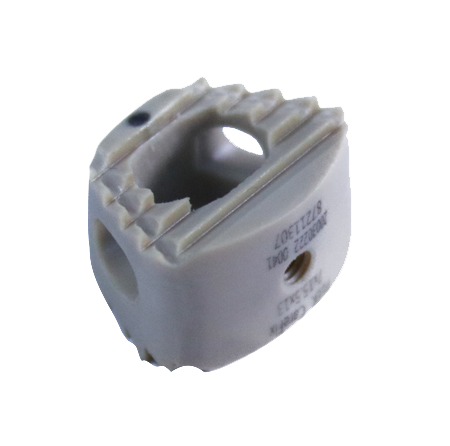
The zero profile cervical cage represents an advanced spinal implant solution designed specifically for anterior cervical discectomy and fusion procedures. This innovative medical device addresses degenerative disc disease, herniated discs, and cervical spine instability by providing structural support between vertebrae while promoting bone fusion. Unlike traditional anterior cervical plates that protrude from the vertebral surface, the zero profile cervical cage sits flush within the intervertebral space, eliminating the need for supplemental plate fixation. The integrated locking mechanism secures the implant directly to adjacent vertebrae, maintaining proper disc height and spinal alignment throughout the healing process. Manufactured from biocompatible materials such as titanium alloy or polyetheretherketone, the zero profile cervical cage features anatomically contoured designs that match natural cervical curvature. Large graft windows facilitate bone ingrowth by allowing abundant autograft or bone substitute material placement, accelerating fusion rates. The implant incorporates radiographic markers for precise visualization during surgical placement and postoperative assessment. Advanced surface treatments enhance osseointegration, encouraging direct bone-to-implant contact. The zero profile cervical cage accommodates various surgical approaches and patient anatomies through comprehensive sizing options. Surgeons appreciate the streamlined instrumentation system that simplifies implantation while reducing operative time. This technology serves patients requiring single-level or multi-level cervical fusion, offering a minimally invasive alternative that preserves surrounding soft tissue structures and maintains natural biomechanics.

New Products

Patients benefit significantly from the zero profile cervical cage through reduced postoperative complications and faster recovery periods. The flush design minimizes soft tissue irritation, substantially decreasing dysphagia rates compared to traditional plating systems. Without anterior hardware protrusion, patients experience fewer swallowing difficulties and throat discomfort, improving quality of life during recovery. The streamlined profile reduces the risk of esophageal injury and adjacent segment degeneration, concerns commonly associated with prominent anterior plates. Surgeons gain operational advantages through simplified surgical technique and decreased procedure duration. The integrated fixation eliminates multiple steps required for separate plate attachment, reducing anesthesia time and associated patient risks. Single-step implantation decreases surgical complexity while maintaining equivalent or superior biomechanical stability. The zero profile cervical cage proves particularly suitable for patients with challenging anatomy, including those with short necks or compromised soft tissue quality where traditional plates may pose increased risks. The design accommodates revision surgeries effectively, as the low-profile configuration minimizes hardware interference during subsequent procedures. Healthcare facilities appreciate cost-effectiveness through consolidated instrumentation and reduced inventory requirements compared to systems requiring separate cages and plates. Clinical studies demonstrate fusion rates comparable to conventional plating while showing statistically significant improvements in patient-reported outcomes regarding swallowing function and neck comfort. The technology supports various surgical philosophies, from standalone applications to supplemental posterior fixation when indicated. Decision-makers value the proven track record of the zero profile cervical cage, with extensive published literature supporting safety and efficacy across diverse patient populations and pathologies, making it a reliable choice for modern cervical spine surgery.

Practical Tips

Application of carbon fiber material external fixation bracket in clinical practice

13

Jan

Application of carbon fiber material external fixation bracket in clinical practice

The integration of advanced materials in orthopedic surgery has revolutionized patient care and treatment outcomes. Among these innovations, carbon fiber external fixation systems have emerged as a superior alternative to traditional metal frameworks...
View More
No need for secondary surgery: How does the self-lengthening intramedullary nail synchronize with bone development?

11

Feb

No need for secondary surgery: How does the self-lengthening intramedullary nail synchronize with bone development?

The evolution of pediatric orthopedic surgery has witnessed remarkable advancements in recent decades, with the telescopic intramedullary nail emerging as a groundbreaking solution for treating femoral shaft fractures in growing children. This innova...
View More
Distal radial volar locking plate: refined design enhances the success rate of fracture fixation

06

Mar

Distal radial volar locking plate: refined design enhances the success rate of fracture fixation

The treatment of distal radius fractures has undergone significant evolution in recent decades, with the distal radial volar locking plate emerging as a cornerstone technology in modern orthopedic practice. These innovative implants represent a parad...
View More
Taylor brace: a new choice for minimally invasive treatment of complex fracture repair

15

Apr

Taylor brace: a new choice for minimally invasive treatment of complex fracture repair

The Taylor brace represents a significant advancement in orthopedic external fixation technology, offering surgeons and patients a minimally invasive solution for complex fracture repair scenarios. This innovative Taylor brace system combines precisi...
View More

Get a Free Quote

Our representative will contact you soon.
Email
Name
Company Name
Message
0/1000

zero profile cervical cage

Integrated Fixation Technology Eliminates Anterior Plate

Integrated Fixation Technology Eliminates Anterior Plate

The zero profile cervical cage incorporates revolutionary integrated screws that anchor directly into vertebral bodies without requiring a separate anterior plate. This design innovation fundamentally changes cervical fusion procedures by combining structural support and fixation within a single implant. The self-contained locking mechanism ensures immediate stability while the implant sits completely within the disc space, maintaining a smooth anterior vertebral contour. Traditional systems require surgeons to first insert an interbody spacer, then attach a separate plate with multiple screws, increasing surgical steps and hardware volume. By contrast, the zero profile cervical cage streamlines this process into one unified implantation, reducing operative complexity and tissue manipulation. The integrated screws deploy at optimal angles to maximize purchase in vertebral bone while the low-profile head design remains flush with the implant surface. This engineering achievement provides equivalent biomechanical strength to plated constructs without the anterior projection that commonly causes soft tissue complications. Patients experience the structural benefits of rigid fixation without the drawbacks of prominent hardware, representing a significant advancement in cervical spine technology that addresses longstanding concerns about plate-related complications.
Enhanced Patient Comfort Through Minimized Soft Tissue Impact

Enhanced Patient Comfort Through Minimized Soft Tissue Impact

The zero profile cervical cage prioritizes patient comfort by dramatically reducing contact with sensitive anterior neck structures. The esophagus, trachea, and pharyngeal muscles lie directly over the anterior cervical spine, making them vulnerable to irritation from protruding hardware. Traditional plates extending beyond the vertebral surface create mechanical pressure points and inflammatory responses that manifest as persistent swallowing difficulties, often lasting months after surgery. Clinical data shows dysphagia rates as high as forty percent with conventional plating systems. The zero profile cervical cage addresses this challenge through its recessed design that eliminates anterior projection entirely. By residing completely within the intervertebral space, the implant removes the primary mechanical cause of postoperative swallowing problems. Patients report significantly improved comfort during eating and speaking, with dysphagia rates reduced to less than fifteen percent in published studies. The design also minimizes scar tissue formation around the implant, as reduced hardware volume decreases foreign body response. This translates to sustained long-term comfort rather than merely addressing immediate postoperative concerns. For patients whose professional or personal lives depend on normal voice and swallowing function, the zero profile cervical cage offers measurable quality-of-life improvements that extend well beyond clinical fusion success.
Optimized Bone Fusion Environment With Advanced Material Integration

Optimized Bone Fusion Environment With Advanced Material Integration

The zero profile cervical cage creates an ideal biological environment for solid bone fusion through thoughtful material selection and structural design. Large central graft windows maximize the volume of bone-promoting material that can be packed within the implant, directly contacting both vertebral endplates. This generous space accommodates autograft harvested during decompression, allograft, or synthetic bone substitutes, providing abundant osteogenic and osteoconductive potential. The implant surfaces feature advanced treatments such as plasma spray coating or three-dimensional printed titanium structures that encourage rapid bone ingrowth and strong osseointegration. These micro and macro surface textures provide scaffolding for new bone formation, actively participating in the fusion process rather than merely occupying space. The zero profile cervical cage maintains precise disc height restoration, ensuring optimal load distribution across the fusion site and preventing subsidence that could compromise fusion quality. Radiographic markers embedded within the implant framework enable surgeons to assess fusion progress clearly on standard imaging without metal artifact interference. Clinical outcomes demonstrate fusion rates exceeding ninety-two percent at twelve months, validating the biological optimization inherent in the design. By combining mechanical stability with biological integration, the zero profile cervical cage supports the body's natural healing processes while providing the structural foundation necessary for successful long-term fusion outcomes.
logo