Cervical Interbody Cage: Advanced Spinal Fusion

Get a Free Quote

Our representative will contact you soon.
Email
Name
Company Name
Message
0/1000

cervical interbody cage

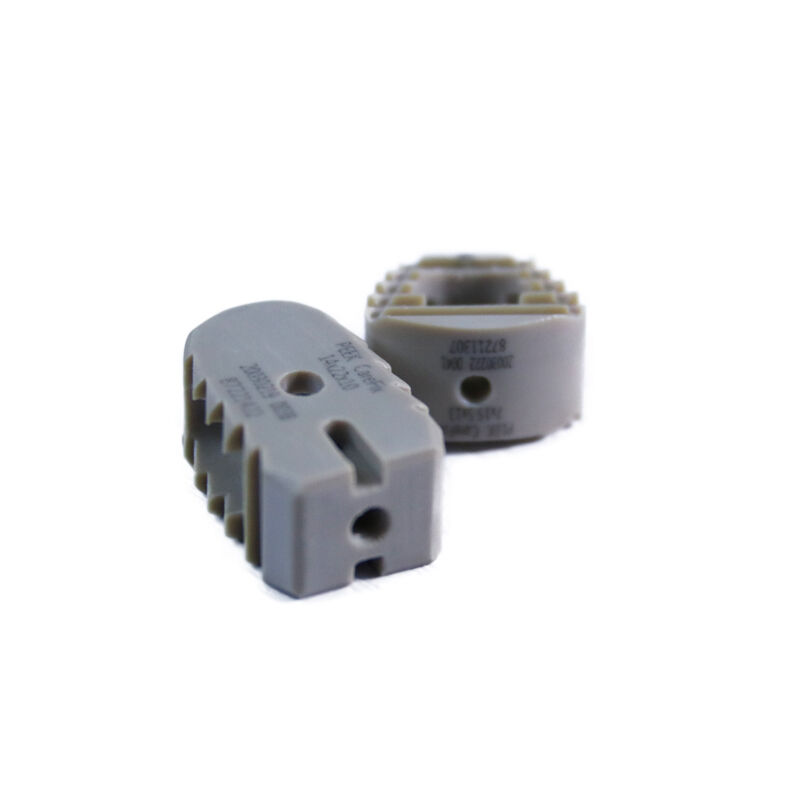
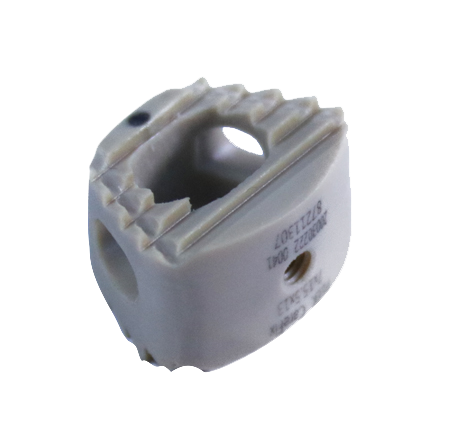
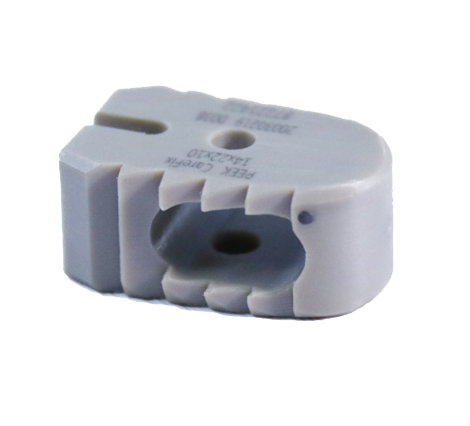
A cervical interbody cage is a specialized spinal implant designed to restore disc height and stability in the cervical spine following discectomy procedures. This medical device serves as a structural support between two adjacent vertebrae in the neck region, replacing damaged or diseased intervertebral discs. The cervical interbody cage provides immediate mechanical support while facilitating bone growth through and around the implant, ultimately achieving solid spinal fusion. Manufactured from biocompatible materials such as titanium alloy or polyetheretherketone (PEEK), these devices feature precisely engineered surfaces that promote bone integration. The primary functions include maintaining proper vertebral spacing, restoring natural cervical lordosis, and decompressing neural structures to relieve pain and neurological symptoms. Technological features of the cervical interbody cage encompass anatomically contoured designs that match cervical vertebral endplates, porous or textured surfaces to enhance bone ingrowth, and radiolucent properties that allow clear postoperative imaging assessment. Many modern designs incorporate tantalum markers for visibility during fluoroscopic procedures and self-locking mechanisms to prevent migration. Applications span various cervical pathologies including degenerative disc disease, herniated discs, spinal stenosis, traumatic injuries, and cervical instability. Surgeons utilize the cervical interbody cage through anterior cervical discectomy and fusion (ACDF) approaches, where the device is carefully positioned within the disc space after thorough preparation of the vertebral endplates, ultimately supporting the patient's return to normal function and improved quality of life.

New Product Releases

The cervical interbody cage delivers significant clinical benefits that directly impact patient outcomes and surgical success. This device restores proper alignment in the neck, which helps reduce pressure on nerves and the spinal cord, leading to decreased pain and improved mobility for patients suffering from cervical spine conditions. By maintaining the correct spacing between vertebrae, the cage prevents collapse of the disc space and protects surrounding neural structures from compression. The immediate structural support provided allows patients to begin rehabilitation sooner, accelerating recovery timelines compared to traditional fusion techniques. From an operational perspective, the cervical interbody cage simplifies surgical procedures through standardized instrumentation and predictable placement techniques. Surgeons benefit from a wide range of sizes and footprints, enabling precise matching to individual patient anatomy for optimal fit and stability. The biocompatible materials minimize rejection risks while promoting natural bone integration, which establishes lasting fusion strength. For healthcare facilities, the cervical interbody cage represents a cost-effective solution when considering reduced surgical time, lower complication rates, and improved fusion success percentages. The device proves suitable across diverse applications, treating everything from single-level degenerative conditions to complex multi-level cervical pathologies. Patients with different body types and anatomical variations can be accommodated through the comprehensive sizing options available. Decision-makers will appreciate the extensive clinical evidence supporting the cervical interbody cage, with published studies demonstrating high fusion rates, patient satisfaction scores, and long-term durability. The technology continues advancing with innovations in surface treatments and design optimization, ensuring that the cervical interbody cage remains at the forefront of spinal fusion solutions, offering reliable performance that benefits patients, surgeons, and healthcare systems alike.

Practical Tips

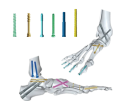
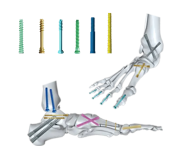
Cannulated screw system: Technological advancements in the treatment of ankle fractures

06

Mar

Cannulated screw system: Technological advancements in the treatment of ankle fractures

Ankle fractures represent one of the most challenging orthopedic injuries requiring precise surgical intervention and advanced fixation methods. The evolution of fracture treatment has been significantly enhanced by the introduction of modern cannula...
View More
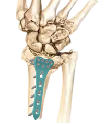
Distal radial volar locking plate: refined design enhances the success rate of fracture fixation

06

Mar

Distal radial volar locking plate: refined design enhances the success rate of fracture fixation

The treatment of distal radius fractures has undergone significant evolution in recent decades, with the distal radial volar locking plate emerging as a cornerstone technology in modern orthopedic practice. These innovative implants represent a parad...
View More
The application advantages of modular braces in ankle fractures

15

Apr

The application advantages of modular braces in ankle fractures

Ankle fractures represent one of the most challenging orthopedic injuries to manage effectively, requiring precise stabilization and controlled healing environments. Traditional casting methods often fall short in providing the dynamic support and ad...
View More
Taylor brace: a new choice for minimally invasive treatment of complex fracture repair

15

Apr

Taylor brace: a new choice for minimally invasive treatment of complex fracture repair

The Taylor brace represents a significant advancement in orthopedic external fixation technology, offering surgeons and patients a minimally invasive solution for complex fracture repair scenarios. This innovative Taylor brace system combines precisi...
View More

Get a Free Quote

Our representative will contact you soon.
Email
Name
Company Name
Message
0/1000

cervical interbody cage

Advanced Biocompatible Materials for Superior Integration

Advanced Biocompatible Materials for Superior Integration

The cervical interbody cage incorporates cutting-edge biocompatible materials specifically engineered to promote optimal bone fusion and long-term stability. Premium-grade titanium alloys and PEEK polymers serve as the foundation for these implants, selected for their proven track record in spinal applications and excellent biocompatibility profiles. These materials trigger minimal inflammatory response while encouraging natural bone cells to migrate into and around the cage structure. The surface treatments applied to the cervical interbody cage create micro and macro textures that dramatically increase the available surface area for bone attachment, enhancing the biological fixation process. Titanium options offer inherent osteoconductive properties that naturally attract bone-forming cells, while PEEK alternatives provide elasticity closer to natural bone, reducing stress shielding effects. The radiolucent characteristics of PEEK-based cervical interbody cage designs enable surgeons to clearly visualize fusion progress through standard imaging without metal artifacts obscuring the view. This material selection directly translates to faster fusion times, reduced revision rates, and improved patient satisfaction, making the cervical interbody cage a reliable choice for achieving solid arthrodesis in challenging cervical spine cases.
Anatomically Optimized Design for Enhanced Stability

Anatomically Optimized Design for Enhanced Stability

The cervical interbody cage features anatomically optimized geometry that precisely replicates the natural contours of cervical vertebral endplates, ensuring maximum contact area and load distribution. This thoughtful design approach minimizes subsidence risk by spreading forces evenly across the bone interfaces, protecting against implant migration and maintaining the restored disc height throughout the healing process. The lordotic angles built into the cervical interbody cage help surgeons restore the neck's natural curvature, which is essential for proper biomechanical function and pain relief. Tapered leading edges facilitate smooth insertion through the disc space, reducing trauma to surrounding tissues during implantation procedures. Anti-migration features including ridges, teeth, or keels on superior and inferior surfaces provide immediate purchase against the vertebral endplates, ensuring the cervical interbody cage remains securely positioned even before bone ingrowth occurs. The central cavity or fenestrations within the device allow bone graft material placement, creating a scaffold through which new bone can bridge between vertebrae. These design elements work synergistically to provide the cervical interbody cage with exceptional primary stability while supporting the biological processes necessary for achieving solid fusion outcomes.
Comprehensive Sizing Options for Precise Patient Matching

Comprehensive Sizing Options for Precise Patient Matching

The cervical interbody cage product line offers an extensive range of sizes, heights, and footprints to accommodate the diverse anatomical variations encountered across patient populations. This comprehensive selection empowers surgeons to select the optimal implant dimensions that precisely match each individual's unique cervical anatomy, maximizing contact with healthy bone while avoiding endplate violation. Height options typically range from six to ten millimeters, allowing restoration of proper disc space height regardless of the degree of collapse present preoperatively. Multiple footprint configurations ensure the cervical interbody cage can be adapted to narrow or wide disc spaces, addressing both petite and larger body habitus patients effectively. The availability of various lordotic angles within the cervical interbody cage portfolio enables surgeons to correct sagittal alignment abnormalities and restore physiologic cervical curvature specific to each case. This customization capability reduces the need for intraoperative compromises and supports optimal surgical outcomes. Sterile packaged options and efficient inventory management systems make the cervical interbody cage readily accessible in operating rooms, minimizing delays and supporting workflow efficiency while ensuring that the right size is always available when needed for successful cervical fusion procedures.
logo