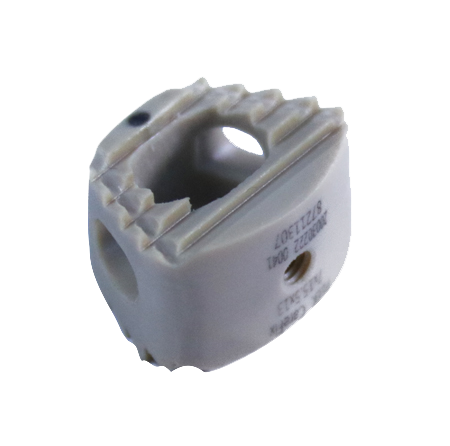
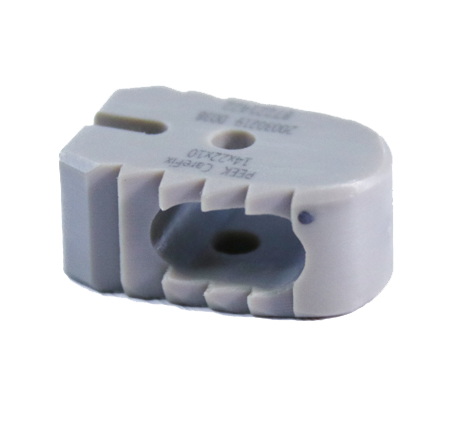
cervical fusion cage
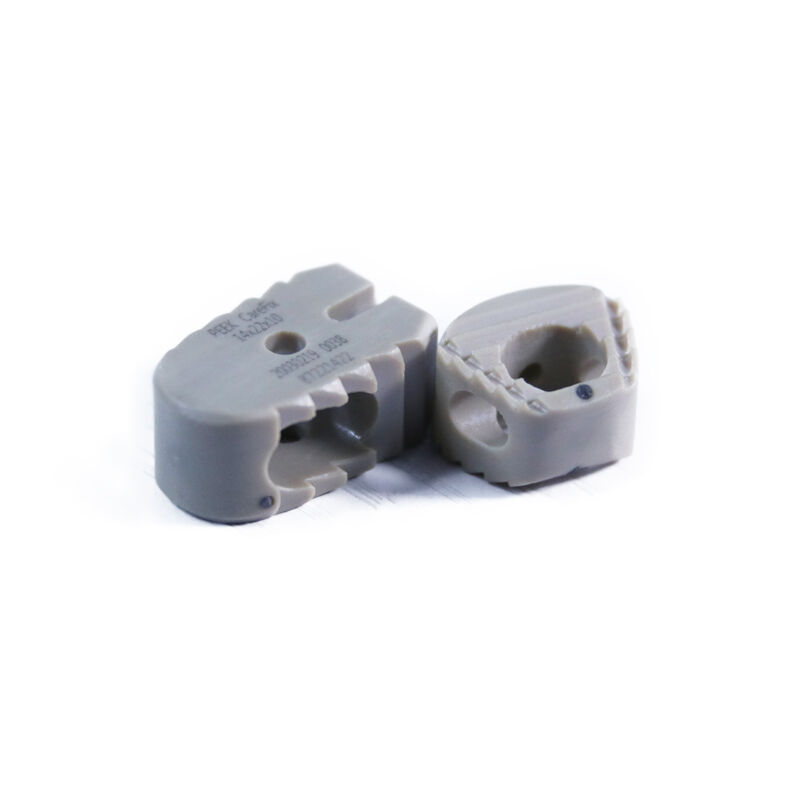
A cervical fusion cage is a specialized medical implant designed to stabilize and support the cervical spine during spinal fusion procedures. This device is inserted between two vertebrae in the neck region to maintain proper spacing and alignment while promoting bone growth and fusion. The cervical fusion cage serves as a structural framework that holds vertebrae in position after damaged or diseased disc material has been removed. Constructed from biocompatible materials such as titanium alloy or polyetheretherketone (PEEK), these cages provide immediate mechanical stability to the spine while facilitating long-term biological integration. The main function of a cervical fusion cage is to restore disc height, decompress neural structures, and create an environment conducive to solid bone fusion between adjacent vertebrae. Technologically, these implants feature advanced design elements including porous surfaces that encourage bone ingrowth, anatomically contoured profiles that match natural spinal curvature, and radiolucent properties that allow clear postoperative imaging. Many cervical fusion cage models incorporate strategically positioned graft windows that can be filled with bone graft material to accelerate the fusion process. Applications for the cervical fusion cage include treatment of degenerative disc disease, herniated discs, spinal stenosis, trauma-related injuries, and cervical instability. Surgeons utilize these devices in both anterior and posterior cervical fusion approaches, selecting specific cage designs based on patient anatomy, surgical approach, and clinical objectives. The cervical fusion cage represents a critical advancement in spinal surgery, offering patients improved outcomes and enhanced quality of life.
 EN
EN