Titanium Cervical Cage - Advanced Spinal Implant

Get a Free Quote

Our representative will contact you soon.
Email
Name
Company Name
Message
0/1000

titanium cervical cage

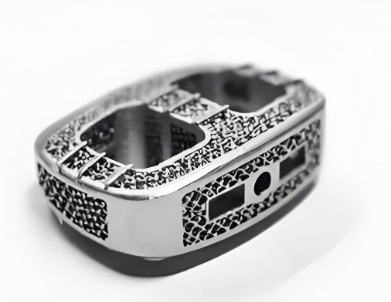
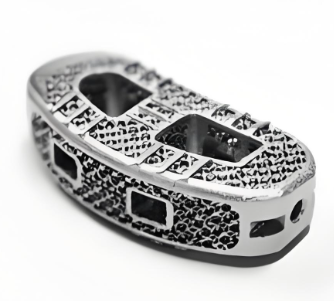
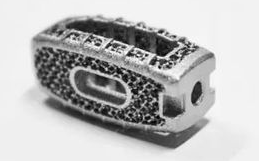
A titanium cervical cage is an advanced spinal implant designed to restore stability and promote bone fusion in the cervical spine following degenerative disc disease, trauma, or other spinal conditions requiring surgical intervention. This medical device serves as a structural spacer inserted between vertebrae after the removal of damaged intervertebral discs during anterior cervical discectomy and fusion procedures. The titanium cervical cage maintains proper disc height, preserves spinal alignment, and creates an environment conducive to natural bone growth. Manufactured from biocompatible titanium alloy, the device integrates seamlessly with surrounding bone tissue while providing exceptional strength and durability. The porous surface structure of the titanium cervical cage encourages osseointegration, allowing host bone to grow into and through the implant for solid fusion. These cages come in various sizes and designs to accommodate different patient anatomies and surgical approaches. Surgeons select appropriate dimensions based on preoperative imaging and intraoperative measurements to ensure optimal fit and biomechanical support. The titanium cervical cage features strategic openings that allow packing with bone graft material, further enhancing fusion potential. Advanced imaging compatibility enables postoperative monitoring without significant artifact interference. Clinical applications span multiple cervical spine pathologies including herniated discs, spinal stenosis, degenerative disc disease, and traumatic injuries. The titanium cervical cage represents a proven solution for restoring cervical spine function, alleviating nerve compression symptoms, and facilitating successful long-term fusion outcomes in patients requiring surgical treatment.

Popular Products

Choosing a titanium cervical cage offers multiple practical benefits that directly impact surgical outcomes and patient recovery. The biocompatibility of titanium eliminates concerns about adverse tissue reactions, making it safe for long-term implantation within the human body. This material compatibility means patients experience fewer complications related to implant rejection or inflammatory responses. The exceptional strength-to-weight ratio of titanium provides robust structural support while minimizing additional load on the cervical spine, allowing patients to resume normal activities more confidently during healing. The porous surface technology incorporated into the titanium cervical cage actively promotes bone ingrowth, significantly improving fusion rates compared to solid implants. This biological integration creates a permanent, stable construct that functions as part of the natural spine rather than remaining a foreign object. Surgeons appreciate the radiolucent properties that allow clear visualization of fusion progress through standard X-rays and CT scans without the metallic artifacts common with other materials. The versatility of available sizes and configurations means the titanium cervical cage suits diverse patient anatomies and surgical techniques, from single-level to multi-level procedures. Operating room efficiency improves because these implants feature intuitive insertion mechanisms that reduce surgical time and associated anesthesia risks. Patients benefit from minimized soft tissue trauma and faster recovery timelines. The proven track record of titanium cervical cage technology across millions of successful procedures worldwide provides confidence for both medical professionals and patients making treatment decisions. Cost-effectiveness emerges through reduced revision surgery rates and shorter hospital stays, delivering value beyond the initial investment. The durability of titanium ensures the implant maintains structural integrity throughout the patient's lifetime without degradation or mechanical failure.

Tips And Tricks

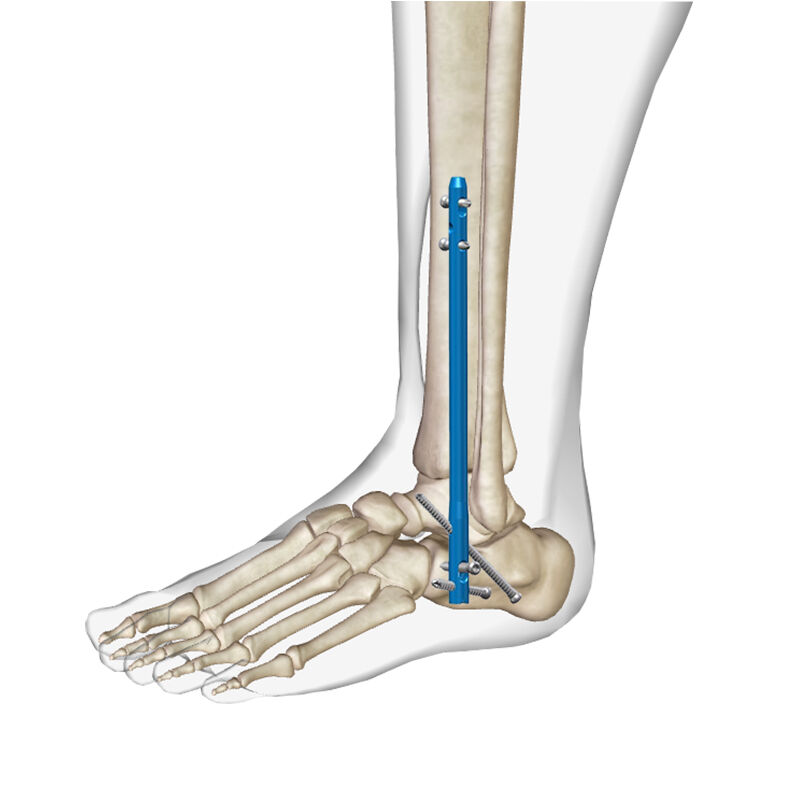
Application analysis of intramedullary nail system in ankle joint fusion

16

Dec

Application analysis of intramedullary nail system in ankle joint fusion

The evolution of orthopedic surgical techniques has brought significant advancements in treating complex ankle pathologies, particularly through the implementation of modern fixation systems. An intramedullary nail system represents a revolutionary a...
View More
U-shaped nail: technical advantage of ankle surgery

13

Jan

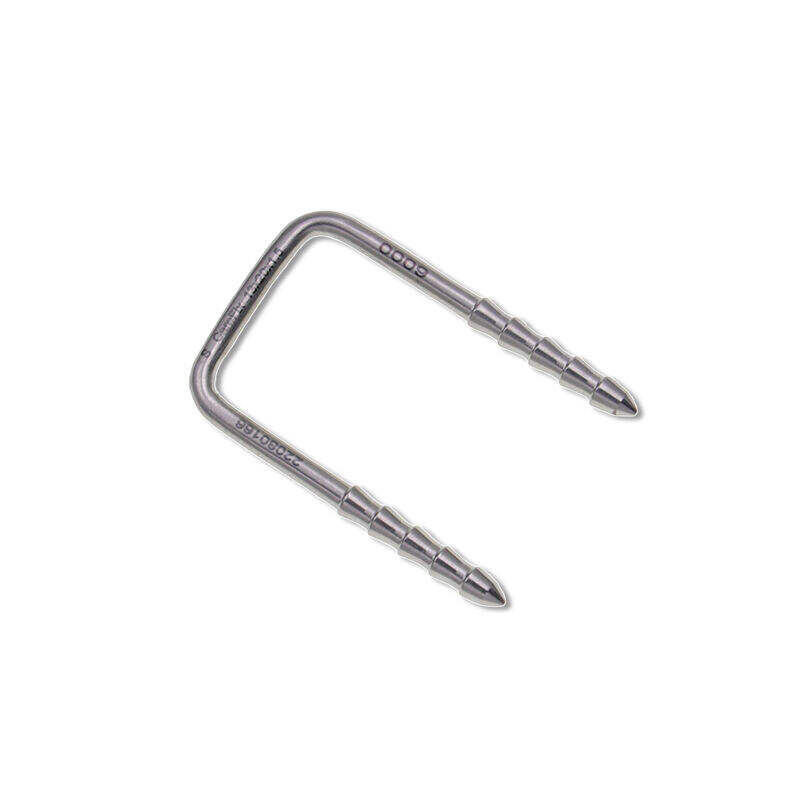
U-shaped nail: technical advantage of ankle surgery

Modern orthopedic surgery has witnessed remarkable advancement in fixation techniques, particularly in the treatment of complex ankle and distal tibial fractures. The distal tibial interlocking intramedullary nail represents a significant breakthroug...
View More
No need for secondary surgery: How does the self-lengthening intramedullary nail synchronize with bone development?

11

Feb

No need for secondary surgery: How does the self-lengthening intramedullary nail synchronize with bone development?

The evolution of pediatric orthopedic surgery has witnessed remarkable advancements in recent decades, with the telescopic intramedullary nail emerging as a groundbreaking solution for treating femoral shaft fractures in growing children. This innova...
View More
Distal radial volar locking plate: refined design enhances the success rate of fracture fixation

06

Mar

Distal radial volar locking plate: refined design enhances the success rate of fracture fixation

The treatment of distal radius fractures has undergone significant evolution in recent decades, with the distal radial volar locking plate emerging as a cornerstone technology in modern orthopedic practice. These innovative implants represent a parad...
View More

Get a Free Quote

Our representative will contact you soon.
Email
Name
Company Name
Message
0/1000

titanium cervical cage

Superior Osseointegration Technology

Superior Osseointegration Technology

The titanium cervical cage incorporates advanced surface engineering that fundamentally enhances biological integration with native bone tissue. The carefully designed porosity mimics natural bone architecture, providing an ideal scaffold for osteoblast attachment and new bone formation. This three-dimensional structure allows vascular ingrowth, delivering essential nutrients and growth factors that accelerate the fusion process. Unlike smooth implants that remain biologically isolated, the titanium cervical cage becomes progressively incorporated into the skeletal system as bone cells colonize the porous network. Clinical studies demonstrate significantly higher fusion rates at earlier postoperative intervals compared to traditional implant designs. The microscopic surface texture increases available bonding area exponentially, creating mechanical interlocking that supplements chemical bonding at the cellular level. This dual-mechanism integration produces exceptionally stable constructs resistant to micromotion that could compromise healing. Patients experience more predictable outcomes with reduced nonunion rates, directly translating to fewer revision procedures and improved long-term satisfaction. The osseointegration properties of the titanium cervical cage represent a critical advancement in spinal fusion technology, bridging the gap between mechanical stabilization and biological healing to deliver optimal clinical results.
Optimal Biomechanical Support

Optimal Biomechanical Support

The titanium cervical cage delivers precisely engineered mechanical properties that match the demanding biomechanical environment of the cervical spine. The implant withstands substantial compressive forces generated during daily activities while maintaining structural integrity under repetitive loading cycles. This durability prevents subsidence into adjacent vertebral endplates, a complication that can compromise spinal alignment and neurological outcomes. The modulus of elasticity of titanium approximates natural bone more closely than alternative materials, reducing stress shielding effects that inhibit bone remodeling. Strategic design features including lordotic angles and anatomically contoured footprints restore natural cervical curvature, distributing loads physiologically across the motion segment. The open architecture of the titanium cervical cage accommodates generous bone graft volumes while preserving load-bearing capacity through peripheral support columns. This balanced design promotes fusion without sacrificing immediate postoperative stability. Finite element analysis and mechanical testing validate the ability of the titanium cervical cage to function reliably throughout the fusion process and beyond. Surgeons can confidently mobilize patients earlier in recovery, knowing the implant provides dependable support during bone consolidation. The biomechanical performance translates directly into clinical benefits including reduced pain, maintained neurological function, and successful return to normal activities.
Comprehensive Surgical Versatility

Comprehensive Surgical Versatility

The titanium cervical cage system offers unparalleled adaptability across diverse surgical scenarios and patient presentations. Comprehensive size matrices spanning height, width, and depth dimensions ensure precise matching to individual anatomical requirements discovered during surgery. This customization capability eliminates the compromises inherent in limited implant selections, allowing surgeons to optimize disc space restoration and endplate coverage. The titanium cervical cage accommodates both traditional anterior cervical approaches and minimally invasive techniques through compatible instrumentation and insertion profiles. Surgeons performing single-level decompressions or complex multi-level reconstructions rely on the same proven implant platform, streamlining inventory management and reducing learning curves. Specialized variants address specific clinical needs including zero-profile designs that minimize dysphagia risk and expandable options for controlled distraction. The titanium cervical cage integrates seamlessly with various fixation methods from standalone applications to supplemental anterior plating based on surgeon preference and patient factors. Intraoperative flexibility extends to graft options, as the central void accepts autograft, allograft, or synthetic bone substitutes without compromising mechanical performance. This versatility empowers surgeons to tailor treatment strategies to individual patient circumstances while maintaining consistent implant reliability. The comprehensive nature of titanium cervical cage systems reflects deep understanding of real-world surgical demands and commitment to supporting optimal outcomes across the full spectrum of cervical spine pathology.
logo