Wrist External Fixation: Advanced Stabilization

Get a Free Quote

Our representative will contact you soon.
Email
Name
Company Name
Message
0/1000

wrist external fixation

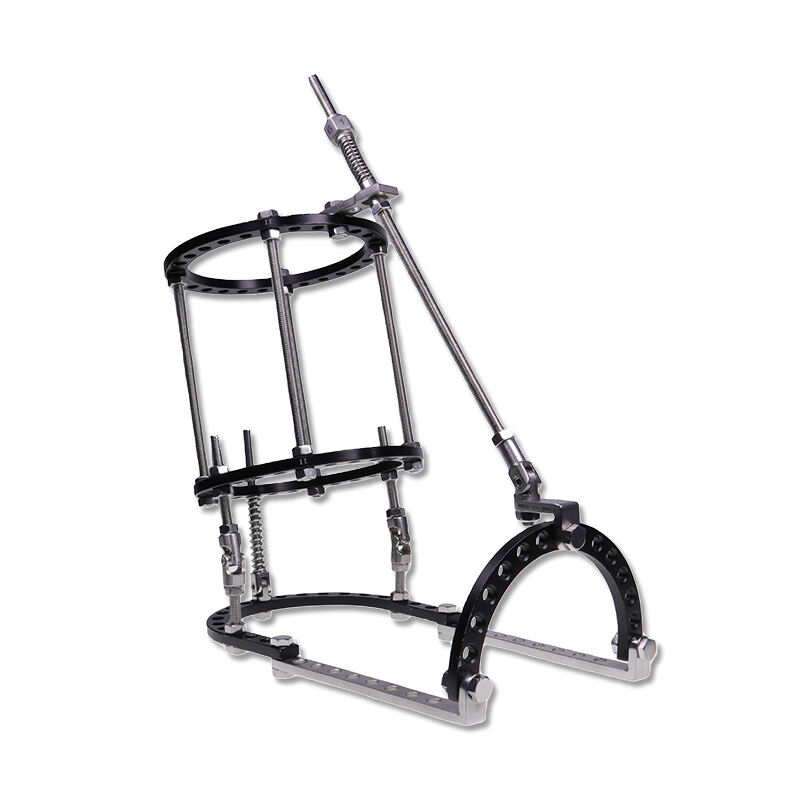
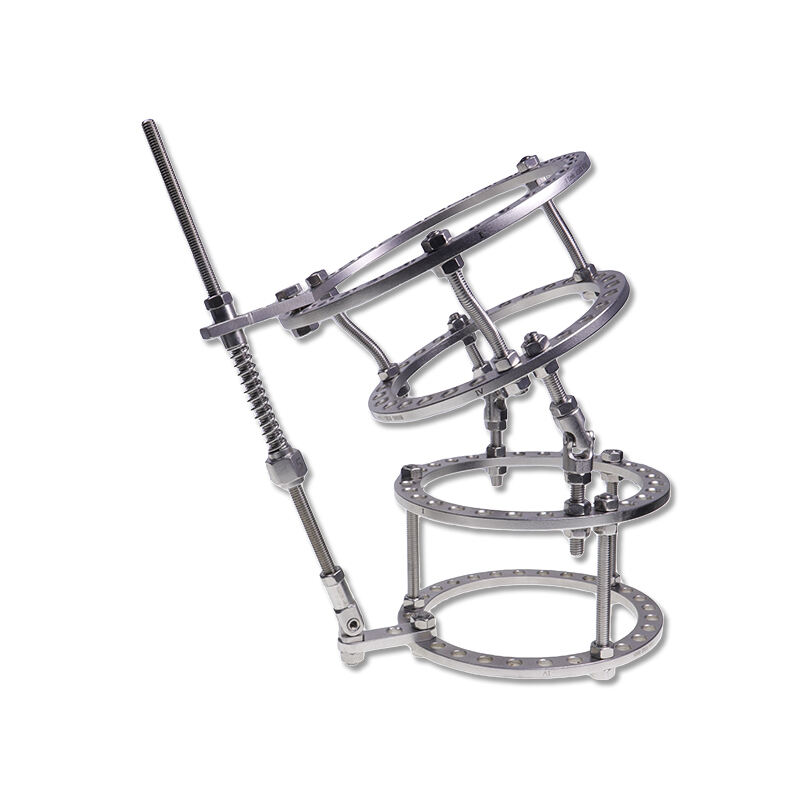
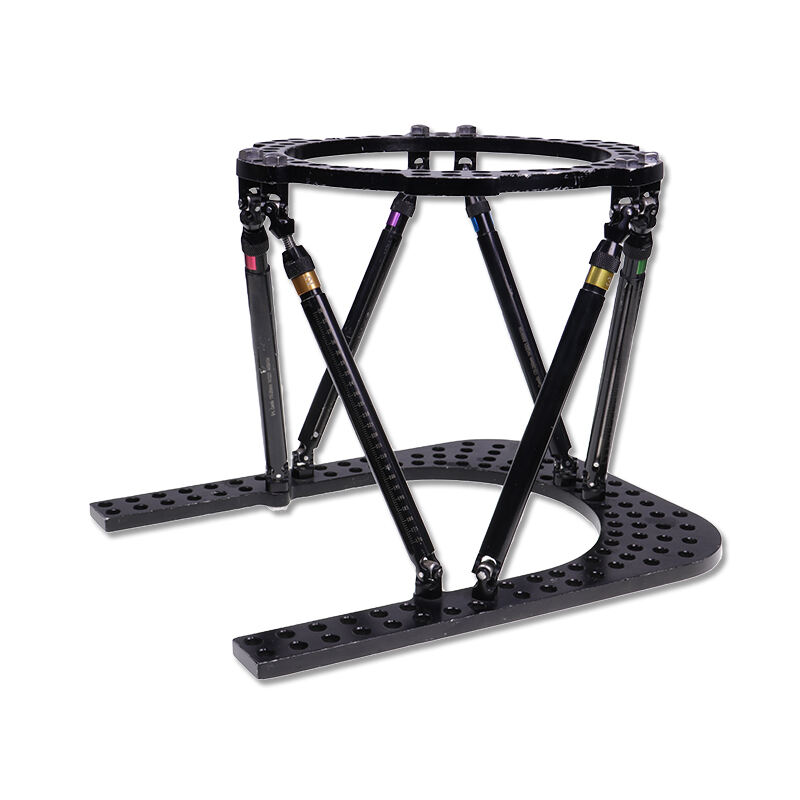
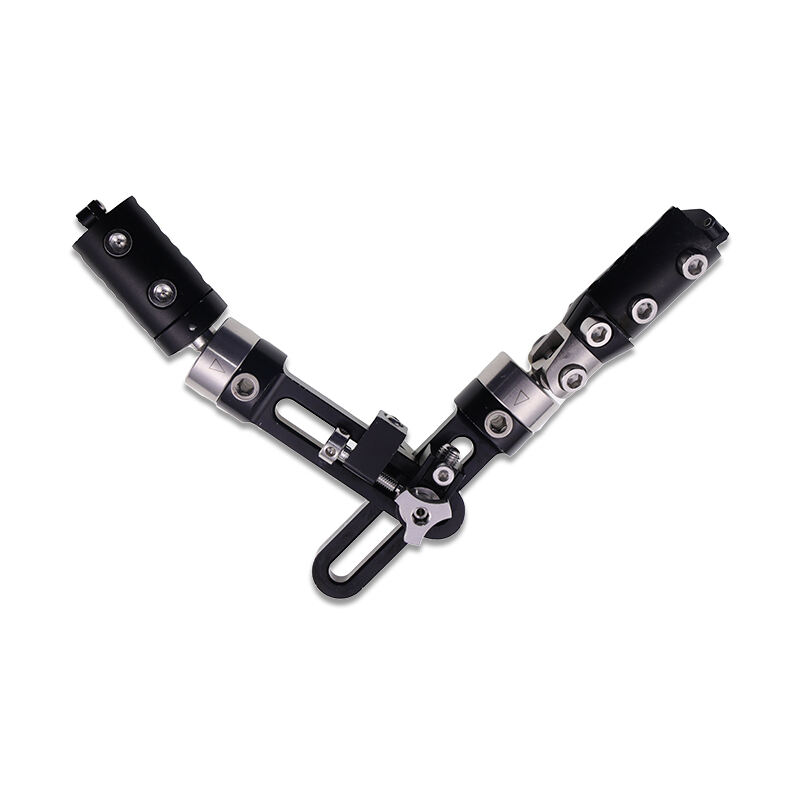
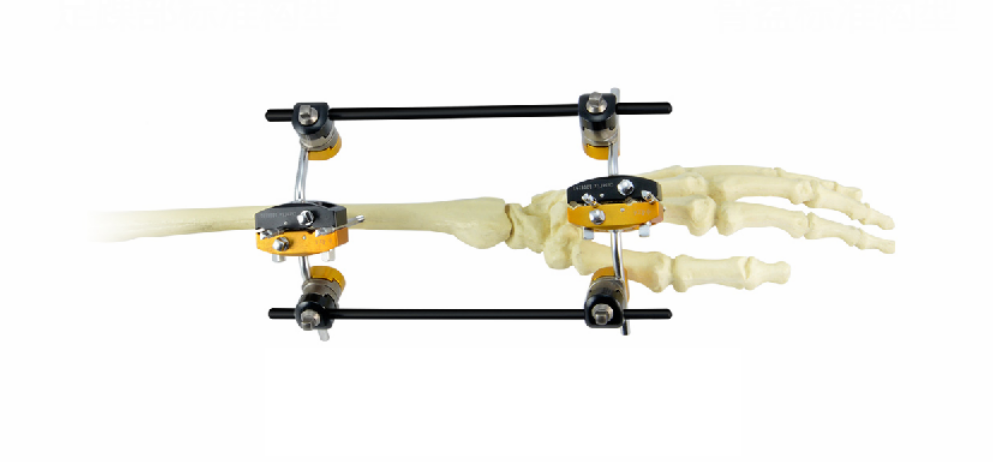
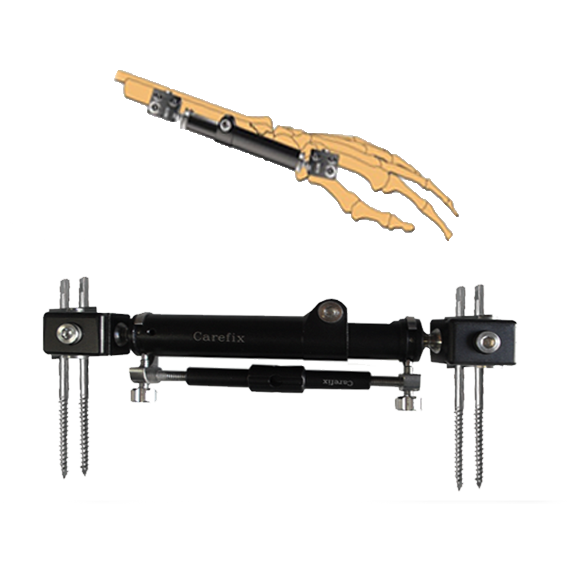
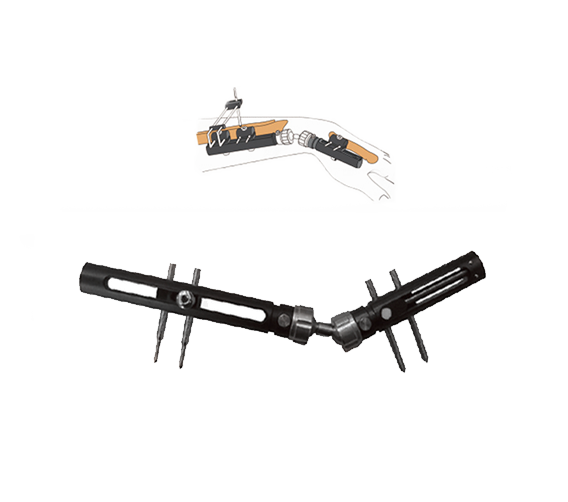
Wrist external fixation is a specialized orthopedic medical device designed to stabilize and immobilize fractured or injured wrist bones during the healing process. This sophisticated system consists of metal pins or wires that are surgically inserted through the skin into the bone fragments, connected externally by adjustable frames and rods that maintain proper bone alignment. The wrist external fixation provides crucial support for complex fractures, including comminuted fractures, open fractures, and injuries involving significant soft tissue damage. The technology features precision-engineered components manufactured from medical-grade stainless steel or titanium alloys, ensuring biocompatibility and structural integrity throughout treatment. Modern wrist external fixation systems incorporate modular designs that allow surgeons to customize configurations based on specific fracture patterns and patient anatomy. The adjustable nature of these devices enables healthcare professionals to make incremental corrections during the healing period without additional surgery. Primary applications include managing distal radius fractures, carpal bone injuries, wrist arthrodesis procedures, and post-traumatic reconstruction cases. The wrist external fixation serves as an essential tool in orthopedic trauma centers, emergency departments, and specialized hand surgery facilities worldwide. By maintaining three-dimensional stability while allowing soft tissue access for wound care and monitoring, this medical solution addresses challenging clinical scenarios where internal fixation methods may be contraindicated or insufficient. The system promotes optimal healing conditions while minimizing complications associated with severe wrist trauma.

New Product Recommendations

The wrist external fixation delivers substantial benefits that directly impact patient recovery outcomes and clinical efficiency. Treatment versatility stands as a primary advantage, as this device accommodates various fracture types and injury severities that would otherwise require multiple surgical interventions. Patients benefit from reduced operative time compared to complex internal fixation procedures, lowering anesthesia exposure and associated surgical risks. The minimally invasive pin placement technique preserves blood supply to bone fragments, promoting faster healing and reducing infection risks at fracture sites. Healthcare facilities appreciate the cost-effectiveness of wrist external fixation systems, as they eliminate expensive implant inventories while providing adjustable treatment options throughout recovery. The external positioning allows continuous visual monitoring of surgical sites and facilitates regular wound care without device removal, particularly valuable for open fractures or contaminated injuries. Surgeons gain precise control over fracture reduction through gradual adjustment capabilities, enabling fine-tuning of bone alignment as swelling subsides and healing progresses. Early mobilization of fingers and thumb becomes possible while maintaining wrist stability, preventing joint stiffness and muscle atrophy that commonly complicate prolonged immobilization. The wrist external fixation proves especially suitable for patients with poor bone quality, severe osteoporosis, or compromised soft tissues where internal hardware might fail. Emergency medicine applications benefit from rapid application capabilities, providing immediate stabilization in acute trauma settings before definitive treatment planning. The system's temporary or definitive use flexibility allows clinicians to adapt treatment strategies based on evolving patient conditions. Removal procedures require only local anesthesia and brief outpatient visits, eliminating hospitalization costs and recovery downtime associated with implant extraction surgeries. These practical advantages make wrist external fixation an indispensable solution for modern orthopedic trauma management.

Latest News

Application analysis of intramedullary nail system in ankle joint fusion

16

Dec

Application analysis of intramedullary nail system in ankle joint fusion

The evolution of orthopedic surgical techniques has brought significant advancements in treating complex ankle pathologies, particularly through the implementation of modern fixation systems. An intramedullary nail system represents a revolutionary a...
View More
Understanding Intramedullary Nail Complications

13

Jan

Understanding Intramedullary Nail Complications

Intramedullary nail complications represent a significant concern in orthopedic surgery, affecting patient outcomes and recovery timelines. These complications can arise during insertion, throughout the healing process, or during long-term implant re...
View More
Evolution of Intervertebral Fusion Device Materials: Clinical Efficacy Comparison between PEEK and Titanium Alloy

13

Jan

Evolution of Intervertebral Fusion Device Materials: Clinical Efficacy Comparison between PEEK and Titanium Alloy

The advancement of spinal surgery has been significantly influenced by the development of sophisticated intervertebral fusion device technologies. Modern spine surgeons rely heavily on these devices to achieve successful fusion outcomes while minimiz...
View More
Ankle internal fixation system: Advantages of ankle locking plate in the treatment of complex fractures

06

Mar

Ankle internal fixation system: Advantages of ankle locking plate in the treatment of complex fractures

Complex ankle fractures represent one of the most challenging orthopedic injuries, requiring precise surgical intervention and advanced fixation techniques to restore optimal function and stability. The ankle locking plate has emerged as a revolution...
View More

Get a Free Quote

Our representative will contact you soon.
Email
Name
Company Name
Message
0/1000

wrist external fixation

Advanced Adjustability for Optimal Bone Alignment

Advanced Adjustability for Optimal Bone Alignment

The wrist external fixation incorporates sophisticated adjustment mechanisms that empower surgeons to achieve and maintain precise bone positioning throughout the entire healing process. Unlike rigid internal fixation methods, this system features multiple adjustment points along connecting rods and clamps, allowing three-dimensional manipulation of bone fragments without additional surgical procedures. This dynamic capability proves invaluable during the initial post-operative period when soft tissue swelling subsides and fracture fragments may shift position. Surgeons can make incremental corrections during follow-up appointments, ensuring optimal alignment as healing progresses. The graduated adjustment feature enables distraction techniques that promote bone regeneration in cases of bone loss or compression injuries. Healthcare providers value this flexibility as it reduces the need for revision surgeries that increase patient risk and healthcare costs. Patients experience better functional outcomes as bone alignment can be perfected over time rather than relying solely on initial surgical positioning. The wrist external fixation adjustment capabilities also accommodate growth considerations in pediatric patients, allowing modifications as young bones develop during treatment.
Enhanced Soft Tissue Management and Monitoring

Enhanced Soft Tissue Management and Monitoring

The external configuration of wrist external fixation systems provides unparalleled access to surrounding soft tissues, addressing a critical challenge in complex wrist trauma management. Unlike internal plates and screws that remain buried beneath skin and muscle, this design allows direct visualization of surgical sites, wounds, and healing tissues throughout treatment. Medical professionals can easily assess for signs of infection, monitor wound healing progress, and perform necessary debridement or dressing changes without device interference. This accessibility becomes especially critical in open fractures where contamination risks demand frequent wound inspection and cleaning. The wrist external fixation design minimizes additional soft tissue trauma since only small pin insertion sites require healing, preserving muscle attachments and vascular networks essential for bone regeneration. Patients with compromised skin conditions, burns, or extensive lacerations benefit significantly as the device avoids placement of hardware through damaged tissues. The open access facilitates physical therapy interventions and allows therapists to work directly with tendons and joints while maintaining fracture stability, optimizing rehabilitation outcomes and preventing complications.
Versatile Application Across Diverse Clinical Scenarios

Versatile Application Across Diverse Clinical Scenarios

The wrist external fixation demonstrates remarkable adaptability across numerous clinical situations, making it an essential tool for orthopedic specialists managing varied patient populations. This system effectively addresses both simple and highly complex fracture patterns, from standard distal radius breaks to severe comminuted injuries involving multiple bone fragments. Trauma surgeons rely on wrist external fixation for emergency stabilization of high-energy injuries where immediate internal fixation may be unsafe due to soft tissue swelling or contamination. The device serves excellently as a temporary stabilization method, maintaining bone position while patients undergo medical optimization before definitive surgical reconstruction. In cases involving bone infection or hardware failure from previous surgeries, wrist external fixation provides stable support without introducing additional foreign material into compromised tissues. Pediatric orthopedics benefits from this technology as pin placement can be adjusted to avoid growth plates while still achieving adequate stabilization. Elderly patients with fragile bones find wrist external fixation particularly suitable since the distributed force across multiple pins reduces single-point failure risks associated with traditional screws and plates.
logo