Ring External Fixation - Advanced Orthopedic Solution

Get a Free Quote

Our representative will contact you soon.
Email
Name
Company Name
Message
0/1000

ring external fixation

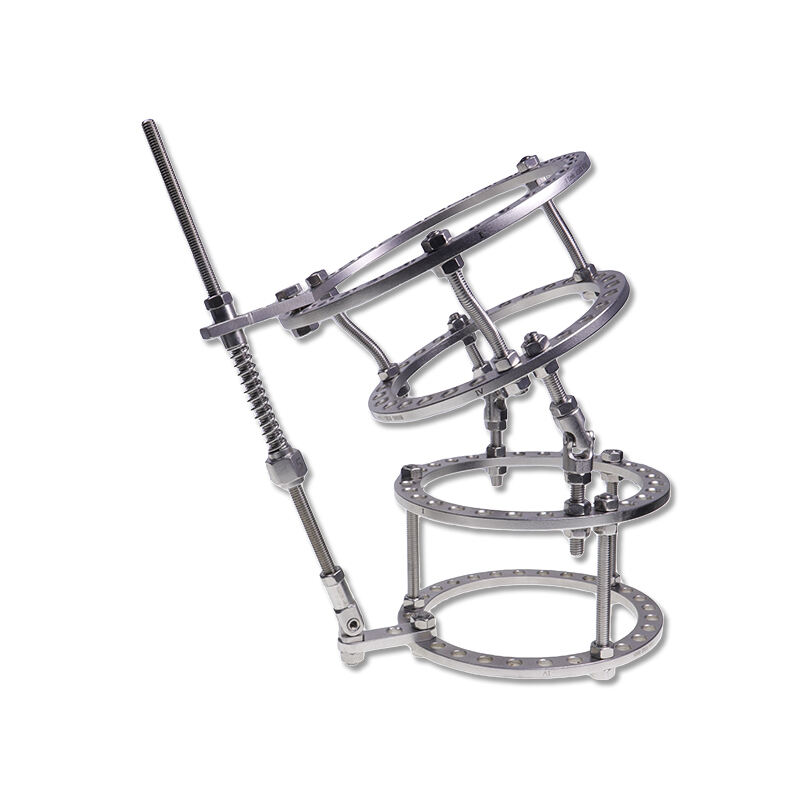
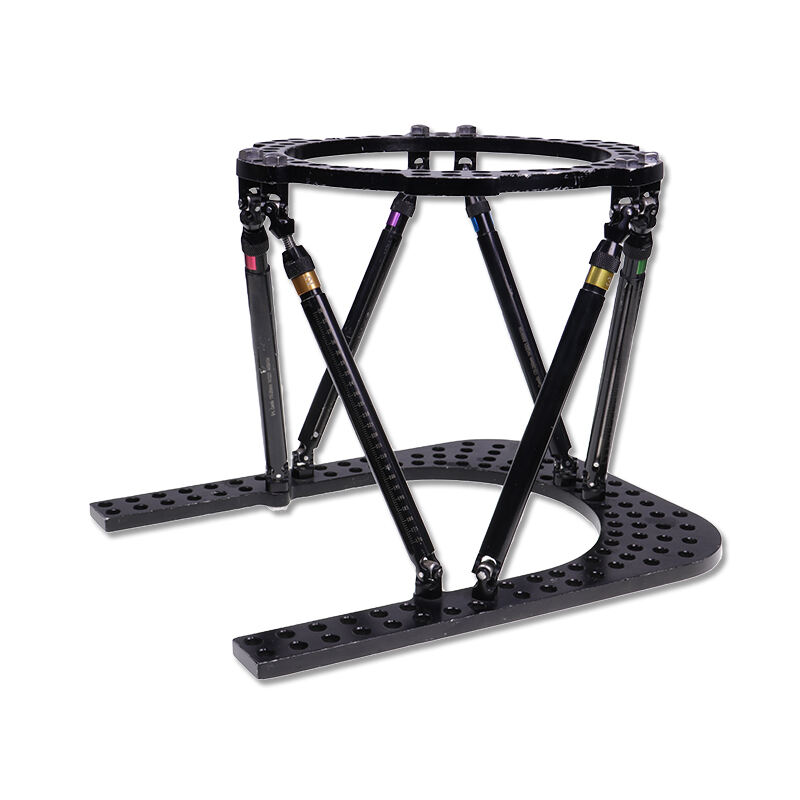
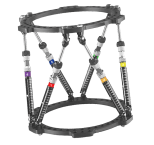
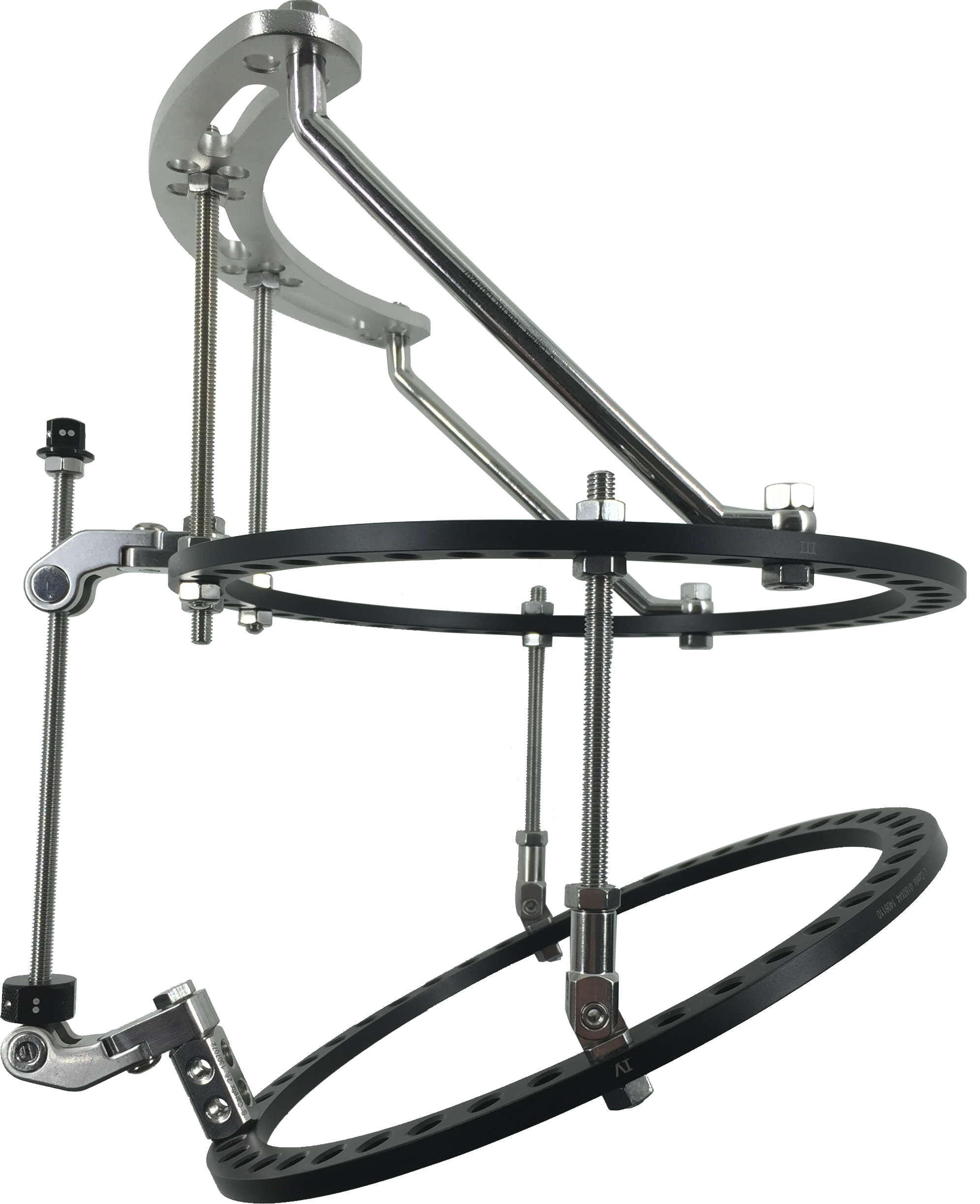
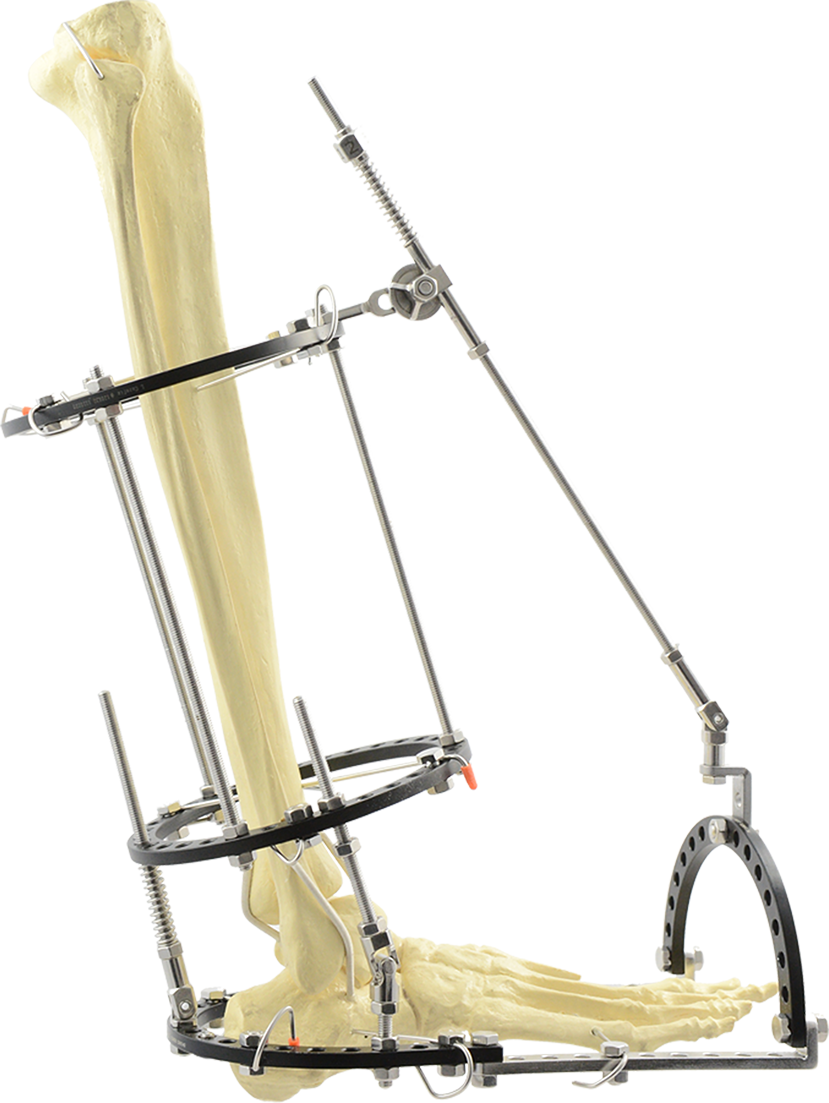
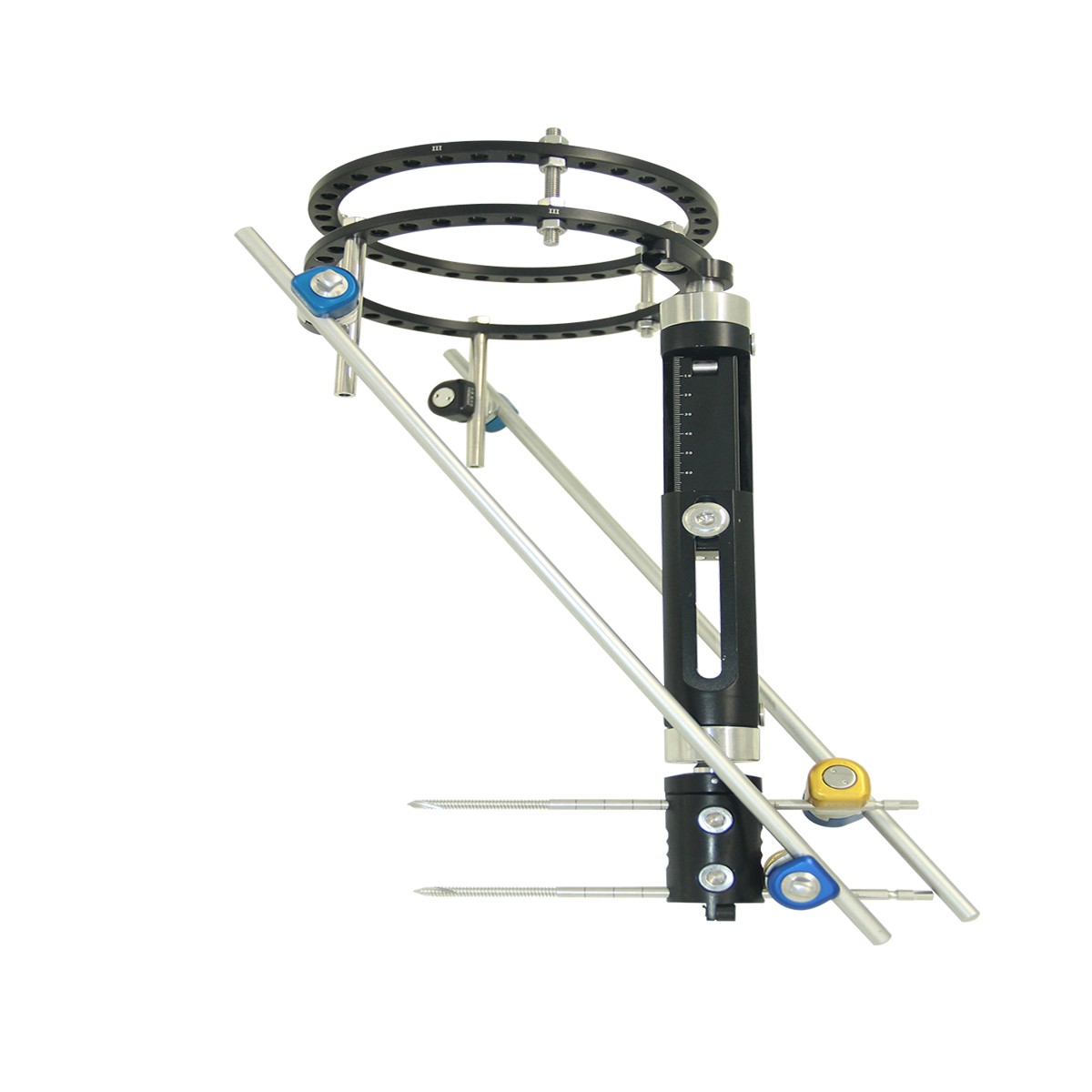
Ring external fixation is an advanced orthopedic device designed to stabilize and treat complex bone fractures, deformities, and limb length discrepancies. This innovative system consists of circular rings connected by adjustable threaded rods and wires that are attached to the bone through minimally invasive techniques. The ring external fixation provides exceptional three-dimensional stability while allowing controlled bone movement and gradual correction of skeletal abnormalities. Its modular design enables surgeons to customize the configuration based on individual patient anatomy and specific clinical requirements. The technology features tensioned wires and half-pins strategically positioned through the rings to secure bone fragments in optimal alignment. This external framework maintains precise positioning throughout the healing process while preserving soft tissue integrity and promoting natural bone regeneration. The ring external fixation is extensively used in trauma surgery, limb reconstruction, and correction of congenital deformities. Medical professionals favor this system for managing severe open fractures, infected non-unions, and post-traumatic complications where traditional internal fixation methods are unsuitable. The device supports early mobilization and weight-bearing activities, significantly improving patient recovery outcomes. Its transparent design allows continuous wound monitoring and facilitates necessary interventions without frame removal. Ring external fixation represents a critical solution in modern orthopedic surgery, offering versatility for treating challenging skeletal conditions across diverse patient populations.

New Product Releases

Ring external fixation delivers significant practical benefits that directly address patient recovery needs and surgical efficiency. Patients experience faster healing times because the system maintains optimal bone alignment while allowing controlled micro-movements that stimulate natural bone formation. The minimally invasive application reduces surgical trauma compared to traditional open procedures, resulting in smaller incisions, less scarring, and decreased post-operative pain. Medical facilities benefit from the device's adjustability, which allows non-invasive corrections after initial application without requiring additional surgeries. This adaptability reduces healthcare costs and minimizes patient exposure to anesthesia risks. The ring external fixation excels in managing complex cases that other fixation methods cannot adequately address, including severe bone infections, significant bone loss, and multi-fragmentary fractures. Patients maintain greater mobility during treatment since the external framework supports protected weight-bearing activities, preventing muscle atrophy and joint stiffness. Healthcare providers appreciate the system's versatility across various anatomical locations and patient ages, from pediatric limb lengthening to adult trauma reconstruction. The transparent ring structure enables continuous wound inspection and treatment without removing hardware, crucial for preventing infections and monitoring healing progress. Surgeons can make gradual, precise adjustments to correct angular deformities and length discrepancies throughout the treatment period. Ring external fixation proves particularly valuable in resource-limited settings where repeated surgical interventions are impractical. The system's proven track record in salvaging severely damaged limbs helps patients avoid amputation while achieving functional restoration. Decision-makers value the comprehensive solution that addresses immediate stabilization needs and long-term reconstructive goals within a single treatment framework.

Tips And Tricks

Taylor brace: a new choice for minimally invasive treatment of complex fracture repair

11

Feb

Taylor brace: a new choice for minimally invasive treatment of complex fracture repair

The Taylor brace represents a significant advancement in orthopedic trauma management, offering surgeons and patients a minimally invasive alternative for treating complex fracture repairs. This innovative external fixation system has transformed the...
View More
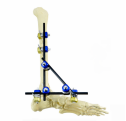
The application advantages of modular braces in ankle fractures

11

Feb

The application advantages of modular braces in ankle fractures

Ankle fractures represent one of the most challenging orthopedic conditions, requiring precise stabilization and optimal healing conditions. Modern orthopedic treatment has evolved significantly with the introduction of advanced fixation systems, par...
View More
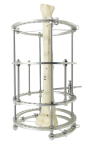
Treatment of osteomyelitis and tibial pseudarthrosis: The advantages of the Ilizarov frame

06

Mar

Treatment of osteomyelitis and tibial pseudarthrosis: The advantages of the Ilizarov frame

The treatment of complex orthopedic conditions such as osteomyelitis and tibial pseudarthrosis presents significant challenges that require innovative surgical approaches. Among the most effective solutions available to orthopedic surgeons today is t...
View More
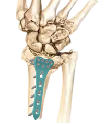
Distal radial volar locking plate: refined design enhances the success rate of fracture fixation

06

Mar

Distal radial volar locking plate: refined design enhances the success rate of fracture fixation

The treatment of distal radius fractures has undergone significant evolution in recent decades, with the distal radial volar locking plate emerging as a cornerstone technology in modern orthopedic practice. These innovative implants represent a parad...
View More

Get a Free Quote

Our representative will contact you soon.
Email
Name
Company Name
Message
0/1000

ring external fixation

Three-Dimensional Stability and Precision Control

Three-Dimensional Stability and Precision Control

The ring external fixation provides unparalleled three-dimensional stabilization through its unique circular architecture and tensioned wire system. Multiple thin wires cross through the bone at various angles, distributing forces evenly across the entire ring structure and creating a biomechanically superior construct. This multi-planar stability prevents unwanted rotation, translation, and angulation while maintaining the precise bone position required for optimal healing. The adjustable connecting rods between rings allow surgeons to perform gradual corrections measured in fractions of millimeters, achieving accuracy impossible with other fixation methods. This precision proves essential when correcting complex deformities or performing limb lengthening procedures where millimeter-level control determines functional outcomes. Patients benefit from this stability through earlier weight-bearing capability, which accelerates rehabilitation and prevents complications associated with prolonged immobilization. The controlled stability paradoxically permits beneficial micro-motion at the fracture site, stimulating callus formation and enhancing biological healing processes. Medical professionals can confidently treat severe fractures with significant soft tissue damage, knowing the ring external fixation maintains bone position without compromising blood supply or healing potential.
Versatile Application Across Complex Orthopedic Conditions

Versatile Application Across Complex Orthopedic Conditions

Ring external fixation demonstrates remarkable versatility in addressing diverse orthopedic challenges that extend far beyond simple fracture management. The system effectively treats limb length discrepancies through distraction osteogenesis, gradually lengthening bones to correct developmental differences or traumatic shortening. Surgeons successfully employ this technology for correcting angular and rotational deformities, including conditions like bowleg, knock-knee, and club foot that require precise gradual correction over extended periods. The device excels in managing infected non-unions where internal hardware would perpetuate infection, providing stable fixation while allowing wound access and antibiotic delivery. Trauma surgeons rely on ring external fixation for severe open fractures with extensive soft tissue damage, where preserving blood supply and tissue viability takes precedence over internal stabilization. The system supports bone transport techniques that regenerate large bone defects through controlled distraction of healthy bone segments. Pediatric orthopedists utilize this technology for growth modulation and congenital deformity correction, taking advantage of the adjustability that accommodates ongoing skeletal development. This comprehensive applicability makes ring external fixation an indispensable tool across multiple surgical specialties and patient populations, delivering consistent results where alternative methods prove inadequate or impossible.
Enhanced Patient Recovery and Quality of Life

Enhanced Patient Recovery and Quality of Life

Ring external fixation significantly improves patient recovery experiences through features that prioritize comfort, functionality, and psychological well-being throughout treatment. The external positioning of hardware eliminates the need for secondary surgeries to remove internal implants, sparing patients additional anesthesia exposure, surgical risks, and recovery periods. Patients appreciate the ability to shower and maintain personal hygiene more easily than with casts or bulky dressings, improving daily comfort during lengthy treatment courses. The framework's design permits early joint mobilization and protected weight-bearing activities, preventing the muscle atrophy, joint contractures, and bone density loss that accompany prolonged immobilization. This maintained mobility translates to faster return to work and daily activities, reducing the economic and social impacts of injury. Healthcare teams can adjust the device during routine office visits, avoiding hospital admissions and allowing patients to remain in familiar home environments throughout treatment. The visible progress of limb correction and healing provides psychological encouragement, helping patients stay motivated during challenging recovery journeys. Physical therapists can implement rehabilitation exercises earlier in the treatment timeline, achieving better functional outcomes and faster strength recovery. The ring external fixation ultimately transforms complex orthopedic conditions from potentially devastating injuries into manageable treatment courses with predictable, successful outcomes that restore patient independence and quality of life.

logo