Knee External Fixation: Advanced Stabilization

Get a Free Quote

Our representative will contact you soon.
Email
Name
Company Name
Message
0/1000

knee external fixation

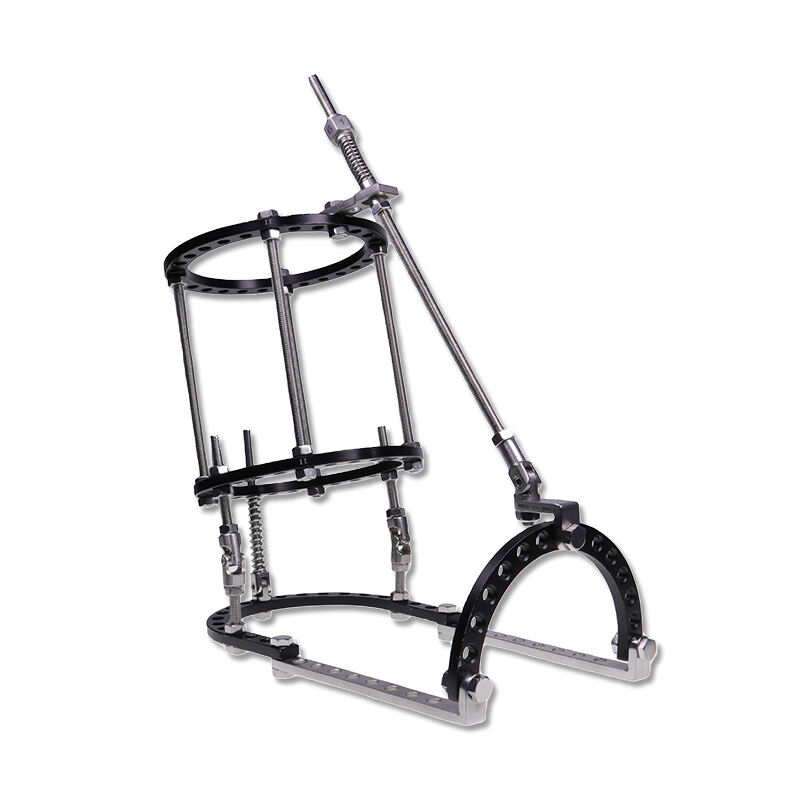
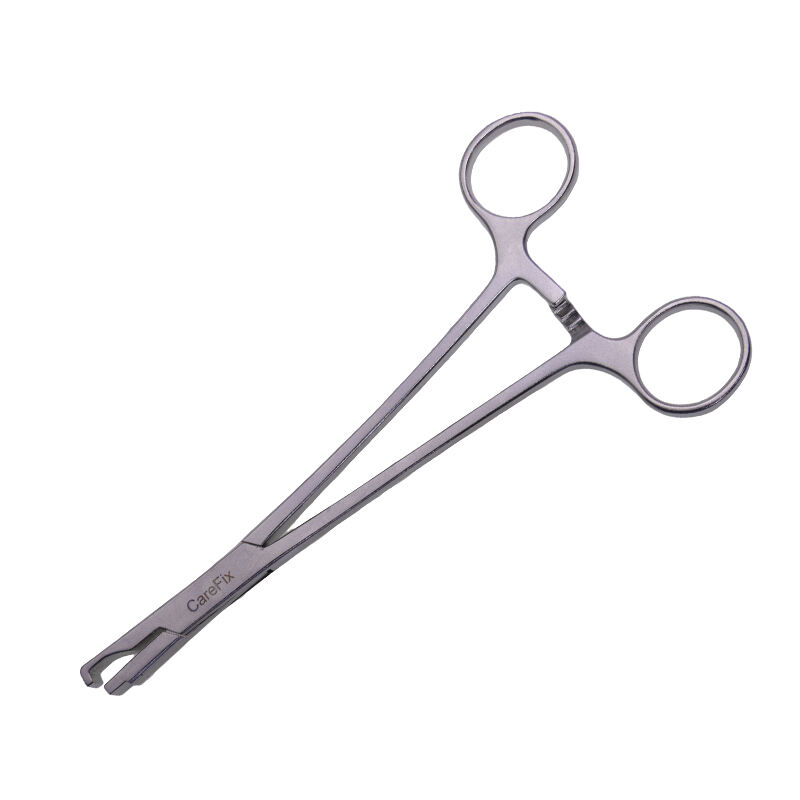
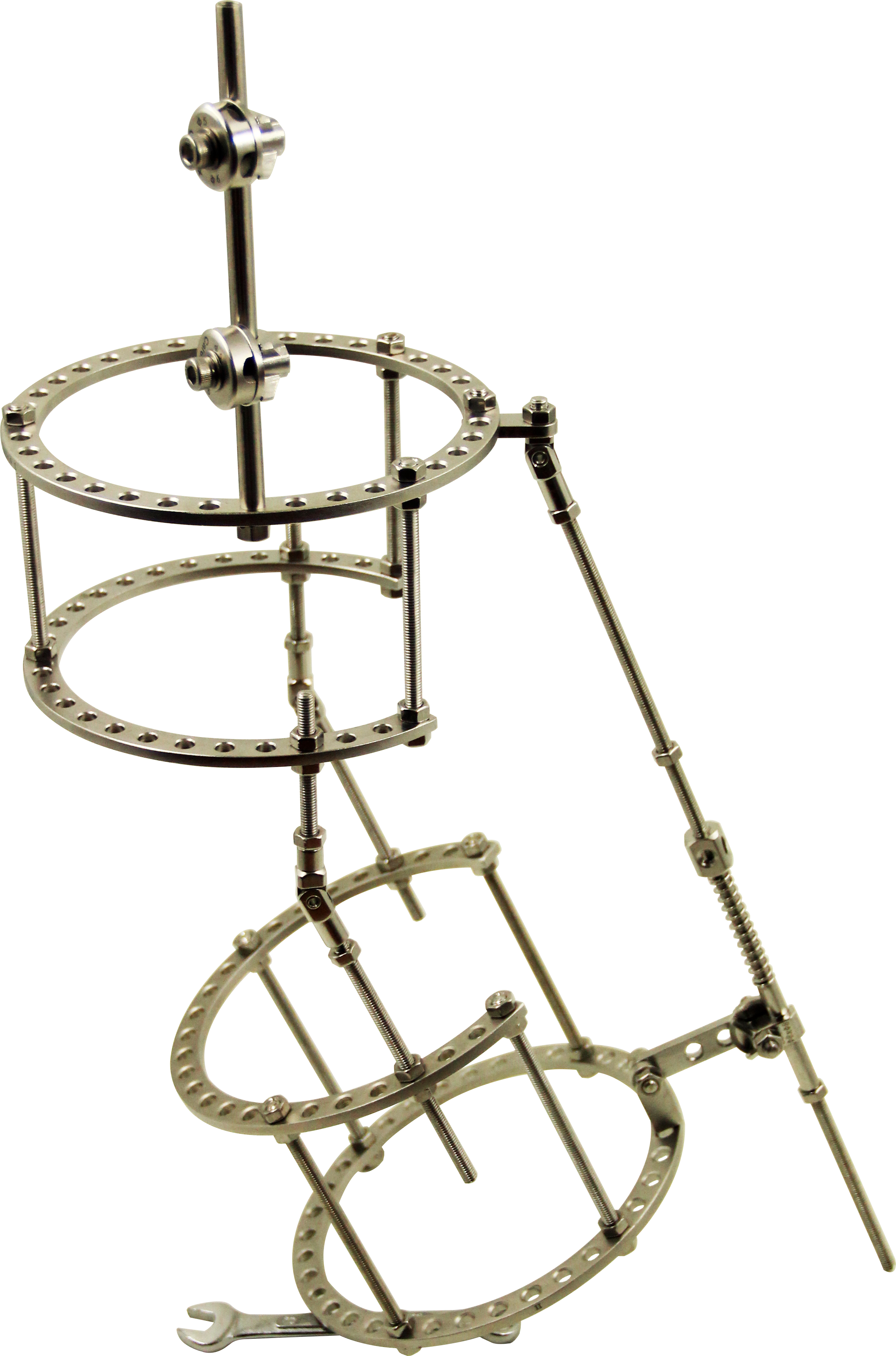
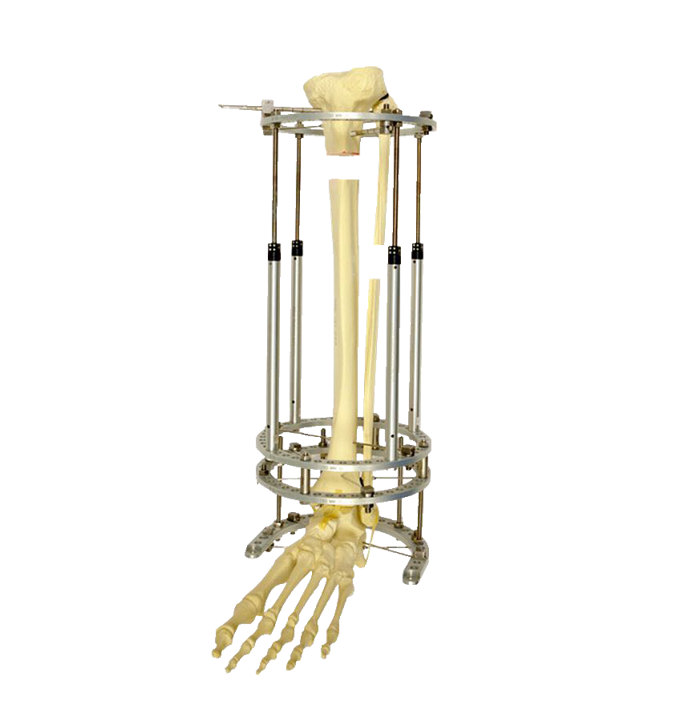
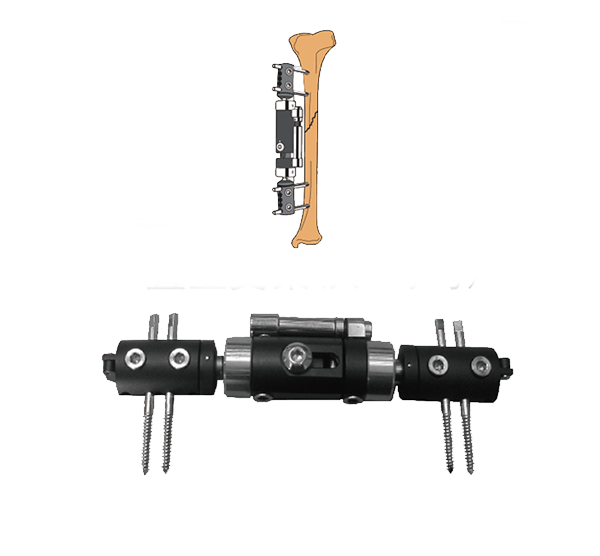
Knee external fixation is an advanced orthopedic device designed to stabilize and support the knee joint during the healing process following trauma, fracture, or complex surgical procedures. This medical apparatus consists of metal pins or wires that penetrate the bone above and below the knee, connected to an external frame that maintains proper alignment and immobilization. The knee external fixation system serves as a temporary or definitive treatment solution for severe knee injuries, open fractures, infected joints, and cases requiring gradual correction of deformities. Its primary functions include providing rigid stabilization while allowing access to soft tissues for wound care, facilitating bone healing through controlled compression or distraction, and enabling early rehabilitation when appropriate. The technological features of knee external fixation encompass adjustable components that allow surgeons to modify alignment and compression settings post-operatively, radiolucent materials for clear imaging during follow-up examinations, and modular designs that accommodate various anatomical configurations. Modern knee external fixation systems incorporate lightweight yet durable materials such as carbon fiber and titanium alloys, reducing patient burden while maintaining structural integrity. Applications span emergency trauma care, limb salvage procedures, treatment of periarticular fractures, management of complex ligamentous injuries, and correction of angular deformities. The knee external fixation technique proves particularly valuable in damage control orthopedics, where immediate definitive internal fixation may be contraindicated due to patient instability or compromised soft tissue conditions.

New Product Releases

Choosing knee external fixation offers substantial practical benefits that directly impact patient outcomes and clinical efficiency. This treatment approach provides immediate stabilization without requiring extensive surgical dissection, minimizing additional trauma to already compromised tissues and reducing operative time significantly. Patients benefit from the ability to adjust the frame post-operatively, allowing surgeons to fine-tune alignment, compression, or distraction without additional invasive procedures, which translates to optimized healing conditions tailored to individual recovery progress. The open-frame design of knee external fixation facilitates superior wound management access, enabling healthcare providers to monitor and treat soft tissue injuries, perform dressing changes, and address infections without removing the stabilization system. This advantage proves invaluable in polytrauma cases where multiple interventions are necessary. From an operational perspective, knee external fixation systems demonstrate versatility across diverse clinical scenarios, from emergency stabilization in multiply injured patients to definitive treatment in resource-limited settings. The technique allows early patient mobilization in many cases, reducing complications associated with prolonged bed rest such as deep vein thrombosis, pneumonia, and muscle atrophy. Medical facilities appreciate the cost-effectiveness of knee external fixation compared to multiple revision surgeries, as the adjustable nature reduces the need for repeated anesthesia and operating room utilization. The decision to use knee external fixation becomes particularly valuable when internal fixation carries excessive risk due to poor soft tissue coverage, active infection, or severe comminution. Patients experience shorter initial hospital stays, faster return to partial weight-bearing when appropriate, and the psychological benefit of visible healing progress through the transparent treatment approach that knee external fixation provides.

Latest News

Application of carbon fiber material external fixation bracket in clinical practice

13

Jan

Application of carbon fiber material external fixation bracket in clinical practice

The integration of advanced materials in orthopedic surgery has revolutionized patient care and treatment outcomes. Among these innovations, carbon fiber external fixation systems have emerged as a superior alternative to traditional metal frameworks...
View More
Taylor brace: a new choice for minimally invasive treatment of complex fracture repair

11

Feb

Taylor brace: a new choice for minimally invasive treatment of complex fracture repair

The Taylor brace represents a significant advancement in orthopedic trauma management, offering surgeons and patients a minimally invasive alternative for treating complex fracture repairs. This innovative external fixation system has transformed the...
View More
Finite Element Optimization Design and Biomechanical Validation of Personalized IM Nails

11

Feb

Finite Element Optimization Design and Biomechanical Validation of Personalized IM Nails

The evolution of orthopedic trauma surgery has reached a pivotal moment with the emergence of personalized IM nails that revolutionize fracture treatment approaches. Advanced computational modeling and finite element analysis have enabled surgeons to...
View More
Taylor brace: a new choice for minimally invasive treatment of complex fracture repair

15

Apr

Taylor brace: a new choice for minimally invasive treatment of complex fracture repair

The Taylor brace represents a significant advancement in orthopedic external fixation technology, offering surgeons and patients a minimally invasive solution for complex fracture repair scenarios. This innovative Taylor brace system combines precisi...
View More

Get a Free Quote

Our representative will contact you soon.
Email
Name
Company Name
Message
0/1000

knee external fixation

Adjustable Stabilization Technology

Adjustable Stabilization Technology

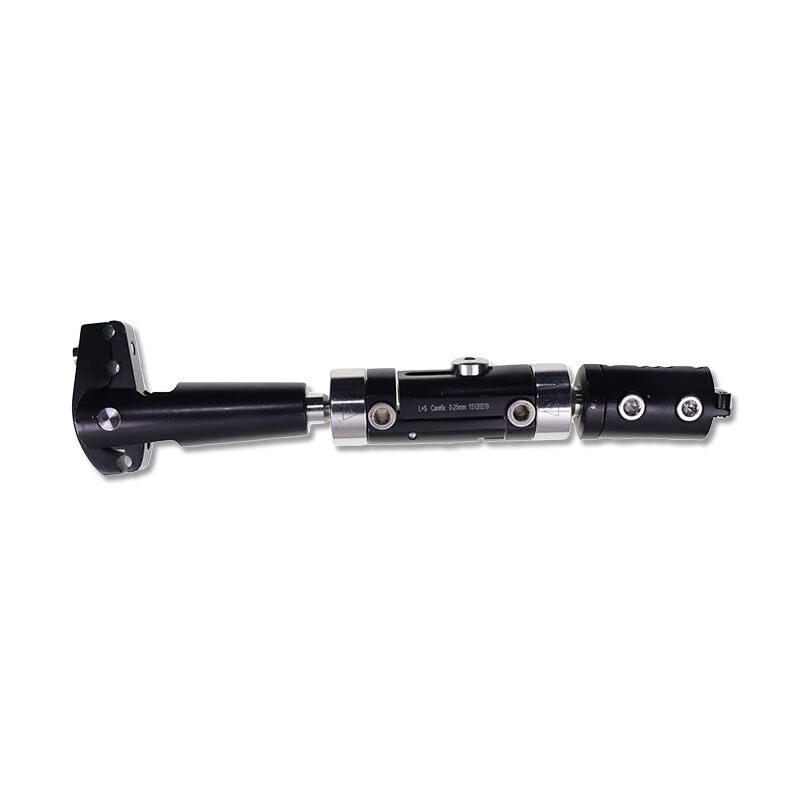
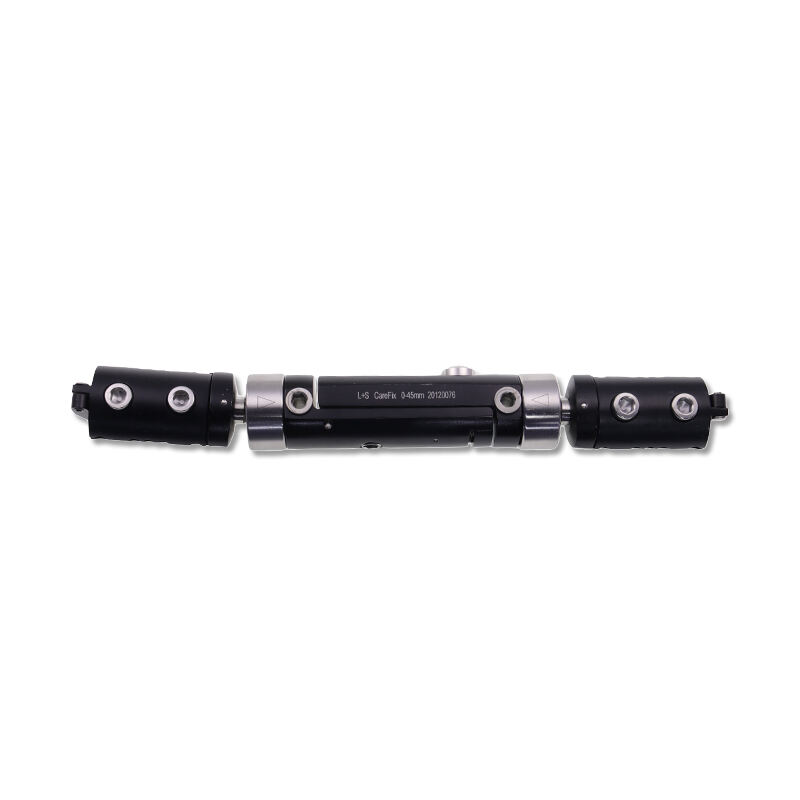
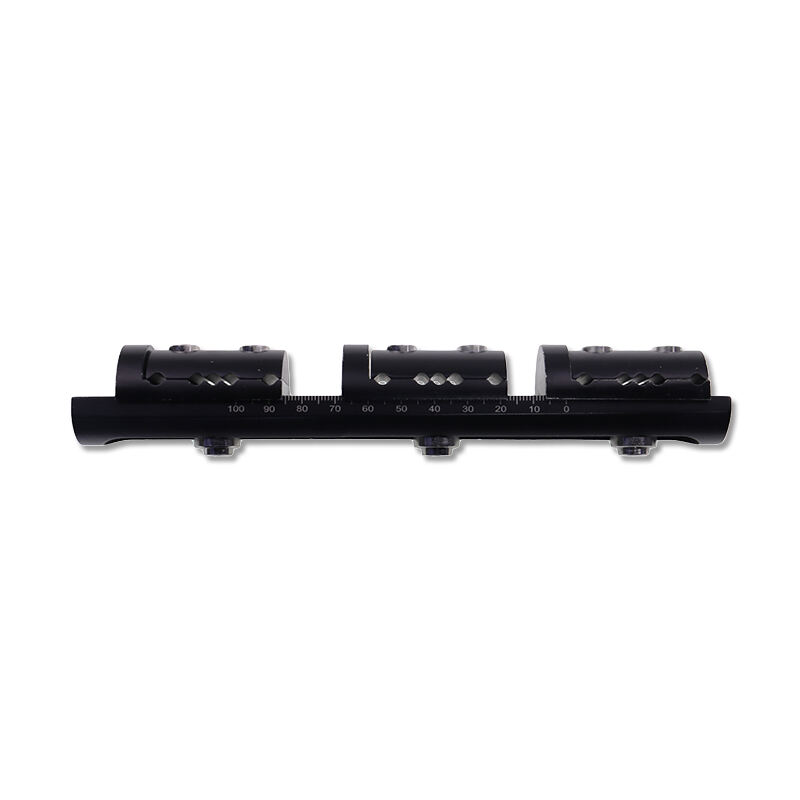
The knee external fixation system features sophisticated adjustable stabilization technology that sets it apart from traditional immobilization methods. This innovative capability allows orthopedic surgeons to modify the mechanical environment of the healing knee without subjecting patients to additional surgical procedures. Through precisely calibrated adjustment mechanisms, physicians can apply controlled compression to promote bone healing, create distraction to correct deformities gradually, or modify angular alignment as healing progresses. This dynamic treatment approach responds to the biological healing process rather than imposing a static solution. The adjustable nature of knee external fixation means that as swelling decreases, soft tissues heal, or bone consolidation occurs, the frame can be reconfigured to match evolving therapeutic needs. Patients benefit from personalized treatment progression, with adjustments made during routine clinic visits rather than requiring hospital readmission. The technology incorporates measurement scales and locking mechanisms that ensure precise, reproducible adjustments, giving surgeons confidence in their modifications. This adaptability proves especially valuable in complex cases involving bone loss, where gradual distraction osteogenesis can regenerate bone tissue, or in pediatric applications where growth considerations demand ongoing modifications throughout the treatment course.
Minimal Soft Tissue Disruption

Minimal Soft Tissue Disruption

Knee external fixation excels in preserving soft tissue integrity, a critical factor in successful orthopedic outcomes that traditional internal fixation methods often compromise. The percutaneous pin insertion technique requires only small skin incisions, avoiding the extensive surgical approaches necessary for plate and screw fixation. This minimally invasive characteristic dramatically reduces the risk of wound complications, infection, and compromised blood supply to healing tissues. In trauma situations where soft tissues are already damaged, contused, or contaminated, knee external fixation provides stable skeletal fixation without further jeopardizing the biological envelope essential for healing. The external frame configuration keeps all hardware components outside the injury zone, eliminating foreign material from contaminated or infected areas while maintaining structural stability. This separation between fixation hardware and compromised tissues allows natural immune responses to function optimally, reducing infection rates compared to internally placed implants. Surgeons can directly visualize and access wounds, burns, or surgical sites throughout the treatment period, performing debridement, skin grafting, or flap coverage procedures without disassembling the stabilization system. The preservation of soft tissue blood supply accelerates overall healing, reduces scarring, and improves final functional outcomes, making knee external fixation the preferred choice when tissue viability concerns exist.

Versatile Clinical Applications

Versatile Clinical Applications

The remarkable versatility of knee external fixation makes it an indispensable tool across numerous clinical scenarios and patient populations. In emergency departments, knee external fixation serves as rapid temporary stabilization for multiply injured patients, providing damage control that allows life-saving interventions to take priority before definitive orthopedic treatment. For open fractures with significant contamination, the system offers stable fixation while permitting aggressive wound management protocols that would be impossible with internal hardware. In complex reconstructive cases, knee external fixation facilitates limb lengthening procedures, corrects angular deformities from malunion or congenital conditions, and manages bone defects through distraction osteogenesis techniques. Pediatric orthopedics relies on knee external fixation for growth-related problems and physeal injuries where traditional fixation might damage growth plates. The system accommodates patients with compromised bone quality, including osteoporotic or pathological bone, where internal fixation would lack sufficient purchase. Military and disaster medicine settings value knee external fixation for its applicability in resource-constrained environments, requiring less specialized equipment than complex internal fixation procedures. Athletic medicine utilizes these systems for severe ligamentous injuries requiring protected motion protocols. The adaptability extends to revision scenarios where previous implants have failed, infected hardware requires removal, or nonunions need biological stimulation through controlled mechanical environment modification.
logo