orthopedic external fixation
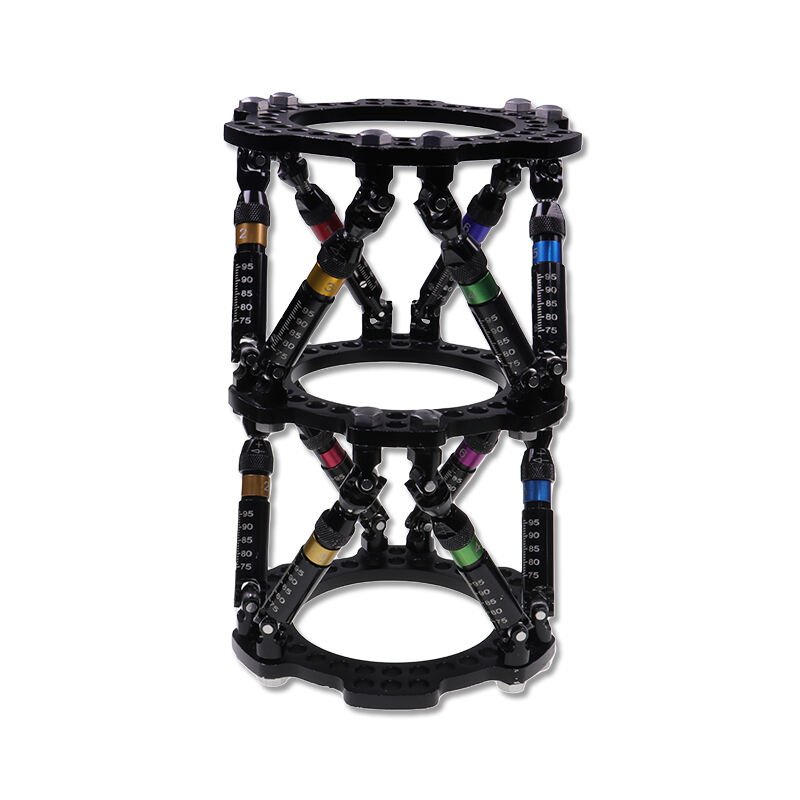
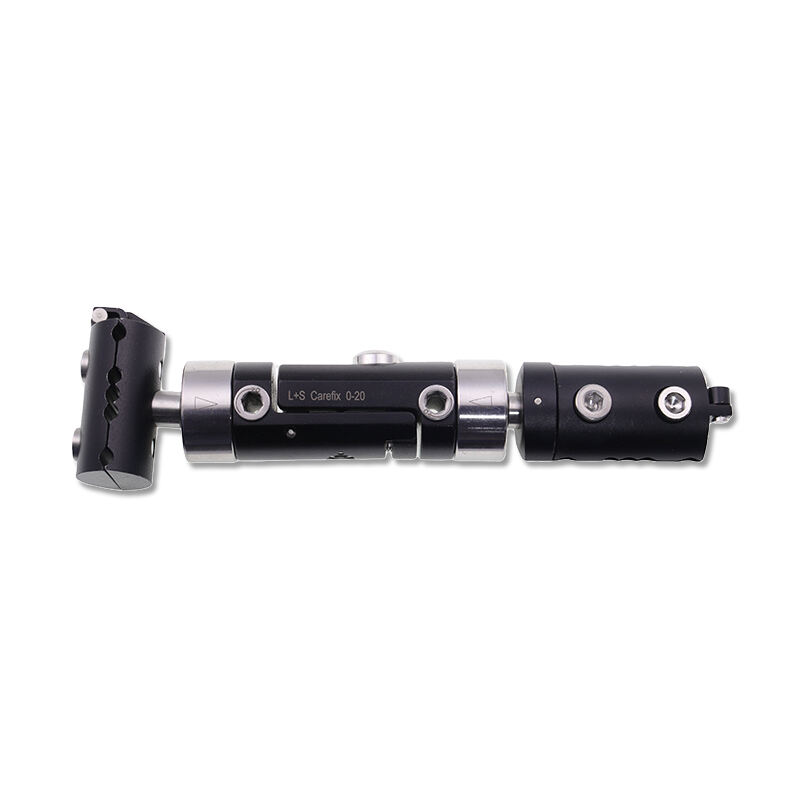
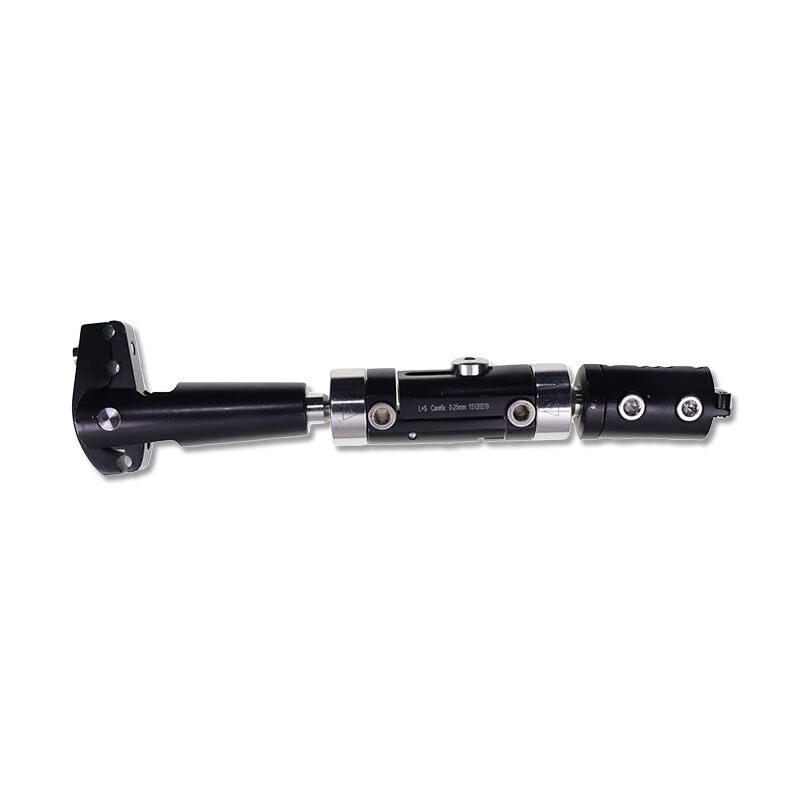
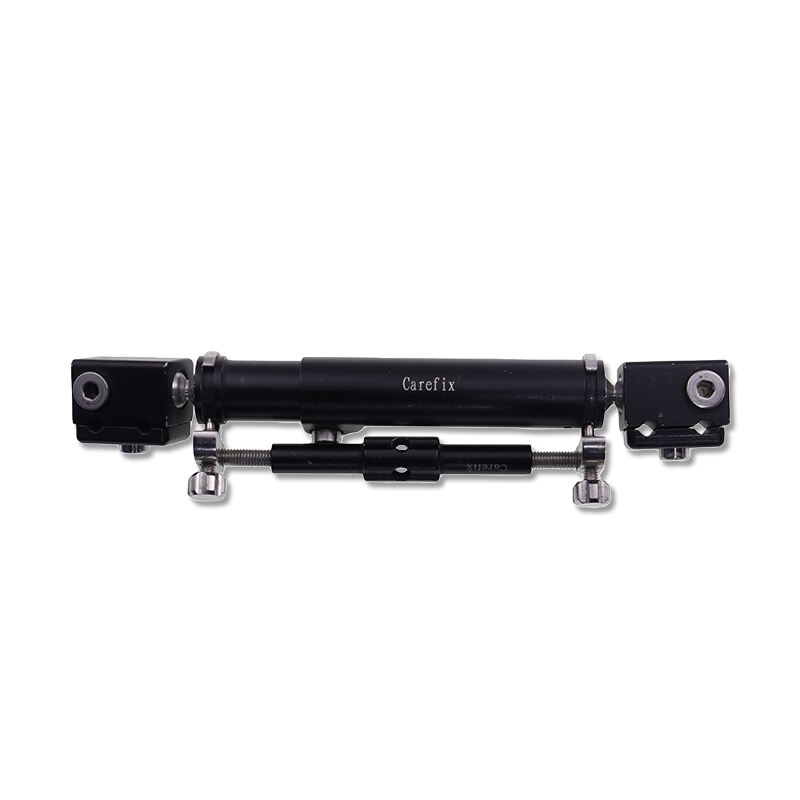
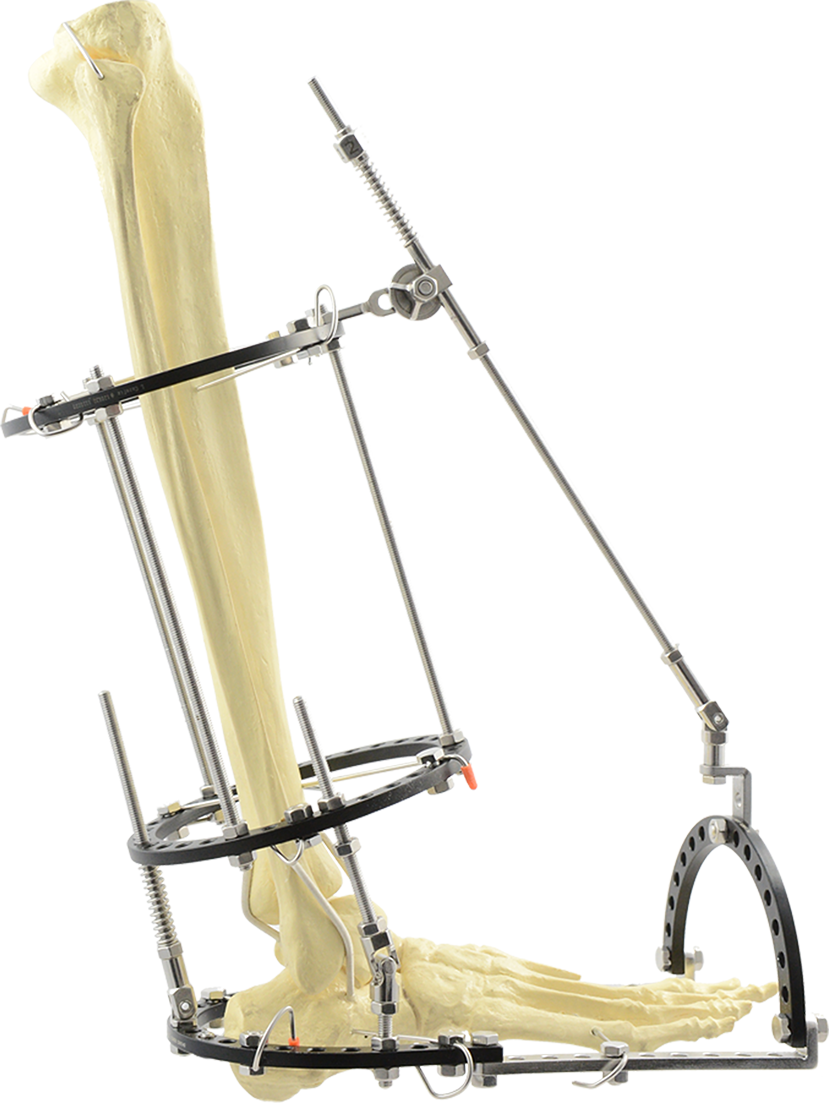
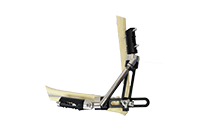
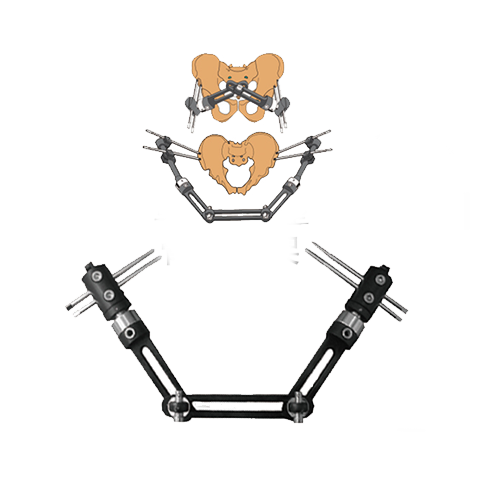
Orthopedic external fixation is a specialized surgical technique that utilizes an external framework to stabilize and align fractured or damaged bones from outside the body. This advanced medical device consists of pins, wires, or screws that are inserted through the skin into the bone, connected to an external frame made of carbon fiber or stainless steel rods. The orthopedic external fixation system provides rigid support while allowing healthcare professionals to make precise adjustments during the healing process. This technology serves multiple critical functions in modern orthopedic care, including fracture stabilization, limb lengthening, bone deformity correction, and joint fusion procedures. The primary technological features of orthopedic external fixation include adjustable components that enable three-dimensional control of bone fragments, radiolucent materials that facilitate clear imaging during treatment monitoring, and modular designs that can be customized to different anatomical locations and injury patterns. Applications span across trauma surgery for complex fractures, reconstructive procedures for bone defects, pediatric orthopedics for growth-related conditions, and sports medicine for severe ligament injuries. The orthopedic external fixation approach proves particularly valuable in cases involving open fractures with soft tissue damage, infected fractures requiring staged treatment, polytrauma patients needing damage control surgery, and situations where internal fixation methods are contraindicated due to poor bone quality or compromised vascular supply.
 EN
EN