Finger External Fixation Solutions

Get a Free Quote

Our representative will contact you soon.
Email
Name
Company Name
Message
0/1000

finger external fixation

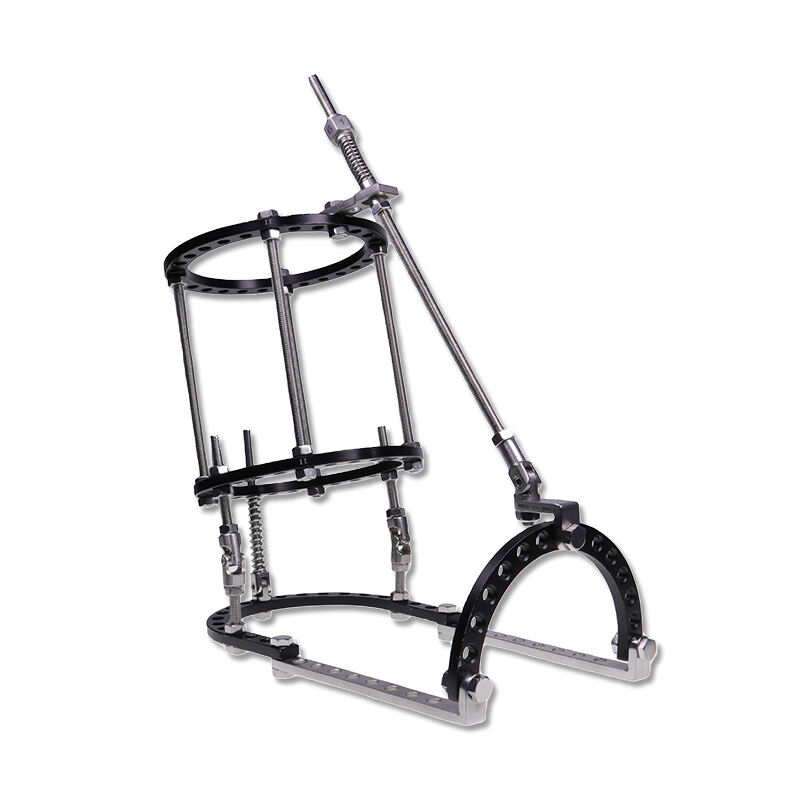
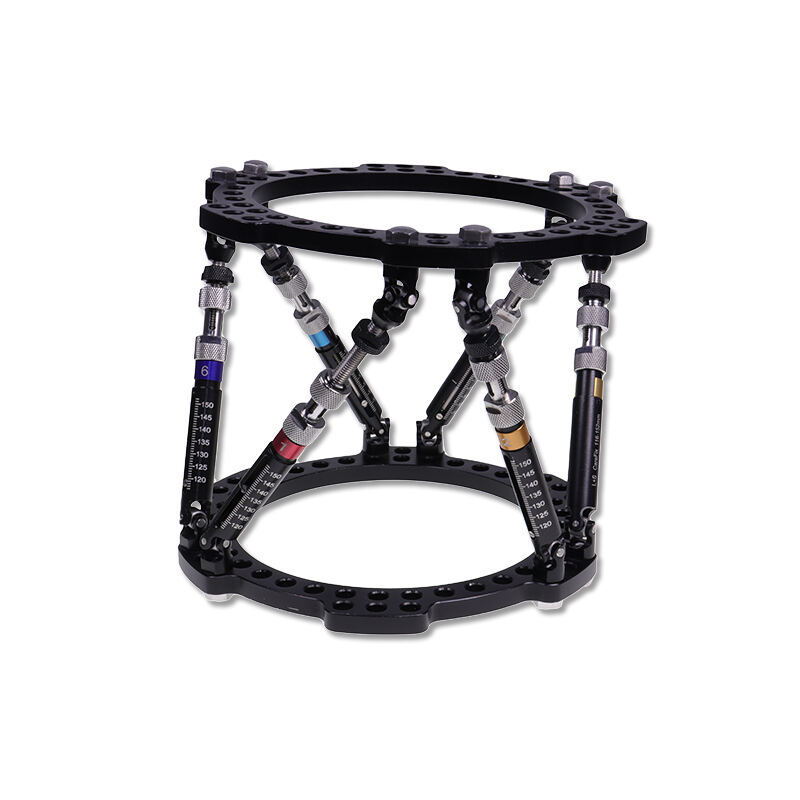
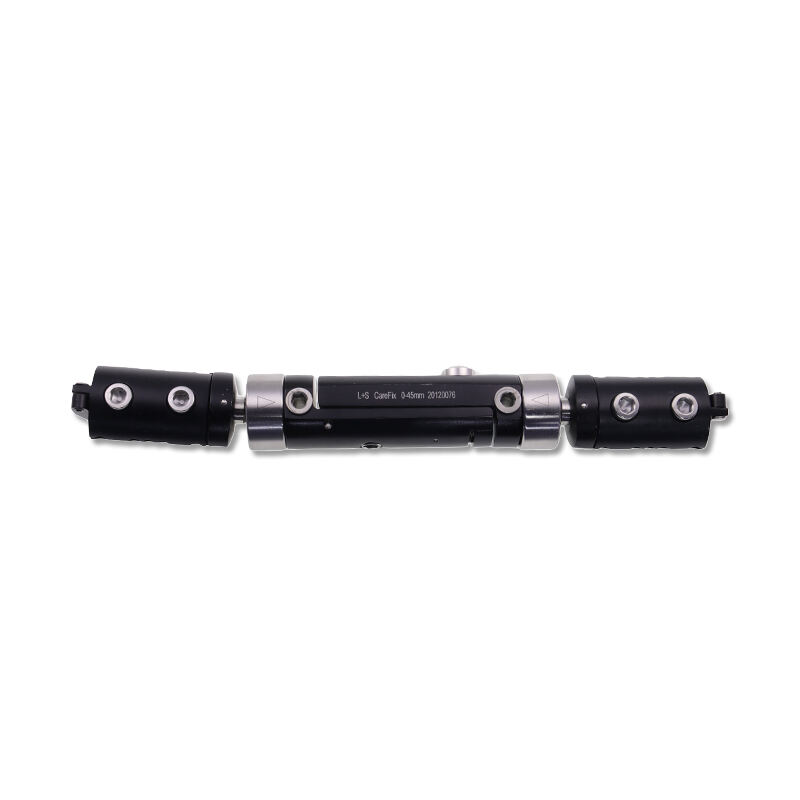
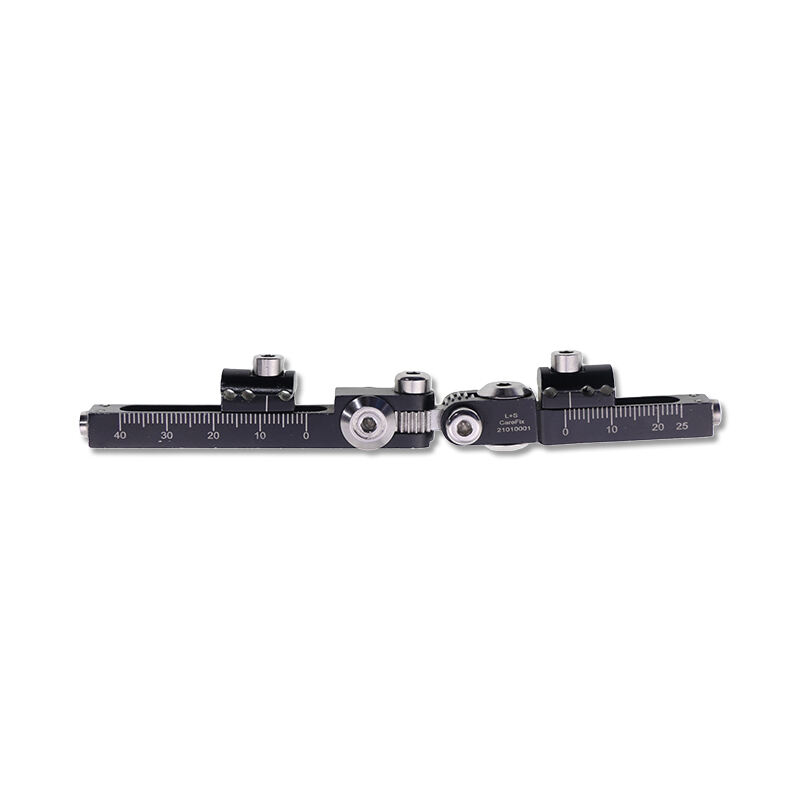
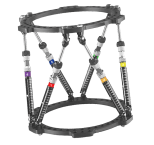
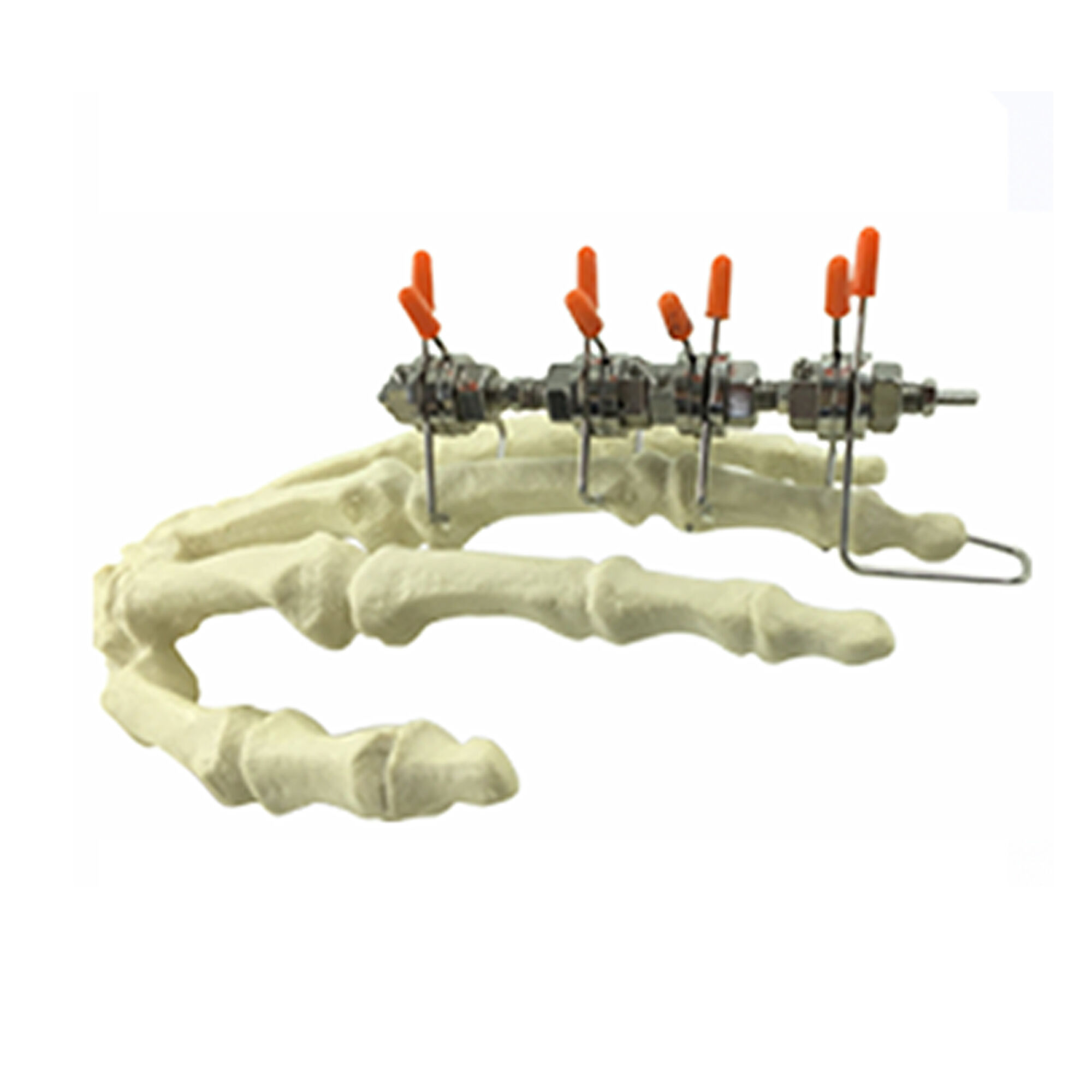
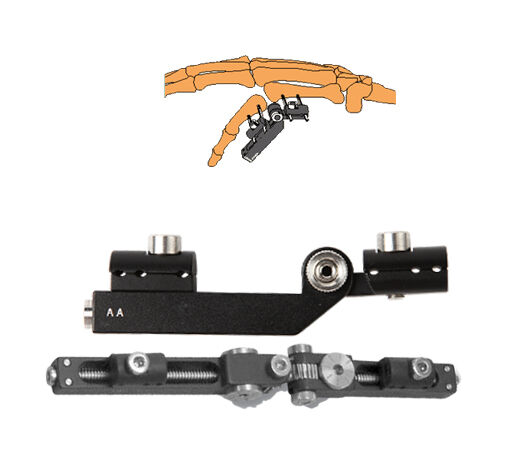
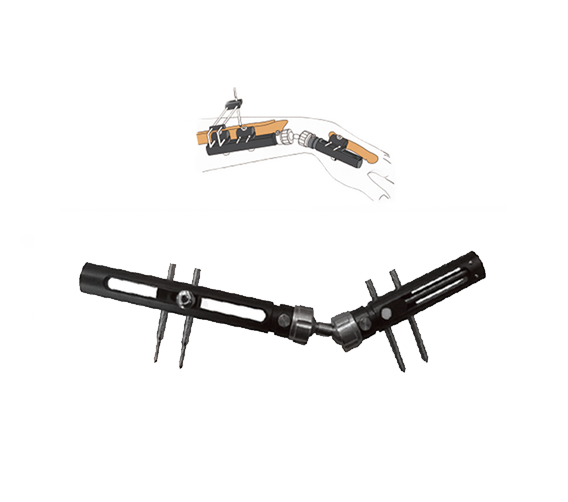
Finger external fixation is an advanced orthopedic device designed to stabilize and align fractured or injured finger bones during the healing process. This medical apparatus consists of pins, wires, and an external frame that work together to maintain proper bone alignment without requiring invasive internal hardware. The finger external fixation system provides surgeons with a versatile solution for treating complex finger fractures, joint dislocations, and severe soft tissue injuries that demand precise stabilization. The device's primary function involves penetrating the skin and bone with carefully placed pins that connect to an adjustable external framework, creating a rigid structure that immobilizes the injured finger while allowing surrounding tissues to heal naturally. Technological features of finger external fixation include its modular design, which enables customization based on individual patient anatomy and injury patterns. The system incorporates lightweight materials such as medical-grade aluminum or carbon fiber, reducing patient discomfort while maintaining structural integrity. Applications for finger external fixation span multiple clinical scenarios, including comminuted fractures where bone fragments require precise positioning, open fractures with significant soft tissue damage, fractures with bone loss requiring gradual distraction, and cases where internal fixation methods prove unsuitable due to infection risk or poor bone quality. This technology serves hand surgeons, orthopedic specialists, and trauma centers treating patients who have sustained workplace injuries, sports-related trauma, or accident-related finger damage requiring sophisticated stabilization methods beyond traditional casting or splinting approaches.

New Products

The finger external fixation offers significant practical benefits that directly impact patient outcomes and clinical efficiency. Patients experience faster recovery times because the device maintains optimal bone alignment throughout the healing process, reducing the risk of malunion or nonunion complications. The external nature of this fixation method means no permanent hardware remains inside the body after removal, eliminating concerns about future implant-related issues or the need for secondary removal surgeries. Doctors can adjust the finger external fixation apparatus during treatment without additional invasive procedures, enabling dynamic correction of alignment as healing progresses. This adjustability provides exceptional value for patients with complex fractures requiring gradual repositioning or distraction osteogenesis techniques. The open-frame design allows medical professionals to monitor wound healing, perform dressing changes, and assess soft tissue recovery without removing the stabilization structure, which proves particularly beneficial for open fractures or injuries complicated by infection. Operational benefits include simplified application procedures compared to some internal fixation methods, with many finger external fixation systems installed in outpatient settings or emergency departments without requiring extensive surgical facilities. The device suits various finger injuries across different age groups and activity levels, from industrial workers needing rapid return to modified duty to athletes requiring precise anatomical restoration. Cost considerations favor finger external fixation for healthcare facilities, as the reusable components reduce per-case expenses while delivering reliable outcomes. Patients appreciate the ability to begin gentle range-of-motion exercises for unaffected joints while the injured finger remains stabilized, preventing stiffness in adjacent structures. The transparent treatment process, where patients can visualize their healing progress, often improves compliance with post-treatment protocols and follow-up appointments, contributing to better overall satisfaction and functional recovery.

Practical Tips

Taylor brace: a new choice for minimally invasive treatment of complex fracture repair

11

Feb

Taylor brace: a new choice for minimally invasive treatment of complex fracture repair

The Taylor brace represents a significant advancement in orthopedic trauma management, offering surgeons and patients a minimally invasive alternative for treating complex fracture repairs. This innovative external fixation system has transformed the...
View More
Finite Element Optimization Design and Biomechanical Validation of Personalized IM Nails

11

Feb

Finite Element Optimization Design and Biomechanical Validation of Personalized IM Nails

The evolution of orthopedic trauma surgery has reached a pivotal moment with the emergence of personalized IM nails that revolutionize fracture treatment approaches. Advanced computational modeling and finite element analysis have enabled surgeons to...
View More
Cannulated screw system: Technological advancements in the treatment of ankle fractures

06

Mar

Cannulated screw system: Technological advancements in the treatment of ankle fractures

Ankle fractures represent one of the most challenging orthopedic injuries requiring precise surgical intervention and advanced fixation methods. The evolution of fracture treatment has been significantly enhanced by the introduction of modern cannula...
View More
Distal radial volar locking plate: refined design enhances the success rate of fracture fixation

06

Mar

Distal radial volar locking plate: refined design enhances the success rate of fracture fixation

The treatment of distal radius fractures has undergone significant evolution in recent decades, with the distal radial volar locking plate emerging as a cornerstone technology in modern orthopedic practice. These innovative implants represent a parad...
View More

Get a Free Quote

Our representative will contact you soon.
Email
Name
Company Name
Message
0/1000

finger external fixation

Precision Alignment and Adjustable Stabilization

Precision Alignment and Adjustable Stabilization

The finger external fixation system delivers unmatched precision in bone alignment through its multi-planar adjustment capabilities, which represent a critical advantage for complex finger fractures. Unlike traditional casting methods that provide static immobilization, this advanced device allows surgeons to make incremental position corrections throughout the healing timeline without subjecting patients to additional surgical procedures. The mechanical precision of finger external fixation enables three-dimensional control over bone fragment positioning, accommodating rotational corrections, length adjustments, and angular modifications as needed. This dynamic capability proves especially valuable when treating fractures with initial soft tissue swelling that subsides over time, potentially affecting bone position. Medical professionals can respond to these changes by fine-tuning the external frame, ensuring optimal alignment persists from injury through complete consolidation. The adjustable nature of finger external fixation also supports distraction osteogenesis techniques, where gradual bone lengthening addresses segmental defects or corrects previous malunions. Patients benefit from this technological sophistication through improved functional outcomes, better cosmetic results, and reduced likelihood of requiring corrective procedures. The precision engineering inherent in quality finger external fixation systems translates directly into enhanced joint mobility, grip strength preservation, and return to pre-injury activities, making this feature a cornerstone of modern hand trauma management.
Minimal Soft Tissue Disruption and Infection Management

Minimal Soft Tissue Disruption and Infection Management

A defining characteristic of finger external fixation technology is its ability to stabilize fractures while minimizing additional trauma to already compromised soft tissues, which distinguishes it from more invasive internal fixation approaches. The percutaneous pin placement technique used with finger external fixation creates minimal disruption to surrounding muscles, tendons, and neurovascular structures, preserving the delicate biological environment necessary for optimal healing. This gentle approach becomes critically important when treating open fractures or crush injuries where soft tissue viability already faces compromise. The external framework design of finger external fixation allows unrestricted access to wounds for irrigation, debridement, and dressing changes without disturbing bone stability, facilitating aggressive infection management protocols that would be impossible with circumferential casts or internal plates. Healthcare providers can directly visualize healing progress, identify potential complications early, and intervene promptly when issues arise. The open architecture prevents moisture accumulation and promotes air circulation around the injury site, creating an environment less conducive to bacterial growth compared to enclosed treatment methods. For patients with diabetes, peripheral vascular disease, or immunocompromise, the infection-management advantages of finger external fixation can mean the difference between successful limb salvage and amputation. The ability to maintain rigid skeletal stability while simultaneously optimizing soft tissue care represents a fundamental benefit that has established finger external fixation as the preferred treatment modality for severe compound finger fractures and contaminated traumatic injuries.
Early Mobilization and Functional Recovery

Early Mobilization and Functional Recovery

The finger external fixation system uniquely facilitates early mobilization of uninjured joints while maintaining rigid stabilization of the fracture site, dramatically improving long-term functional outcomes compared to traditional immobilization methods. Conventional treatment approaches often require immobilizing the entire hand or multiple fingers to adequately stabilize a single fracture, leading to widespread joint stiffness, muscle atrophy, and prolonged rehabilitation. The targeted stabilization provided by finger external fixation confines immobilization to only the injured structures, allowing patients to begin controlled movement of adjacent fingers, the wrist, and thumb almost immediately after application. This early mobilization prevents the adhesion formation and joint contractures that commonly complicate extended immobilization periods, reducing total recovery time and improving final range of motion. Physical therapists can implement progressive rehabilitation protocols while finger external fixation remains in place, gradually increasing load and motion demands as healing advances. The psychological benefits of maintained hand function during treatment should not be underestimated, as patients who can perform basic self-care activities and modified work tasks experience better emotional wellbeing and treatment compliance. The biomechanical stability of finger external fixation creates a protected environment where controlled stress can actually stimulate bone healing through appropriate mechanical loading, a concept known as mechanotransduction. This biological advantage, combined with the prevention of disuse atrophy, positions finger external fixation as the optimal choice for patients whose livelihood or quality of life depends on achieving maximum functional recovery following severe finger trauma.
logo