External Fixation Instruments - Advanced Solutions

Get a Free Quote

Our representative will contact you soon.
Email
Name
Company Name
Message
0/1000

external fixation instruments

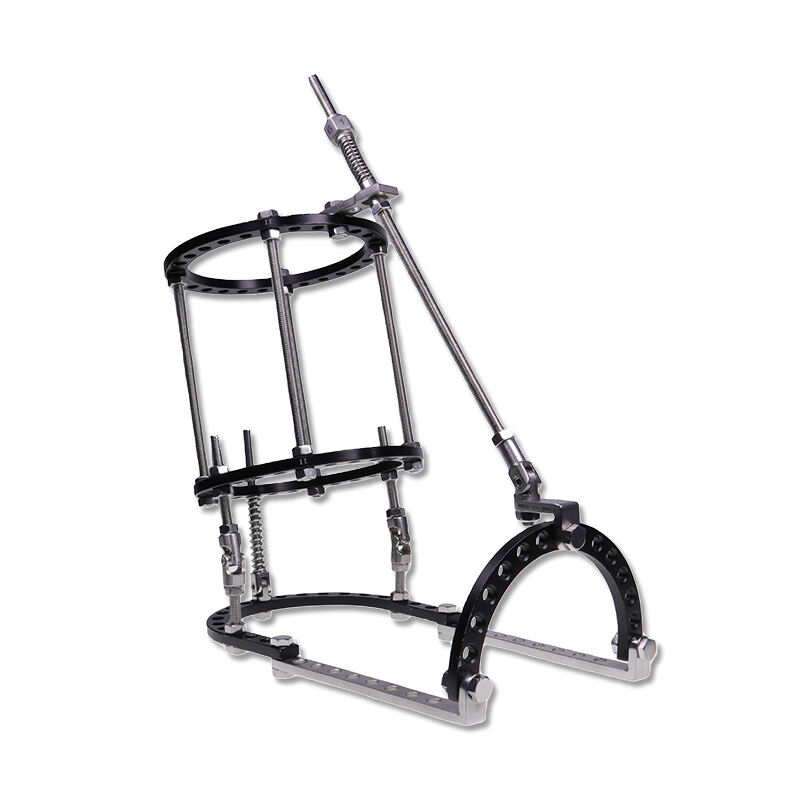
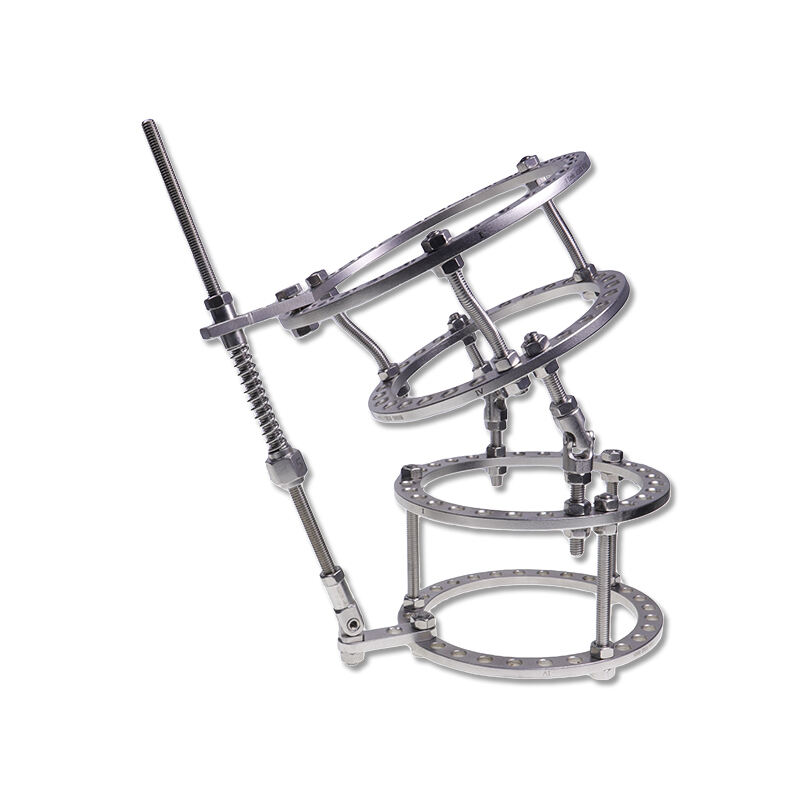
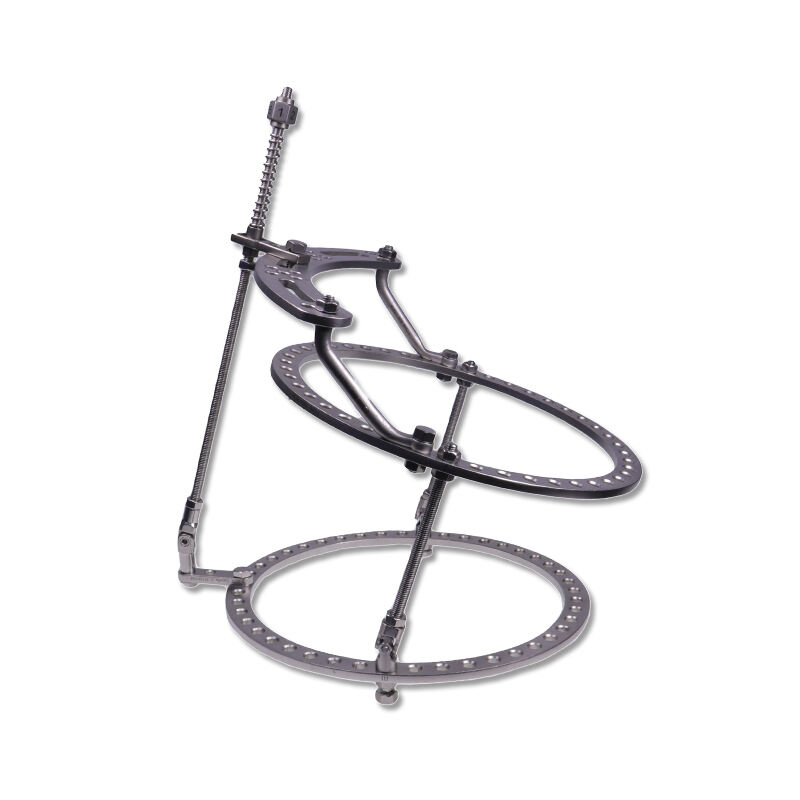
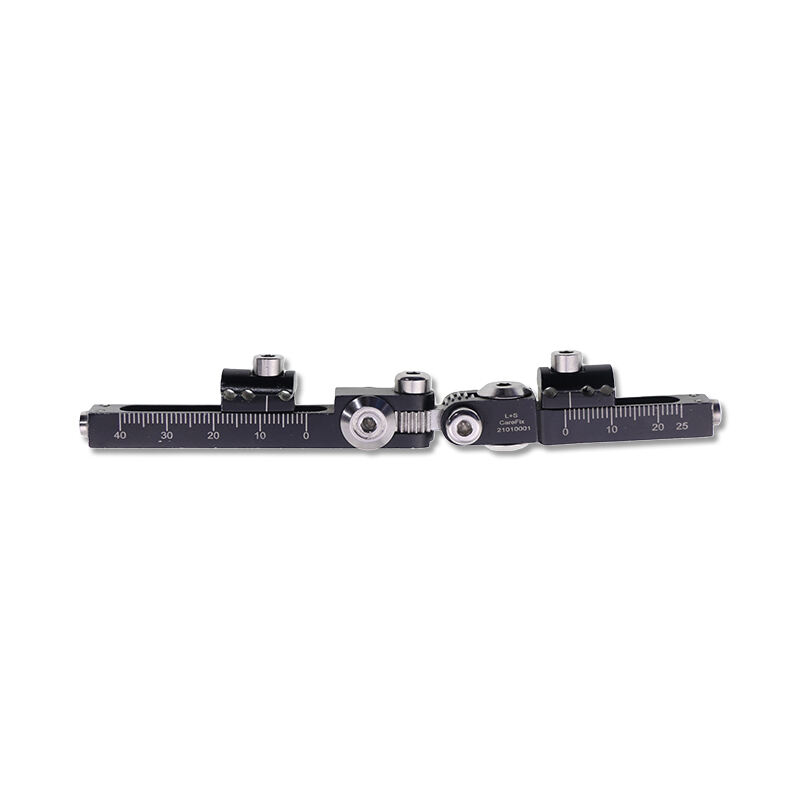
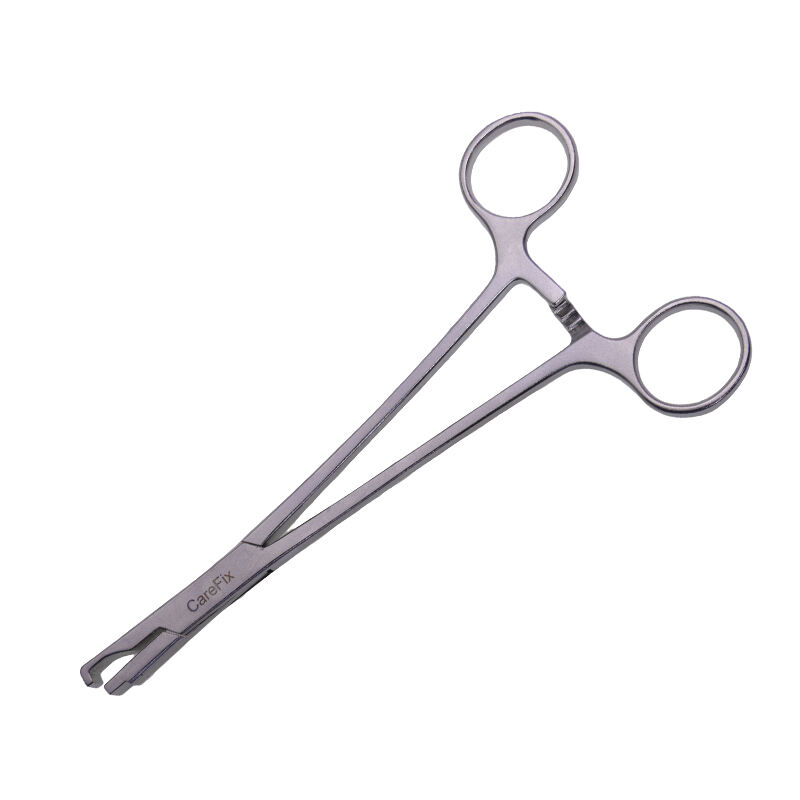
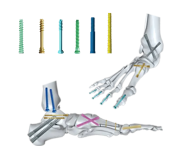
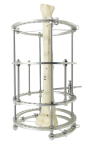
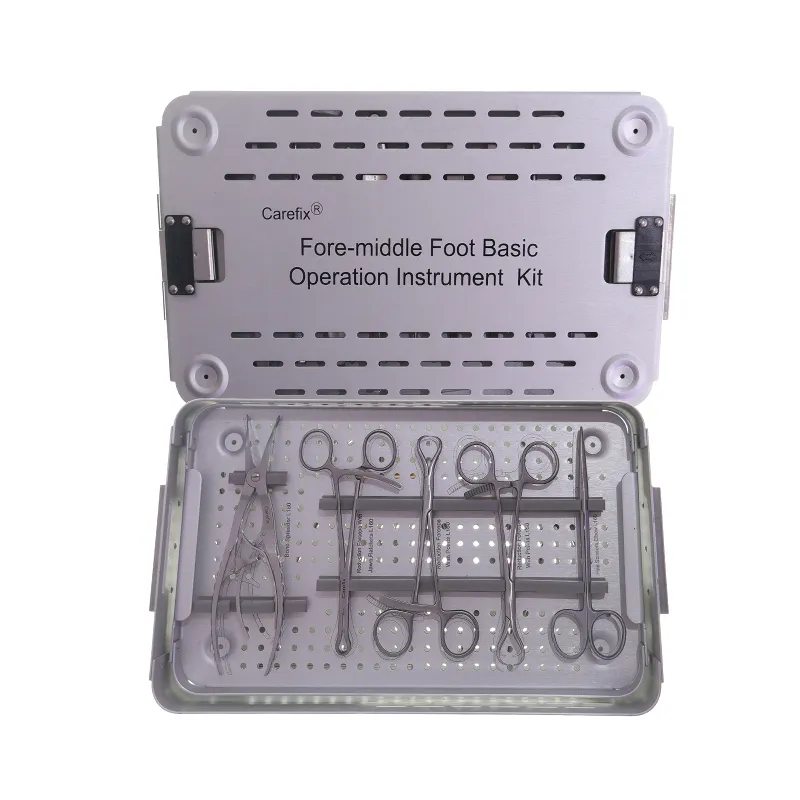
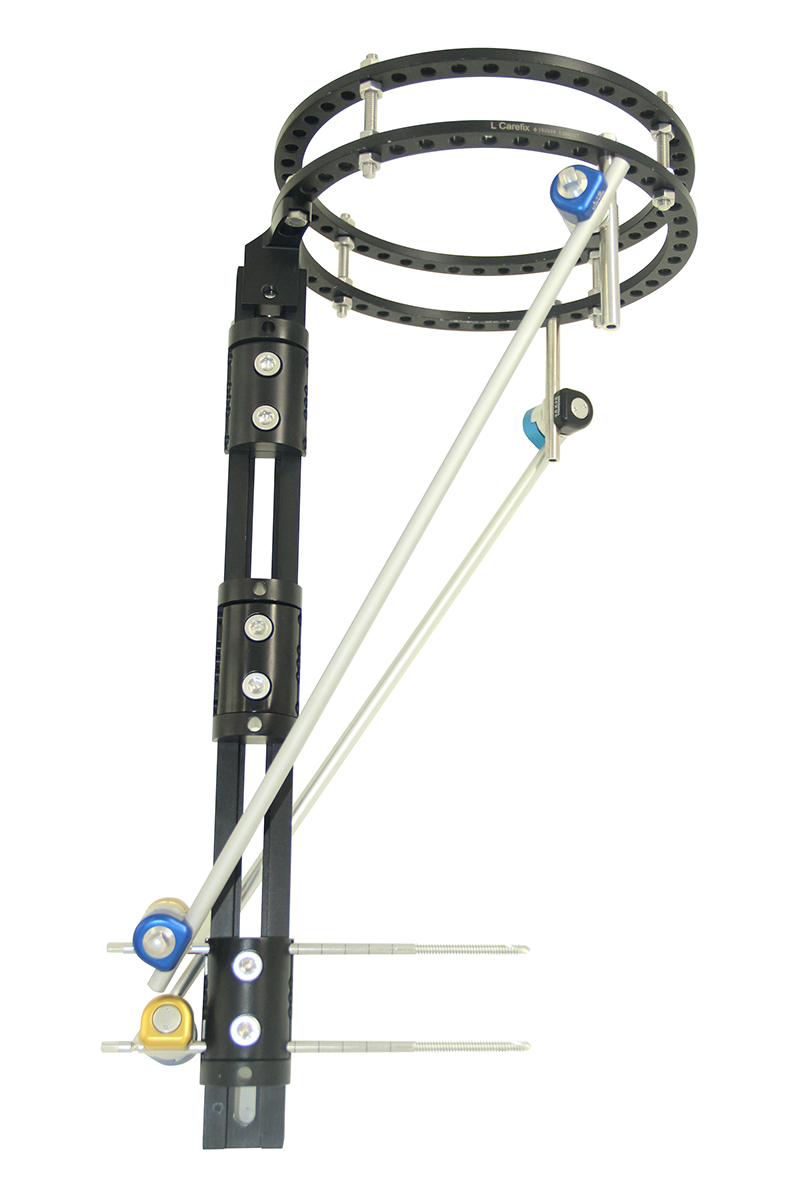
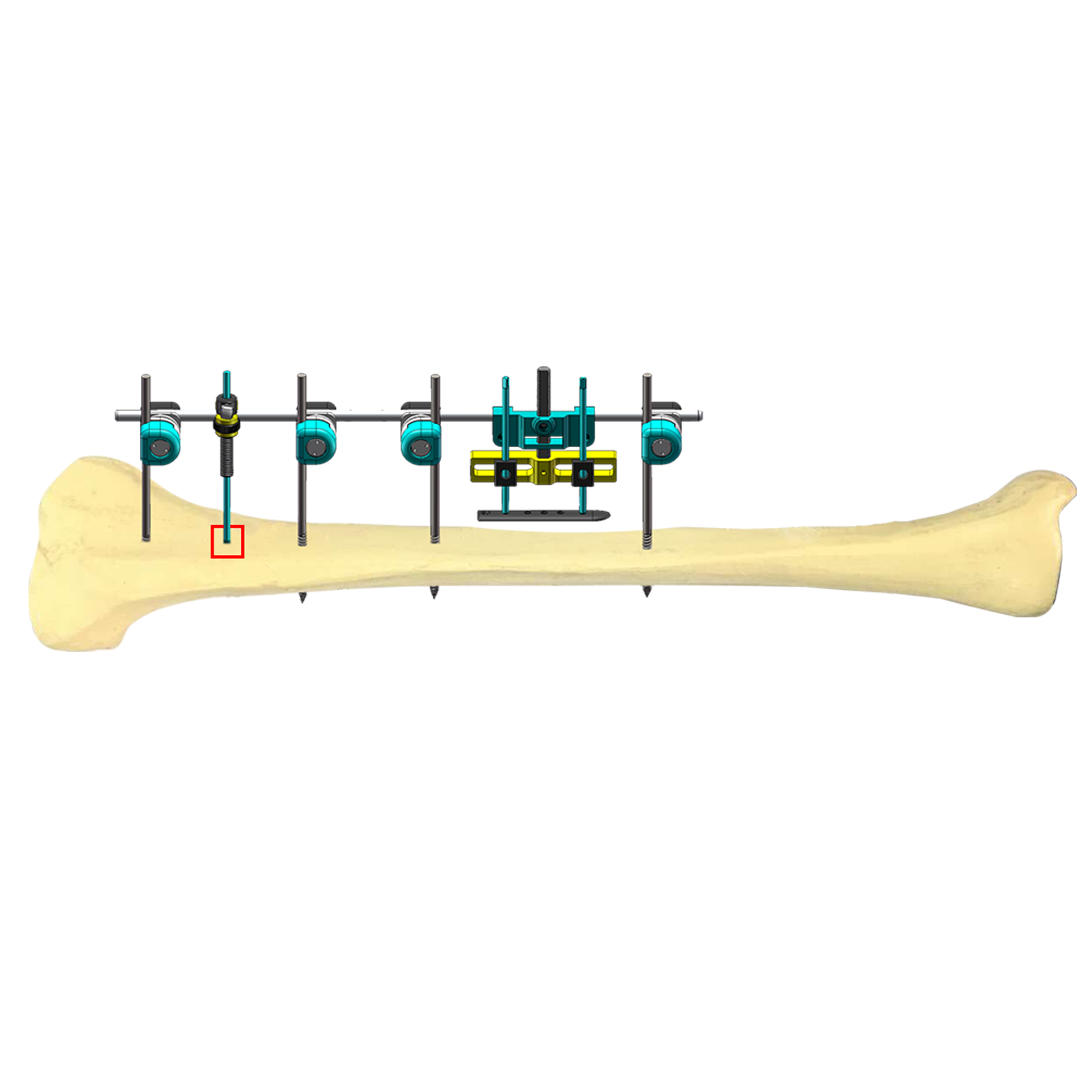
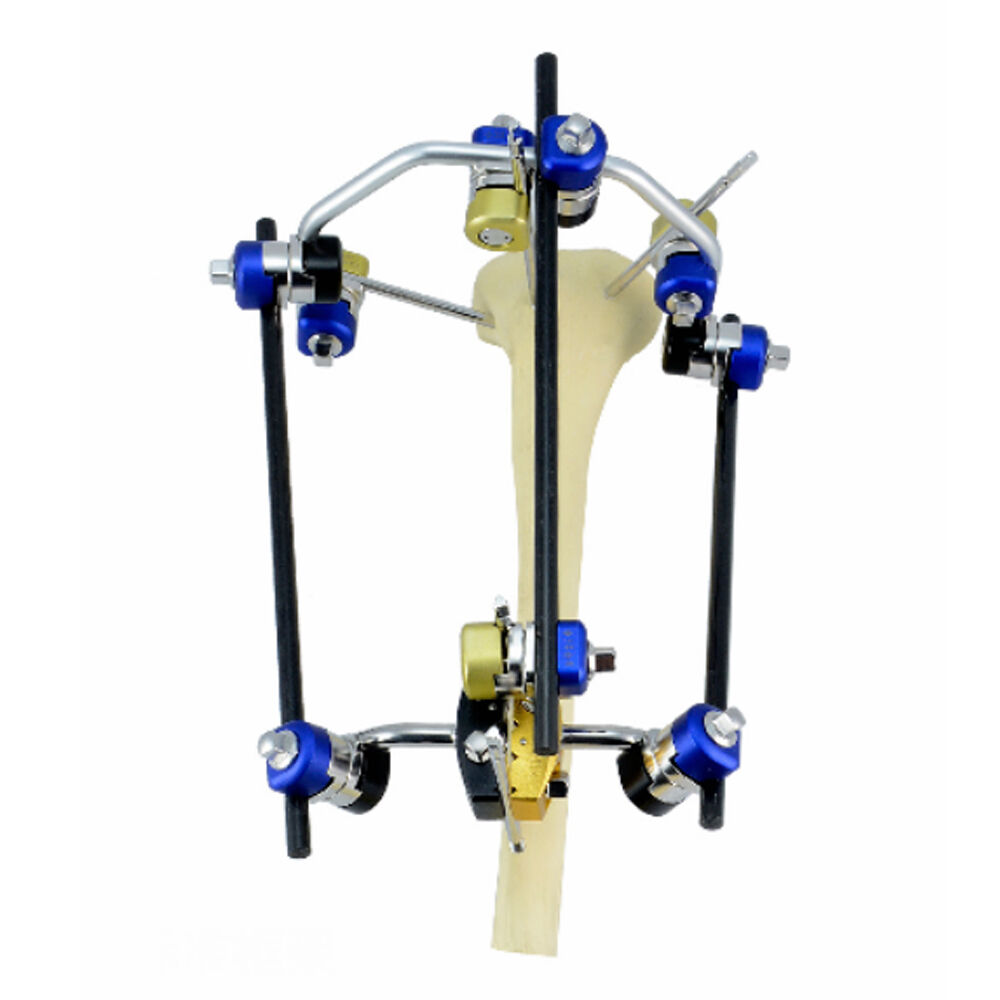
External fixation instruments represent a critical advancement in orthopedic surgery, providing surgeons with versatile tools to stabilize and treat complex bone fractures and deformities. These sophisticated medical devices consist of pins, wires, clamps, rods, and connecting elements that work together to create a rigid framework outside the body while maintaining precise bone alignment during the healing process. The main functions of external fixation instruments include temporary or definitive fracture stabilization, gradual correction of bone deformities, limb lengthening procedures, and management of soft tissue injuries associated with traumatic incidents. Technologically, modern external fixation instruments feature radiolucent materials that allow clear radiographic visualization, modular components enabling customized configurations, and biomechanically optimized designs that promote faster healing while minimizing patient discomfort. These instruments utilize stainless steel or titanium alloy construction for maximum strength and biocompatibility, along with precision-engineered joints that allow multi-planar adjustments without compromising structural integrity. Applications span emergency trauma care, elective reconstructive procedures, pediatric orthopedics, limb salvage operations, and complex revision surgeries. External fixation instruments prove particularly valuable in open fractures where internal fixation poses infection risks, in polytrauma patients requiring damage control orthopedics, and in cases involving bone loss or severe comminution. Their versatility extends to treating pelvic ring injuries, periarticular fractures, infected nonunions, and congenital limb deformities, making them indispensable tools in contemporary orthopedic practice across diverse clinical scenarios and patient populations worldwide.

New Product Recommendations

Choosing external fixation instruments delivers substantial practical benefits that directly impact surgical outcomes and patient recovery. These devices offer immediate mechanical stability without requiring extensive surgical dissection, which significantly reduces operative time and minimizes blood loss compared to traditional internal fixation methods. The minimally invasive approach preserves soft tissue vitality and vascular supply around fracture sites, creating optimal biological conditions for bone healing while lowering infection risks in contaminated or open wounds. Healthcare facilities benefit from the cost-effectiveness of external fixation instruments, as they can be applied quickly in emergency situations, potentially avoiding multiple staged procedures and reducing overall hospitalization costs. The modular design allows surgeons to adjust compression, distraction, and alignment postoperatively without additional surgery, providing dynamic treatment capabilities that accommodate changing clinical needs throughout the healing process. Patients experience functional advantages including early weight-bearing potential, maintained joint mobility, and easier wound access for dressing changes or soft tissue management. The transparent nature of external fixation instruments enables continuous clinical and radiographic monitoring without device removal, facilitating evidence-based treatment modifications. These instruments prove especially suitable for complex scenarios including severe polytrauma cases, pediatric applications where growth plate preservation is essential, infected bone conditions requiring staged reconstruction, and situations where patient comorbidities contraindicate lengthy anesthesia. Decision-makers appreciate the versatility of external fixation instruments across multiple specialties, their compatibility with computed tomography and magnetic resonance imaging for comprehensive assessment, and their proven track record in limb salvage situations where alternative treatments would necessitate amputation. The learning curve for basic applications remains reasonable, while advanced techniques offer experienced surgeons sophisticated solutions for challenging reconstructive problems, making external fixation instruments valuable investments for orthopedic departments seeking comprehensive fracture management capabilities.

Practical Tips

Application of carbon fiber material external fixation bracket in clinical practice

13

Jan

Application of carbon fiber material external fixation bracket in clinical practice

The integration of advanced materials in orthopedic surgery has revolutionized patient care and treatment outcomes. Among these innovations, carbon fiber external fixation systems have emerged as a superior alternative to traditional metal frameworks...
View More
How to choose the appropriate size and thread of hollow screws?

11

Feb

How to choose the appropriate size and thread of hollow screws?

Selecting the right hollow screws for orthopedic procedures requires careful consideration of multiple factors that directly impact surgical outcomes and patient recovery. These specialized medical devices serve critical functions in bone fixation, t...
View More
Treatment of osteomyelitis and tibial pseudarthrosis: The advantages of the Ilizarov frame

06

Mar

Treatment of osteomyelitis and tibial pseudarthrosis: The advantages of the Ilizarov frame

The treatment of complex orthopedic conditions such as osteomyelitis and tibial pseudarthrosis presents significant challenges that require innovative surgical approaches. Among the most effective solutions available to orthopedic surgeons today is t...
View More
The application advantages of modular braces in ankle fractures

15

Apr

The application advantages of modular braces in ankle fractures

Ankle fractures represent one of the most challenging orthopedic injuries to manage effectively, requiring precise stabilization and controlled healing environments. Traditional casting methods often fall short in providing the dynamic support and ad...
View More

Get a Free Quote

Our representative will contact you soon.
Email
Name
Company Name
Message
0/1000

external fixation instruments

Minimally Invasive Stabilization Technology

Minimally Invasive Stabilization Technology

External fixation instruments excel through their minimally invasive stabilization technology that fundamentally changes how surgeons approach complex fractures and bone injuries. Unlike conventional internal fixation requiring extensive surgical exposure, these instruments achieve robust mechanical stability through small percutaneous pin or wire insertions, dramatically reducing surgical trauma to surrounding muscles, blood vessels, and soft tissues. This preservation of the biological envelope maintains critical blood supply to fracture fragments, accelerating natural healing processes while significantly lowering complication rates. The minimally invasive nature proves particularly valuable in emergency trauma settings where rapid stabilization is essential but patient condition or wound contamination makes extensive surgery dangerous. Surgeons can apply external fixation instruments quickly under local or regional anesthesia when necessary, providing life-saving or limb-saving intervention even in resource-limited environments. The reduced surgical footprint translates to shorter operative times, decreased anesthetic exposure, lower perioperative bleeding, and faster patient recovery with less postoperative pain. For contaminated open fractures or burns involving bone injuries, external fixation instruments offer unmatched advantages by stabilizing skeletal structures while maintaining complete access to wounds for debridement, irrigation, and dressing changes without compromising fracture stability or requiring device removal.
Dynamic Adjustability and Postoperative Control

Dynamic Adjustability and Postoperative Control

The dynamic adjustability feature of external fixation instruments provides unprecedented postoperative control that distinguishes them from static internal fixation devices. Surgeons can modify compression forces, distraction distances, angulation, and rotational alignment after initial application without subjecting patients to additional surgical procedures, enabling responsive treatment that adapts to evolving clinical situations and healing progression. This capability proves essential in limb lengthening procedures where gradual distraction occurs over weeks or months, in deformity corrections requiring incremental adjustments, and in situations where initial alignment proves suboptimal upon subsequent radiographic evaluation. The external positioning of adjustment mechanisms allows clinicians to fine-tune mechanical environment at the fracture site, optimizing conditions for bone formation while accommodating individual patient healing responses. Healthcare providers benefit from this flexibility through reduced need for revision surgeries, fewer anesthesia exposures, and ability to convert temporary external fixation to definitive treatment by progressive adjustment rather than device exchange. Patients appreciate avoiding repeated operations while maintaining treatment effectiveness, and the transparency of external fixation instruments facilitates continuous assessment through standard radiography without metal artifact interference. This dynamic control extends treatment possibilities, enabling surgeons to address complex three-dimensional deformities through systematic correction protocols and to manage complications like delayed union or malunion through mechanical intervention rather than invasive revision procedures.
Versatile Applications Across Multiple Clinical Scenarios

Versatile Applications Across Multiple Clinical Scenarios

External fixation instruments demonstrate remarkable versatility across diverse clinical scenarios, making them indispensable tools for comprehensive orthopedic care. These devices effectively manage everything from simple diaphyseal fractures to complex periarticular injuries, from acute trauma to elective reconstructive procedures, and from pediatric growth-friendly applications to geriatric osteoporotic bone situations. Their adaptability shines in polytrauma cases where damage control orthopedics requires rapid stabilization of multiple injuries, allowing resuscitation priorities while preventing fracture-related complications. External fixation instruments accommodate infected bone scenarios where internal hardware would be contraindicated, providing stability during antibiotic therapy and staged reconstruction protocols. The technology serves limb salvage efforts following severe crush injuries, blast trauma, or tumor resections where bone defects require gradual regeneration through distraction osteogenesis techniques. Pediatric orthopedists value external fixation instruments for treating congenital deformities, growth disturbances, and fractures near growth plates where minimally invasive methods preserve developmental potential. The devices prove equally effective in pelvic ring stabilization, temporary joint spanning for articular fracture management, and correctional osteotomies for post-traumatic or degenerative deformities. This clinical versatility means healthcare facilities investing in comprehensive external fixation instruments systems gain capabilities spanning emergency, elective, pediatric, and reconstructive orthopedics, maximizing return on investment while ensuring readiness for unpredictable trauma scenarios and diverse patient populations.
logo