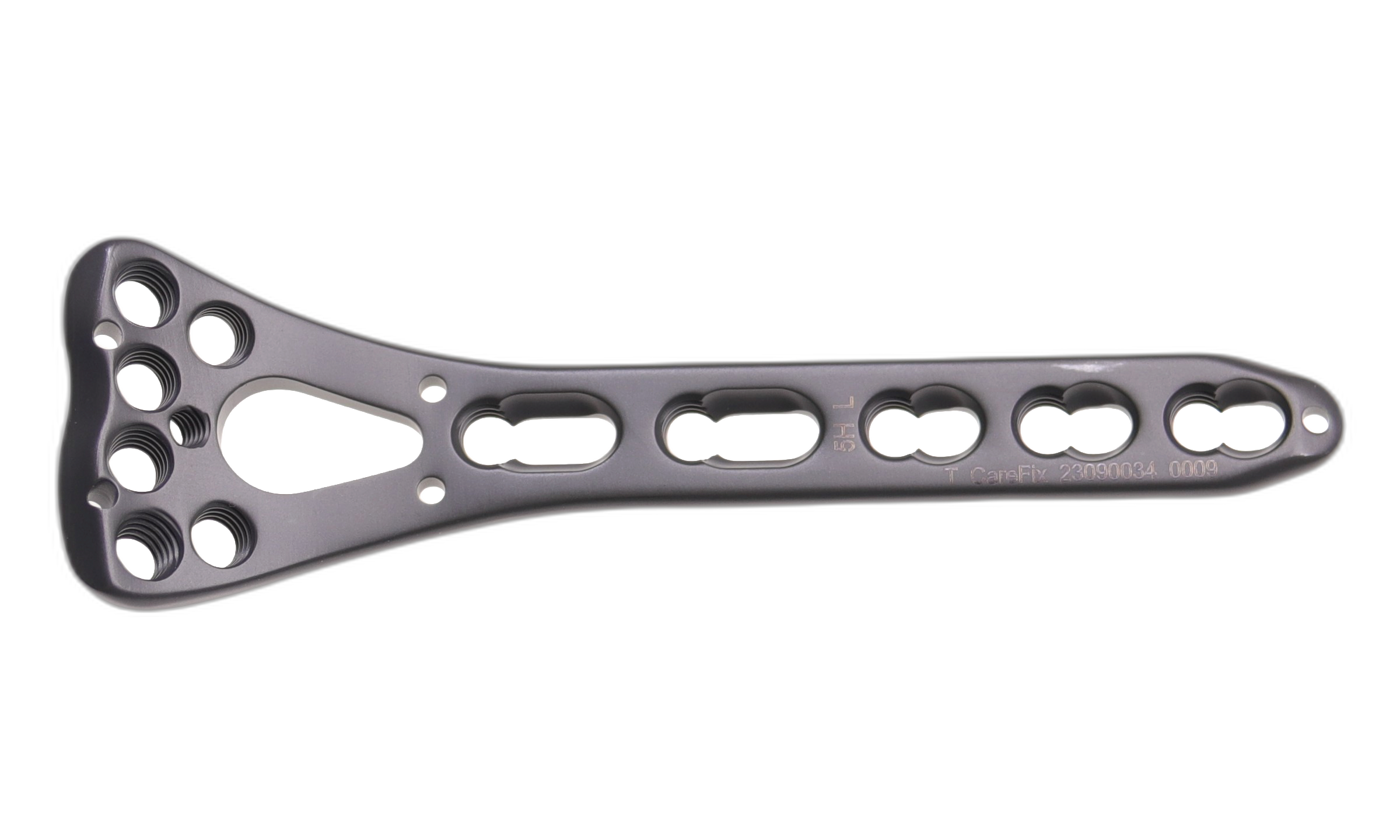
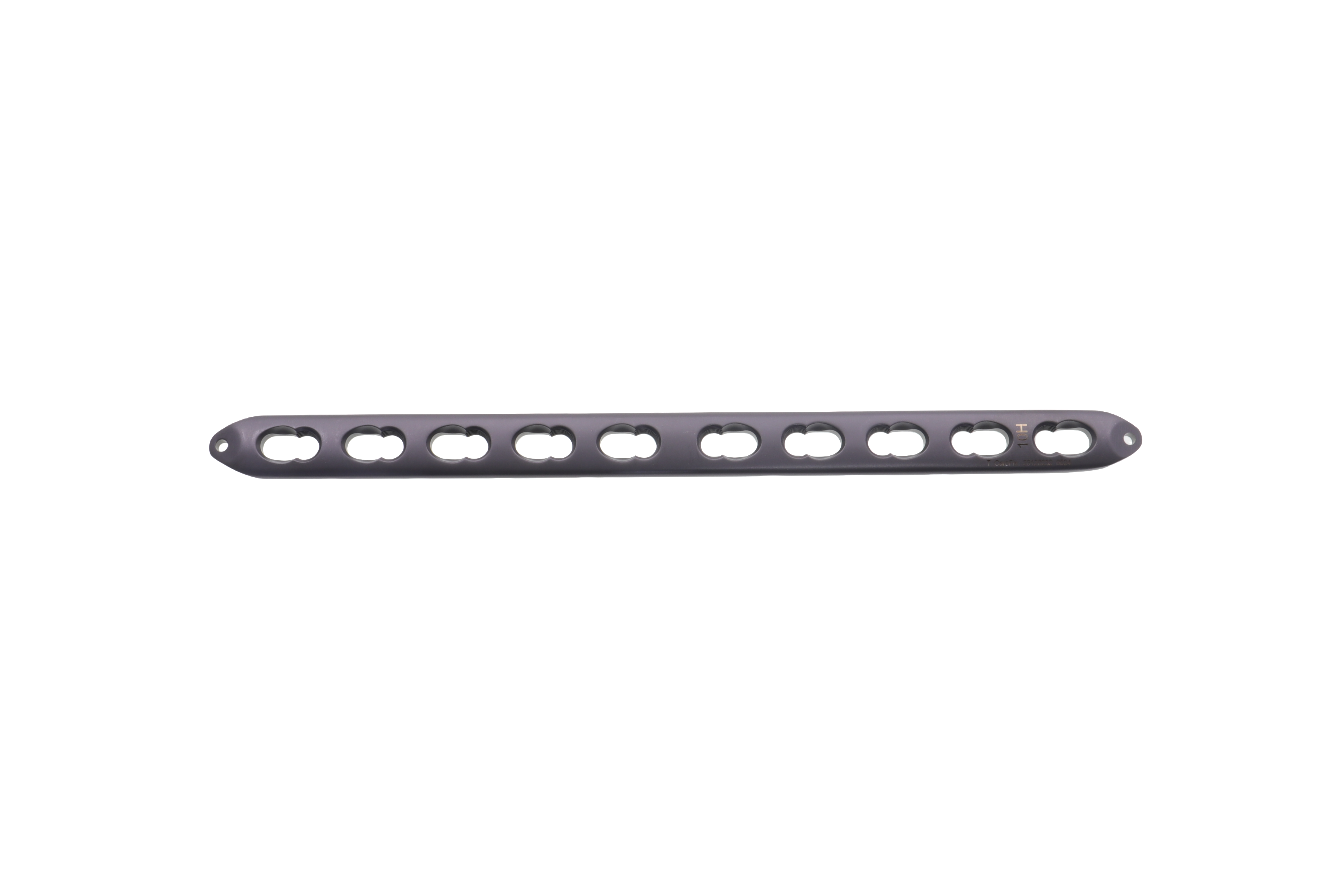
Titanium Surgical Plate - Medical Bone Fixation

Get a Free Quote

Our representative will contact you soon.
Email
Name
Company Name
Message
0/1000

titanium surgical plate

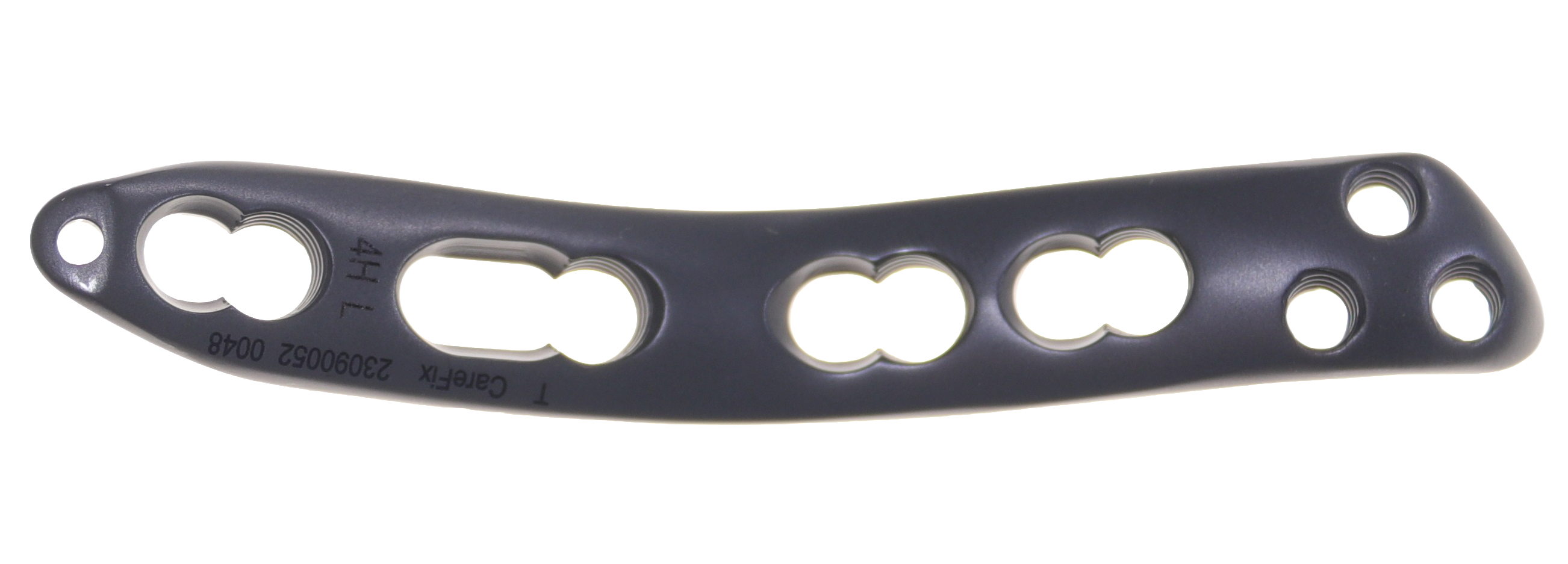
A titanium surgical plate is a specialized medical implant designed to stabilize and support fractured or damaged bones during the healing process. Manufactured from medical-grade titanium alloy, this orthopedic device serves as a critical component in reconstructive and trauma surgery procedures. The titanium surgical plate functions by holding bone fragments in proper alignment, allowing natural healing to occur while maintaining structural integrity. These plates come in various shapes, sizes, and configurations to accommodate different anatomical locations and fracture patterns. The primary applications include craniofacial reconstruction, spinal fusion procedures, limb fracture fixation, and maxillofacial surgery. The titanium surgical plate utilizes advanced biomechanical engineering principles to distribute stress evenly across the fracture site, minimizing the risk of implant failure or bone displacement. Key technological features include precisely engineered screw holes for secure fixation, anatomically contoured profiles that conform to bone surfaces, and biocompatible surface treatments that promote osseointegration. Surgeons rely on the titanium surgical plate for complex procedures involving comminuted fractures, bone defects, and reconstructive cases where traditional healing methods prove insufficient. The material composition ensures exceptional strength-to-weight ratio, corrosion resistance, and long-term stability within the human body. Modern manufacturing techniques allow for patient-specific customization through computer-aided design and three-dimensional printing technologies, enhancing surgical precision and patient outcomes across orthopedic, neurosurgical, and maxillofacial specialties.

New Product Recommendations

The titanium surgical plate offers remarkable biocompatibility, meaning your body naturally accepts the implant without triggering adverse immune responses or rejection reactions. This compatibility reduces post-operative complications and accelerates recovery times for patients undergoing bone reconstruction procedures. The lightweight nature of titanium provides structural support without adding unnecessary burden to healing tissues, allowing patients to regain mobility more quickly compared to heavier metallic alternatives. Corrosion resistance stands as another significant benefit, ensuring the titanium surgical plate maintains its integrity throughout the healing period and beyond, even when exposed to bodily fluids and varying pH levels. This durability translates to fewer revision surgeries and reduced long-term healthcare costs for patients and medical facilities. The material exhibits excellent radiolucency properties, enabling clear visualization during post-operative imaging studies without creating artifacts that obscure healing progress. Surgeons appreciate the malleability of titanium surgical plate designs, which can be contoured intraoperatively to match individual patient anatomy precisely. This adaptability ensures optimal fit and reduces surgical time, benefiting both medical teams and patients. The mechanical strength of these plates provides reliable fracture stabilization even under physiological loading conditions, supporting active patients during rehabilitation. Temperature neutrality represents another practical advantage, as the titanium surgical plate does not conduct heat or cold excessively, maintaining patient comfort across environmental conditions. The non-magnetic properties allow patients with implanted plates to undergo MRI scans safely without complications or image distortion. These combined advantages make the titanium surgical plate the preferred choice for orthopedic surgeons treating complex fractures, delivering dependable outcomes that support patient recovery and long-term quality of life.

Practical Tips

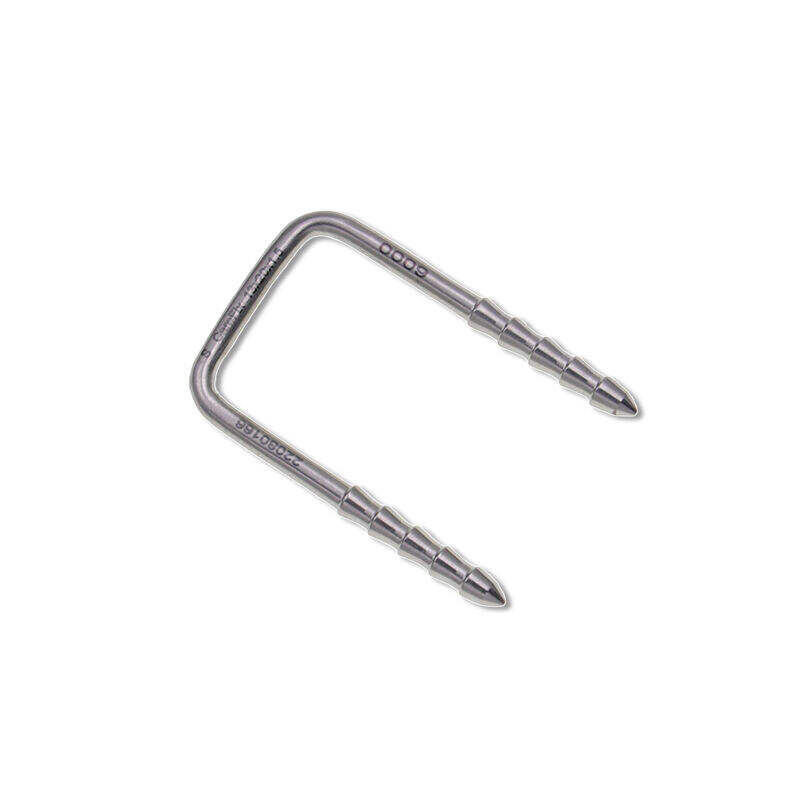
U-shaped nail: technical advantage of ankle surgery

13

Jan

U-shaped nail: technical advantage of ankle surgery

Modern orthopedic surgery has witnessed remarkable advancement in fixation techniques, particularly in the treatment of complex ankle and distal tibial fractures. The distal tibial interlocking intramedullary nail represents a significant breakthroug...
View More
Evolution of Intervertebral Fusion Device Materials: Clinical Efficacy Comparison between PEEK and Titanium Alloy

13

Jan

Evolution of Intervertebral Fusion Device Materials: Clinical Efficacy Comparison between PEEK and Titanium Alloy

The advancement of spinal surgery has been significantly influenced by the development of sophisticated intervertebral fusion device technologies. Modern spine surgeons rely heavily on these devices to achieve successful fusion outcomes while minimiz...
View More
HTO Locking Plate: A Precise and Stable Solution for High Knee Joint Osteotomy

13

Jan

HTO Locking Plate: A Precise and Stable Solution for High Knee Joint Osteotomy

High tibial osteotomy represents one of the most effective surgical interventions for treating knee joint disorders, particularly those involving medial compartment osteoarthritis and varus deformity correction. The success of this procedure largely ...
View More
Treatment of osteomyelitis and tibial pseudarthrosis: The advantages of the Ilizarov frame

06

Mar

Treatment of osteomyelitis and tibial pseudarthrosis: The advantages of the Ilizarov frame

The treatment of complex orthopedic conditions such as osteomyelitis and tibial pseudarthrosis presents significant challenges that require innovative surgical approaches. Among the most effective solutions available to orthopedic surgeons today is t...
View More

Get a Free Quote

Our representative will contact you soon.
Email
Name
Company Name
Message
0/1000

titanium surgical plate

Superior Biocompatibility and Osseointegration

Superior Biocompatibility and Osseointegration

The titanium surgical plate demonstrates exceptional biocompatibility that fundamentally distinguishes it from other metallic implants used in bone fixation procedures. The oxide layer that naturally forms on the titanium surface creates a stable interface between the implant and surrounding biological tissues, promoting cellular adhesion and bone growth directly onto the plate surface. This osseointegration process creates a secure biological bond that enhances implant stability over time rather than loosening, which commonly occurs with less compatible materials. The non-toxic nature of medical-grade titanium eliminates concerns about metal ion release into surrounding tissues or systemic circulation, preventing inflammatory responses that could compromise healing. Patients with metal sensitivities or allergies often tolerate the titanium surgical plate without difficulty, expanding treatment options for individuals who cannot receive alternative implants. The biological acceptance extends beyond bone tissue, as soft tissues also integrate favorably with titanium surfaces, reducing the risk of chronic inflammation or implant exposure. This compatibility advantage translates directly to improved surgical outcomes, reduced complication rates, and enhanced patient satisfaction across diverse orthopedic applications, making the titanium surgical plate the gold standard for bone fixation in modern surgical practice.
Exceptional Strength-to-Weight Ratio

Exceptional Strength-to-Weight Ratio

The titanium surgical plate delivers outstanding mechanical strength while maintaining remarkably low weight, creating an optimal balance for orthopedic applications. This superior strength-to-weight ratio allows the plate to withstand physiological stresses and loading forces during bone healing without adding significant mass that could stress surrounding tissues or impede patient mobility. The material properties of titanium alloys used in surgical plates provide tensile strength comparable to stainless steel while weighing approximately forty-five percent less, reducing the burden on healing bone structures. This lightweight characteristic becomes particularly important in craniofacial and maxillofacial applications where excess weight could affect facial symmetry or cause discomfort. Despite its reduced weight, the titanium surgical plate resists bending, breaking, and fatigue failure under cyclic loading conditions that occur during normal daily activities. The elastic modulus of titanium more closely matches natural bone compared to stiffer materials, reducing stress shielding effects that can lead to bone resorption beneath rigid plates. This biomechanical compatibility promotes healthier bone remodeling and maintains bone density adjacent to the implant site. Patients benefit from earlier mobilization and reduced recovery times because the lightweight titanium surgical plate provides robust fixation without restricting movement or causing excessive tissue strain during the critical healing phases.
Long-Term Durability and Corrosion Resistance

Long-Term Durability and Corrosion Resistance

The titanium surgical plate exhibits remarkable resistance to corrosion and degradation within the challenging biological environment of the human body, ensuring reliable long-term performance. Unlike stainless steel or cobalt-chromium alloys that may corrode over extended periods when exposed to chloride ions in bodily fluids, titanium forms a stable, self-repairing oxide layer that protects the underlying metal from chemical attack. This corrosion resistance prevents material degradation that could weaken the implant structure, release metal particles into surrounding tissues, or necessitate premature removal and replacement procedures. The electrochemical stability of the titanium surgical plate eliminates galvanic corrosion concerns when used alongside other metallic implants or fixation devices, providing surgeons with greater flexibility in complex reconstruction cases. Patients benefit from the permanence of titanium implants, as many can safely remain in place indefinitely without requiring removal after bone healing completes, avoiding additional surgical procedures and associated risks. The material maintains its mechanical properties throughout decades of implantation, supporting patients across their entire lifespan without degradation in performance. This durability advantage reduces healthcare costs by eliminating the need for implant replacement surgeries and follow-up procedures related to corrosion-induced complications, making the titanium surgical plate a cost-effective solution for fracture fixation and bone reconstruction in diverse patient populations.
logo