Spine Plate: Advanced Spinal Fixation Solutions

Get a Free Quote

Our representative will contact you soon.
Email
Name
Company Name
Message
0/1000

spine plate

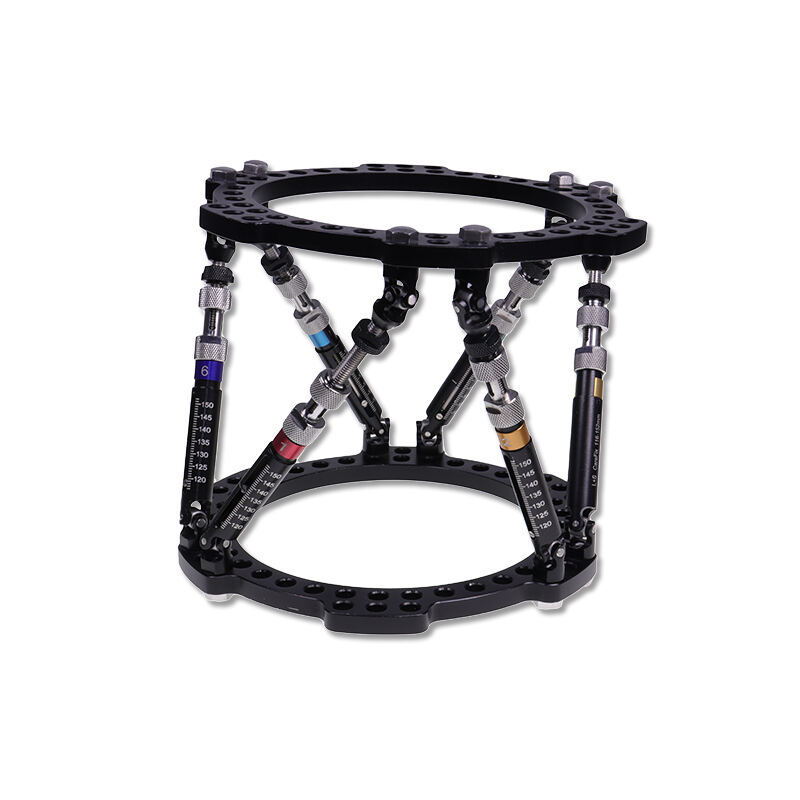
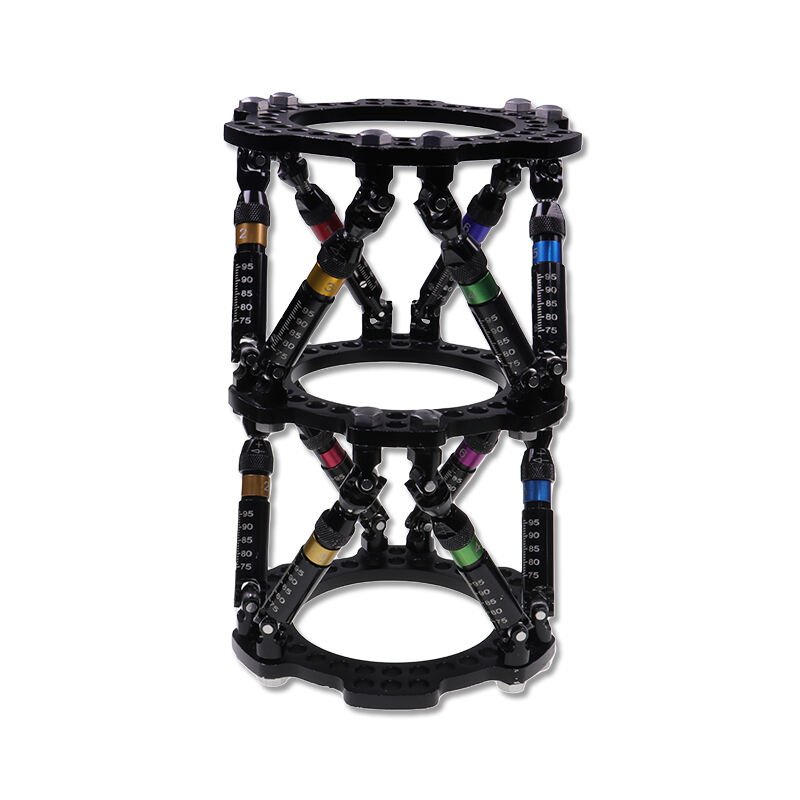



A spine plate is a specialized orthopedic implant designed to stabilize and support the vertebral column during spinal fusion procedures. This medical device plays a critical role in treating various spinal conditions, including fractures, degenerative disc disease, spinal deformities, and instability caused by trauma or disease. The spine plate is typically manufactured from biocompatible materials such as titanium or titanium alloy, ensuring excellent strength-to-weight ratio and compatibility with the human body. The primary function of a spine plate is to provide rigid fixation between adjacent vertebrae, promoting bone fusion while maintaining proper spinal alignment during the healing process. These implants feature multiple screw holes that allow surgeons to secure the plate firmly to the vertebral bodies using specialized bone screws. Advanced spine plate designs incorporate low-profile configurations to minimize soft tissue irritation and reduce the risk of postoperative complications. Modern technological features include anatomically contoured shapes that match the natural curvature of the cervical, thoracic, or lumbar spine regions. Some spine plate systems offer dynamic compression capabilities, allowing controlled load sharing that may enhance fusion rates. The applications of spine plate technology extend across anterior cervical discectomy and fusion procedures, posterior lumbar interbody fusion, and complex spinal reconstruction surgeries. Surgeons select specific spine plate designs based on the surgical approach, the number of vertebral levels involved, and patient-specific anatomical considerations, making these devices essential tools in contemporary spinal surgery.

New Product Releases

The spine plate delivers significant value to patients and healthcare providers through multiple practical benefits that directly impact surgical outcomes and recovery experiences. First, this implant provides immediate mechanical stability to the surgical site, allowing patients to mobilize earlier in the postoperative period compared to traditional immobilization methods. This early mobilization reduces the risk of complications associated with prolonged bed rest, including muscle atrophy, deep vein thrombosis, and pneumonia. The rigid fixation offered by a spine plate creates an optimal biological environment for bone fusion by minimizing micromotion at the surgical site, which has been clinically proven to enhance fusion rates and reduce pseudarthrosis risks. From an operational perspective, the spine plate simplifies surgical procedures through standardized instrumentation and reproducible technique, allowing surgeons to achieve consistent results across diverse patient populations. The low-profile design of modern spine plate systems minimizes the surgical footprint, reducing soft tissue dissection requirements and potentially decreasing blood loss during surgery. This translates to shorter operative times and faster patient recovery. For specific applications, the spine plate demonstrates exceptional suitability in anterior cervical procedures where maintaining lordotic alignment is crucial for neurological decompression and long-term clinical success. The versatility of spine plate technology accommodates single-level and multi-level constructs, providing surgeons with flexible treatment options tailored to individual pathology. Decision-making becomes more straightforward when considering that spine plate systems have accumulated extensive clinical evidence demonstrating safety and efficacy across millions of procedures worldwide. The cost-effectiveness of spine plate fixation, when considering reduced complication rates and shorter hospital stays, presents compelling economic value for healthcare systems while simultaneously improving patient quality of life through reliable spinal stabilization and pain reduction.

Tips And Tricks

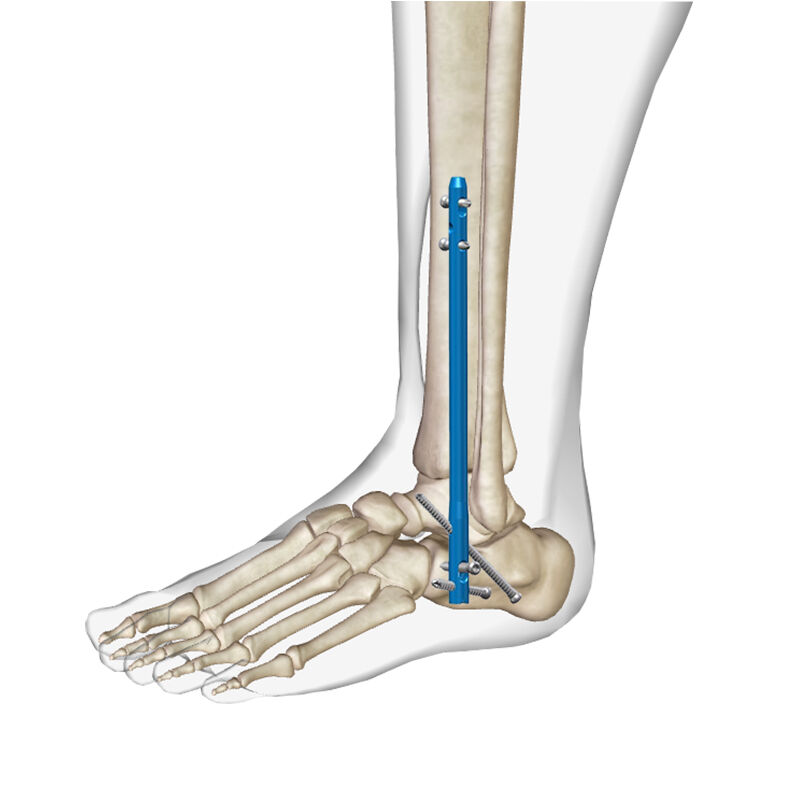
Application analysis of intramedullary nail system in ankle joint fusion

16

Dec

Application analysis of intramedullary nail system in ankle joint fusion

The evolution of orthopedic surgical techniques has brought significant advancements in treating complex ankle pathologies, particularly through the implementation of modern fixation systems. An intramedullary nail system represents a revolutionary a...
View More
Understanding Intramedullary Nail Complications

13

Jan

Understanding Intramedullary Nail Complications

Intramedullary nail complications represent a significant concern in orthopedic surgery, affecting patient outcomes and recovery timelines. These complications can arise during insertion, throughout the healing process, or during long-term implant re...
View More
Ankle internal fixation system: Advantages of ankle locking plate in the treatment of complex fractures

06

Mar

Ankle internal fixation system: Advantages of ankle locking plate in the treatment of complex fractures

Complex ankle fractures represent one of the most challenging orthopedic injuries, requiring precise surgical intervention and advanced fixation techniques to restore optimal function and stability. The ankle locking plate has emerged as a revolution...
View More
Cannulated screw system: Technological advancements in the treatment of ankle fractures

06

Mar

Cannulated screw system: Technological advancements in the treatment of ankle fractures

Ankle fractures represent one of the most challenging orthopedic injuries requiring precise surgical intervention and advanced fixation methods. The evolution of fracture treatment has been significantly enhanced by the introduction of modern cannula...
View More

Get a Free Quote

Our representative will contact you soon.
Email
Name
Company Name
Message
0/1000

spine plate

Advanced Biocompatible Material Construction

Advanced Biocompatible Material Construction

The spine plate is engineered from premium-grade titanium or titanium alloy, materials specifically chosen for their exceptional biocompatibility and mechanical properties that are ideally suited for permanent implantation in the human body. Titanium offers an optimal balance of strength and flexibility, providing robust fixation forces necessary to stabilize the spine while avoiding the excessive rigidity that could lead to stress shielding or adjacent segment degeneration. The biocompatible nature of these materials minimizes the risk of adverse tissue reactions, allergic responses, or implant rejection, ensuring long-term integration with the patient's skeletal system. Furthermore, titanium's radiolucent properties allow for superior postoperative imaging, enabling surgeons to accurately assess fusion progress and bone healing through standard radiographic techniques without significant artifact interference. The corrosion-resistant characteristics of medical-grade titanium ensure the spine plate maintains its structural integrity throughout the patient's lifetime, eliminating concerns about material degradation that could compromise spinal stability. This material selection represents a critical factor in the long-term success of spinal fusion procedures, providing patients with confidence in the durability and reliability of their spinal implant.
Anatomically Contoured Design for Optimal Fit

Anatomically Contoured Design for Optimal Fit

Every spine plate features an anatomically contoured profile that has been meticulously engineered to match the natural curvature and biomechanical requirements of specific spinal regions, whether cervical, thoracic, or lumbar. This precision contouring ensures the implant sits flush against the vertebral bodies, maximizing bone-implant contact area and distributing fixation forces evenly across the construct to prevent stress concentration points that could lead to screw loosening or hardware failure. The low-profile design minimizes implant prominence, reducing the risk of esophageal irritation in cervical applications and soft tissue complications in all spinal regions. Advanced spine plate systems incorporate variable angles for screw insertion, accommodating individual anatomical variations and allowing surgeons to optimize screw trajectory for maximum purchase in the vertebral bone. The smooth, rounded edges eliminate sharp corners that might irritate surrounding soft tissues, enhancing patient comfort during the recovery period and beyond. This thoughtful design consideration directly translates to reduced postoperative pain, fewer revision surgeries, and improved patient satisfaction scores. The anatomical compatibility of the spine plate ensures that the implant works in harmony with the body's natural biomechanics rather than against it, promoting physiological load transfer and creating ideal conditions for successful spinal fusion.
Versatile Multi-Level Application Capability

Versatile Multi-Level Application Capability

The spine plate demonstrates remarkable versatility through its ability to accommodate both single-level and complex multi-level spinal fusion procedures, providing surgeons with a comprehensive solution for diverse pathological conditions ranging from simple degenerative disc disease to complex spinal deformities and traumatic injuries. This adaptability is achieved through modular design principles that allow spine plate systems to be configured in various lengths and screw hole patterns, matching the specific anatomical and biomechanical requirements of each unique surgical case. The multi-level capability is particularly valuable in cases where adjacent segment disease or extensive degenerative changes require stabilization across three or more vertebral levels, situations where alternative fixation methods may prove inadequate. Surgeons appreciate the operational efficiency gained from using a single implant system across their entire range of spinal fusion cases, reducing inventory complexity and streamlining surgical workflow. The spine plate's proven performance in multi-level applications provides patients with a reliable treatment option even for complex spinal conditions that might otherwise require more invasive surgical approaches or staged procedures. This versatility extends the spine plate's clinical utility across the full spectrum of spinal pathology, making it an indispensable tool in modern spinal surgery that delivers consistent outcomes regardless of surgical complexity or the number of vertebral segments involved in the fusion construct.
logo