Titanium Pedicle Screws for Spinal Fusion

Get a Free Quote

Our representative will contact you soon.
Email
Name
Company Name
Message
0/1000

titanium pedicle screws

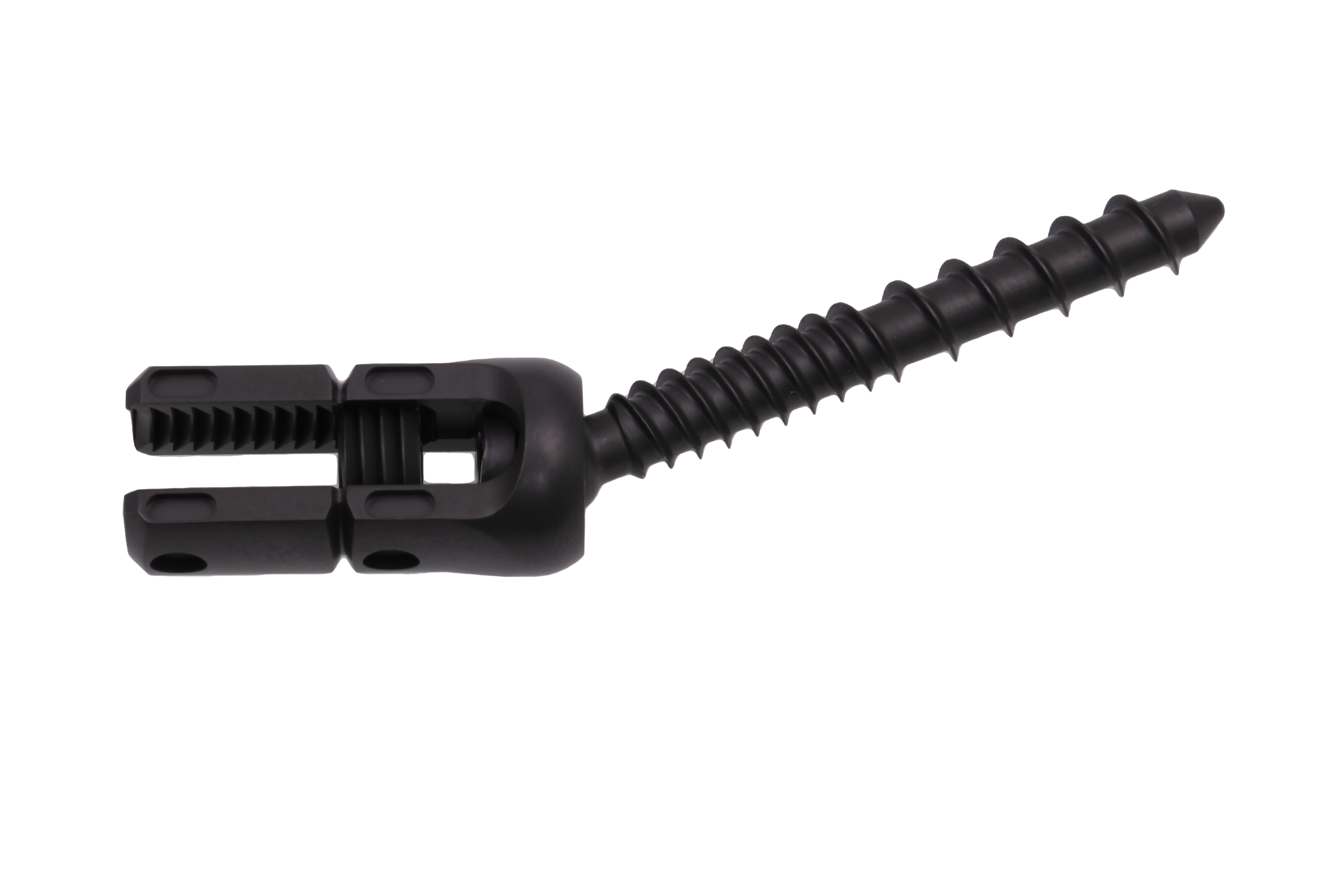
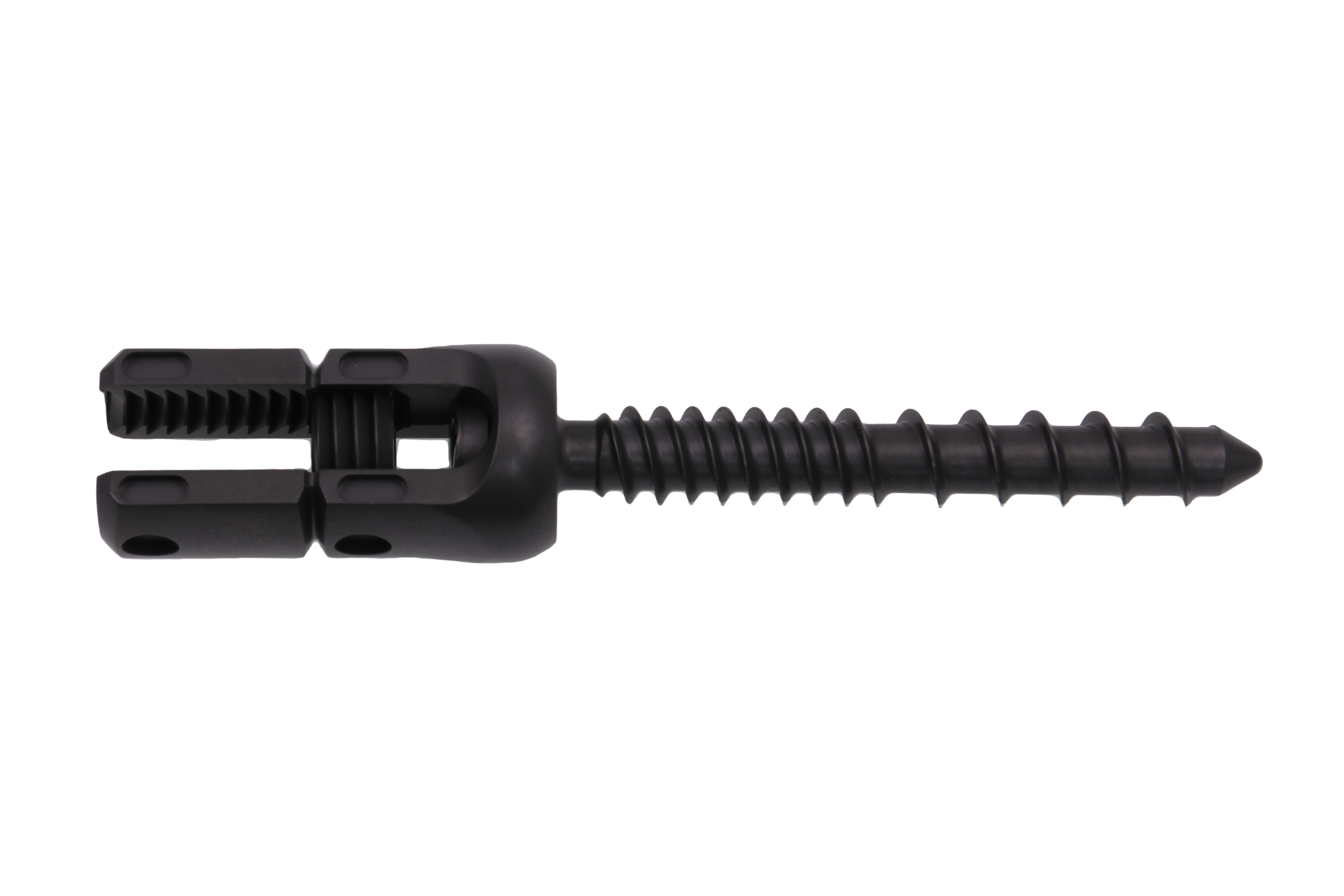
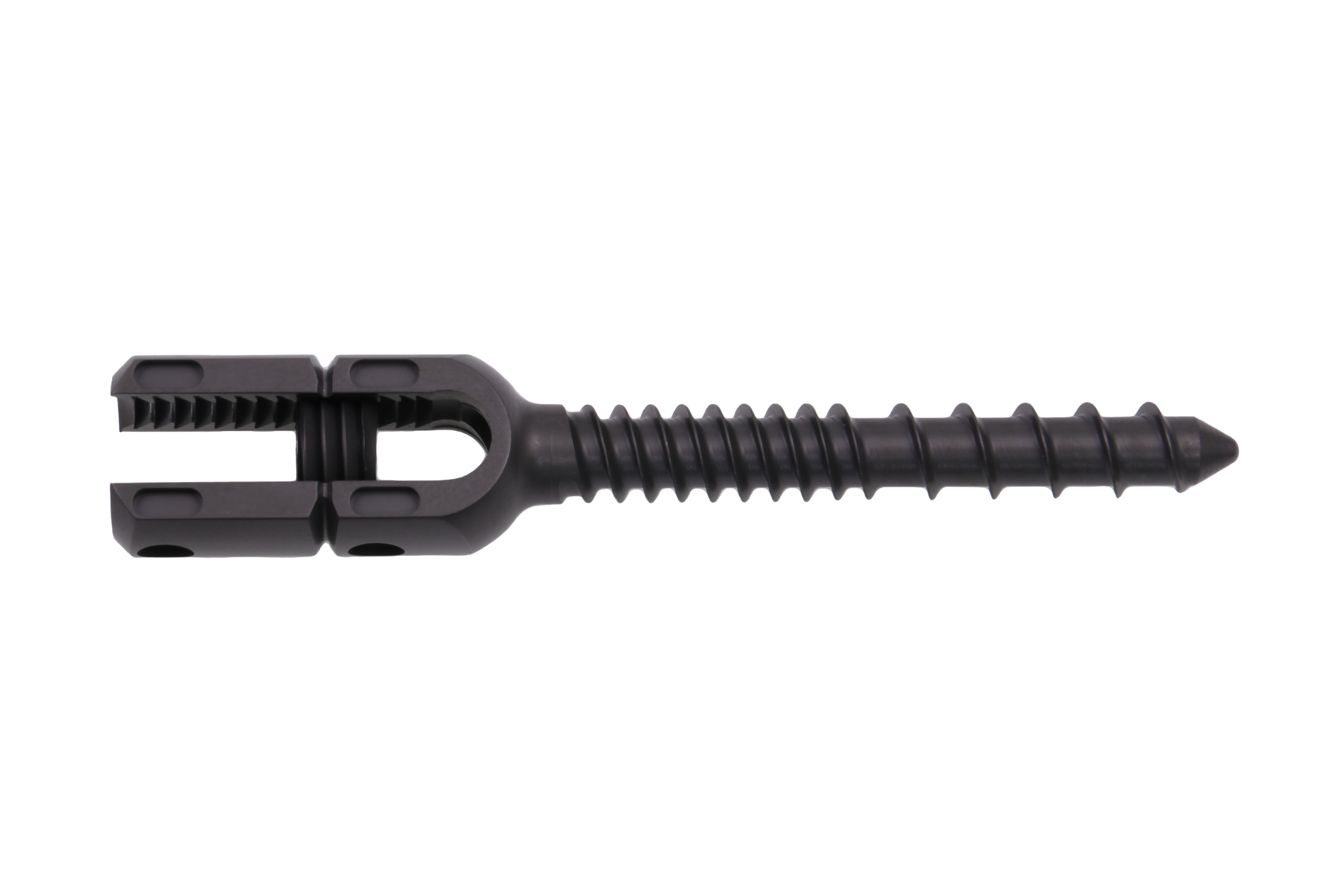
Titanium pedicle screws are advanced spinal fixation devices designed to stabilize and support the vertebral column during spinal fusion procedures. These surgical implants are inserted through the pedicle, the thick bony projection connecting the vertebral body to the posterior elements, providing robust anchoring points for spinal instrumentation systems. Manufactured from medical-grade titanium alloy, these screws offer exceptional biocompatibility and mechanical strength essential for long-term spinal stabilization. The primary function of titanium pedicle screws is to correct spinal deformities, treat traumatic injuries, address degenerative conditions, and facilitate bone fusion by maintaining proper alignment during the healing process. Technologically, these implants feature precision-engineered thread designs that maximize pullout strength and minimize insertion torque, ensuring secure fixation in both healthy and compromised bone tissue. Many titanium pedicle screws incorporate self-tapping capabilities, reducing surgical time and bone damage during insertion. Advanced surface treatments enhance osseointegration, promoting bone growth around the implant for improved long-term stability. The polyaxial design commonly found in modern titanium pedicle screws allows surgeons to adjust rod positioning across multiple angles, accommodating individual patient anatomy and surgical requirements. Applications span various spinal procedures including scoliosis correction, spondylolisthesis treatment, fracture stabilization, tumor resection reconstruction, and multi-level fusion surgeries. Available in comprehensive size ranges, titanium pedicle screws accommodate diverse patient populations from adolescents to adults, addressing different vertebral dimensions and bone quality conditions throughout the thoracic, lumbar, and sacral spine regions.

New Products

Choosing titanium pedicle screws provides significant practical benefits that directly impact surgical outcomes and patient recovery. The titanium construction delivers an optimal strength-to-weight ratio, meaning these implants provide powerful structural support without adding unnecessary bulk to the spinal construct. This lightweight characteristic reduces stress on surrounding tissues while maintaining the mechanical integrity needed for successful fusion. The biocompatibility of titanium minimizes the risk of adverse tissue reactions, allowing patients to tolerate these implants safely for decades without inflammatory responses or rejection issues that could compromise healing. From an operational perspective, surgeons benefit from the consistent performance of titanium pedicle screws across various bone densities, including osteoporotic conditions where secure fixation proves challenging with inferior materials. The corrosion resistance inherent to titanium ensures these implants maintain their structural properties throughout their functional lifespan, eliminating concerns about degradation that could lead to construct failure. The radiolucent properties of titanium facilitate clear postoperative imaging, enabling healthcare providers to monitor fusion progress and detect potential complications through standard X-rays and CT scans without significant artifact interference. Application suitability extends across diverse spinal pathologies, making titanium pedicle screws a versatile solution for trauma cases requiring immediate stabilization, elective procedures addressing chronic degenerative conditions, and complex reconstructive surgeries following tumor removal. The proven track record of titanium pedicle screws in clinical settings worldwide provides decision-makers with confidence in their reliability and effectiveness. Cost-effectiveness emerges through reduced revision rates, as the superior fixation strength and biocompatibility minimize the likelihood of hardware failure or loosening that would necessitate additional surgical interventions. For healthcare facilities, stocking titanium pedicle screws means maintaining inventory that serves multiple surgical scenarios, optimizing resource allocation while ensuring surgeons have dependable options for varied patient needs.

Latest News

HTO Locking Plate: A Precise and Stable Solution for High Knee Joint Osteotomy

13

Jan

HTO Locking Plate: A Precise and Stable Solution for High Knee Joint Osteotomy

High tibial osteotomy represents one of the most effective surgical interventions for treating knee joint disorders, particularly those involving medial compartment osteoarthritis and varus deformity correction. The success of this procedure largely ...
View More
Finite Element Optimization Design and Biomechanical Validation of Personalized IM Nails

11

Feb

Finite Element Optimization Design and Biomechanical Validation of Personalized IM Nails

The evolution of orthopedic trauma surgery has reached a pivotal moment with the emergence of personalized IM nails that revolutionize fracture treatment approaches. Advanced computational modeling and finite element analysis have enabled surgeons to...
View More
Treatment of osteomyelitis and tibial pseudarthrosis: The advantages of the Ilizarov frame

06

Mar

Treatment of osteomyelitis and tibial pseudarthrosis: The advantages of the Ilizarov frame

The treatment of complex orthopedic conditions such as osteomyelitis and tibial pseudarthrosis presents significant challenges that require innovative surgical approaches. Among the most effective solutions available to orthopedic surgeons today is t...
View More
The application advantages of modular braces in ankle fractures

15

Apr

The application advantages of modular braces in ankle fractures

Ankle fractures represent one of the most challenging orthopedic injuries to manage effectively, requiring precise stabilization and controlled healing environments. Traditional casting methods often fall short in providing the dynamic support and ad...
View More

Get a Free Quote

Our representative will contact you soon.
Email
Name
Company Name
Message
0/1000

titanium pedicle screws

Superior Biocompatibility and Osseointegration

Superior Biocompatibility and Osseointegration

Titanium pedicle screws excel in biocompatibility, a critical factor determining long-term implant success and patient safety. The titanium alloy composition exhibits exceptional compatibility with human bone and soft tissues, virtually eliminating hypersensitivity reactions and inflammatory responses that can compromise surgical outcomes. This biocompatibility stems from the formation of a stable titanium oxide layer on the implant surface, which the body recognizes as biologically inert. Beyond mere tolerance, titanium pedicle screws actively promote osseointegration, the biological process where bone cells grow directly onto the implant surface, creating a mechanical bond stronger than the surrounding bone itself. Enhanced surface treatments available on modern titanium pedicle screws further accelerate this integration process, reducing the time required for solid fixation and enabling earlier patient mobilization. This biological bonding provides lasting stability that improves with time rather than degrading, ensuring the spinal construct remains secure throughout the fusion healing period and beyond. For patients with compromised immune systems or sensitivity concerns, titanium pedicle screws represent the safest implant choice, minimizing complications and supporting predictable recovery trajectories that benefit both patient satisfaction and clinical outcomes.
Exceptional Mechanical Strength and Durability

Exceptional Mechanical Strength and Durability

The mechanical properties of titanium pedicle screws set the standard for spinal fixation reliability, delivering the structural performance essential for successful fusion procedures. Titanium alloy possesses remarkable tensile strength that withstands the substantial forces acting on the spine during daily activities, including bending, twisting, and compressive loads from body weight and movement. This strength prevents screw breakage or deformation under physiological stress, maintaining spinal alignment throughout the critical healing phase when bone fusion occurs. The fatigue resistance of titanium pedicle screws ensures they endure millions of loading cycles without mechanical failure, accommodating the repetitive stresses inherent to spinal motion over months and years. Despite this impressive strength, titanium remains lightweight compared to alternative metals, reducing the overall mass of the spinal construct and minimizing stress concentration at the bone-implant interface. The elastic modulus of titanium more closely matches natural bone compared to stiffer materials, promoting more physiological load distribution and reducing stress shielding that can lead to bone resorption. Corrosion resistance ensures titanium pedicle screws maintain their mechanical properties indefinitely within the body's challenging biochemical environment, eliminating concerns about material degradation that could compromise fixation strength over time and necessitate revision surgery.
Versatile Design Options for Surgical Precision

Versatile Design Options for Surgical Precision

Modern titanium pedicle screws incorporate sophisticated design features that enhance surgical precision and accommodate diverse anatomical variations encountered across patient populations. Polyaxial head designs allow multi-directional angulation typically ranging from 30 to 40 degrees, enabling surgeons to adjust rod placement after screw insertion without compromising fixation strength. This flexibility proves invaluable when addressing complex spinal deformities or anatomical irregularities that require customized correction strategies. Self-tapping thread configurations eliminate the need for pre-tapping in many applications, streamlining surgical workflows and reducing operative time while minimizing bone damage during insertion. Cannulated designs permit guidewire-assisted placement, improving accuracy particularly in minimally invasive procedures where direct visualization is limited. The comprehensive size ranges available in titanium pedicle screws accommodate pediatric through adult patients, with diameter and length options addressing different vertebral dimensions and surgical approaches. Color-coded instrumentation systems associated with titanium pedicle screws reduce selection errors in the operating room, supporting efficient workflows even in high-pressure situations. Thread pitch variations optimize purchase in different bone qualities, from dense cortical bone to softer osteoporotic tissue, ensuring reliable fixation regardless of patient bone health. These design considerations collectively enable surgeons to execute their preferred techniques with confidence while adapting to individual patient anatomy for optimal outcomes.
logo