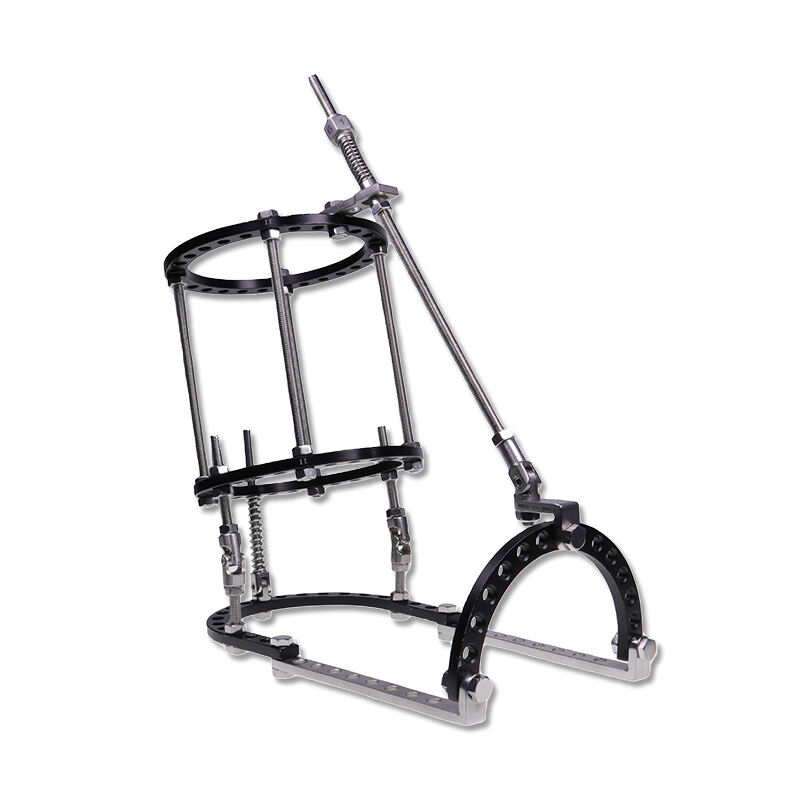
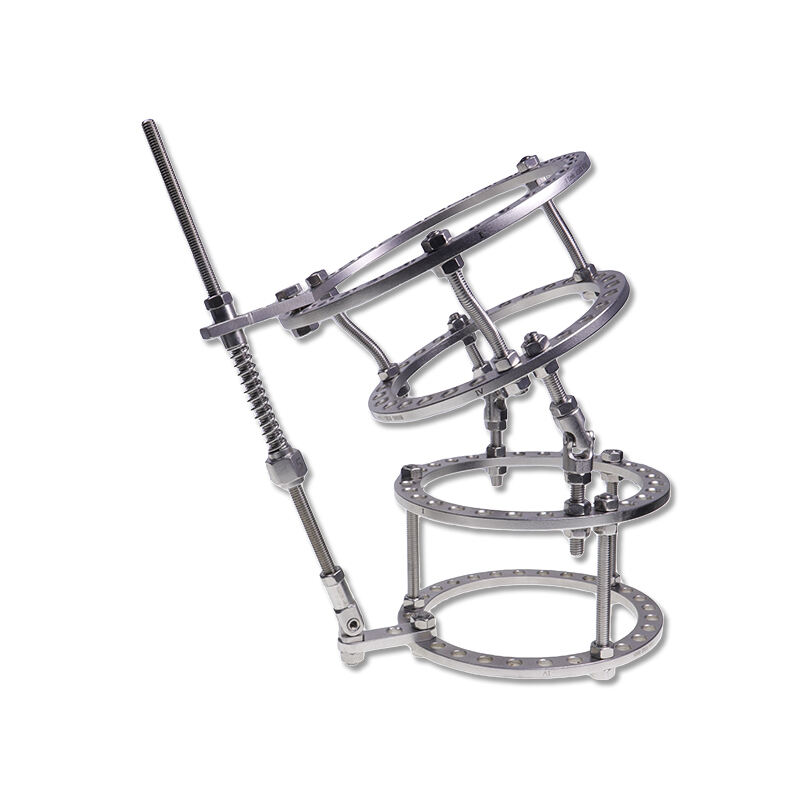
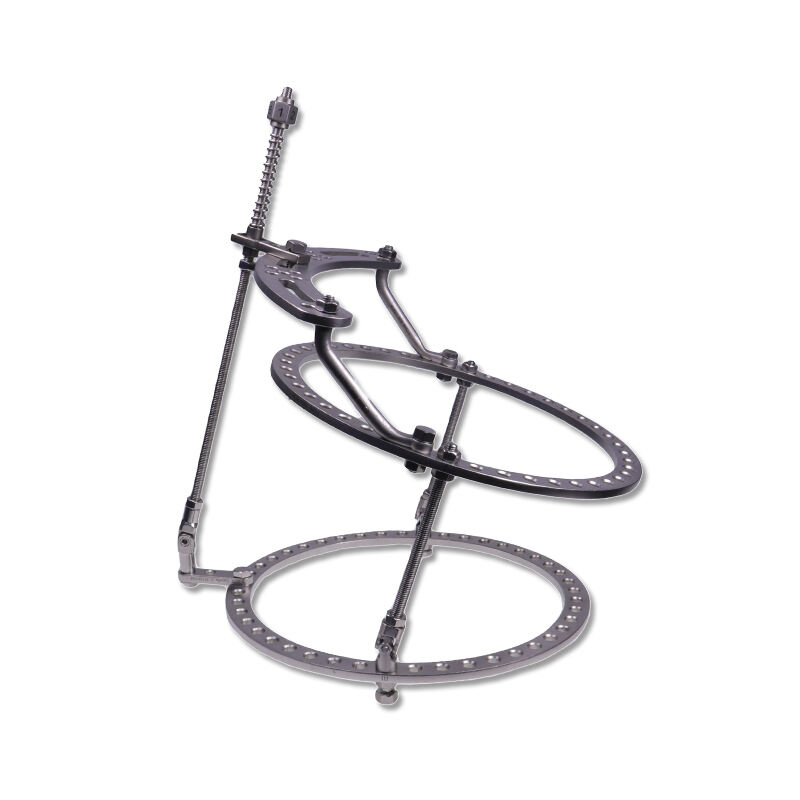
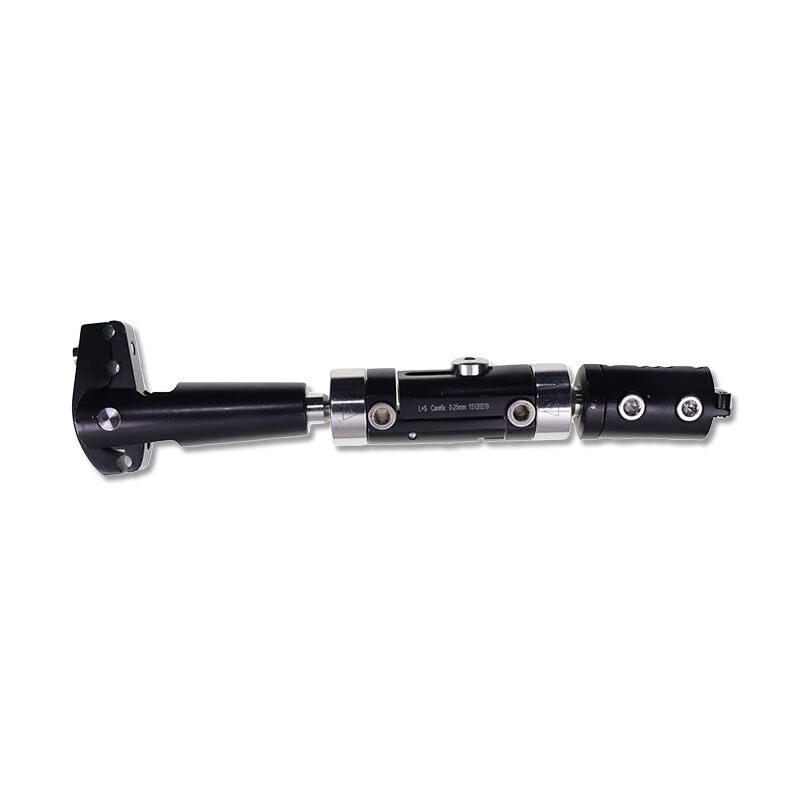
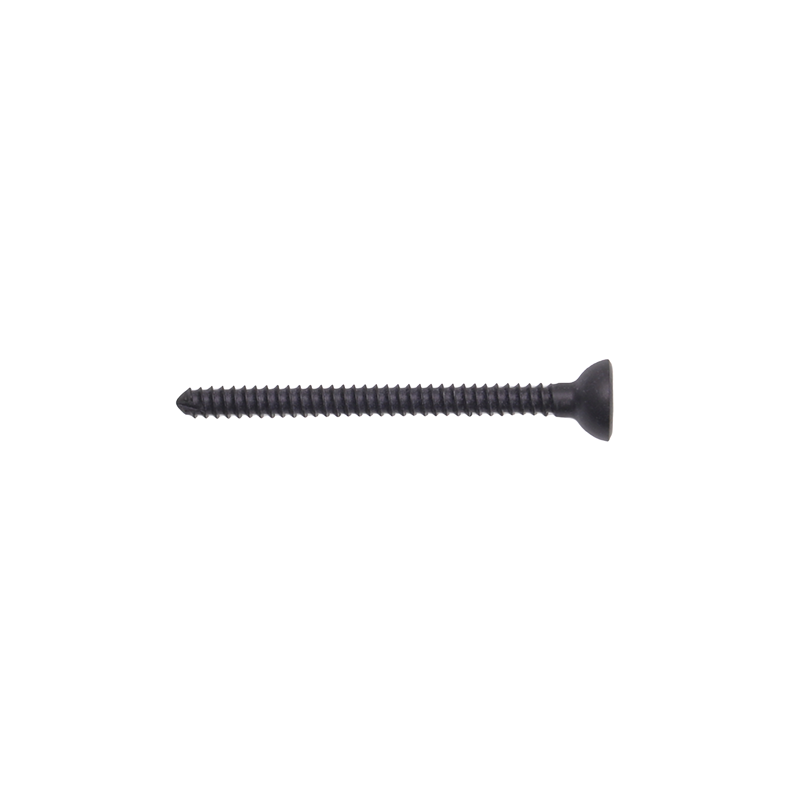
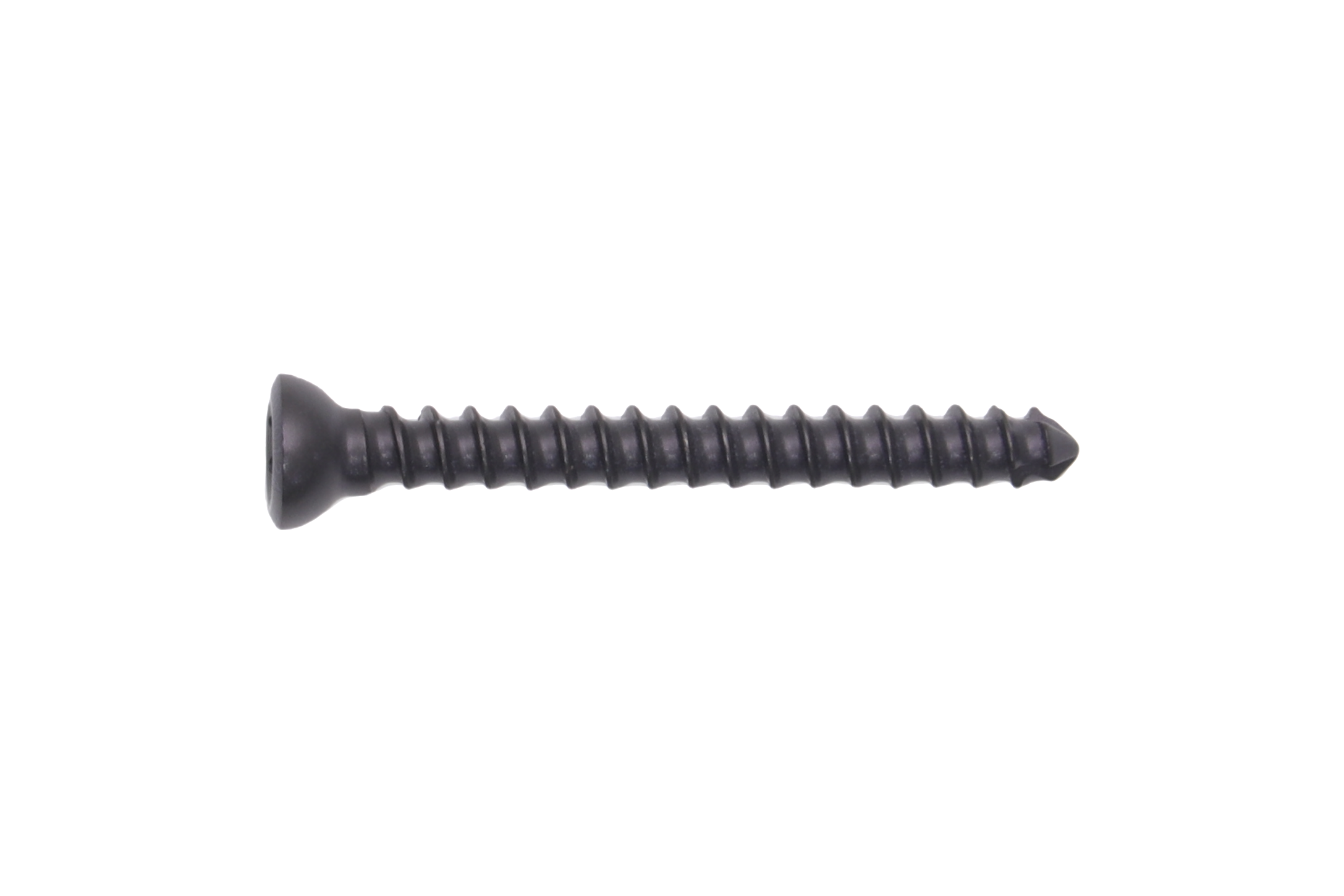
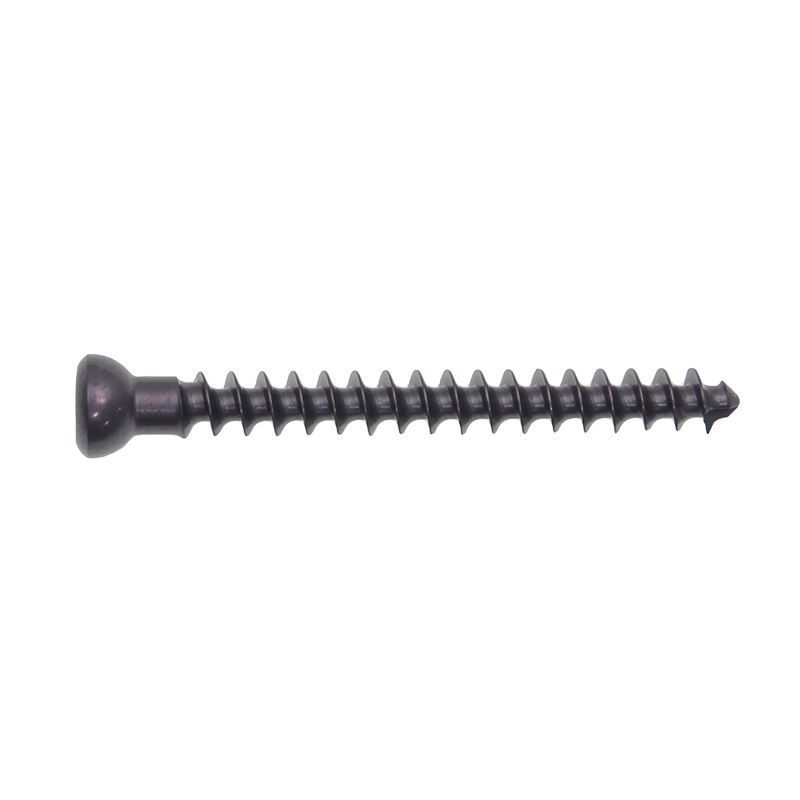
cortical bone trajectory screw
The cortical bone trajectory screw represents an innovative advancement in spinal fusion surgery, offering surgeons a modern alternative to traditional pedicle screw fixation techniques. This specialized medical device is designed to engage the dense cortical bone found in the vertebral pedicle and vertebral body, creating a unique path that maximizes bone purchase and stability. Unlike conventional trajectory screws that primarily rely on cancellous bone engagement, the cortical bone trajectory screw follows a medial-to-lateral and caudal-to-cranial path through the pedicle, allowing for greater contact with the harder cortical bone surfaces. The main functions of this surgical implant include providing robust spinal stabilization, facilitating bone fusion, and supporting the vertebral column during the healing process. Technological features of the cortical bone trajectory screw include its specialized thread design optimized for cortical bone engagement, smaller diameter compared to traditional pedicle screws, and a trajectory angle that preserves muscle tissue and requires less soft tissue dissection. The cortical bone trajectory screw finds primary applications in lumbar spinal fusion procedures, degenerative disc disease treatment, spondylolisthesis correction, and various spinal deformity cases. This advanced fixation method has gained recognition among spine surgeons for its ability to achieve strong fixation even in patients with compromised bone quality, making it particularly valuable in osteoporotic patients where traditional screw purchase may be inadequate. The cortical bone trajectory screw system continues to evolve with ongoing research supporting its clinical efficacy and safety profile in diverse patient populations.
 EN
EN