posterior spinal instrumentation
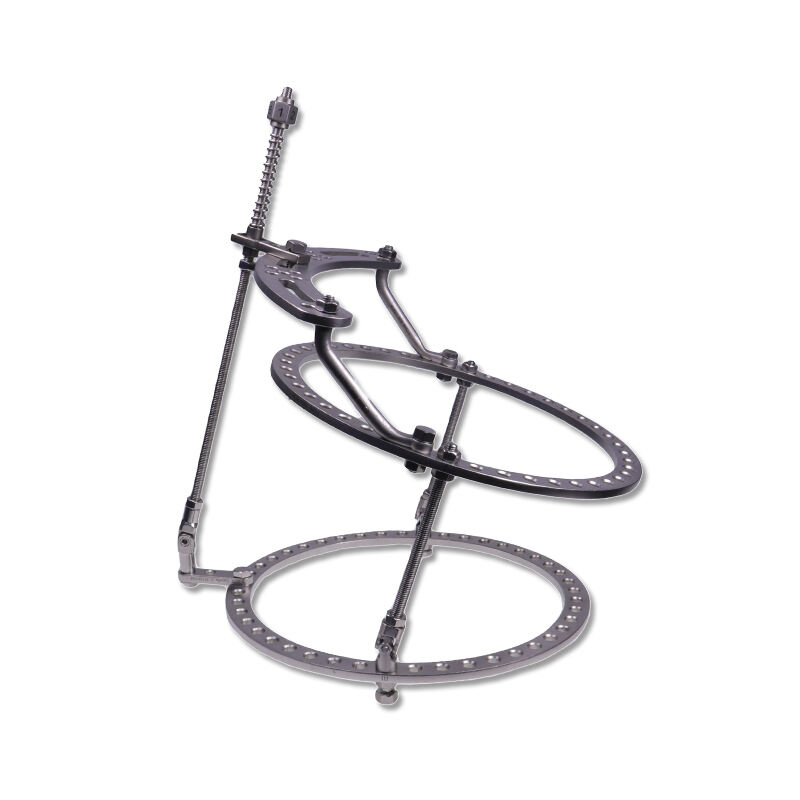
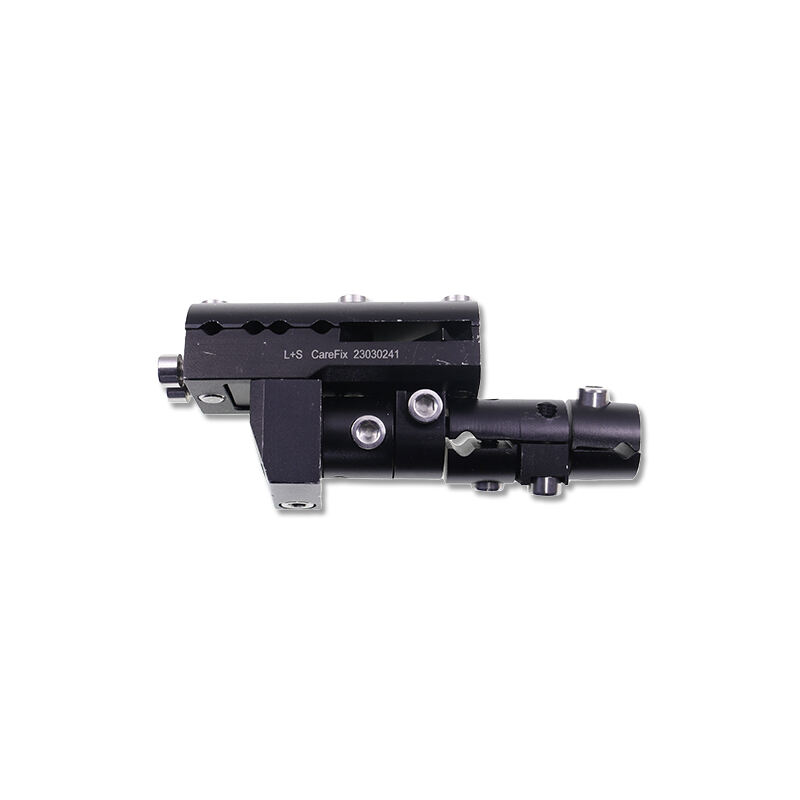
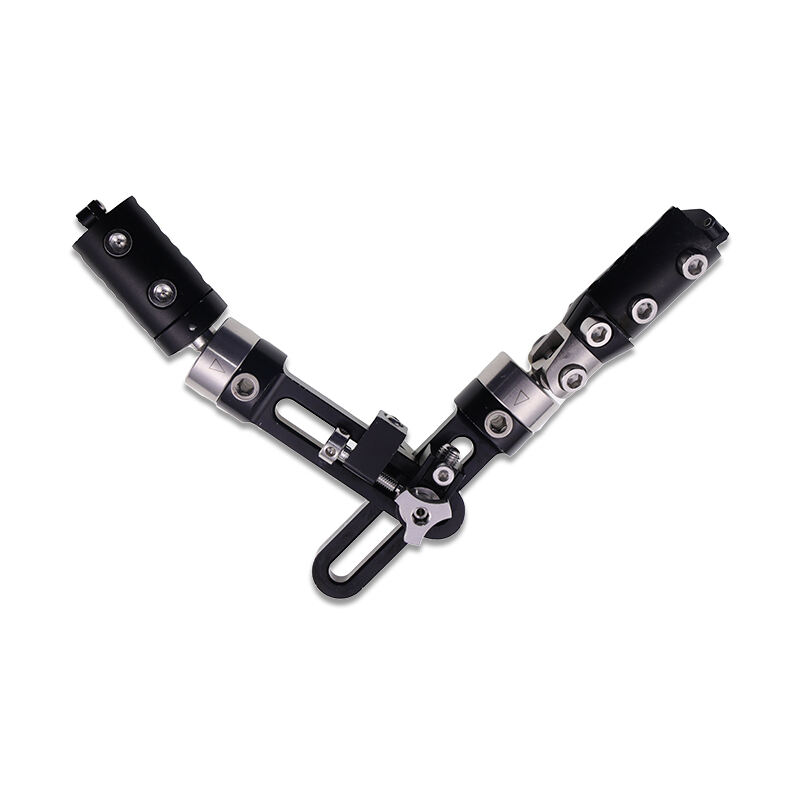
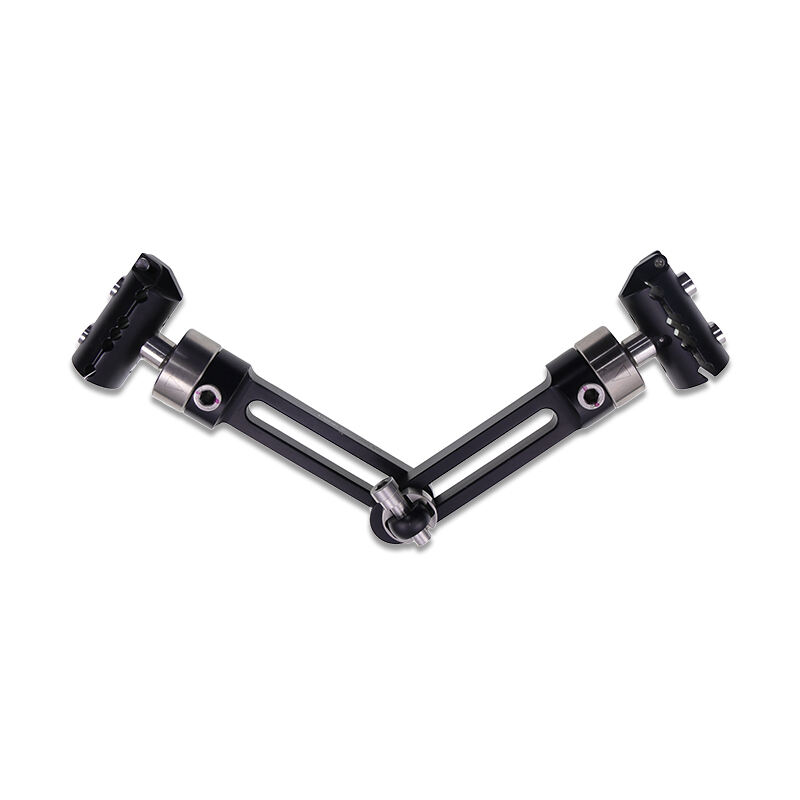
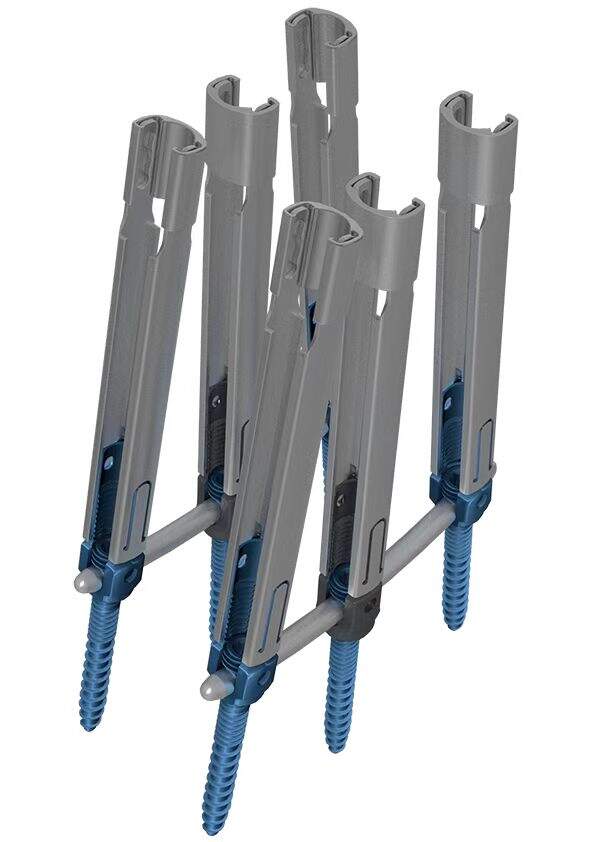
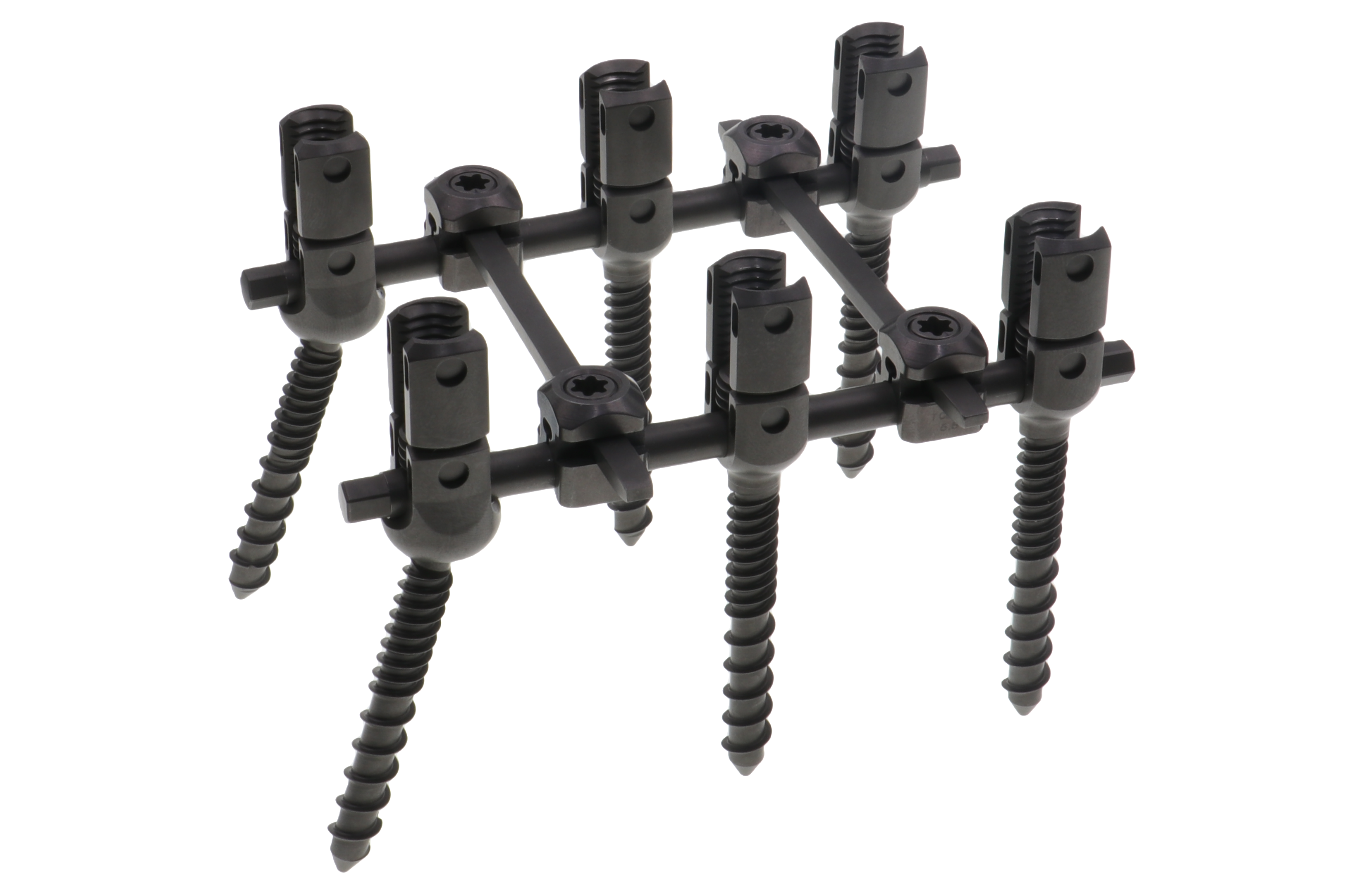
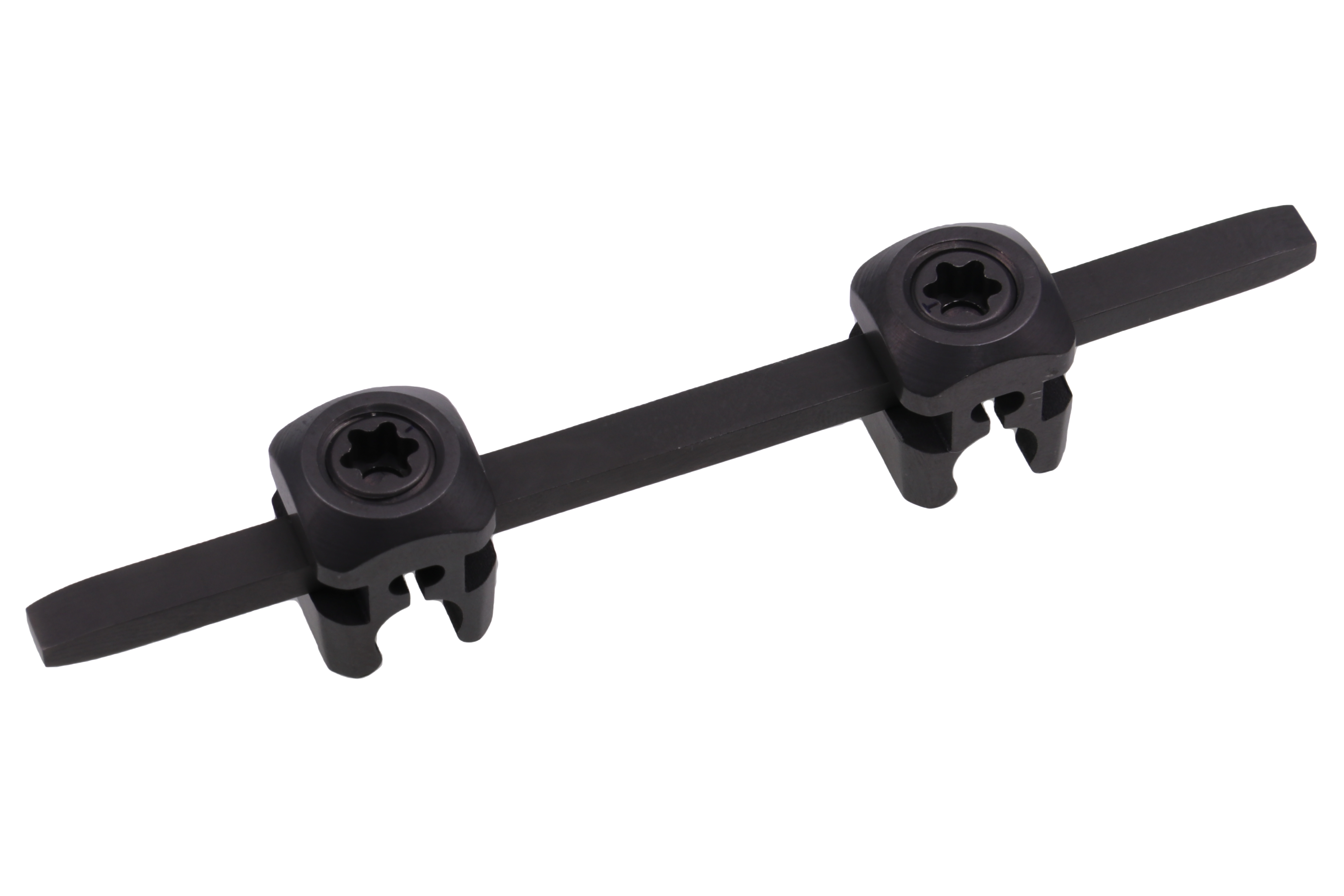
Posterior spinal instrumentation represents a comprehensive surgical system designed to stabilize and correct spinal deformities through a posterior approach. This advanced medical technology encompasses a range of specialized implants including pedicle screws, rods, hooks, and connectors that work together to provide robust spinal fixation. The primary function of posterior spinal instrumentation is to restore proper spinal alignment while promoting successful fusion in patients suffering from conditions such as scoliosis, kyphosis, degenerative disc disease, spinal fractures, and tumors. The system operates by anchoring to the vertebral column from the back of the spine, allowing surgeons to manipulate and secure the spinal structure effectively. Technologically, posterior spinal instrumentation features modular components manufactured from biocompatible materials like titanium alloys and stainless steel, ensuring both strength and compatibility with human tissue. The instrumentation allows for three-dimensional correction capabilities, enabling surgeons to address complex spinal deformities with precision. Modern systems incorporate low-profile designs that minimize soft tissue irritation while maintaining structural integrity. Applications span across various spinal regions, from cervical to lumbar segments, making posterior spinal instrumentation versatile for treating diverse pathologies. The technology supports minimally invasive approaches in select cases, reducing surgical trauma and accelerating recovery times. With proven clinical outcomes and continuous innovation, posterior spinal instrumentation has become the gold standard for many spinal reconstruction procedures, offering reliable solutions for patients requiring long-term spinal stabilization and correction.
 EN
EN