Minimally Invasive Surgery Compatibility
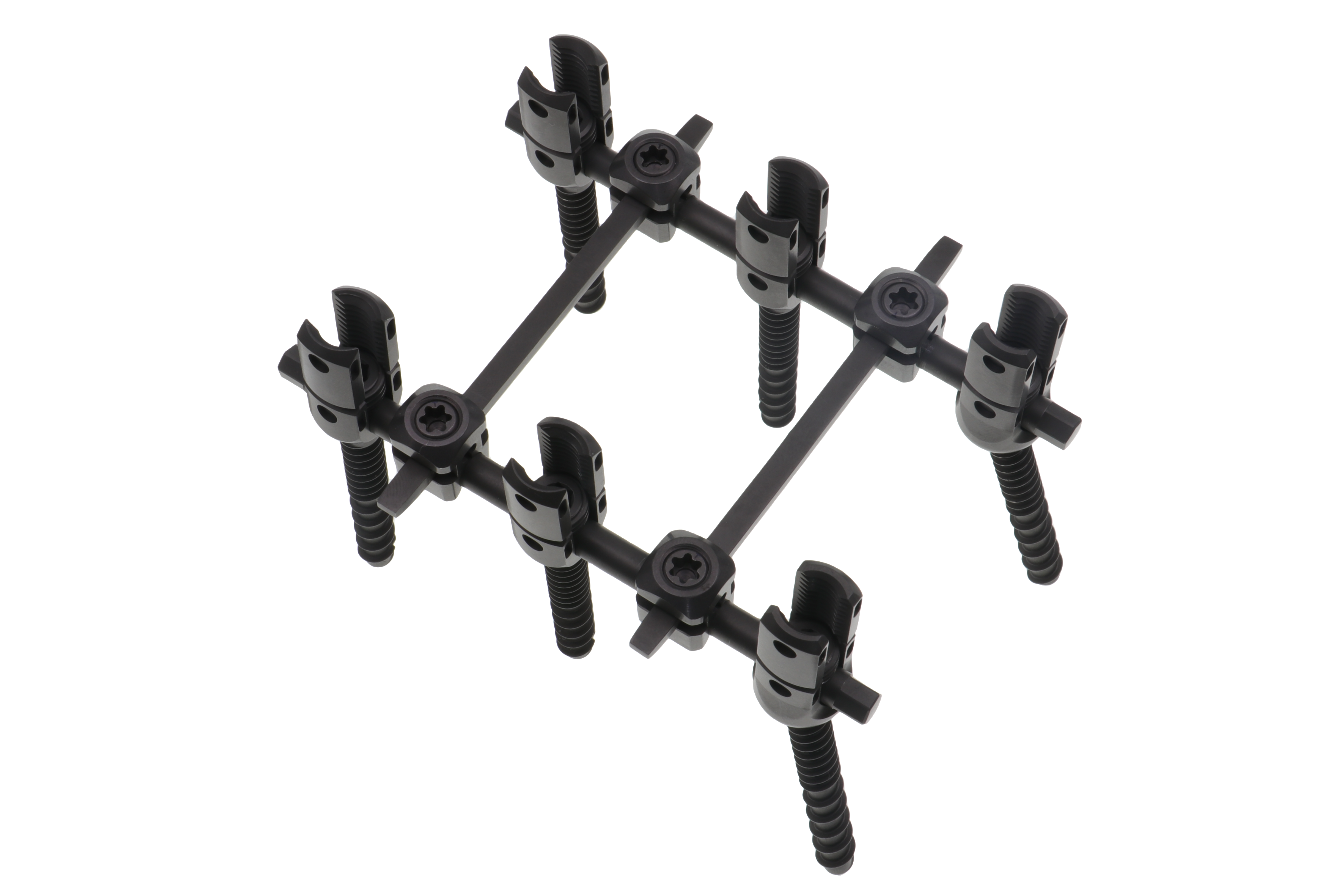
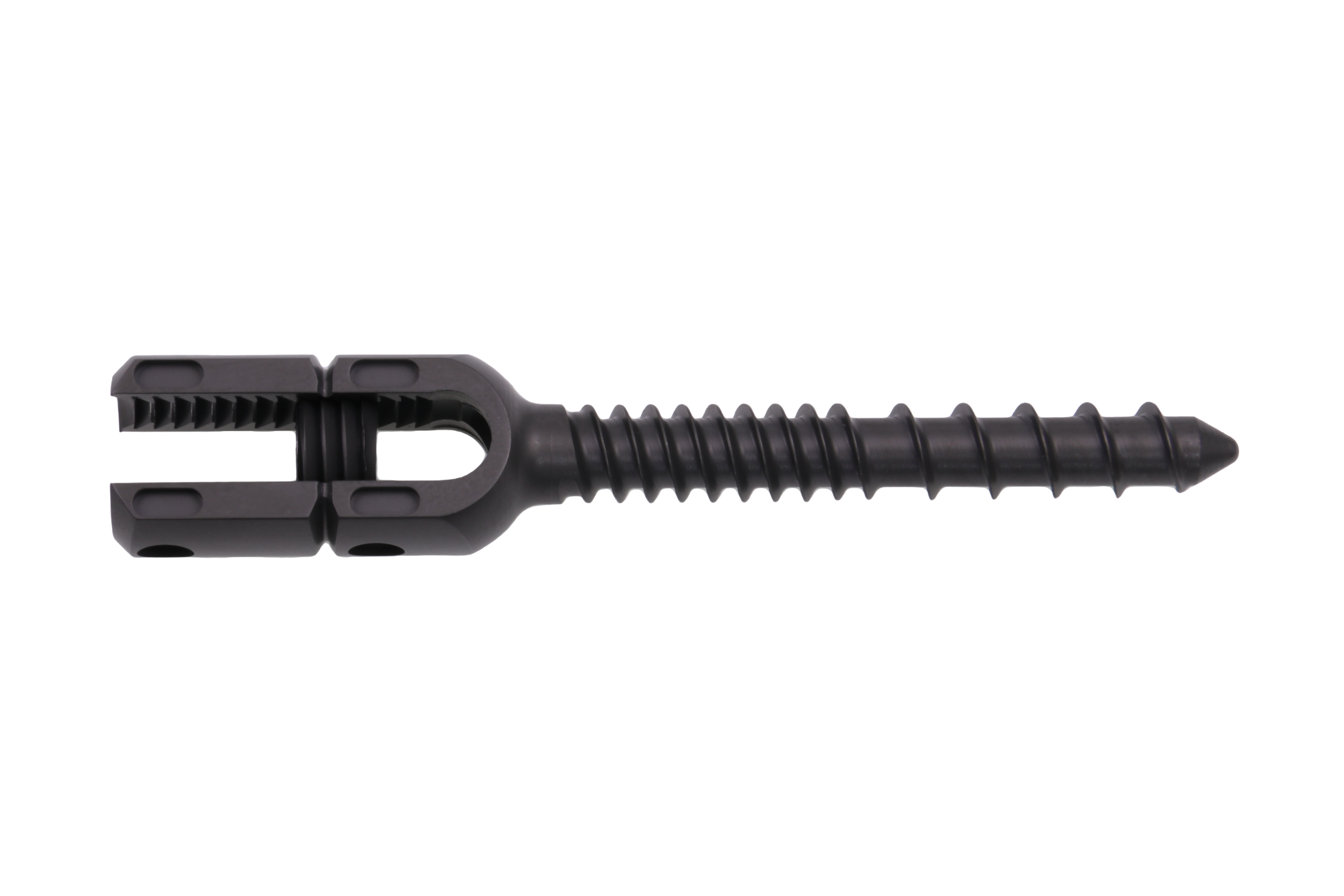
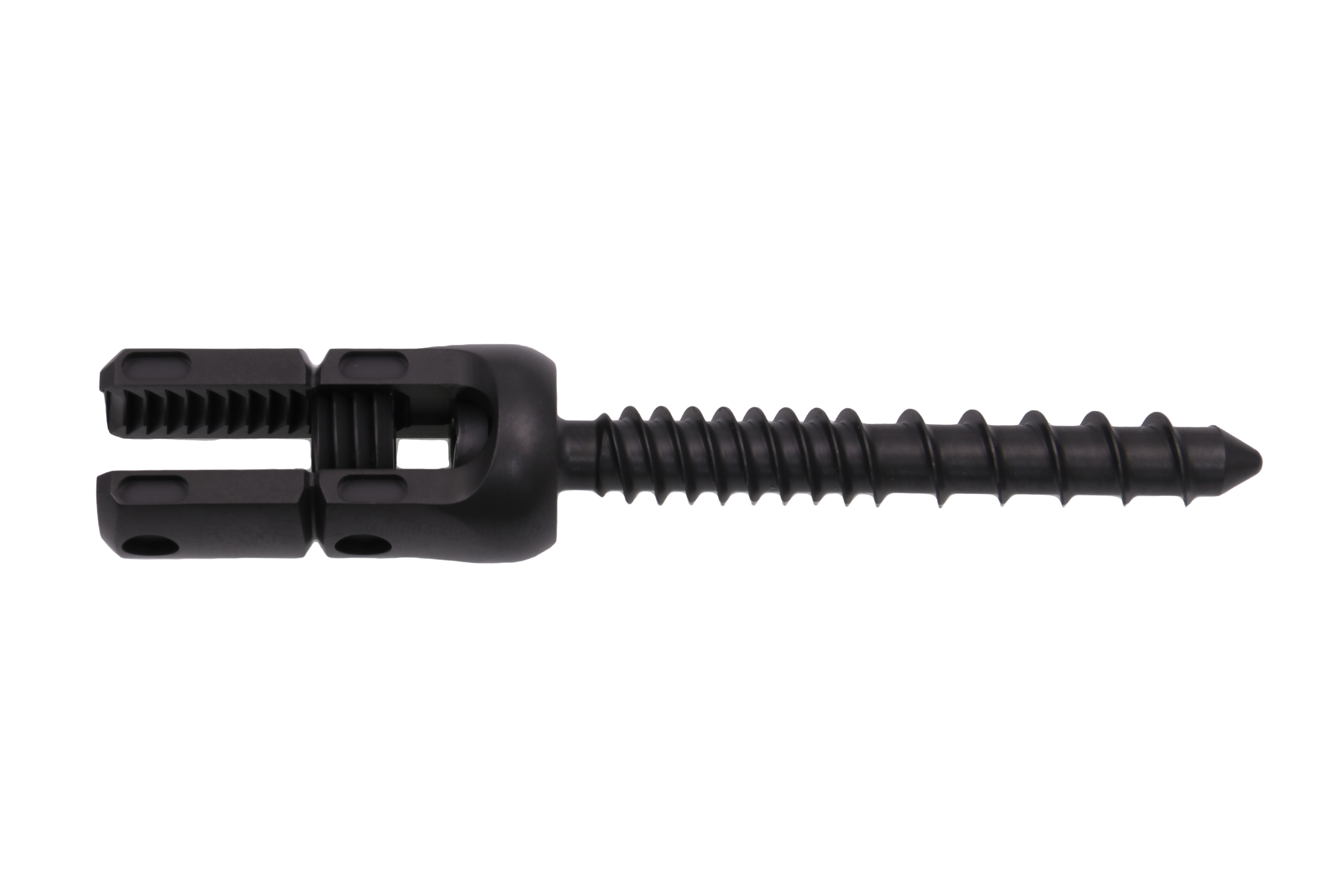
Cannulated pedicle screws have become indispensable for minimally invasive spinal surgery techniques that prioritize tissue preservation and accelerated patient recovery. Traditional open spinal procedures require extensive muscle dissection and retraction to visualize anatomical landmarks for screw placement, often causing significant collateral tissue damage. The guidewire-based insertion method of cannulated pedicle screws eliminates the need for direct visualization, allowing surgeons to work through tubular retractors or small percutaneous incisions measuring just a few centimeters. Using fluoroscopic or navigation guidance, surgeons insert guidewires through these minimal access points, then advance cannulated pedicle screws over the wires without disturbing surrounding muscles, ligaments, and soft tissues. This tissue-sparing approach results in measurably better outcomes including reduced operative blood loss, decreased postoperative pain scores, lower infection rates, and shorter rehabilitation periods. Patients typically experience less surgical trauma, require fewer pain medications, and achieve earlier mobilization compared to open surgery counterparts. The cosmetic benefits of smaller incisions also contribute to patient satisfaction. Healthcare systems benefit from reduced hospital length of stay and lower complication rates. The compatibility of cannulated pedicle screws with minimally invasive techniques represents a significant advancement that aligns with modern surgical philosophy emphasizing precision, efficiency, and patient-centered care while maintaining the robust fixation strength required for successful spinal fusion.
 EN
EN