Titanium Pedicle Screw: Spinal Fixation Solutions

Get a Free Quote

Our representative will contact you soon.
Email
Name
Company Name
Message
0/1000

titanium pedicle screw

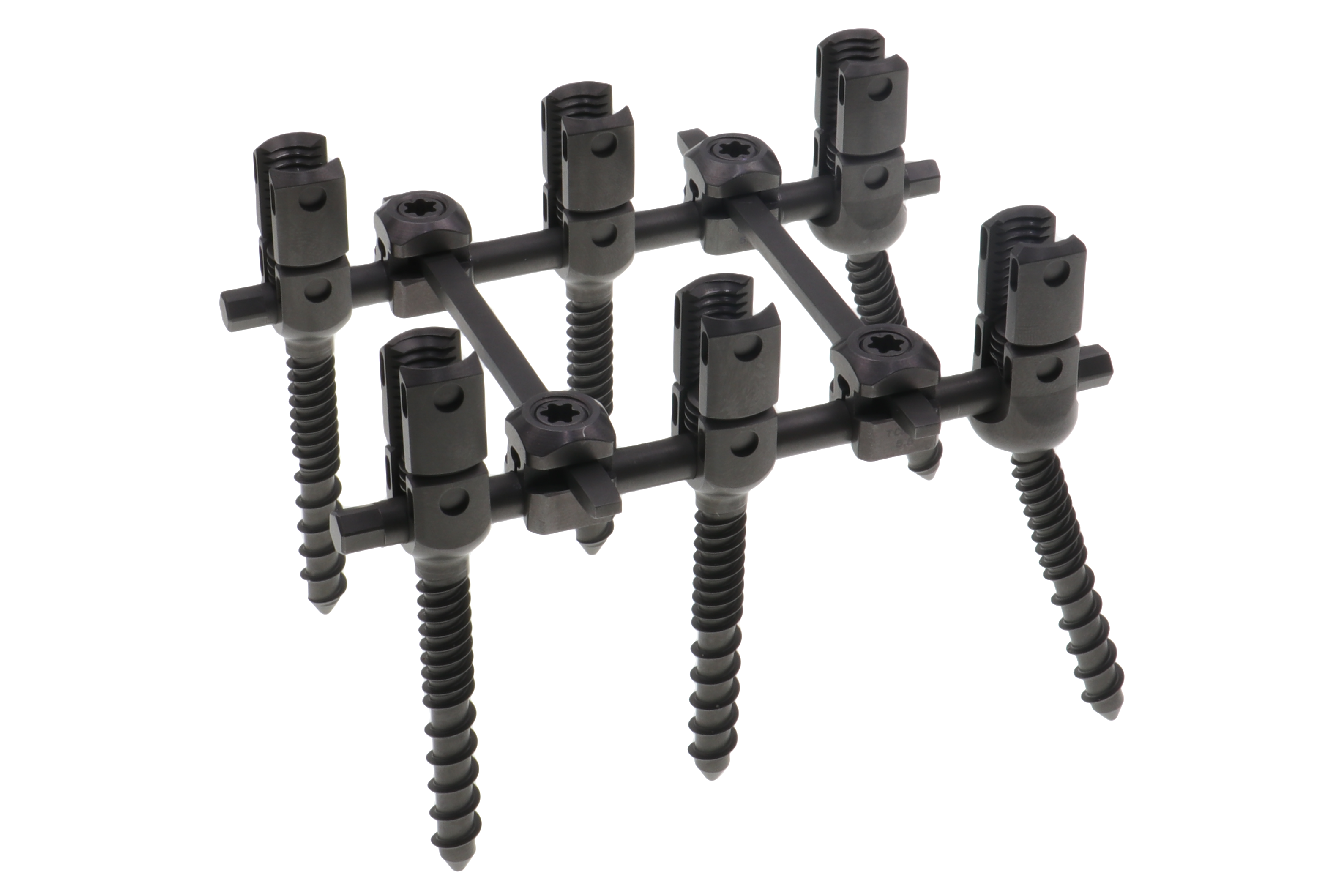
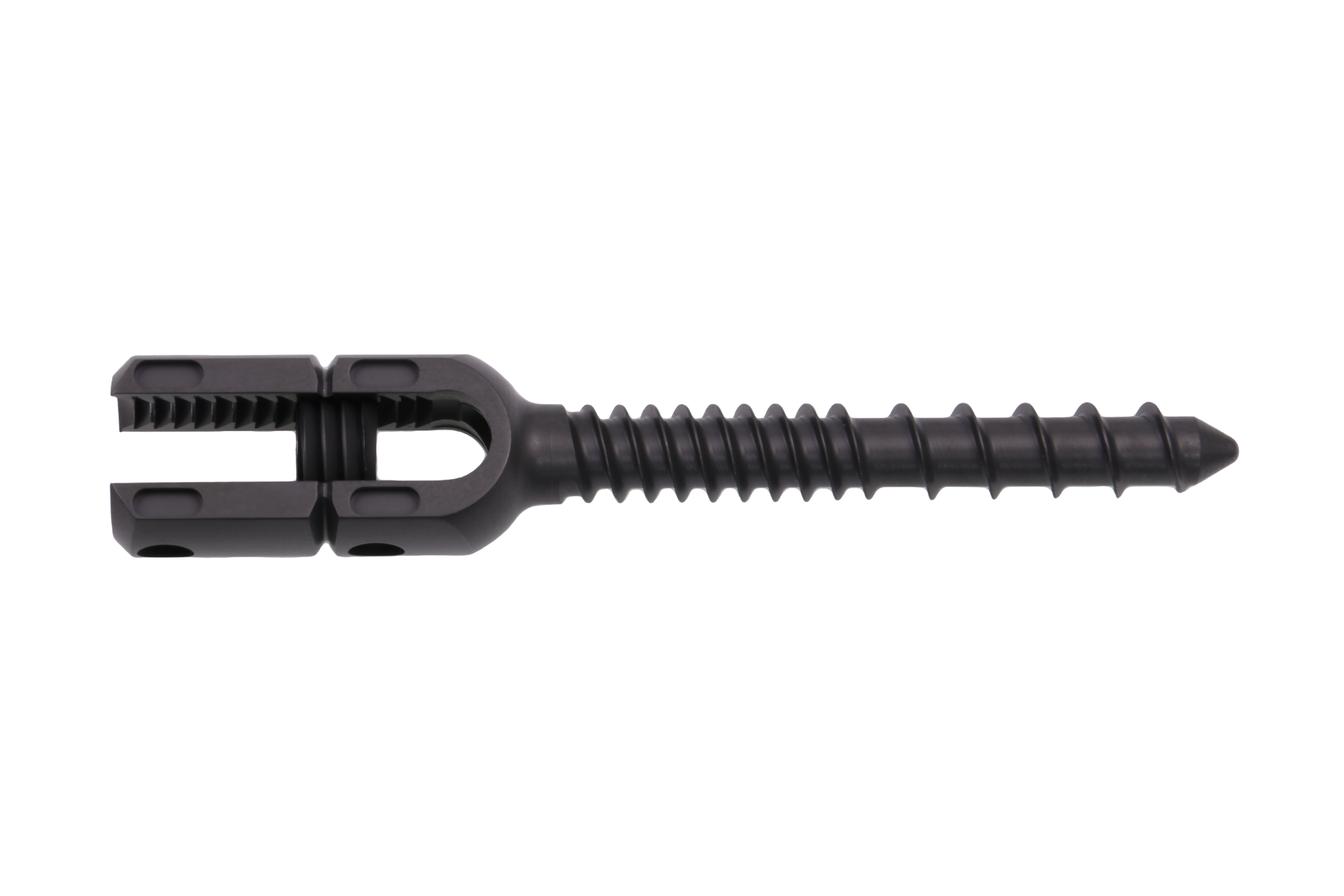
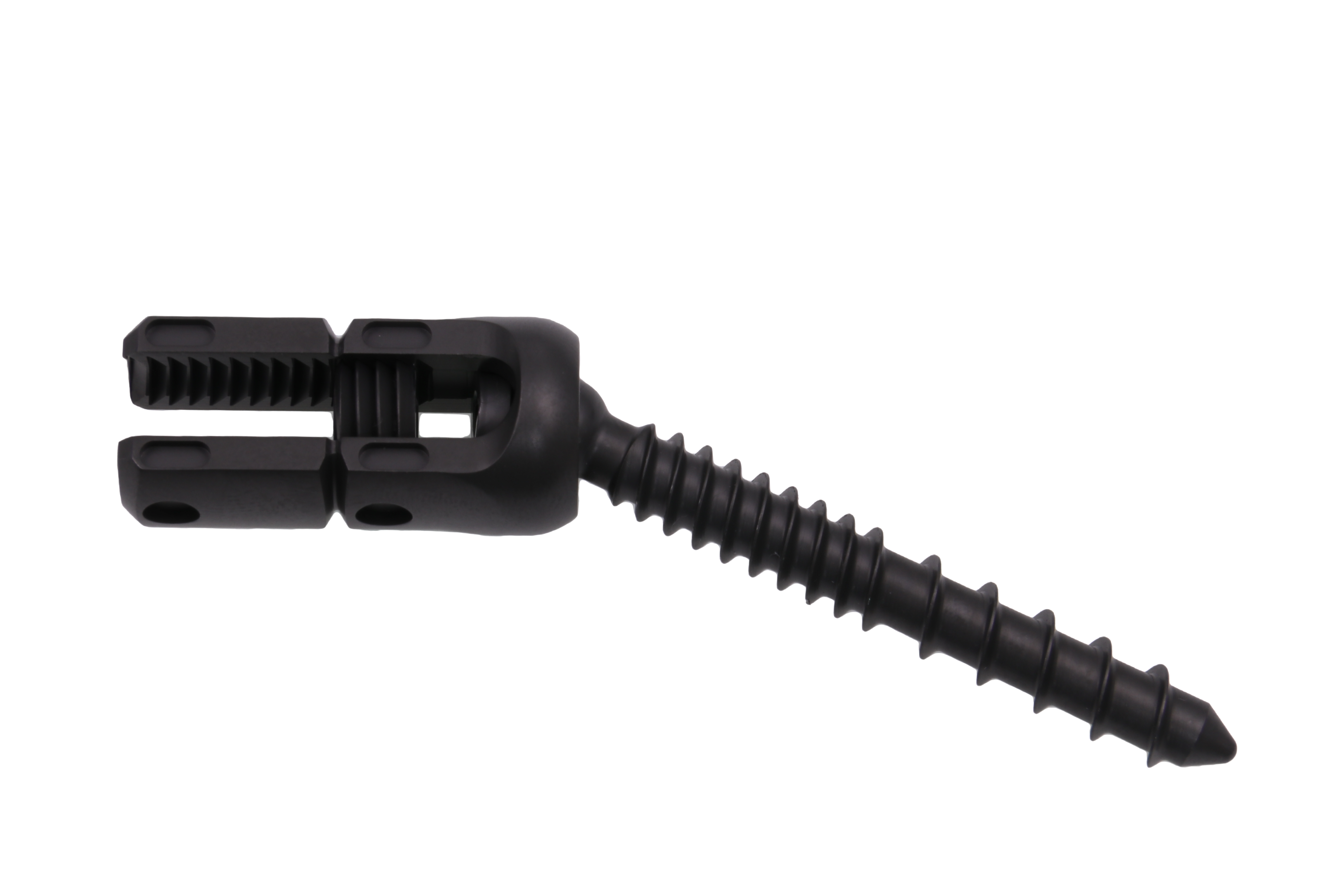
The titanium pedicle screw is a specialized orthopedic implant designed for spinal fusion and stabilization procedures. This medical device serves as a critical component in treating various spinal disorders, including degenerative disc disease, scoliosis, spinal fractures, and instability conditions. The titanium pedicle screw functions by anchoring into the pedicle portion of the vertebra, creating a secure foundation for rod-based spinal fixation systems. Manufactured from medical-grade titanium alloy, these screws offer exceptional biocompatibility and strength-to-weight ratio, making them ideal for long-term implantation. The technological features of the titanium pedicle screw include a precisely threaded shaft that ensures optimal purchase in bone tissue, a polyaxial or monoaxial head design that accommodates various anatomical configurations, and self-tapping capabilities that facilitate insertion during surgery. Advanced surface treatments enhance osseointegration, promoting bone growth around the implant for improved stability. These screws come in various diameters and lengths to accommodate different patient anatomies and surgical requirements. Applications span across multiple spinal levels, from cervical to lumbosacral regions, with particular effectiveness in posterior spinal fusion procedures. Surgeons rely on the titanium pedicle screw for both minimally invasive and open surgical approaches, where precision placement under fluoroscopic guidance ensures optimal biomechanical outcomes. The device's compatibility with standard spinal instrumentation systems makes it a versatile choice for comprehensive spinal reconstruction and correction procedures.

New Product Recommendations

Choosing a titanium pedicle screw provides substantial practical benefits that directly impact surgical outcomes and patient recovery. The primary advantage lies in titanium's exceptional biocompatibility, which significantly reduces the risk of allergic reactions and tissue rejection compared to other metal alloys. This material property ensures safer long-term implantation with minimal adverse biological responses. The lightweight nature of titanium reduces overall construct weight while maintaining superior mechanical strength, allowing patients to experience less postoperative discomfort and faster return to daily activities. From an operational perspective, surgeons benefit from the predictable insertion characteristics of the titanium pedicle screw, with its precise threading design enabling controlled placement and reduced surgical time. The radiolucent properties of titanium facilitate clearer postoperative imaging, allowing healthcare providers to accurately assess fusion progress and hardware positioning without significant artifact interference on CT or MRI scans. This imaging advantage supports better long-term monitoring and treatment planning. The corrosion resistance of titanium pedicle screw systems ensures dimensional stability throughout the healing process, maintaining fixation integrity even in the challenging biochemical environment of the human body. For healthcare facilities, these screws offer excellent value through reduced revision surgery rates and improved patient satisfaction scores. The application suitability extends across diverse patient populations, including those with osteoporotic bone where specialized thread designs provide enhanced grip. Decision-makers appreciate the documented clinical track record spanning decades of successful use, with extensive peer-reviewed literature supporting efficacy and safety profiles. The standardized instrumentation compatible with the titanium pedicle screw reduces training requirements and streamlines surgical workflows across orthopedic and neurosurgical departments.

Practical Tips

Cannulated Screw Types: Features and Benefits Explained

16

Dec

Cannulated Screw Types: Features and Benefits Explained

Orthopedic surgery has evolved significantly over the past decades, with advances in implant technology playing a crucial role in improving patient outcomes. Among these innovations, the cannulated screw stands out as a versatile and highly effective...
View More
Understanding Intramedullary Nail Complications

13

Jan

Understanding Intramedullary Nail Complications

Intramedullary nail complications represent a significant concern in orthopedic surgery, affecting patient outcomes and recovery timelines. These complications can arise during insertion, throughout the healing process, or during long-term implant re...
View More
No need for secondary surgery: How does the self-lengthening intramedullary nail synchronize with bone development?

11

Feb

No need for secondary surgery: How does the self-lengthening intramedullary nail synchronize with bone development?

The evolution of pediatric orthopedic surgery has witnessed remarkable advancements in recent decades, with the telescopic intramedullary nail emerging as a groundbreaking solution for treating femoral shaft fractures in growing children. This innova...
View More
Treatment of osteomyelitis and tibial pseudarthrosis: The advantages of the Ilizarov frame

06

Mar

Treatment of osteomyelitis and tibial pseudarthrosis: The advantages of the Ilizarov frame

The treatment of complex orthopedic conditions such as osteomyelitis and tibial pseudarthrosis presents significant challenges that require innovative surgical approaches. Among the most effective solutions available to orthopedic surgeons today is t...
View More

Get a Free Quote

Our representative will contact you soon.
Email
Name
Company Name
Message
0/1000

titanium pedicle screw

Superior Biocompatibility and Osseointegration

Superior Biocompatibility and Osseointegration

The titanium pedicle screw demonstrates exceptional biocompatibility that sets it apart from alternative fixation devices in spinal surgery. Titanium's unique surface chemistry promotes direct bone-to-implant contact through osseointegration, a biological process where living bone tissue forms a structural and functional connection with the implant surface. This integration creates a more stable construct over time compared to mechanical fixation alone. The material's inert nature minimizes inflammatory responses and eliminates concerns about metal sensitivity that can occur with stainless steel or cobalt-chromium alloys. Advanced surface treatments, including micro-texturing and coating technologies, further enhance bone cell adhesion and proliferation around the titanium pedicle screw. This biological bonding translates to improved long-term fixation stability and reduced micromotion at the bone-implant interface. For patients, this means lower risk of hardware loosening, decreased pseudarthrosis rates, and more predictable fusion outcomes. The osseointegration property becomes particularly valuable in revision surgeries or compromised bone quality scenarios, where biological fixation augments mechanical purchase to achieve reliable spinal stabilization.
Optimal Strength-to-Weight Ratio for Biomechanical Performance

Optimal Strength-to-Weight Ratio for Biomechanical Performance

The titanium pedicle screw offers an ideal balance between mechanical strength and lightweight construction, delivering superior biomechanical performance without unnecessary bulk. Titanium alloy possesses a strength comparable to surgical stainless steel while weighing approximately 45 percent less, reducing the overall mass of spinal constructs. This weight advantage decreases stress on adjacent vertebral segments and minimizes the sensation of implanted hardware that some patients report. The high tensile strength of the titanium pedicle screw enables it to withstand the complex loading conditions of the spine, including flexion, extension, lateral bending, and rotational forces, without permanent deformation or failure. The material's excellent fatigue resistance ensures reliable performance through millions of loading cycles that occur during normal daily activities over the implant's lifespan. Engineers design the titanium pedicle screw with optimized thread geometry that maximizes pullout strength while minimizing insertion torque requirements. This mechanical efficiency allows surgeons to achieve secure fixation even in challenging bone quality situations, including osteoporotic patients where screw purchase may be compromised. The robust biomechanical properties translate to clinical confidence in construct stability and reduced risk of hardware-related complications.
Enhanced Imaging Compatibility for Postoperative Assessment

Enhanced Imaging Compatibility for Postoperative Assessment

The titanium pedicle screw provides significant advantages in postoperative imaging compared to other metallic implants, facilitating superior patient monitoring and treatment evaluation. Titanium's lower atomic number results in substantially reduced artifact generation on CT and MRI scans, allowing clinicians to visualize surrounding bone, neural structures, and soft tissues with greater clarity. This imaging transparency proves crucial for assessing fusion status, detecting potential complications, and planning any necessary revision procedures. Unlike stainless steel alternatives that create extensive scatter and signal void, the titanium pedicle screw permits accurate evaluation of the bone-implant interface and identification of pseudarthrosis or hardware loosening. For patients requiring ongoing imaging surveillance for conditions beyond their spinal surgery, such as oncological follow-up or evaluation of adjacent segment disease, the MRI compatibility of titanium becomes invaluable. Radiologists can interpret studies with confidence, while surgeons receive the diagnostic information necessary for informed clinical decision-making. The reduced artifact profile also enhances surgical planning for potential revision procedures, allowing precise templating and approach strategies based on clear visualization of existing hardware positions and surrounding anatomy.
logo