Spinal Cord Screws: Advanced Fixation Solutions

Get a Free Quote

Our representative will contact you soon.
Email
Name
Company Name
Message
0/1000

spinal cord screws

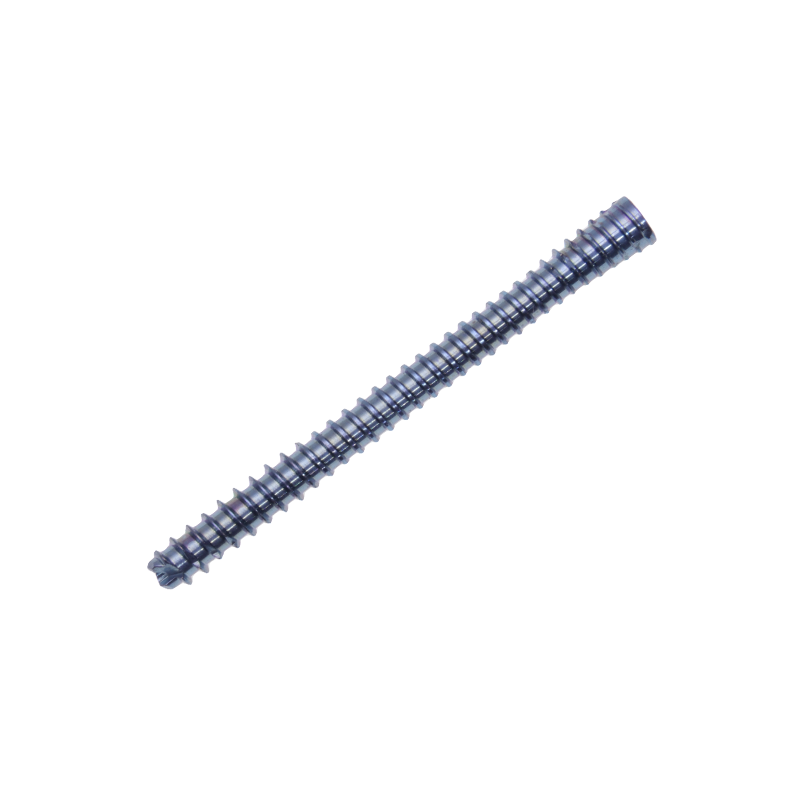
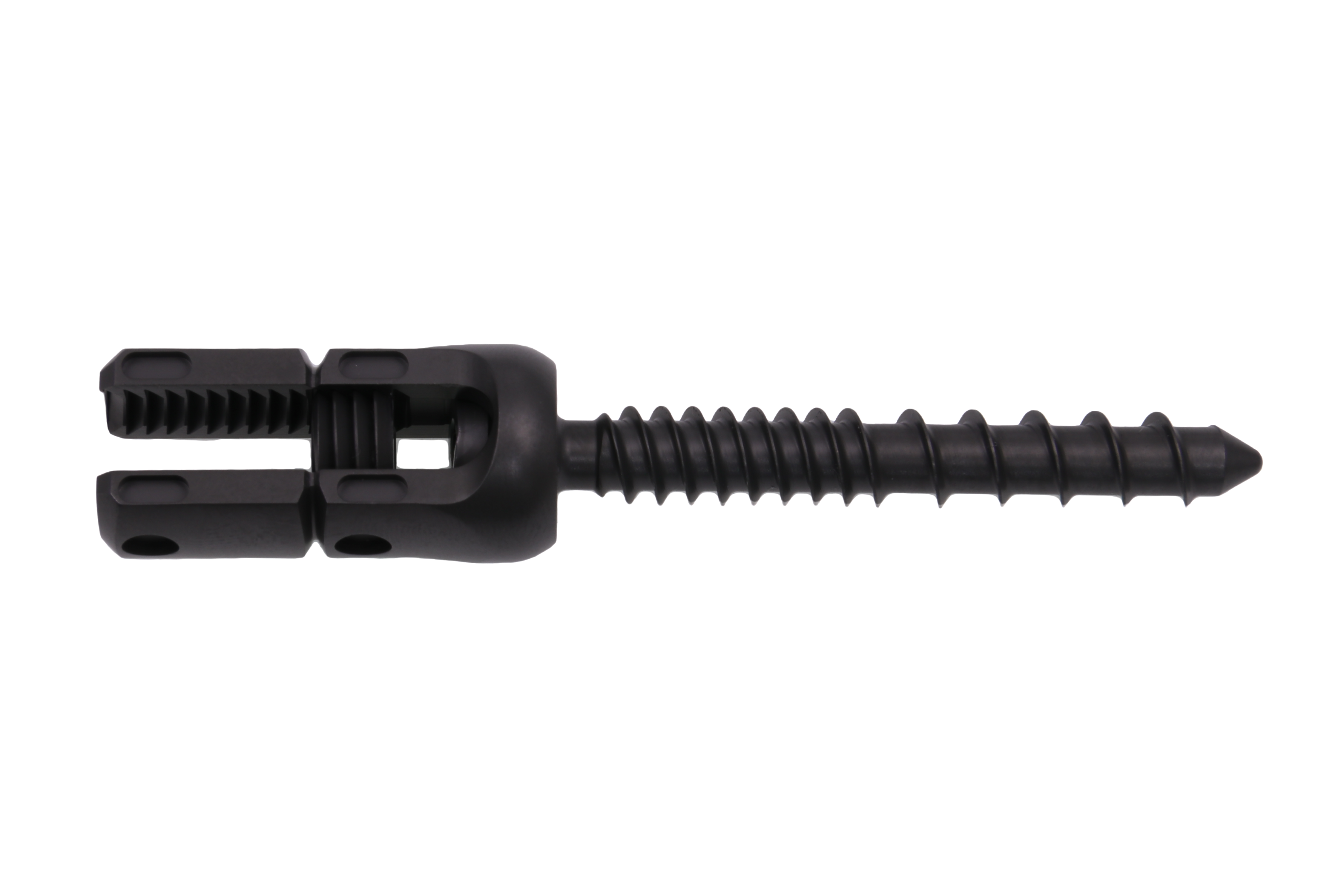
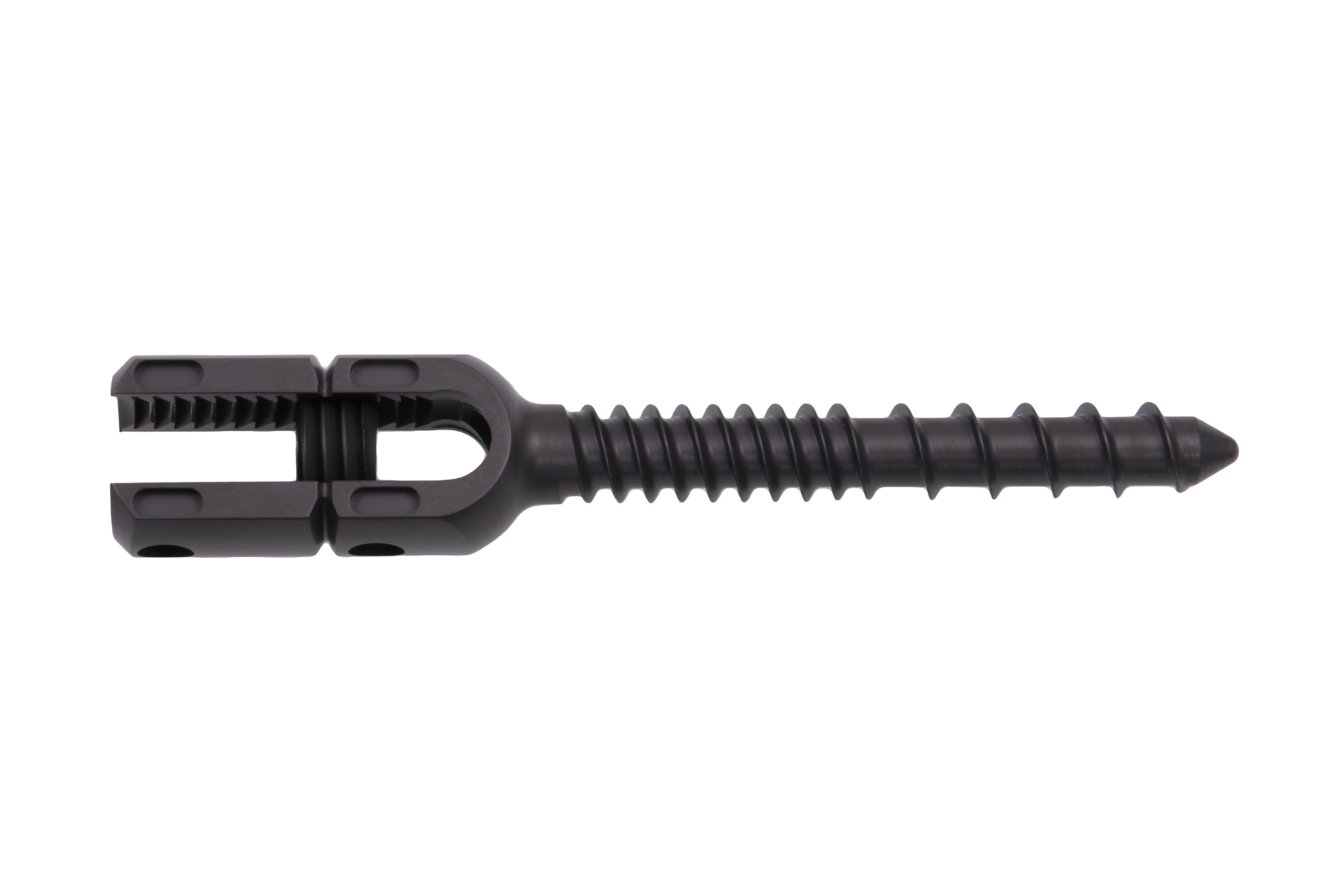
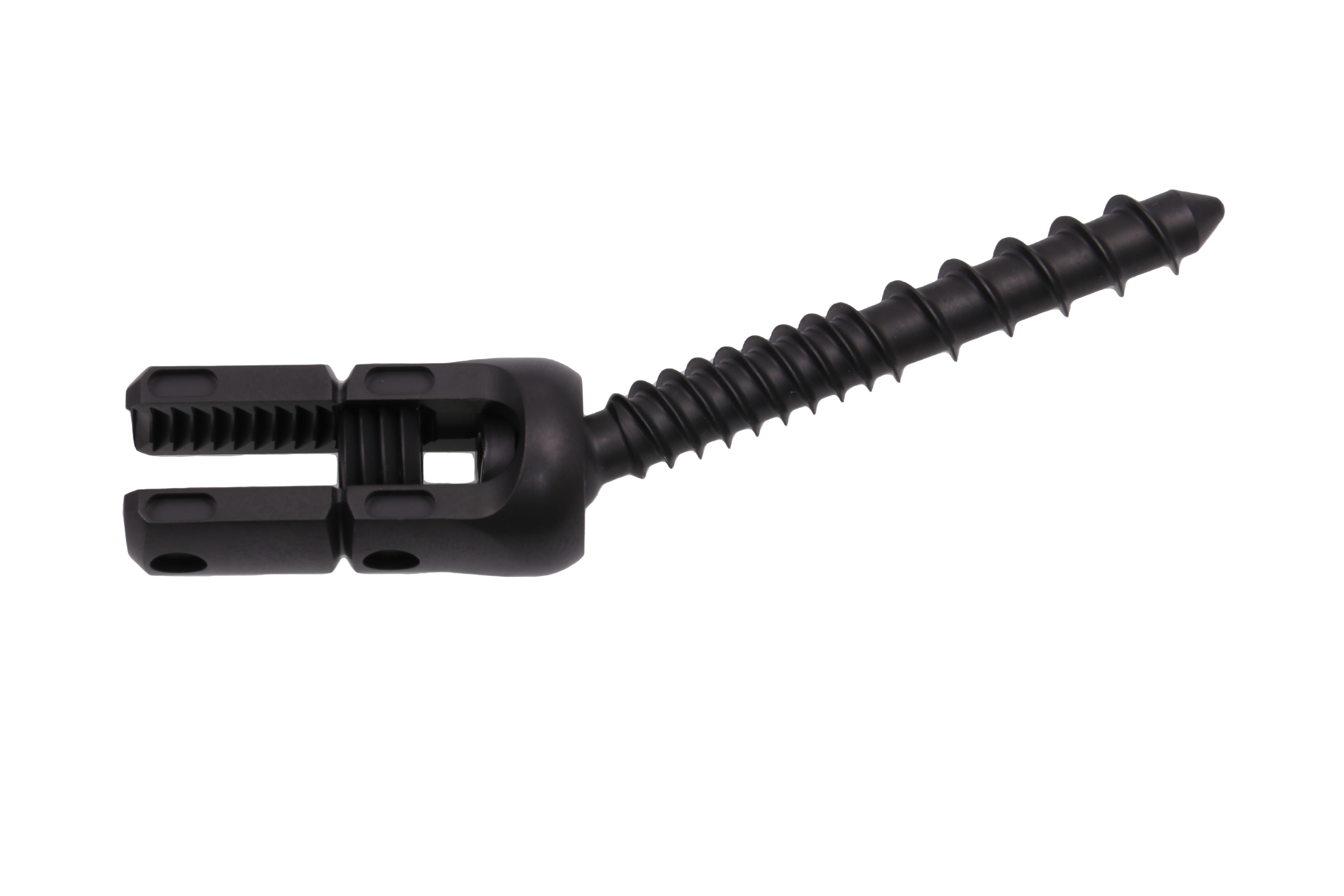
Spinal cord screws are advanced orthopedic implants designed to stabilize and support the vertebral column during spinal fusion and corrective procedures. These precision-engineered devices play a critical role in treating spinal deformities, degenerative disc disease, fractures, and instability conditions. Spinal cord screws are inserted into the pedicles or vertebral bodies to provide rigid fixation, allowing the spine to heal properly while maintaining correct alignment. The main functions include securing vertebral segments, preventing unwanted movement during recovery, and creating an optimal environment for bone fusion. Technological features of modern spinal cord screws encompass self-tapping threads for easier insertion, polyaxial head designs that allow multi-directional screw positioning, and cannulated options for minimally invasive procedures. Many spinal cord screws are manufactured from titanium alloy or stainless steel, offering excellent biocompatibility and strength-to-weight ratios. Surface treatments such as hydroxyapatite coating enhance osseointegration, promoting faster bone ingrowth around the implant. Applications span a wide range of surgical scenarios including scoliosis correction, spondylolisthesis stabilization, tumor resection reconstruction, and trauma management. Surgeons rely on spinal cord screws in both open and minimally invasive techniques, benefiting from their versatility across thoracic, lumbar, and cervical spine regions. The precision engineering behind spinal cord screws ensures consistent performance, reduced surgical complications, and improved patient outcomes in complex spinal reconstruction procedures.

New Products

The primary advantage of spinal cord screws lies in their ability to provide immediate and robust stabilization of the spine, which significantly accelerates the healing process and reduces recovery time for patients. Unlike traditional fixation methods, these screws offer three-dimensional control over vertebral positioning, ensuring optimal spinal alignment throughout the fusion process. This superior stability translates directly into reduced pain levels post-surgery and lower risk of hardware failure or pseudoarthrosis. For healthcare providers, spinal cord screws streamline surgical workflows through intuitive instrumentation systems and simplified insertion techniques, reducing operating room time and associated costs. The polyaxial design of many spinal cord screws provides surgeons with greater flexibility during placement, accommodating anatomical variations and allowing precise rod positioning without compromising fixation strength. This adaptability makes them suitable for a diverse patient population, from pediatric scoliosis cases to elderly osteoporotic patients requiring gentle yet secure fixation. Operational benefits extend to inventory management, as modular spinal cord screws systems reduce the need for extensive implant variety while maintaining comprehensive surgical coverage. The biocompatible materials used in manufacturing minimize rejection risks and inflammatory responses, contributing to smoother postoperative courses. From a decision-making perspective, the proven track record of spinal cord screws in clinical studies demonstrates high fusion rates and low complication profiles, providing confidence for both surgeons and patients. The versatility of these devices across multiple spinal pathologies means a single surgical platform can address numerous conditions, optimizing hospital investment. Long-term follow-up data consistently shows excellent implant retention and patient satisfaction, reinforcing their value as the gold standard in spinal fixation technology for modern orthopedic practice.

Practical Tips

Special Needs of Children's Bones: Design Philosophy of Pediatric Internal Fixation Systems

16

Dec

Special Needs of Children's Bones: Design Philosophy of Pediatric Internal Fixation Systems

Children's bones present unique challenges that require specialized approaches in orthopedic surgery. Unlike adult skeletal structures, pediatric bones are constantly growing, adapting, and remodeling throughout development. When fractures or deformi...
View More
Ankle internal fixation system: Advantages of ankle locking plate in the treatment of complex fractures

06

Mar

Ankle internal fixation system: Advantages of ankle locking plate in the treatment of complex fractures

Complex ankle fractures represent one of the most challenging orthopedic injuries, requiring precise surgical intervention and advanced fixation techniques to restore optimal function and stability. The ankle locking plate has emerged as a revolution...
View More
Distal radial volar locking plate: refined design enhances the success rate of fracture fixation

06

Mar

Distal radial volar locking plate: refined design enhances the success rate of fracture fixation

The treatment of distal radius fractures has undergone significant evolution in recent decades, with the distal radial volar locking plate emerging as a cornerstone technology in modern orthopedic practice. These innovative implants represent a parad...
View More
The application advantages of modular braces in ankle fractures

15

Apr

The application advantages of modular braces in ankle fractures

Ankle fractures represent one of the most challenging orthopedic injuries to manage effectively, requiring precise stabilization and controlled healing environments. Traditional casting methods often fall short in providing the dynamic support and ad...
View More

Get a Free Quote

Our representative will contact you soon.
Email
Name
Company Name
Message
0/1000

spinal cord screws

Advanced Polyaxial Technology

Advanced Polyaxial Technology

The polyaxial capability of modern spinal cord screws represents a breakthrough in surgical precision and adaptability. This innovative design allows the screw head to articulate in multiple directions, typically offering up to 40 degrees of angulation in any plane before final tightening. This freedom of movement is invaluable during surgery, as it accommodates individual anatomical variations and enables surgeons to achieve optimal rod placement without compromising screw positioning. The polyaxial feature of spinal cord screws significantly reduces the stress placed on bone-implant interfaces, distributing forces more evenly and minimizing the risk of screw loosening or pullout. For patients with complex deformities or revision cases where anatomy may be distorted, this technology proves essential in achieving successful outcomes. The mechanism typically incorporates a locking cap that secures the rod within the tulip head once proper alignment is confirmed, creating a rigid construct without requiring perfect screw trajectory planning. This translates to shorter surgical times, reduced radiation exposure during intraoperative adjustments, and greater confidence in construct stability, ultimately benefiting both surgical teams and patient recovery trajectories.
Osseointegration-Enhanced Surfaces

Osseointegration-Enhanced Surfaces

Modern spinal cord screws frequently feature specialized surface treatments designed to accelerate and strengthen bone integration around the implant. These advanced coatings, including hydroxyapatite, titanium plasma spray, or micro-roughened textures, create an optimal biological environment for bone cells to attach and proliferate directly on the screw surface. The enhanced osseointegration capability of treated spinal cord screws is particularly beneficial in patients with compromised bone quality, such as those with osteoporosis or metabolic bone disorders, where traditional smooth implants might struggle to achieve adequate purchase. Clinical evidence demonstrates that these surface modifications can increase pullout strength by up to 30 percent compared to untreated implants, providing crucial additional security in challenging cases. The biological bonding process begins immediately after insertion, with osteoblasts recognizing the bioactive surface and initiating bone formation that mechanically interlocks with the screw threads. This biological fixation complements the mechanical stability provided by thread design, creating a dual-mechanism anchoring system. For patients, this translates to reduced risk of hardware failure, lower revision rates, and greater confidence in resuming normal activities during the critical fusion period.
Minimally Invasive Compatibility

Minimally Invasive Compatibility

The evolution of spinal cord screws has embraced minimally invasive surgical techniques, with many current designs specifically engineered for percutaneous insertion through small incisions. Cannulated spinal cord screws feature a central channel that accepts guidewires, enabling precise placement under fluoroscopic guidance without extensive tissue dissection. This compatibility with minimally invasive approaches delivers substantial benefits including reduced blood loss, decreased postoperative pain, shorter hospital stays, and faster return to daily activities. The streamlined instrumentation systems accompanying modern spinal cord screws allow surgeons to perform complex multi-level fusions through incisions measuring only centimeters, preserving important posterior musculature and minimizing scarring. For patients, the cosmetic advantages combine with functional benefits such as preserved muscle strength and reduced chronic back pain associated with extensive surgical approaches. The learning curve for minimally invasive spinal cord screws placement has been significantly reduced through improved imaging integration and tactical feedback systems built into insertion instruments. Healthcare systems benefit from shorter operating times, reduced complication rates, and decreased resource utilization, while maintaining the same high fusion rates achieved with open techniques, making this advancement a win across all stakeholder perspectives.
logo