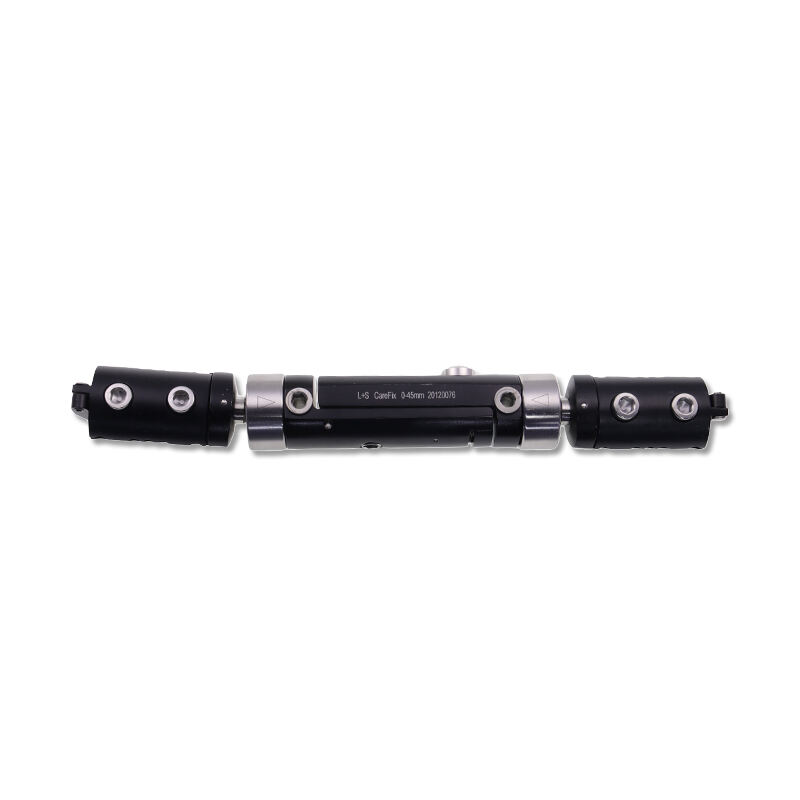
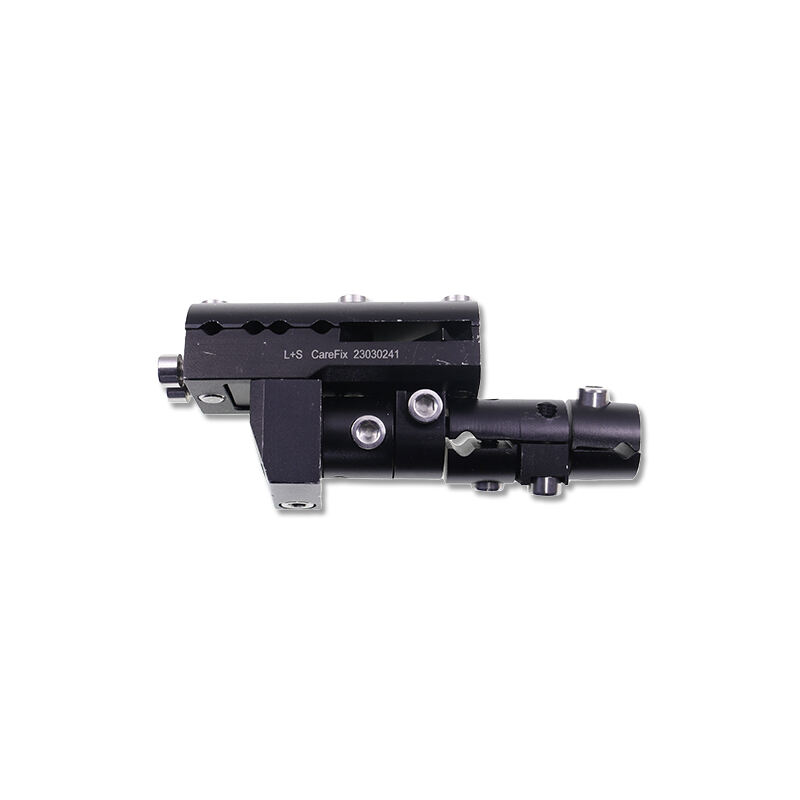
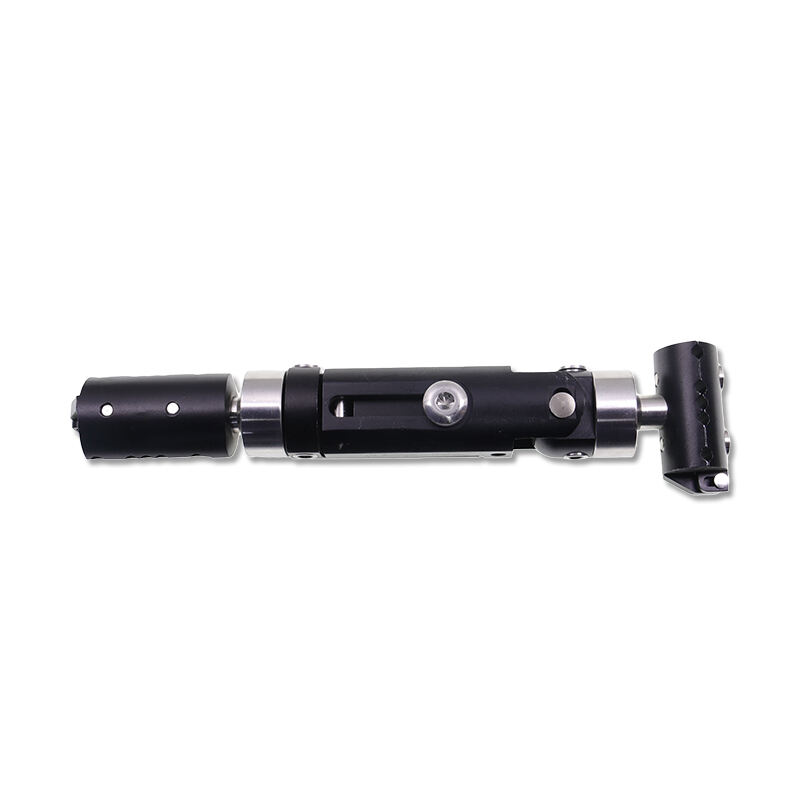
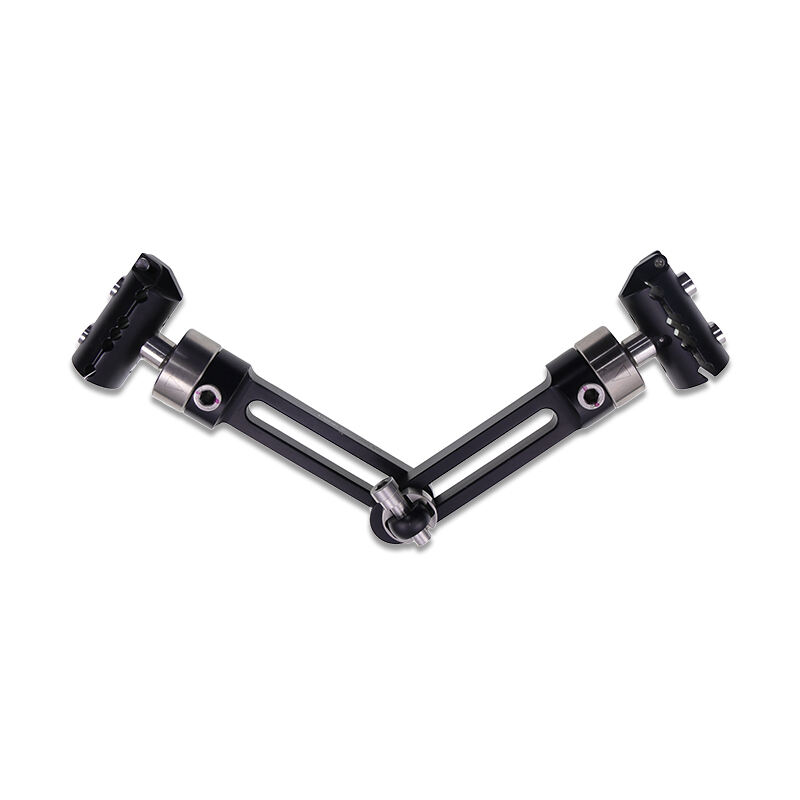
Reduction Screw Spine: Advanced Spinal Fixation

Get a Free Quote

Our representative will contact you soon.
Email
Name
Company Name
Message
0/1000

reduction screw spine

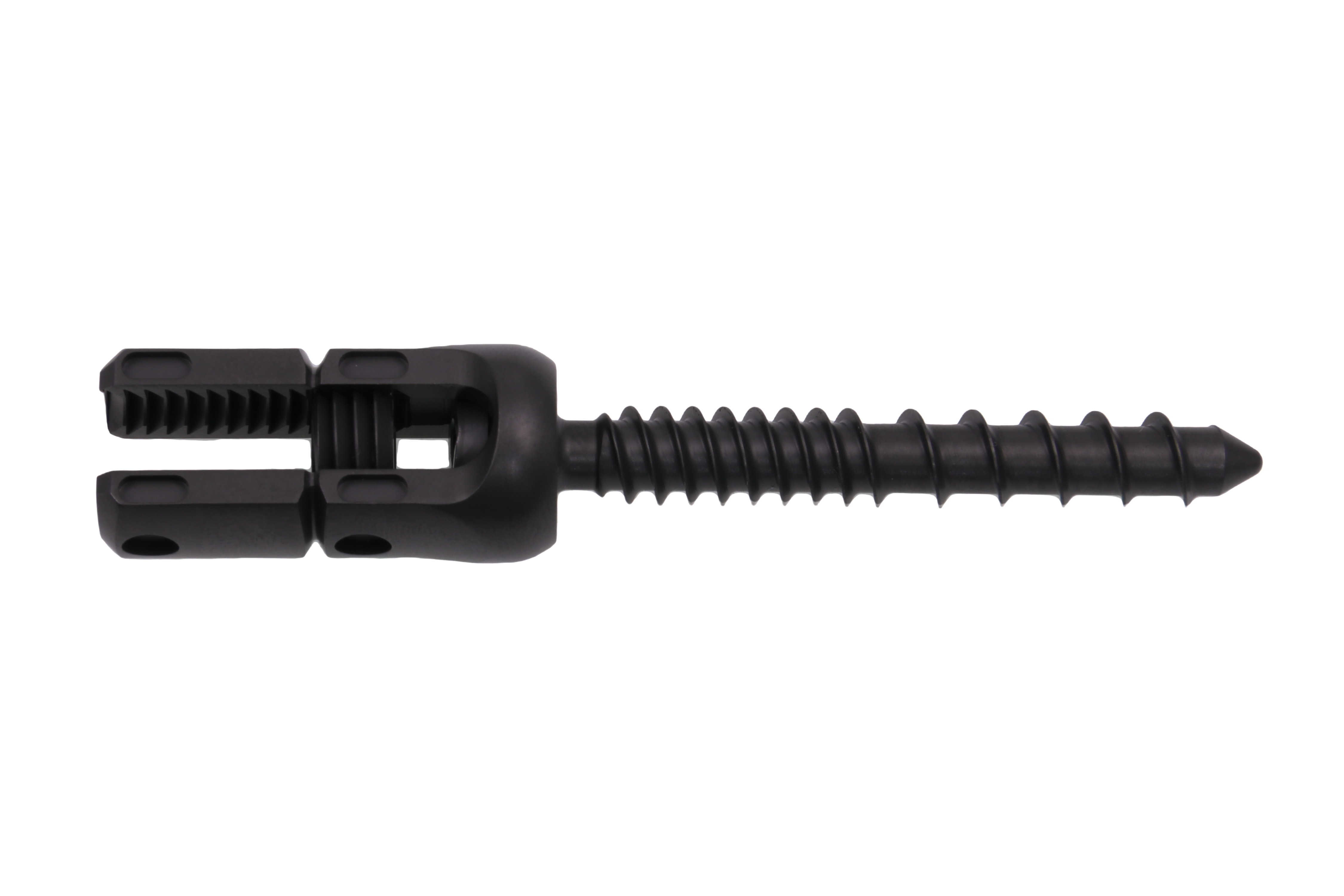
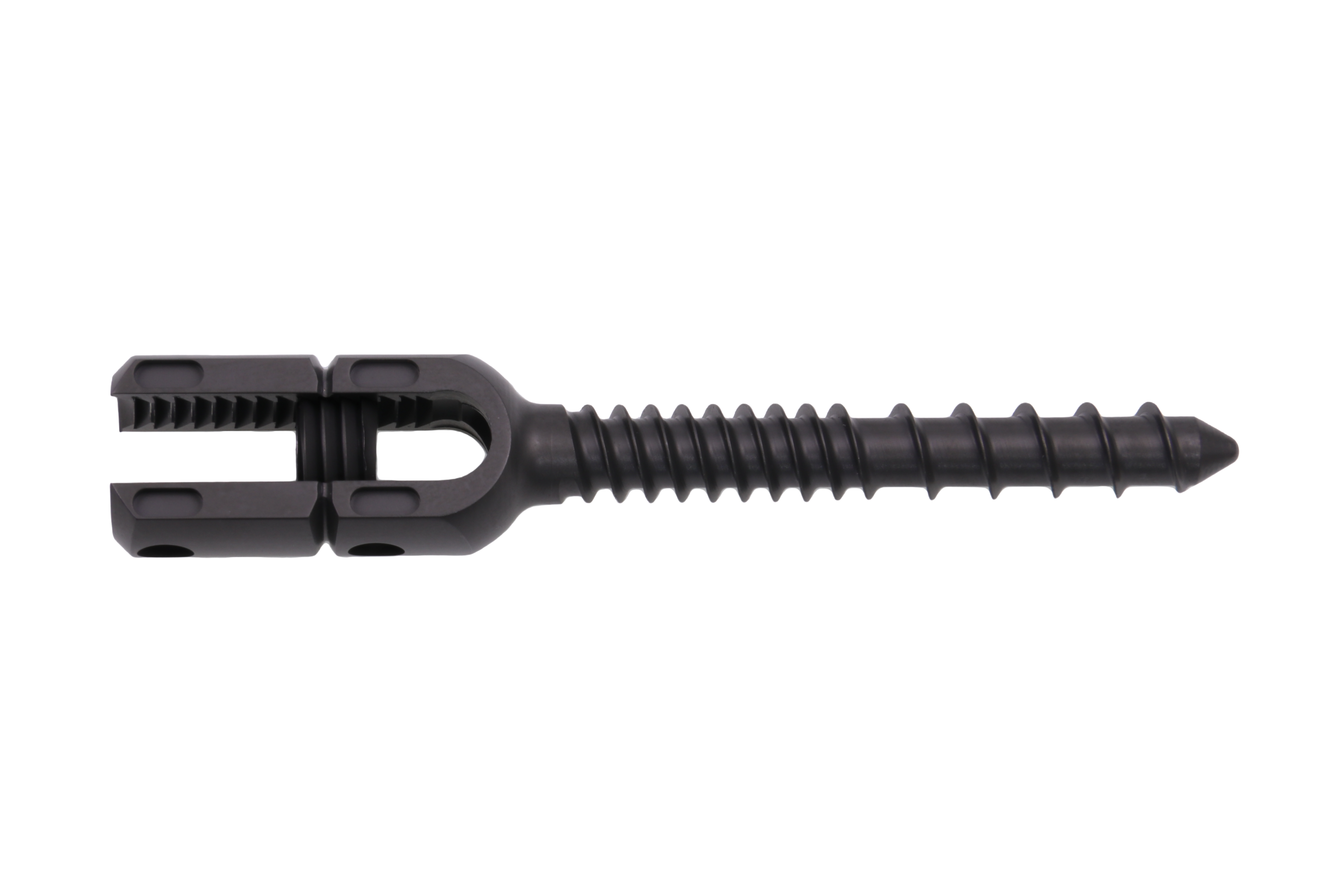
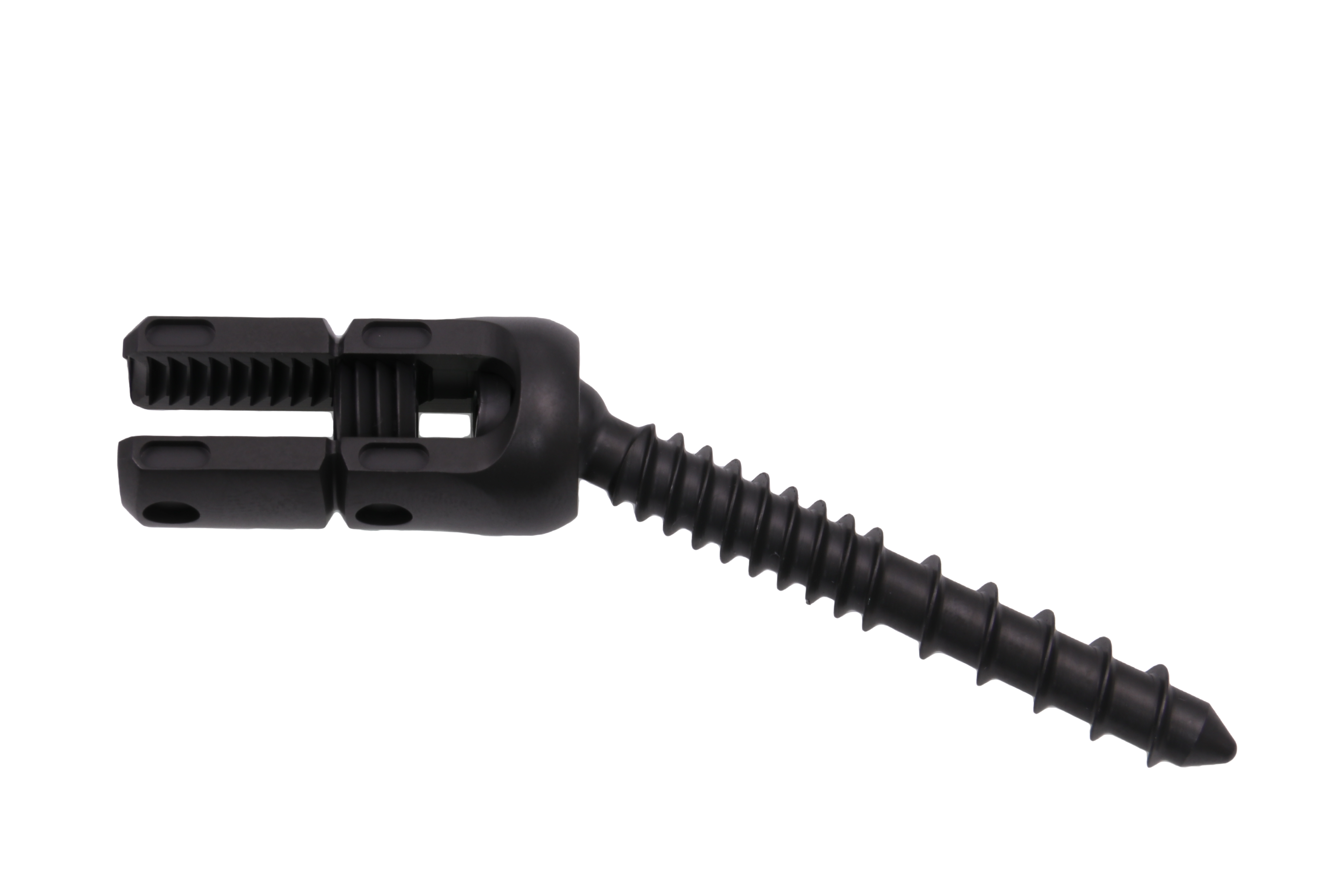
The reduction screw spine is an advanced orthopedic implant system designed to treat spinal deformities, fractures, and degenerative conditions through minimally invasive surgical techniques. This sophisticated medical device combines a polyaxial screw mechanism with reduction capabilities, allowing surgeons to realign vertebrae and correct spinal alignment during procedures. The reduction screw spine features a unique design that enables controlled manipulation of vertebral position while maintaining secure fixation throughout the healing process. Its primary functions include providing stable anchoring points within vertebral bone, facilitating precise reduction of spinal segments, and creating a rigid construct that promotes proper fusion. The technological features of the reduction screw spine incorporate titanium alloy construction for biocompatibility and strength, low-profile head designs to minimize soft tissue irritation, and innovative locking mechanisms that prevent post-operative loosening. The system accommodates various rod diameters and allows for multi-axial adjustment, giving surgeons flexibility during complex reconstructive procedures. Applications of the reduction screw spine span multiple spinal pathologies including scoliosis correction, trauma stabilization, spondylolisthesis treatment, and degenerative disc disease management. This versatile implant system serves both thoracic and lumbar regions, making it suitable for comprehensive spinal reconstruction cases. The reduction screw spine represents a significant advancement in spinal instrumentation, offering surgeons precise control while reducing surgical time and improving patient outcomes through enhanced biomechanical stability and accelerated recovery protocols.

Popular Products

The reduction screw spine delivers significant practical benefits that directly impact surgical outcomes and patient recovery experiences. First, this system reduces overall surgical time by combining reduction and fixation into a single streamlined process, which means patients spend less time under anesthesia and face lower infection risks. Surgeons appreciate how the integrated reduction mechanism eliminates the need for separate reduction instruments, simplifying the procedure and reducing instrument tray complexity. From a patient perspective, the low-profile design of the reduction screw spine minimizes post-operative discomfort by reducing irritation to surrounding muscles and soft tissues, leading to faster mobilization and shorter hospital stays. The enhanced biomechanical stability provided by this system promotes more reliable fusion rates, giving patients confidence in their long-term recovery outcomes. Operationally, the reduction screw spine offers exceptional versatility across multiple spinal conditions and anatomical locations, allowing hospitals to standardize their inventory and reduce costs associated with maintaining numerous specialized systems. The polyaxial functionality accommodates challenging anatomical variations and facilitates correction of complex deformities that would otherwise require more invasive approaches. Decision-makers will value the proven track record of the reduction screw spine in clinical applications, with extensive research demonstrating superior fusion rates and reduced revision surgery requirements compared to traditional fixation methods. The system's compatibility with various rod configurations and cross-connectors provides surgical teams with adaptability during procedures, ensuring optimal construct customization for each patient's unique anatomy. This flexibility translates to better alignment correction, improved sagittal balance restoration, and enhanced overall spinal stability, ultimately delivering measurable improvements in patient satisfaction scores and functional outcome assessments.

Practical Tips

Application of carbon fiber material external fixation bracket in clinical practice

13

Jan

Application of carbon fiber material external fixation bracket in clinical practice

The integration of advanced materials in orthopedic surgery has revolutionized patient care and treatment outcomes. Among these innovations, carbon fiber external fixation systems have emerged as a superior alternative to traditional metal frameworks...
View More
Understanding Intramedullary Nail Complications

13

Jan

Understanding Intramedullary Nail Complications

Intramedullary nail complications represent a significant concern in orthopedic surgery, affecting patient outcomes and recovery timelines. These complications can arise during insertion, throughout the healing process, or during long-term implant re...
View More
Treatment of osteomyelitis and tibial pseudarthrosis: The advantages of the Ilizarov frame

06

Mar

Treatment of osteomyelitis and tibial pseudarthrosis: The advantages of the Ilizarov frame

The treatment of complex orthopedic conditions such as osteomyelitis and tibial pseudarthrosis presents significant challenges that require innovative surgical approaches. Among the most effective solutions available to orthopedic surgeons today is t...
View More
Taylor brace: a new choice for minimally invasive treatment of complex fracture repair

15

Apr

Taylor brace: a new choice for minimally invasive treatment of complex fracture repair

The Taylor brace represents a significant advancement in orthopedic external fixation technology, offering surgeons and patients a minimally invasive solution for complex fracture repair scenarios. This innovative Taylor brace system combines precisi...
View More

Get a Free Quote

Our representative will contact you soon.
Email
Name
Company Name
Message
0/1000

reduction screw spine

Advanced Reduction Mechanism for Precise Alignment

Advanced Reduction Mechanism for Precise Alignment

The reduction screw spine incorporates a sophisticated built-in reduction mechanism that empowers surgeons to achieve precise vertebral alignment with minimal manipulation. This innovative feature allows controlled correction of spinal deformities directly through the screw head, eliminating the need for separate reduction towers or external instrumentation that can clutter the surgical field. The mechanism operates through a gradual adjustment system that provides tactile feedback to the surgeon, ensuring controlled movement without sudden shifts that could compromise adjacent structures. This precision is particularly valuable in cases involving severe deformity correction or osteoporotic bone where gentle, measured reduction is essential for maintaining fixation integrity. The reduction capability integrated into each screw transforms complex multi-step procedures into more efficient operations, reducing tissue exposure time and minimizing trauma to surrounding anatomy. Surgeons report enhanced confidence when addressing challenging alignment issues, knowing they can make incremental adjustments without repositioning instruments or starting over. For patients, this translates to less extensive surgical dissection, reduced blood loss, and faster recovery timelines compared to traditional approaches requiring more extensive exposure for manual reduction techniques.
Superior Fixation Strength and Stability

Superior Fixation Strength and Stability

The reduction screw spine demonstrates exceptional fixation strength through its advanced thread design and optimized insertion biomechanics, providing reliable anchoring even in compromised bone quality scenarios. The screw features a dual-thread pattern that maximizes purchase in both cortical and cancellous bone layers, distributing mechanical loads more effectively throughout the vertebral body. This engineering excellence becomes particularly important in elderly patients or those with osteoporosis, where traditional screws might fail to achieve adequate purchase. The reduction screw spine utilizes a tapered core diameter that progressively increases purchase depth while minimizing the risk of pedicular wall breach during insertion. The locking mechanism at the screw head creates a rigid connection with the longitudinal rod, preventing micromotion that could lead to construct failure or pseudoarthrosis development. Clinical studies have documented significantly lower rates of screw loosening and pullout compared to conventional pedicle screw systems, directly contributing to improved fusion success rates. The enhanced stability provided by the reduction screw spine allows for earlier patient mobilization and more aggressive rehabilitation protocols, accelerating return to daily activities. This superior fixation strength provides both surgeons and patients with confidence throughout the demanding healing period.
Minimally Invasive Compatible Design

Minimally Invasive Compatible Design

The reduction screw spine features a streamlined profile specifically engineered for compatibility with minimally invasive surgical approaches, representing a significant advantage in modern spinal surgery. The compact head design and smooth contours allow insertion through smaller incisions using percutaneous techniques, dramatically reducing muscle damage and preserving the integrity of the posterior spinal musculature. This design consideration becomes increasingly important as the surgical community moves toward tissue-sparing approaches that minimize post-operative pain and accelerate recovery. The reduction screw spine incorporates extended connection tabs that facilitate instrument attachment even through deep access channels, ensuring surgeons maintain full control during percutaneous placement. The system accommodates standard minimally invasive instrumentation, eliminating the need for specialized tools and reducing the learning curve for surgical teams transitioning to less invasive techniques. Patients undergoing procedures with the reduction screw spine through minimally invasive approaches experience substantially less post-operative pain, reduced narcotic requirements, and shorter hospitalization periods compared to traditional open surgical methods. The smaller incisions result in improved cosmetic outcomes and lower infection rates, addressing common patient concerns about surgical scarring and complications. This compatibility with advanced surgical techniques positions the reduction screw spine as a forward-thinking solution for institutions committed to providing state-of-the-art spinal care.
logo