Lumbar Pedicle Screw: Advanced Spinal Fixation

Get a Free Quote

Our representative will contact you soon.
Email
Name
Company Name
Message
0/1000

lumbar pedicle screw

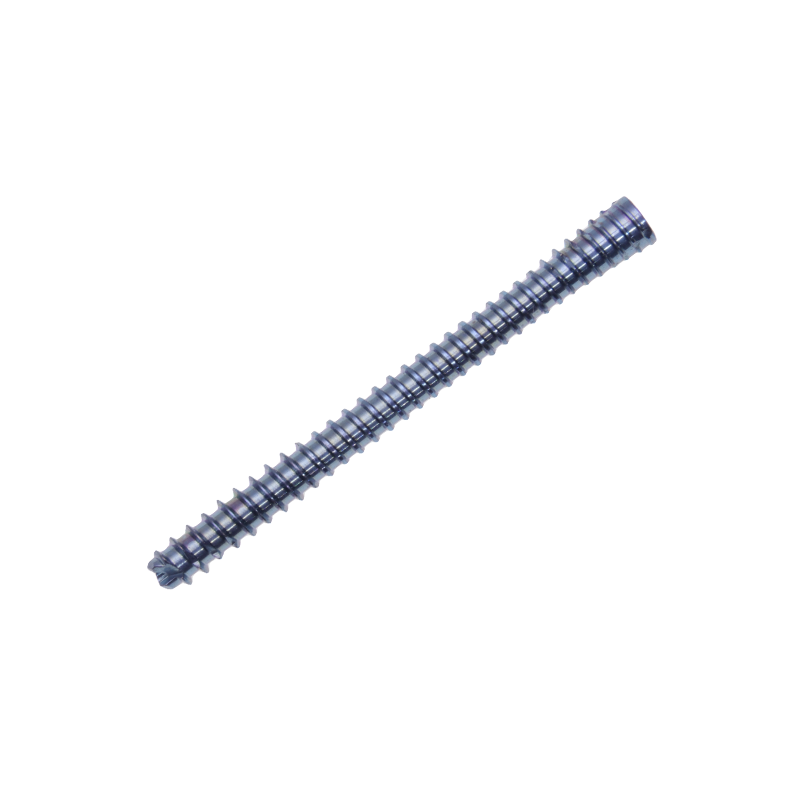
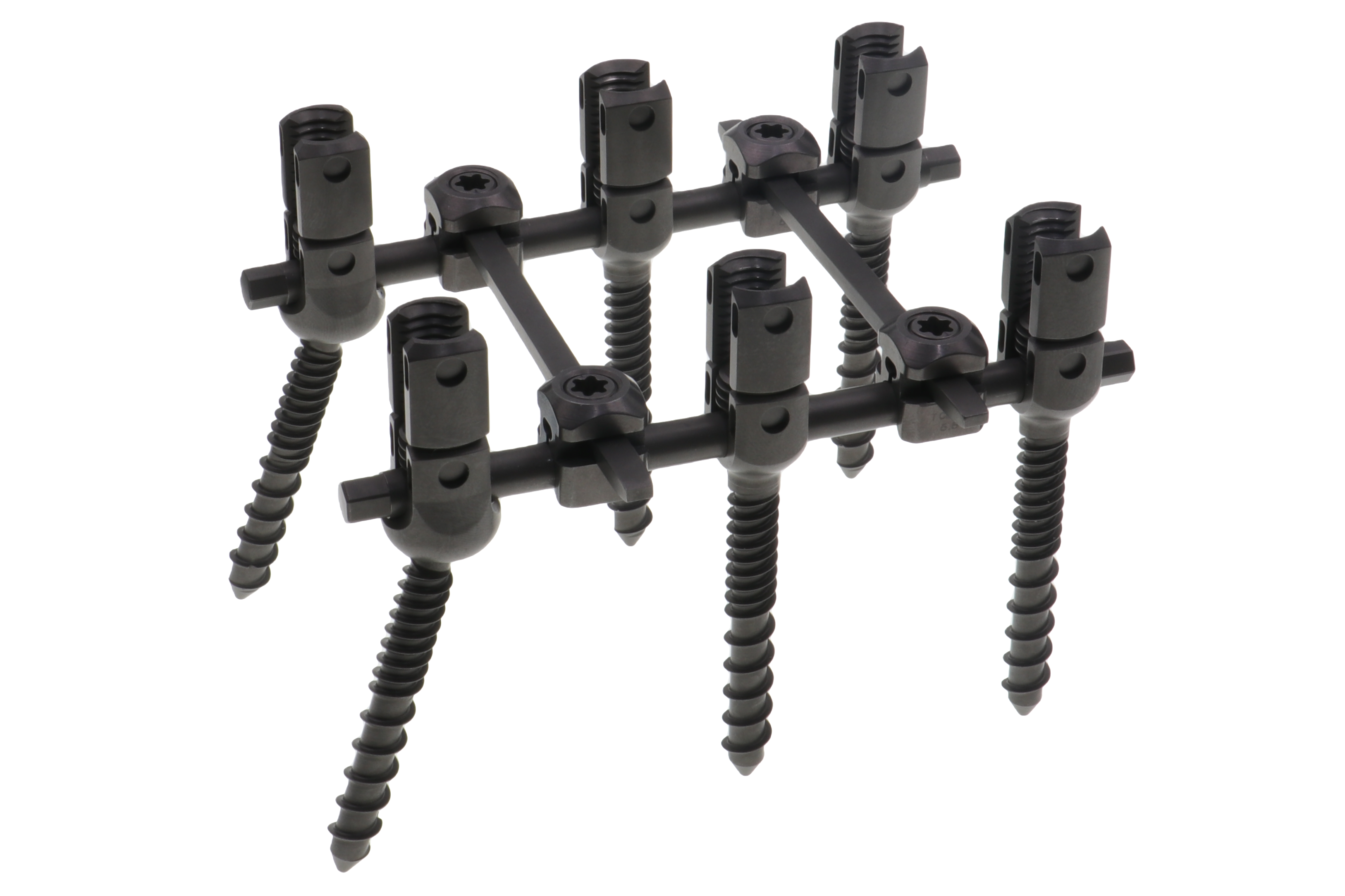
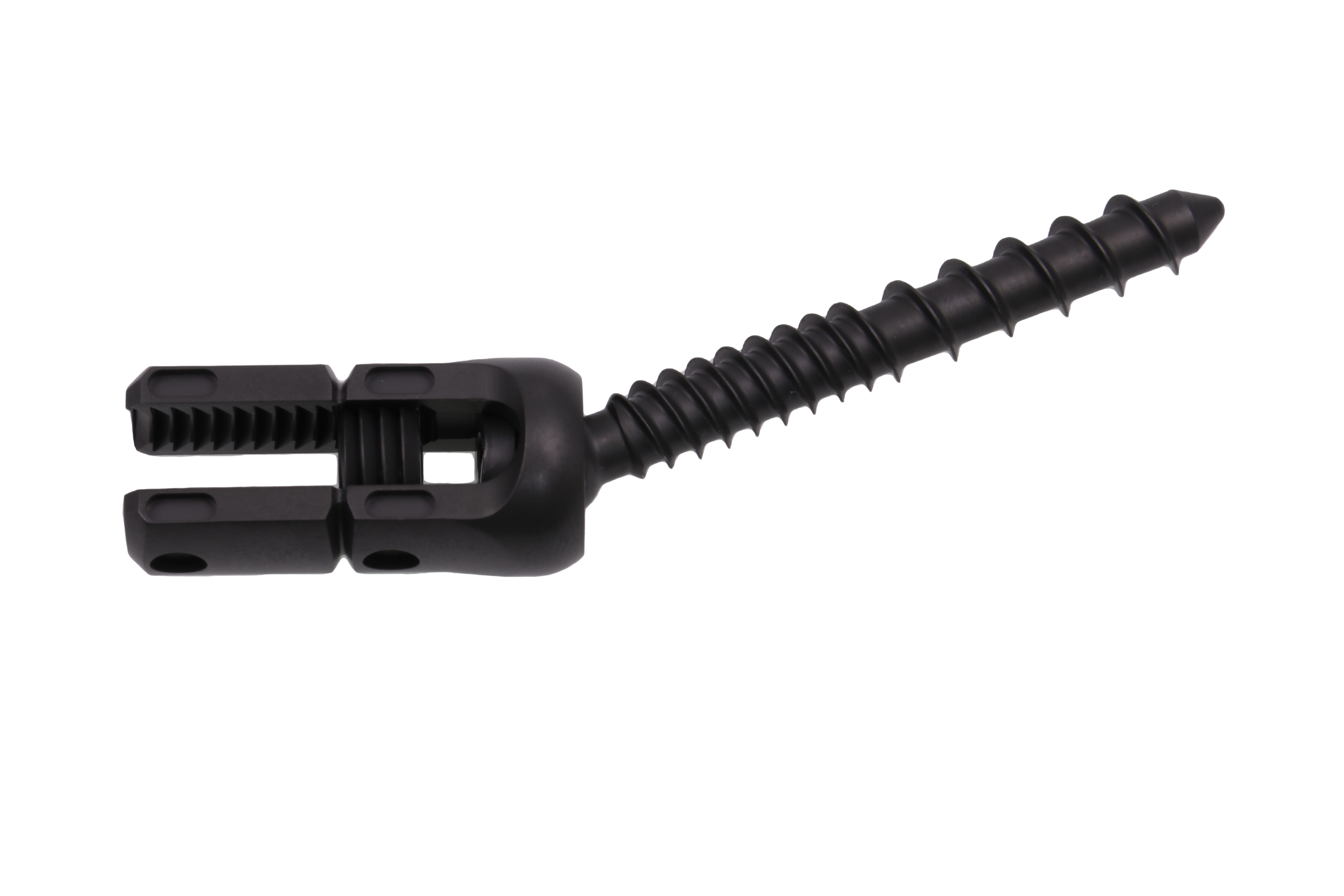
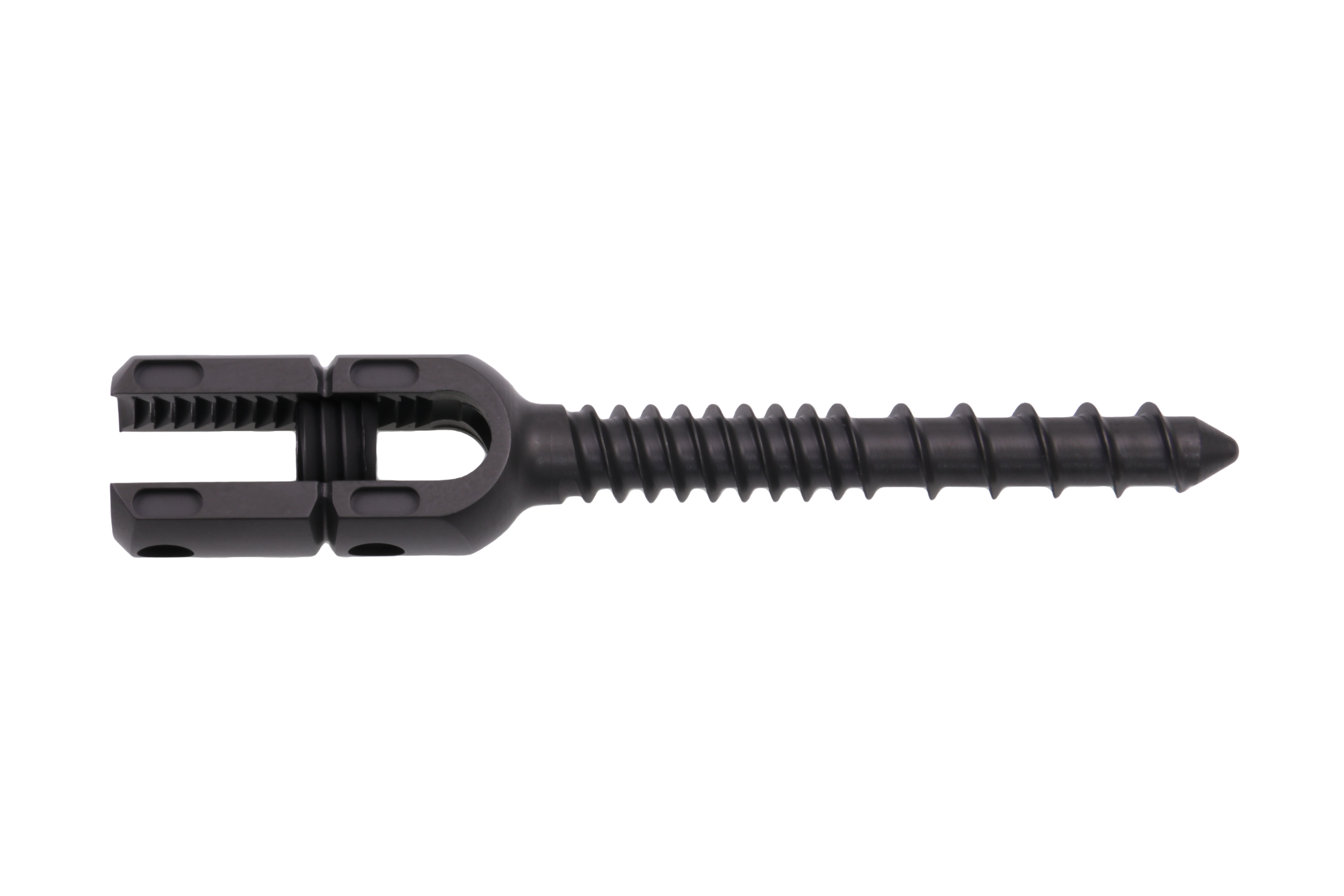
The lumbar pedicle screw is a specialized orthopedic implant designed to provide robust fixation in spinal fusion and stabilization procedures. This essential medical device is surgically inserted through the pedicle, the bony projection that connects the vertebral body to the posterior elements of the spine, creating a secure anchor point for spinal instrumentation systems. The lumbar pedicle screw serves as the foundation for correcting spinal deformities, treating degenerative conditions, and stabilizing traumatic injuries in the lower back region. Its primary functions include maintaining proper spinal alignment, preventing abnormal motion between vertebral segments, and facilitating bone fusion during the healing process. Technologically, these screws feature advanced thread designs that maximize pull-out strength and enhance biomechanical stability within the vertebral bone. Modern versions incorporate self-tapping capabilities, reducing insertion torque and minimizing bone trauma during placement. The screws are manufactured from biocompatible materials such as titanium alloy or stainless steel, ensuring long-term durability and compatibility with human tissue. Many designs feature polyaxial heads that allow multi-directional adjustment, providing surgeons with greater flexibility during rod placement and final construct assembly. Applications of the lumbar pedicle screw span multiple clinical scenarios, including spondylolisthesis correction, spinal stenosis treatment, fracture stabilization, tumor resection reconstruction, and complex revision surgeries. The device's versatility and reliability have made it the gold standard in posterior spinal fixation, with widespread adoption across hospitals and surgical centers worldwide. Surgeons rely on precise placement techniques, often using fluoroscopic guidance or navigation systems, to ensure optimal positioning and maximize patient outcomes while minimizing neurological risks.

New Product Releases

Choosing the lumbar pedicle screw for spinal procedures offers multiple practical benefits that directly impact surgical success and patient recovery. First, these screws deliver superior stability compared to alternative fixation methods, creating a rigid construct that prevents unwanted movement during the critical healing phase. This enhanced stability translates to higher fusion rates and better long-term outcomes for patients suffering from chronic back pain or spinal instability. The biomechanical strength of the lumbar pedicle screw allows surgeons to address even severe deformities with confidence, knowing the hardware can withstand physiological loads during daily activities. From an operational perspective, these screws streamline surgical workflows through intuitive insertion techniques and standardized instrumentation sets. Surgeons appreciate the predictable performance characteristics, which reduce procedure times and minimize complications. The compatibility with various rod systems and cross-connectors enables customized construct assembly tailored to each patient's unique anatomy and pathology. Healthcare facilities benefit from the cost-effectiveness of these proven devices, as successful fusion procedures reduce the need for revision surgeries and long-term pain management expenses. Patients experience faster rehabilitation timelines due to the immediate stability provided by the lumbar pedicle screw fixation, allowing earlier mobilization and physical therapy initiation. The low profile design minimizes soft tissue irritation and reduces postoperative discomfort. Material biocompatibility ensures minimal inflammatory response and excellent osseointegration over time. For surgical decision-making, the extensive clinical evidence supporting lumbar pedicle screw use provides reassurance about safety profiles and expected outcomes. The widespread availability of these devices, combined with comprehensive surgeon training programs, ensures consistent application across diverse healthcare settings. Whether addressing traumatic injuries requiring urgent stabilization or elective procedures for degenerative conditions, the lumbar pedicle screw offers a reliable solution that balances technical performance with practical surgical considerations, making it an indispensable component of modern spinal surgery.

Latest News

Cannulated Screw Types: Features and Benefits Explained

16

Dec

Cannulated Screw Types: Features and Benefits Explained

Orthopedic surgery has evolved significantly over the past decades, with advances in implant technology playing a crucial role in improving patient outcomes. Among these innovations, the cannulated screw stands out as a versatile and highly effective...
View More
Special Needs of Children's Bones: Design Philosophy of Pediatric Internal Fixation Systems

16

Dec

Special Needs of Children's Bones: Design Philosophy of Pediatric Internal Fixation Systems

Children's bones present unique challenges that require specialized approaches in orthopedic surgery. Unlike adult skeletal structures, pediatric bones are constantly growing, adapting, and remodeling throughout development. When fractures or deformi...
View More
Understanding Intramedullary Nail Complications

13

Jan

Understanding Intramedullary Nail Complications

Intramedullary nail complications represent a significant concern in orthopedic surgery, affecting patient outcomes and recovery timelines. These complications can arise during insertion, throughout the healing process, or during long-term implant re...
View More
Expanding the Boundaries of IM Nail Technology: Periarticular Fractures and Deformity Correction

06

Mar

Expanding the Boundaries of IM Nail Technology: Periarticular Fractures and Deformity Correction

Modern orthopedic surgery continues to evolve with innovative solutions that address complex fracture patterns and deformity corrections. The telescopic intramedullary nail represents a significant advancement in treating challenging periarticular fr...
View More

Get a Free Quote

Our representative will contact you soon.
Email
Name
Company Name
Message
0/1000

lumbar pedicle screw

Advanced Thread Design for Maximum Fixation

Advanced Thread Design for Maximum Fixation

The lumbar pedicle screw incorporates sophisticated thread geometry that optimizes grip strength within the cancellous bone of the vertebral pedicle. This engineered design features variable pitch patterns and thread depth profiles that distribute mechanical forces evenly, preventing stress concentration points that could lead to hardware failure or bone fracture. The self-tapping capability eliminates the need for pre-tapping in most cases, preserving more bone stock and reducing surgical steps. The thread configuration actively engages both cortical and cancellous bone layers, creating multiple points of resistance against pull-out forces. This is particularly valuable in patients with compromised bone quality, such as those with osteoporosis, where traditional fixation methods may fail. The enhanced purchase achieved through this advanced threading translates directly to improved construct stability and higher fusion success rates. Surgeons can confidently apply corrective forces during deformity reduction, knowing the screws will maintain their position throughout the healing process. The design also accommodates various insertion angles, providing flexibility in surgical approach while maintaining fixation integrity. This technological advancement represents a significant improvement over earlier generation screws, offering measurable benefits in both immediate postoperative stability and long-term clinical outcomes.
Polyaxial Head Technology for Surgical Flexibility

Polyaxial Head Technology for Surgical Flexibility

The polyaxial head feature of modern lumbar pedicle screw systems revolutionizes surgical technique by allowing multi-directional rod placement after screw insertion. Unlike fixed-angle screws that require precise trajectory planning before placement, polyaxial designs permit angle adjustments up to 30 degrees in multiple planes after the screw body is secured in bone. This flexibility proves invaluable when addressing complex spinal anatomy, bilateral asymmetries, or unexpected intraoperative findings that require construct modification. Surgeons can optimize screw placement based on each pedicle's unique characteristics without compromising rod alignment or final construct geometry. The locking mechanism securely captures the rod within the screw head, creating a rigid connection that maintains corrective forces while allowing initial positioning freedom. This technology significantly reduces operative time by eliminating the need for screw repositioning when rod seating becomes challenging. The polyaxial capability also minimizes bone removal required for exposure, preserving structural integrity and reducing tissue trauma. For revision procedures where anatomy may be distorted from previous surgery, the adaptability of polyaxial lumbar pedicle screw systems provides solutions that fixed systems cannot match. The combination of secure fixation and intraoperative adjustability makes these screws ideal for both straightforward fusions and complex reconstructions requiring precise biomechanical alignment.
Biocompatible Materials Ensuring Long-Term Performance

Biocompatible Materials Ensuring Long-Term Performance

Manufacturing lumbar pedicle screw systems from premium biocompatible materials like titanium alloy ensures both immediate surgical success and decades of reliable in vivo performance. Titanium's exceptional strength-to-weight ratio provides the mechanical robustness needed to support spinal loads while minimizing implant mass, which reduces stress shielding effects on surrounding bone. The material's natural oxide layer creates a biologically inert surface that resists corrosion in the body's physiological environment, preventing metal ion release that could trigger inflammatory responses or tissue reactions. This biocompatibility promotes favorable bone healing at the screw-bone interface, with studies demonstrating excellent osseointegration that strengthens fixation over time. The non-magnetic properties of titanium alloys ensure compatibility with MRI imaging, allowing postoperative assessment without artifact interference or safety concerns. Patients benefit from this material selection through reduced allergy risks and improved tissue tolerance compared to alternative metals. The radiolucent characteristics of titanium provide clear visualization of fusion progress on standard radiographs while maintaining structural visibility for surgical planning. Manufacturing precision enabled by advanced titanium machining techniques ensures consistent thread profiles, dimensional accuracy, and surface finish quality across production batches. These material advantages directly contribute to the low complication rates and high patient satisfaction scores associated with lumbar pedicle screw instrumentation in contemporary spinal surgery practice.
logo