Thoracic Pedicle Screw Solutions

Get a Free Quote

Our representative will contact you soon.
Email
Name
Company Name
Message
0/1000

thoracic pedicle screw

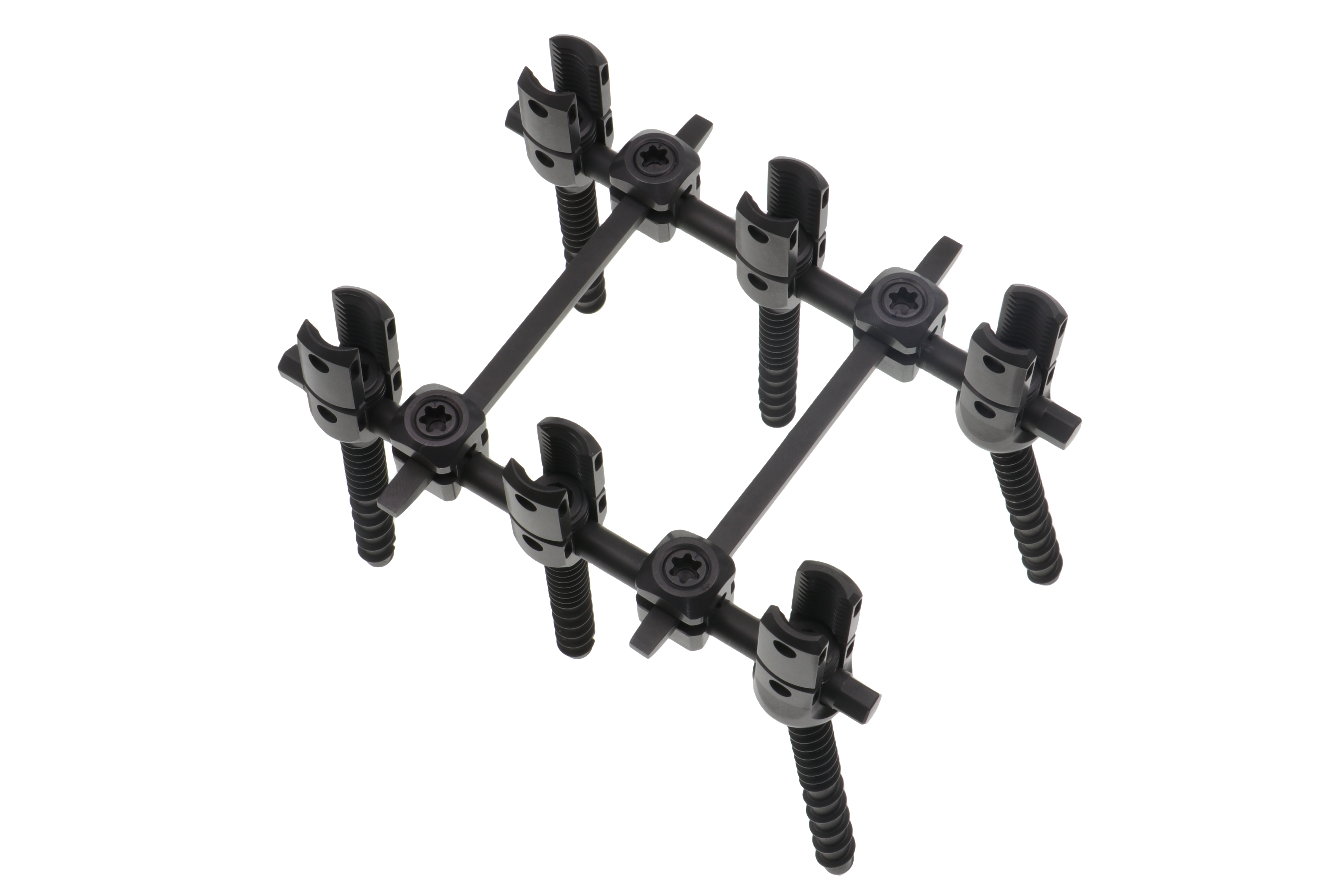
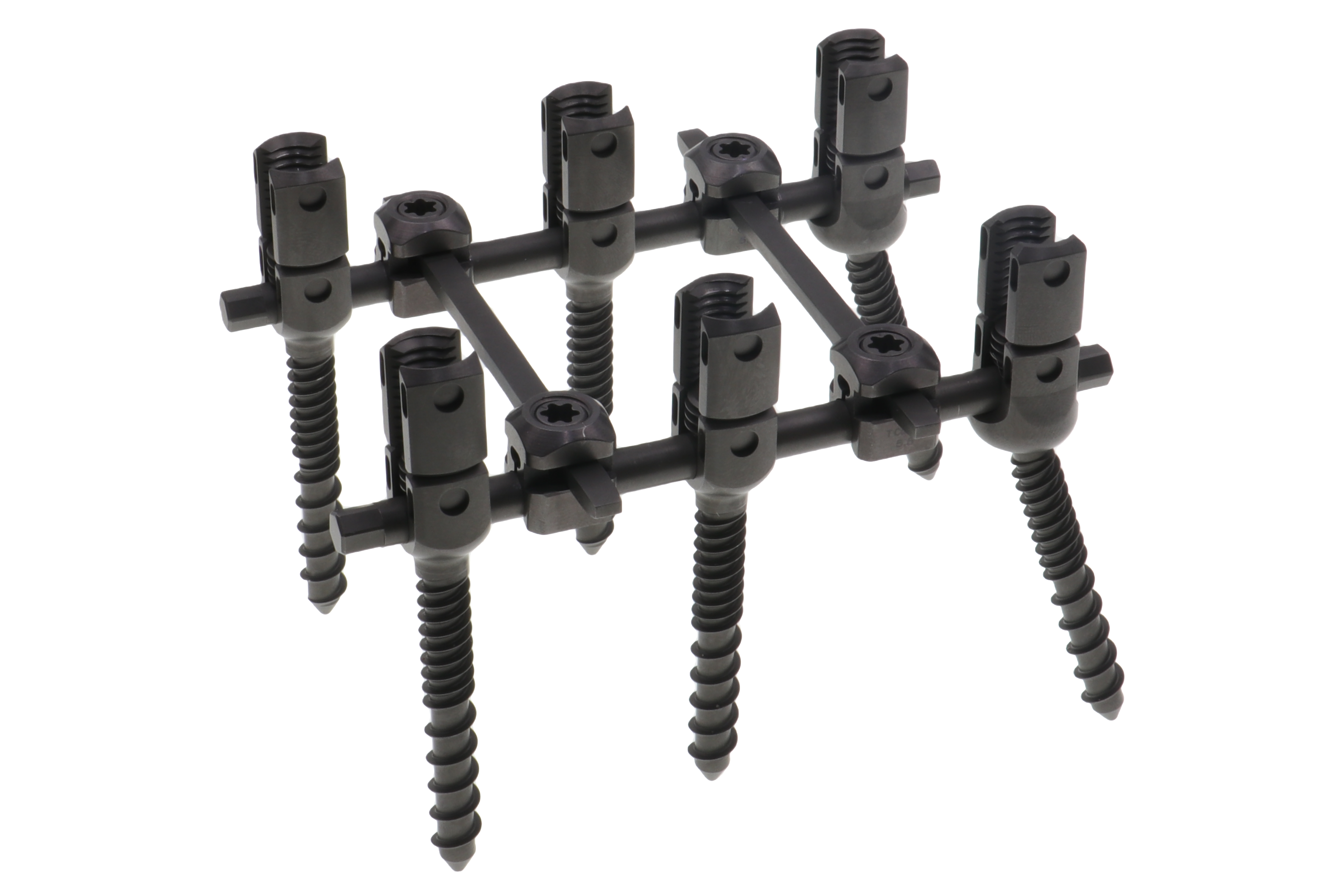
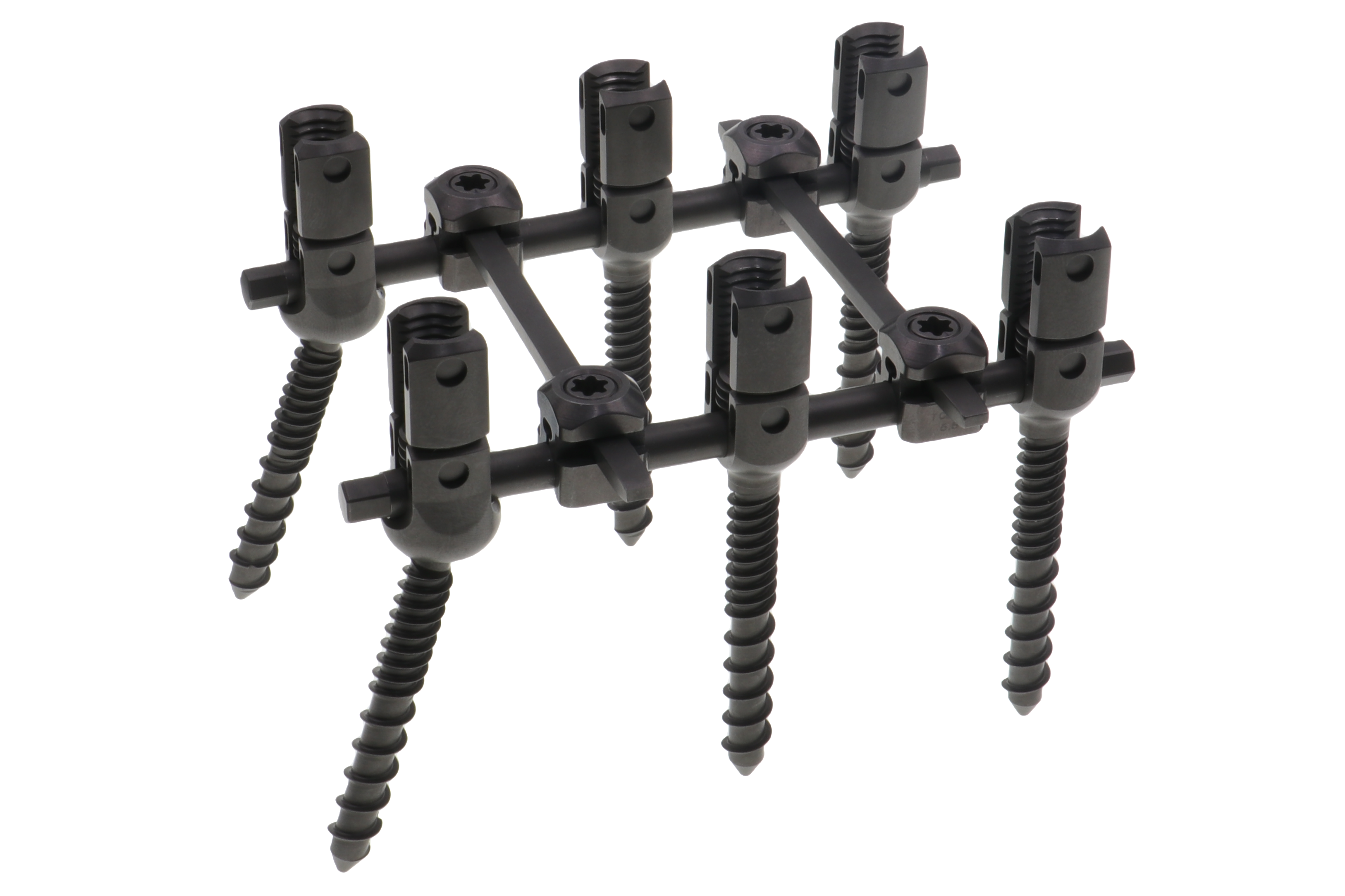
The thoracic pedicle screw is a specialized orthopedic implant designed to provide robust fixation in the thoracic spine, enabling surgeons to stabilize vertebrae and correct spinal deformities. This medical device anchors directly into the pedicle, which is the bony structure connecting the vertebral body to the posterior elements, offering exceptional biomechanical stability. The thoracic pedicle screw serves multiple critical functions including stabilization of fractures, correction of scoliosis and kyphosis, treatment of degenerative conditions, and reinforcement during spinal fusion procedures. Technological features of the thoracic pedicle screw include precisely engineered thread designs that maximize pullout strength, anatomically contoured head geometries that accommodate various rod diameters, and cannulated options that facilitate guidewire insertion for enhanced placement accuracy. Many modern thoracic pedicle screw systems incorporate self-tapping capabilities to simplify insertion and reduce surgical time. Applications span trauma surgery where immediate stabilization is essential, deformity correction in adolescent and adult patients, tumor resection reconstruction, and revision procedures requiring reliable fixation. The thoracic pedicle screw is manufactured from biocompatible materials such as titanium alloys or stainless steel, ensuring long-term durability and compatibility with imaging modalities. Diameter and length variations accommodate diverse patient anatomies, from pediatric cases to adult spine procedures. The device integrates seamlessly with rod systems, crosslinks, and other spinal instrumentation components, creating comprehensive construct stability that promotes successful fusion and patient recovery.

New Product Recommendations

Choosing the thoracic pedicle screw delivers substantial value through superior mechanical strength that withstands the complex biomechanical forces present in the thoracic spine region. This reliability translates directly into improved surgical outcomes and reduced risk of hardware failure, giving patients confidence in their treatment and surgeons assurance in their fixation strategy. Operational benefits include streamlined insertion techniques that shorten procedure duration, minimizing anesthesia exposure and reducing overall surgical costs. The intuitive design allows surgeons to achieve optimal placement with greater consistency, even in challenging anatomical situations where bone quality may be compromised. The thoracic pedicle screw provides exceptional versatility across multiple clinical scenarios, from emergency trauma stabilization to planned deformity correction, making it an indispensable component in modern spinal surgery arsenals. Decision-making becomes clearer when hospitals and surgical centers recognize that investing in high-quality thoracic pedicle screw systems reduces complication rates and revision surgery needs, ultimately improving resource allocation and patient satisfaction metrics. Application suitability extends to diverse patient populations including adolescents with idiopathic scoliosis, adults with degenerative conditions, elderly patients with osteoporotic fractures, and oncology patients requiring tumor stabilization. The thoracic pedicle screw accommodates different surgical approaches, whether open traditional procedures or minimally invasive techniques that prioritize smaller incisions and faster recovery. Practical benefits for healthcare facilities include comprehensive instrument sets that standardize surgical workflows, compatibility with existing spinal systems that protect equipment investments, and reliable supply chains ensuring availability when urgent cases arise. For patients, the thoracic pedicle screw means restored spinal alignment, pain reduction, improved mobility, and return to daily activities with confidence in the structural integrity of their spinal reconstruction.

Latest News

How to choose the appropriate size and thread of hollow screws?

11

Feb

How to choose the appropriate size and thread of hollow screws?

Selecting the right hollow screws for orthopedic procedures requires careful consideration of multiple factors that directly impact surgical outcomes and patient recovery. These specialized medical devices serve critical functions in bone fixation, t...
View More
Finite Element Optimization Design and Biomechanical Validation of Personalized IM Nails

11

Feb

Finite Element Optimization Design and Biomechanical Validation of Personalized IM Nails

The evolution of orthopedic trauma surgery has reached a pivotal moment with the emergence of personalized IM nails that revolutionize fracture treatment approaches. Advanced computational modeling and finite element analysis have enabled surgeons to...
View More
Treatment of osteomyelitis and tibial pseudarthrosis: The advantages of the Ilizarov frame

06

Mar

Treatment of osteomyelitis and tibial pseudarthrosis: The advantages of the Ilizarov frame

The treatment of complex orthopedic conditions such as osteomyelitis and tibial pseudarthrosis presents significant challenges that require innovative surgical approaches. Among the most effective solutions available to orthopedic surgeons today is t...
View More
The application advantages of modular braces in ankle fractures

15

Apr

The application advantages of modular braces in ankle fractures

Ankle fractures represent one of the most challenging orthopedic injuries to manage effectively, requiring precise stabilization and controlled healing environments. Traditional casting methods often fall short in providing the dynamic support and ad...
View More

Get a Free Quote

Our representative will contact you soon.
Email
Name
Company Name
Message
0/1000

thoracic pedicle screw

Superior Fixation Strength for Critical Stability

Superior Fixation Strength for Critical Stability

The thoracic pedicle screw delivers unmatched fixation strength through advanced thread geometry and optimal diameter sizing specifically engineered for thoracic vertebrae anatomy. This design excellence ensures maximum contact between implant and bone, distributing load forces evenly and preventing stress concentration that could lead to loosening or failure. The biomechanical advantage becomes particularly critical in the thoracic spine where rotational forces and flexion-extension movements constantly challenge implant stability. Surgeons benefit from predictable performance across varying bone densities, including osteoporotic conditions where traditional fixation methods may prove inadequate. The thoracic pedicle screw maintains purchase even in compromised bone stock through thread designs that engage both cortical and cancellous bone layers. This reliability reduces anxiety during complex reconstructions and allows for aggressive deformity correction without fear of construct failure. Patients experience fewer revision surgeries and hardware complications, translating to lower long-term healthcare costs and improved quality of life. The enhanced pullout resistance provided by the thoracic pedicle screw creates rigid constructs that promote faster fusion rates, as micromotion at the fusion site is minimized, allowing biological healing processes to proceed optimally.
Precision Engineering for Surgical Efficiency

Precision Engineering for Surgical Efficiency

The thoracic pedicle screw incorporates precision manufacturing that streamlines surgical workflows and enhances placement accuracy, directly benefiting operating room efficiency and patient safety. Cannulated designs allow guidewire-based insertion techniques that improve trajectory control, particularly valuable in the thoracic spine where narrow pedicle dimensions demand exceptional accuracy to avoid neurological or vascular complications. Self-tapping flute configurations eliminate the need for separate tapping procedures, reducing surgical steps and instrument exchanges while decreasing overall procedure time. The thoracic pedicle screw features low-profile head designs that minimize soft tissue irritation while providing secure rod capture through various locking mechanisms, from set screw systems to snap-on caps. Color-coded sizing and intuitive instrument interfaces reduce selection errors and accelerate decision-making during surgery when time is precious. These engineering refinements allow surgical teams to maintain focus on anatomical relationships rather than struggling with instrumentation, improving overall procedure quality. Navigation compatibility ensures the thoracic pedicle screw integrates seamlessly with computer-assisted surgery platforms, enabling real-time trajectory verification and reducing radiation exposure from repeated fluoroscopic imaging. This technological synergy represents the future of spinal surgery where precision and efficiency combine to deliver superior patient outcomes.
Versatile Application Across Diverse Clinical Needs

Versatile Application Across Diverse Clinical Needs

The thoracic pedicle screw demonstrates remarkable versatility by addressing a comprehensive spectrum of spinal pathologies and patient demographics within a single implant platform. From adolescent idiopathic scoliosis correction requiring multiple-level instrumentation to single-level thoracic fracture stabilization in trauma patients, this device adapts to varied clinical demands without compromising performance standards. Oncologic applications benefit from the thoracic pedicle screw's ability to provide stable fixation in vertebrae weakened by metastatic disease or after tumor resection, supporting palliative care objectives and quality of life improvements. Revision surgery scenarios particularly highlight the value proposition, as the thoracic pedicle screw can be placed in salvage positions when primary trajectories have been compromised by previous hardware or bone loss. The device accommodates both conventional open surgical exposures and minimally invasive percutaneous techniques, giving surgeons procedural flexibility based on patient-specific factors and institutional capabilities. Compatibility with hybrid constructs combining hooks, wires, and screws allows customized solutions for complex deformities where standard approaches prove insufficient. The thoracic pedicle screw serves pediatric patients through smaller diameter options while providing robust large-diameter variants for bariatric or heavily muscled adult patients, ensuring no population is underserved by this essential spinal technology.
logo