Spinal Fusion Pedicle Screw Solutions

Get a Free Quote

Our representative will contact you soon.
Email
Name
Company Name
Message
0/1000

spinal fusion pedicle screw

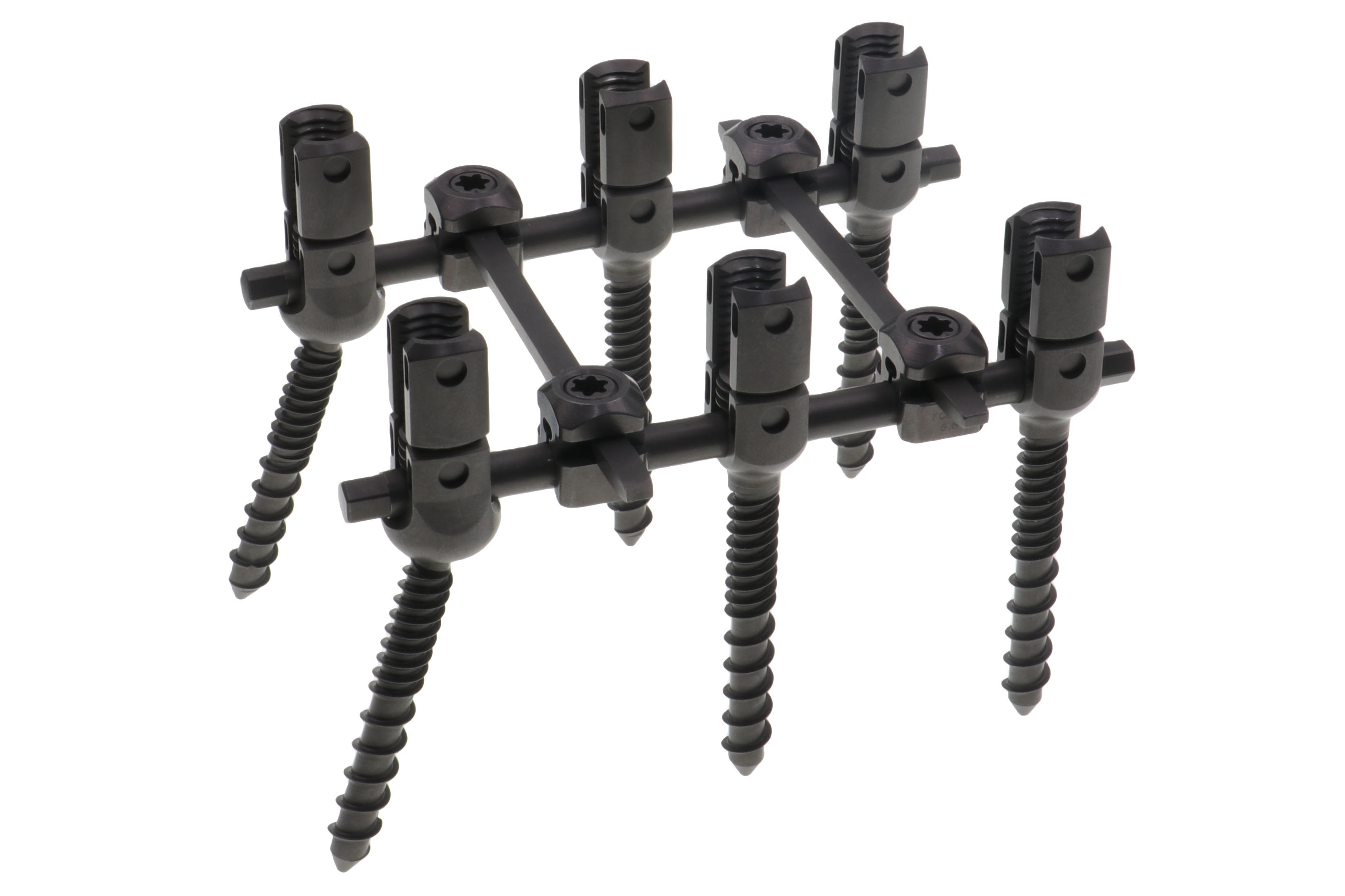
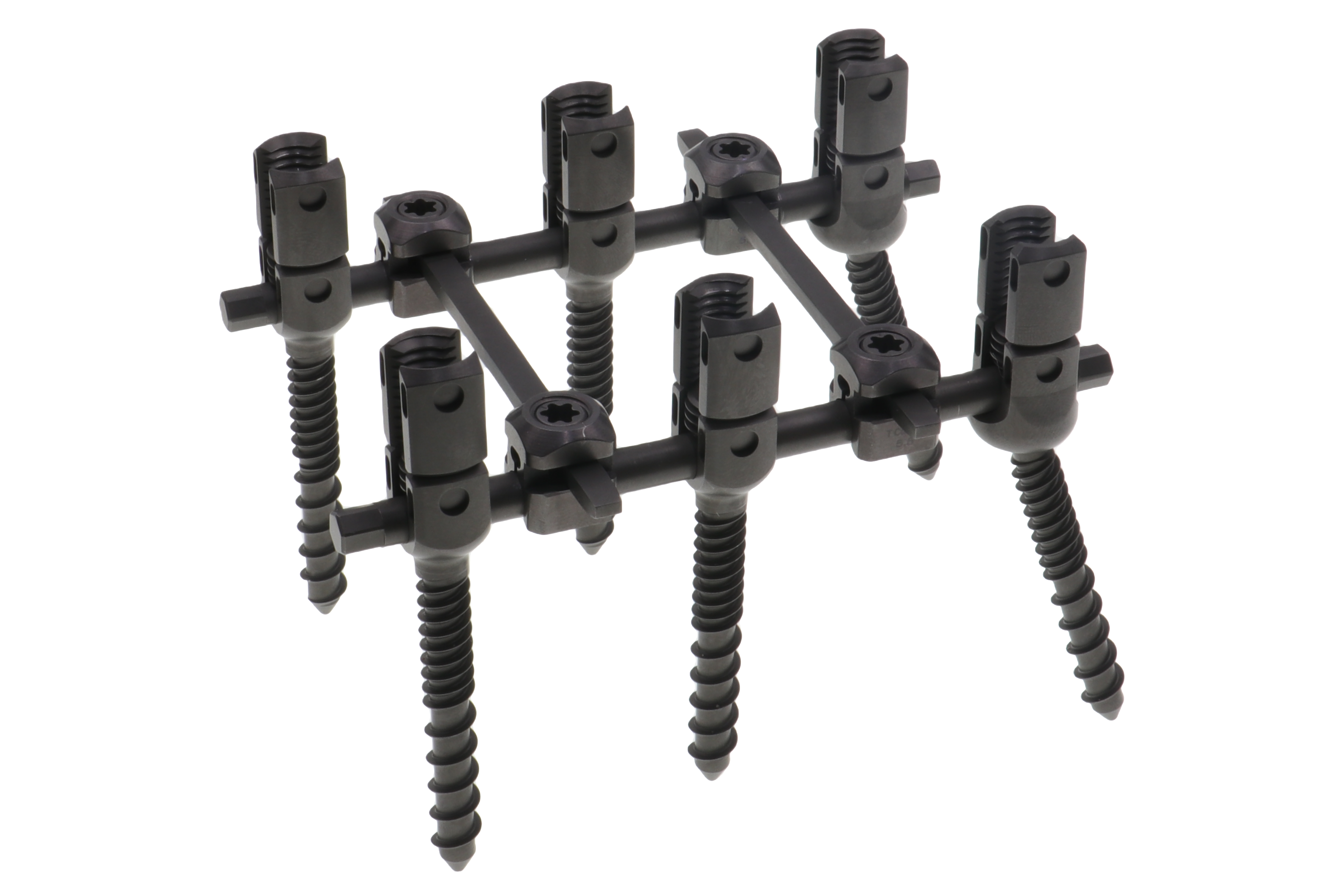
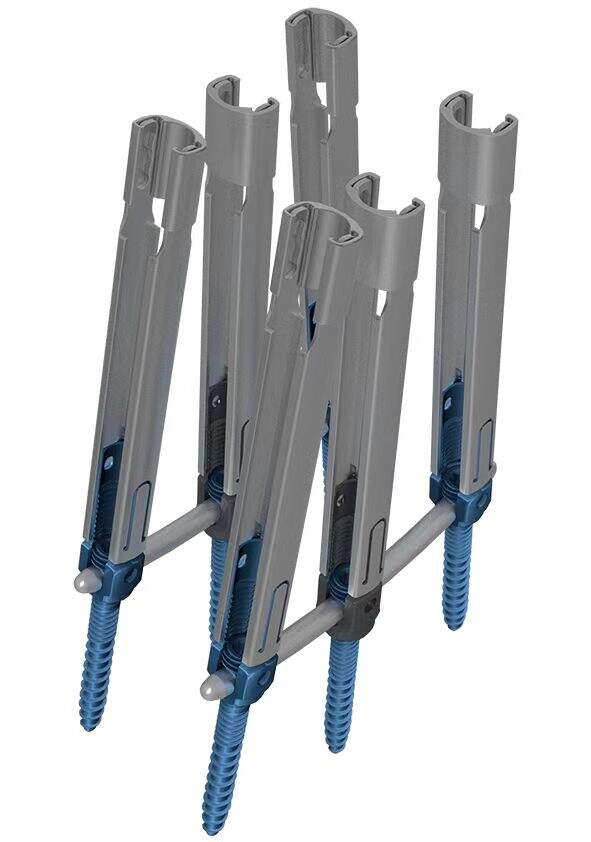
A spinal fusion pedicle screw is a specialized orthopedic implant designed to stabilize the vertebral column during spinal fusion procedures. This critical surgical component serves as an anchor point that secures metal rods to the spine, creating a rigid framework that promotes bone healing and fusion between adjacent vertebrae. The spinal fusion pedicle screw is inserted through the pedicle, which is the thick column of bone connecting the front and back portions of each vertebra, providing exceptional biomechanical stability. These screws are manufactured from biocompatible materials such as titanium alloy or stainless steel, ensuring long-term durability and reduced risk of adverse reactions. The primary function of the spinal fusion pedicle screw involves immobilizing vertebral segments affected by degenerative disc disease, spinal deformities, traumatic injuries, or instability conditions. Technological advancements have introduced features including cannulated designs for guided insertion, fenestrated surfaces for enhanced bone integration, and polyaxial heads that allow multi-directional rod placement. Modern spinal fusion pedicle screw systems incorporate color-coded instrumentation and intuitive insertion techniques that facilitate precise surgical placement. Applications span various spinal procedures including posterior lumbar interbody fusion, transforaminal lumbar interbody fusion, and corrective surgery for scoliosis or kyphosis. The versatility of the spinal fusion pedicle screw makes it indispensable across multiple surgical approaches, accommodating different anatomical variations and patient-specific pathologies while delivering consistent fixation strength that supports successful fusion outcomes.

Popular Products

Choosing the right stabilization solution matters significantly for surgical outcomes, and the spinal fusion pedicle screw delivers tangible benefits that directly impact patient recovery and long-term spinal health. This fixation system provides superior stability compared to alternative methods, creating an optimal environment for bone growth between vertebrae. The robust anchoring strength reduces the risk of hardware failure, which translates to fewer revision surgeries and lower overall healthcare costs for patients and facilities alike. Operationally, surgeons benefit from streamlined insertion techniques that reduce procedure time and minimize soft tissue disruption. The standardized instrumentation associated with the spinal fusion pedicle screw simplifies inventory management for hospitals while ensuring consistent availability across different surgical cases. From an application perspective, these screws accommodate various spinal levels and can be used in combination with interbody cages, bone grafts, and biologics to address diverse pathological conditions. Patients experience improved pain relief and faster return to daily activities because the solid fixation prevents micromotion at the surgical site during the healing phase. The biocompatible materials used in manufacturing the spinal fusion pedicle screw reduce inflammation and promote osseointegration, where bone actually grows onto the implant surface for permanent biological fixation. Decision-makers evaluating fixation options should recognize that this proven technology has decades of clinical evidence supporting its safety and effectiveness. The spinal fusion pedicle screw offers predictable results across different patient demographics, from young adults with traumatic injuries to older individuals with degenerative conditions. Investment in quality fixation technology pays dividends through reduced complication rates, improved patient satisfaction scores, and enhanced surgical reputation for healthcare providers committed to excellence in spinal care.

Practical Tips

Application analysis of intramedullary nail system in ankle joint fusion

16

Dec

Application analysis of intramedullary nail system in ankle joint fusion

The evolution of orthopedic surgical techniques has brought significant advancements in treating complex ankle pathologies, particularly through the implementation of modern fixation systems. An intramedullary nail system represents a revolutionary a...
View More
Treatment of osteomyelitis and tibial pseudarthrosis: The advantages of the Ilizarov frame

06

Mar

Treatment of osteomyelitis and tibial pseudarthrosis: The advantages of the Ilizarov frame

The treatment of complex orthopedic conditions such as osteomyelitis and tibial pseudarthrosis presents significant challenges that require innovative surgical approaches. Among the most effective solutions available to orthopedic surgeons today is t...
View More
Distal radial volar locking plate: refined design enhances the success rate of fracture fixation

06

Mar

Distal radial volar locking plate: refined design enhances the success rate of fracture fixation

The treatment of distal radius fractures has undergone significant evolution in recent decades, with the distal radial volar locking plate emerging as a cornerstone technology in modern orthopedic practice. These innovative implants represent a parad...
View More
Taylor brace: a new choice for minimally invasive treatment of complex fracture repair

15

Apr

Taylor brace: a new choice for minimally invasive treatment of complex fracture repair

The Taylor brace represents a significant advancement in orthopedic external fixation technology, offering surgeons and patients a minimally invasive solution for complex fracture repair scenarios. This innovative Taylor brace system combines precisi...
View More

Get a Free Quote

Our representative will contact you soon.
Email
Name
Company Name
Message
0/1000

spinal fusion pedicle screw

Advanced Biomechanical Stability for Optimal Fusion

Advanced Biomechanical Stability for Optimal Fusion

The spinal fusion pedicle screw achieves exceptional biomechanical stability through strategic placement within the densest portion of vertebral anatomy. By traversing the pedicle corridor and engaging both cortical and cancellous bone, these screws create a three-column fixation that resists all directional forces acting on the spine. This comprehensive stability is crucial because spinal fusion requires absolute immobilization during the months-long healing process when bone graft material integrates with native vertebrae. The engineering behind the spinal fusion pedicle screw incorporates optimized thread design that maximizes purchase in bone while minimizing insertion torque requirements. Polyaxial head designs provide surgeons with angular flexibility during rod placement, accommodating anatomical variations without compromising fixation strength. This adaptability proves especially valuable in deformity correction where achieving proper spinal alignment demands precise three-dimensional control. The resulting rigid construct prevents micromotion that could inhibit fusion, significantly improving success rates compared to less stable fixation methods. Patients benefit from this stability through reduced pain during recovery and decreased likelihood of pseudarthrosis, the condition where fusion fails to occur properly.
Biocompatible Materials Ensuring Long-Term Integration

Biocompatible Materials Ensuring Long-Term Integration

Material science advances have positioned the spinal fusion pedicle screw as a permanently implantable solution that the body readily accepts and integrates. Titanium alloy construction offers an ideal combination of strength, lightweight properties, and biological compatibility that minimizes foreign body reactions. The surface characteristics of modern spinal fusion pedicle screw designs promote osseointegration, where bone cells actually colonize the implant surface and form direct structural connections. This biological bonding creates a permanent interface stronger than the original mechanical fixation alone, essentially making the hardware become part of the skeletal structure. For patients concerned about metal implants, this integration process represents the body's natural acceptance rather than merely tolerating a foreign object. The corrosion resistance inherent in medical-grade titanium ensures that the spinal fusion pedicle screw maintains structural integrity throughout the patient's lifetime without degradation or metal ion release that could trigger inflammatory responses. Radiolucent properties allow clear visualization on imaging studies, enabling physicians to monitor fusion progress without interference from excessive artifact. This material excellence translates to peace of mind for patients and confidence for surgeons who rely on predictable long-term performance.
Versatile Applications Across Surgical Techniques

Versatile Applications Across Surgical Techniques

The adaptable design of the spinal fusion pedicle screw supports implementation across virtually all posterior and posterolateral spinal fusion approaches, making it an essential component in modern spinal surgery. Whether addressing single-level degenerative disease or complex multi-level reconstructions, these screws provide consistent fixation that surgeons can depend on regardless of case complexity. The spinal fusion pedicle screw integrates seamlessly with various interbody devices, including TLIF cages, PLIF spacers, and ALIF implants, creating hybrid constructs that address both anterior column support and posterior stabilization. This versatility extends to revision scenarios where previous surgeries may have altered normal anatomy; the spinal fusion pedicle screw can often be placed in salvage positions to achieve adequate fixation despite compromised bone quality. Minimally invasive surgical techniques have been developed specifically around percutaneous insertion of these screws, reducing approach-related morbidity while maintaining fixation quality. Pediatric applications benefit from size variations that accommodate smaller anatomy while still providing proportional strength. The universal compatibility of the spinal fusion pedicle screw with different rod systems and accessories gives healthcare facilities flexibility in inventory management and allows surgeons to customize constructs based on individual patient needs rather than being constrained by system limitations.
logo