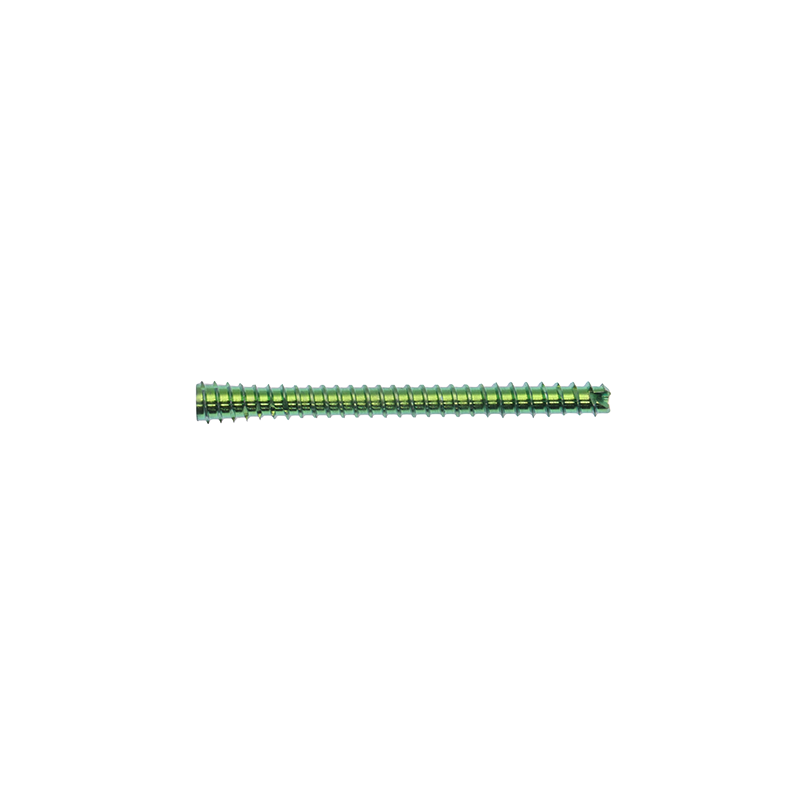
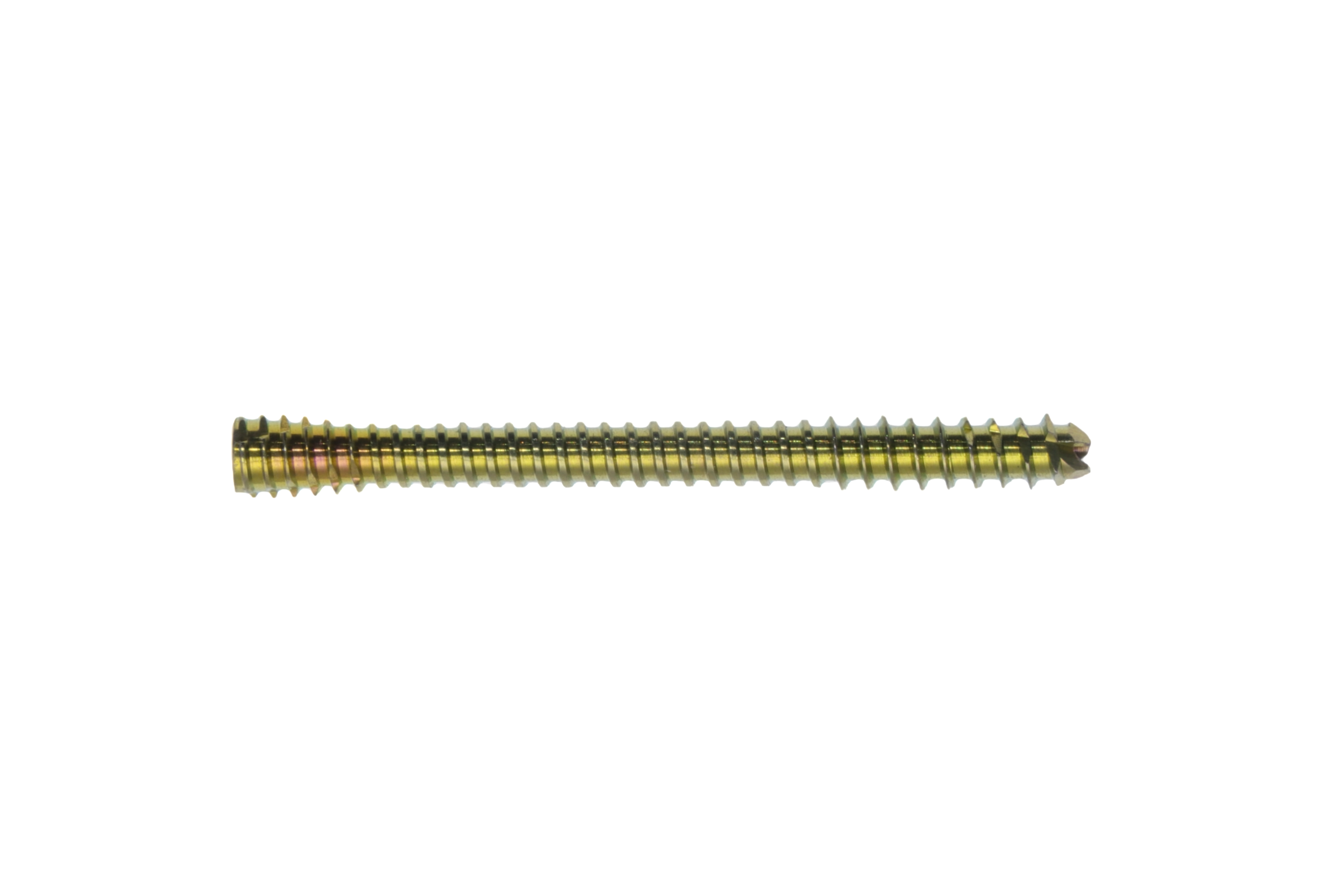
Headless Bone Screw - Low Profile Fixation

Get a Free Quote

Our representative will contact you soon.
Email
Name
Company Name
Message
0/1000

headless bone screw

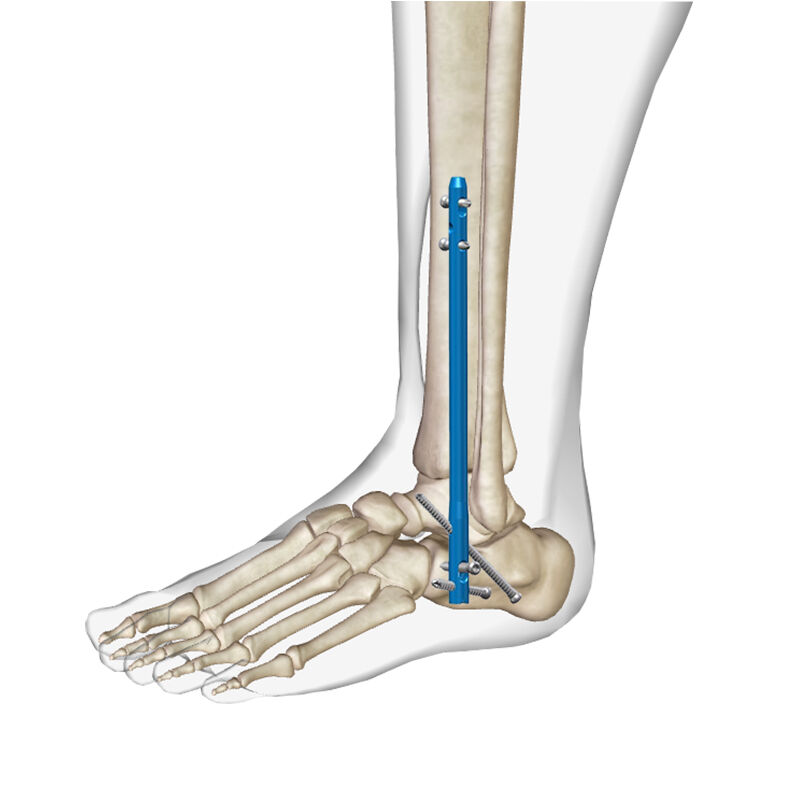
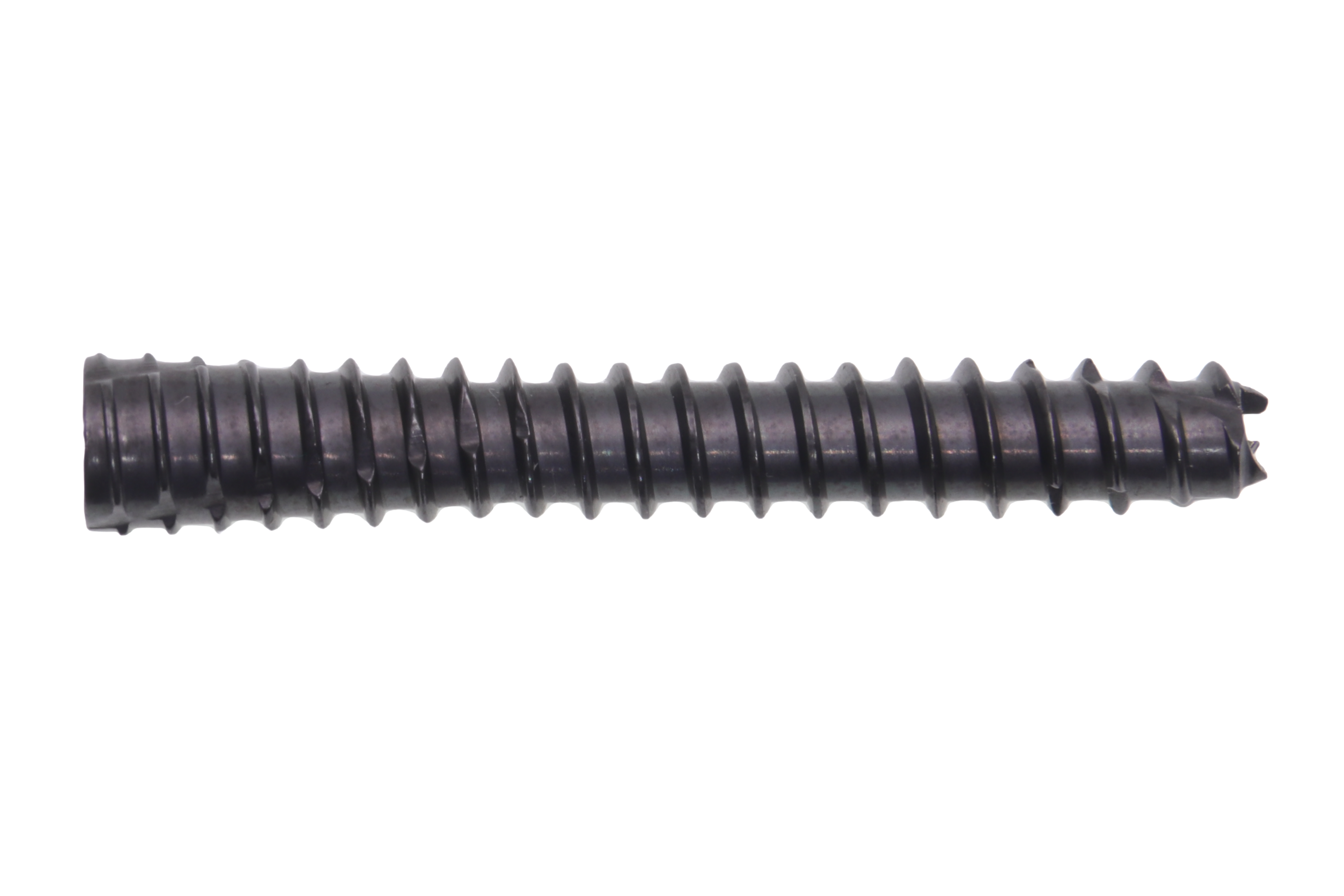
The headless bone screw represents a specialized orthopedic fixation device designed without a protruding head, offering a flush profile that sits entirely beneath the bone surface. This innovative implant is engineered for internal bone fixation, particularly in small bone fractures and osteotomies where minimal soft tissue irritation is paramount. The headless bone screw features a fully threaded or partially threaded shaft with variable pitch threads that provide compression across fracture sites during insertion. Its unique design incorporates a tapered profile that allows the screw to be countersunk below the cartilage surface, eliminating prominence that could cause joint irritation or impingement. The technological features of the headless bone screw include differential thread pitch for interfragmentary compression, cannulated options for guidewire placement, and self-drilling or self-tapping capabilities that simplify surgical insertion. Manufactured from biocompatible materials such as titanium alloy or stainless steel, these screws provide excellent strength while maintaining low profile characteristics. Primary applications include hand and wrist surgery for scaphoid fractures, foot and ankle procedures for metatarsal osteotomies, and small joint arthrodesis procedures. The headless bone screw is particularly valuable in areas where tendon gliding or joint articulation occurs, as its buried position prevents soft tissue irritation and allows for earlier rehabilitation. Surgeons favor this implant for aesthetic reconstructive procedures and functional repairs where hardware prominence would compromise outcomes or patient comfort.

New Product Recommendations

Choosing a headless bone screw delivers significant practical benefits that directly impact surgical outcomes and patient recovery. The primary advantage lies in its low-profile design, which eliminates the need for secondary hardware removal procedures, saving patients from additional surgery, anesthesia risks, and recovery time. This translates to reduced healthcare costs and faster return to normal activities. The compression mechanism built into the headless bone screw actively draws bone fragments together during insertion, promoting faster healing and stronger union rates compared to traditional fixation methods. Patients experience less postoperative discomfort because the buried screw position prevents irritation of surrounding tendons, ligaments, and soft tissues that commonly occurs with protruding hardware. For surgical teams, the headless bone screw simplifies procedures through intuitive insertion techniques and reliable fixation strength, reducing operating room time and improving workflow efficiency. The versatility of these screws makes them suitable for numerous anatomical locations, from delicate hand bones to weight-bearing foot structures, providing surgeons with a dependable solution across multiple specialties. Patients benefit from improved cosmetic results since the headless bone screw remains hidden beneath the skin surface, avoiding visible hardware bumps that can be aesthetically concerning. The robust fixation allows for earlier mobilization and rehabilitation, helping patients regain function more quickly and reducing stiffness that can develop during prolonged immobilization. Healthcare facilities appreciate the reduced complication rates associated with headless bone screw applications, including lower infection risks and fewer hardware-related complaints. The streamlined inventory management is another operational benefit, as a single headless bone screw system can address multiple surgical indications, simplifying procurement and storage requirements while maintaining high-quality fixation standards across various procedures.

Latest News

Application analysis of intramedullary nail system in ankle joint fusion

16

Dec

Application analysis of intramedullary nail system in ankle joint fusion

The evolution of orthopedic surgical techniques has brought significant advancements in treating complex ankle pathologies, particularly through the implementation of modern fixation systems. An intramedullary nail system represents a revolutionary a...
View More
U-shaped nail: technical advantage of ankle surgery

13

Jan

U-shaped nail: technical advantage of ankle surgery

Modern orthopedic surgery has witnessed remarkable advancement in fixation techniques, particularly in the treatment of complex ankle and distal tibial fractures. The distal tibial interlocking intramedullary nail represents a significant breakthroug...
View More
HTO Locking Plate: A Precise and Stable Solution for High Knee Joint Osteotomy

13

Jan

HTO Locking Plate: A Precise and Stable Solution for High Knee Joint Osteotomy

High tibial osteotomy represents one of the most effective surgical interventions for treating knee joint disorders, particularly those involving medial compartment osteoarthritis and varus deformity correction. The success of this procedure largely ...
View More
Taylor brace: a new choice for minimally invasive treatment of complex fracture repair

11

Feb

Taylor brace: a new choice for minimally invasive treatment of complex fracture repair

The Taylor brace represents a significant advancement in orthopedic trauma management, offering surgeons and patients a minimally invasive alternative for treating complex fracture repairs. This innovative external fixation system has transformed the...
View More

Get a Free Quote

Our representative will contact you soon.
Email
Name
Company Name
Message
0/1000

headless bone screw

Advanced Compression Technology for Superior Bone Healing

Advanced Compression Technology for Superior Bone Healing

The headless bone screw incorporates sophisticated compression technology through its differential thread pitch design, which creates controlled interfragmentary compression as the screw advances into bone. This compression mechanism works by having threads with different spacing along the screw shaft, causing bone fragments to be drawn together with precise force during insertion. The continuous compression promotes optimal bone-to-bone contact, which is essential for primary bone healing and rapid fracture consolidation. Unlike conventional screws that may lose compression over time, the headless bone screw maintains consistent force throughout the healing process. This advanced feature significantly reduces nonunion rates and accelerates the biological healing timeline, allowing patients to return to weight-bearing activities sooner. The compression technology is particularly beneficial in challenging fracture patterns where maintaining reduction can be difficult with other fixation methods. Surgeons can confidently rely on this compression mechanism to achieve stable fixation even in small bone fragments where traditional plates and screws would be impractical or overly bulky for the anatomical space available.
Flush Profile Design Prevents Soft Tissue Complications

Flush Profile Design Prevents Soft Tissue Complications

The defining characteristic of the headless bone screw is its completely flush profile that sits entirely below the bone surface, creating a smooth contour that prevents soft tissue complications. This design innovation addresses one of the most common problems with traditional bone screws: hardware prominence that irritates tendons, causes pain, and limits joint motion. When inserted properly, the headless bone screw becomes invisible to surrounding tissues, allowing tendons to glide freely and joints to articulate without mechanical obstruction. This feature is especially critical in the hand, wrist, and foot where dense networks of tendons and limited soft tissue coverage make hardware prominence particularly problematic. Patients experience significantly fewer complaints of hardware irritation, reducing the need for implant removal procedures that add cost, risk, and recovery time. The flush profile also enables surgeons to place fixation in anatomical locations that would be impossible with headed screws, expanding treatment options for complex fractures and reconstructive procedures. Additionally, the buried position protects the headless bone screw from external trauma and reduces infection risk by eliminating a potential pathway for bacterial contamination.

Versatile Application Across Multiple Surgical Specialties

Versatile Application Across Multiple Surgical Specialties

The headless bone screw demonstrates remarkable versatility with proven applications spanning hand surgery, foot and ankle reconstruction, sports medicine, and trauma procedures. This broad applicability makes it an invaluable tool for orthopedic surgeons who need reliable fixation solutions across diverse patient populations and anatomical regions. In hand surgery, the headless bone screw is the gold standard for scaphoid fracture fixation, enabling stable repair while preserving wrist mechanics. Foot and ankle specialists utilize these screws for metatarsal osteotomies, hallux valgus corrections, and midfoot arthrodesis procedures where buried hardware prevents shoe irritation. Sports medicine applications include fixation of osteochondral fragments and small avulsion fractures where maintaining articular surface smoothness is paramount. The headless bone screw is available in multiple diameters and lengths, allowing precise matching to patient anatomy and bone quality. Cannulated versions facilitate accurate placement over guidewires, while solid core options provide maximum strength in dense bone. This versatility streamlines surgical planning and inventory management, as a single screw system addresses numerous clinical scenarios with consistent, predictable results across specialties.
logo