Titanium Interference Screw for ACL Fixation

Get a Free Quote

Our representative will contact you soon.
Email
Name
Company Name
Message
0/1000

titanium interference screw

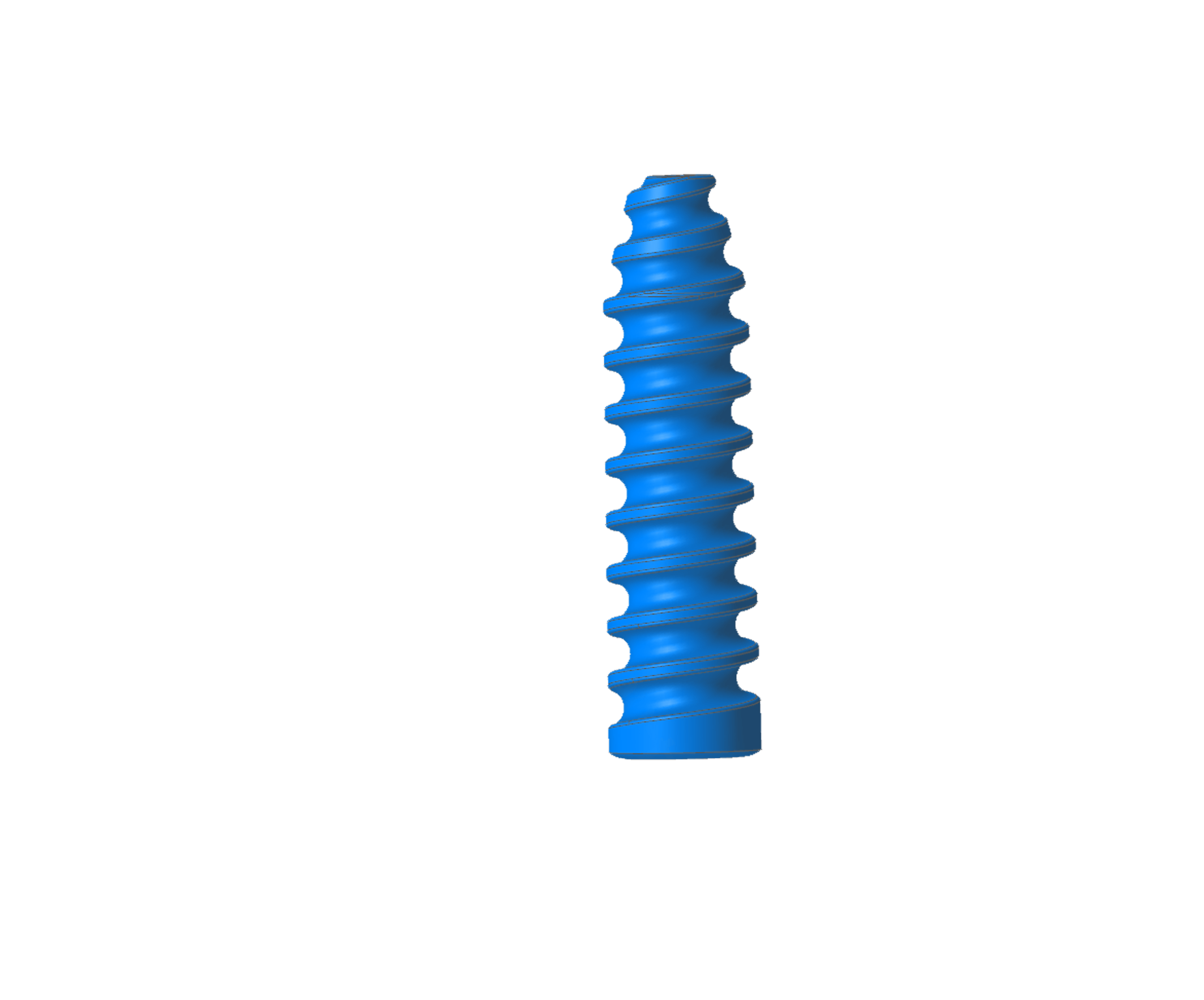
The titanium interference screw is a specialized orthopedic fixation device designed primarily for anterior cruciate ligament (ACL) reconstruction and other soft tissue fixation procedures in sports medicine. This biocompatible implant secures grafts within bone tunnels by creating interference fit between the graft tissue and tunnel wall, ensuring stable fixation during the critical healing phase. Manufactured from medical-grade titanium alloy, the titanium interference screw offers exceptional strength-to-weight ratio and corrosion resistance, making it ideal for long-term implantation. The screw features precise threading patterns that facilitate controlled insertion while minimizing bone damage and graft trauma. Its cannulated design allows placement over a guide wire, ensuring accurate positioning within the femoral or tibial tunnel. The titanium interference screw is widely utilized in knee ligament reconstruction surgeries, where secure graft fixation is essential for successful patient outcomes. Surgeons prefer this device for its reliable mechanical properties and proven clinical performance across diverse patient populations. The biocompatible nature of titanium promotes osseointegration, allowing bone to grow into and around the screw for enhanced long-term stability. Applications extend beyond ACL reconstruction to include posterior cruciate ligament repairs, medial collateral ligament reconstructions, and various tendon reattachment procedures. The titanium interference screw represents a cornerstone technology in modern orthopedic surgery, combining material science excellence with practical surgical functionality to deliver consistent, predictable results that support patient recovery and return to active lifestyles.

Popular Products

Choosing a titanium interference screw provides multiple practical benefits that directly impact surgical outcomes and patient satisfaction. The biocompatibility of titanium eliminates concerns about adverse tissue reactions, making it safe for patients with various health profiles and reducing the risk of implant rejection or inflammatory responses. This material offers superior strength compared to bioabsorbable alternatives, providing immediate and sustained graft fixation throughout the healing process without degradation or loss of mechanical integrity. Surgeons benefit from the ease of insertion that titanium interference screws provide, as the material's properties allow for smooth threading through bone with minimal insertion torque, reducing operative time and technical difficulty. The radiopaque nature of titanium ensures excellent visibility on X-rays and CT scans, enabling surgeons to verify proper placement during surgery and monitor implant position during follow-up examinations. Patients experience faster recovery times because the secure fixation allows for earlier rehabilitation protocols and progressive loading of the reconstructed ligament. The titanium interference screw maintains its position permanently, eliminating concerns about implant migration or loosening that could compromise surgical results. Cost-effectiveness represents another significant advantage, as the durability and reliability of titanium reduce the likelihood of revision surgeries and associated healthcare expenses. The versatility of the titanium interference screw suits various surgical techniques and graft types, including bone-patellar tendon-bone grafts, hamstring tendon grafts, and allograft materials. Medical facilities appreciate the long shelf life and straightforward sterilization protocols that titanium devices offer. For athletic patients, the proven track record of titanium interference screws in returning individuals to competitive sports provides confidence in their treatment choice, supporting informed decision-making and positive treatment expectations.

Practical Tips

Application of carbon fiber material external fixation bracket in clinical practice

13

Jan

Application of carbon fiber material external fixation bracket in clinical practice

The integration of advanced materials in orthopedic surgery has revolutionized patient care and treatment outcomes. Among these innovations, carbon fiber external fixation systems have emerged as a superior alternative to traditional metal frameworks...
View More
HTO Locking Plate: A Precise and Stable Solution for High Knee Joint Osteotomy

13

Jan

HTO Locking Plate: A Precise and Stable Solution for High Knee Joint Osteotomy

High tibial osteotomy represents one of the most effective surgical interventions for treating knee joint disorders, particularly those involving medial compartment osteoarthritis and varus deformity correction. The success of this procedure largely ...
View More
Expanding the Boundaries of IM Nail Technology: Periarticular Fractures and Deformity Correction

06

Mar

Expanding the Boundaries of IM Nail Technology: Periarticular Fractures and Deformity Correction

Modern orthopedic surgery continues to evolve with innovative solutions that address complex fracture patterns and deformity corrections. The telescopic intramedullary nail represents a significant advancement in treating challenging periarticular fr...
View More
Ankle internal fixation system: Advantages of ankle locking plate in the treatment of complex fractures

06

Mar

Ankle internal fixation system: Advantages of ankle locking plate in the treatment of complex fractures

Complex ankle fractures represent one of the most challenging orthopedic injuries, requiring precise surgical intervention and advanced fixation techniques to restore optimal function and stability. The ankle locking plate has emerged as a revolution...
View More

Get a Free Quote

Our representative will contact you soon.
Email
Name
Company Name
Message
0/1000

titanium interference screw

Exceptional Biomechanical Stability and Fixation Strength

Exceptional Biomechanical Stability and Fixation Strength

The titanium interference screw delivers outstanding biomechanical performance that ensures graft security during the critical early healing phase following ligament reconstruction. The precisely engineered thread design creates optimal interference between the graft and bone tunnel wall, generating compression forces that resist pullout and prevent micromotion. This mechanical stability is crucial because excessive graft movement during the initial healing period can compromise tissue integration and lead to surgical failure. Clinical biomechanical studies demonstrate that the titanium interference screw provides fixation strength that exceeds the physiological loads experienced during standard rehabilitation exercises and activities of daily living. The material properties of titanium alloy contribute to this performance, offering a unique combination of high tensile strength and elastic modulus that matches bone more closely than stainless steel alternatives. This compatibility reduces stress shielding effects and promotes more natural load distribution across the bone-implant interface. Surgeons can confidently implement aggressive rehabilitation protocols knowing that the titanium interference screw will maintain graft position throughout progressive loading phases, ultimately supporting faster patient recovery and improved functional outcomes.
Superior Biocompatibility and Osseointegration Properties

Superior Biocompatibility and Osseointegration Properties

The titanium interference screw exhibits exceptional biocompatibility that minimizes foreign body response and promotes harmonious integration with surrounding bone tissue. Titanium's natural oxide layer creates a biologically inert surface that resists corrosion in the physiological environment while supporting cellular attachment and bone growth. This osseointegration process allows bone to form direct structural and functional connections with the implant surface, creating a biological fixation that complements the initial mechanical interference fit. Unlike bioabsorbable screws that may trigger inflammatory responses during degradation, the titanium interference screw maintains its biocompatible profile indefinitely without releasing degradation byproducts. Patients with metal sensitivities generally tolerate titanium well due to its hypoallergenic properties, expanding treatment options for individuals with specific medical considerations. The permanent nature of titanium fixation eliminates concerns about premature absorption or loss of fixation strength during the critical six-to-twelve-month graft maturation period. Long-term clinical follow-up studies spanning decades confirm that titanium interference screws remain stable and well-tolerated, with no significant complications related to material biocompatibility, making them a trusted choice for surgeons prioritizing patient safety and lasting surgical success.
Optimal Imaging Compatibility and Surgical Precision

Optimal Imaging Compatibility and Surgical Precision

The titanium interference screw provides excellent radiographic visibility while maintaining compatibility with modern diagnostic imaging technologies, supporting accurate surgical placement and comprehensive postoperative monitoring. The radiopaque properties of titanium ensure that surgeons can clearly visualize screw position on standard X-rays, confirming proper placement within bone tunnels and appropriate graft compression before completing the surgical procedure. This immediate feedback capability reduces the risk of malposition and allows for intraoperative adjustments when necessary, enhancing surgical precision and consistency. Unlike some metallic implants that create significant artifacts on magnetic resonance imaging, titanium produces minimal distortion, permitting detailed evaluation of surrounding soft tissues and graft healing progress during follow-up assessments. This imaging compatibility proves invaluable when investigating potential complications or assessing reconstruction integrity years after surgery. The cannulated design of most titanium interference screws facilitates guide wire placement, enabling surgeons to achieve accurate trajectory and depth control during insertion. This technical feature reduces the learning curve for less experienced surgeons while allowing experts to execute complex revision procedures with confidence. The combination of strength, visibility, and controlled insertion characteristics makes the titanium interference screw an indispensable tool that elevates surgical technique and supports superior patient outcomes across diverse clinical scenarios.
logo