suture anchor fixation
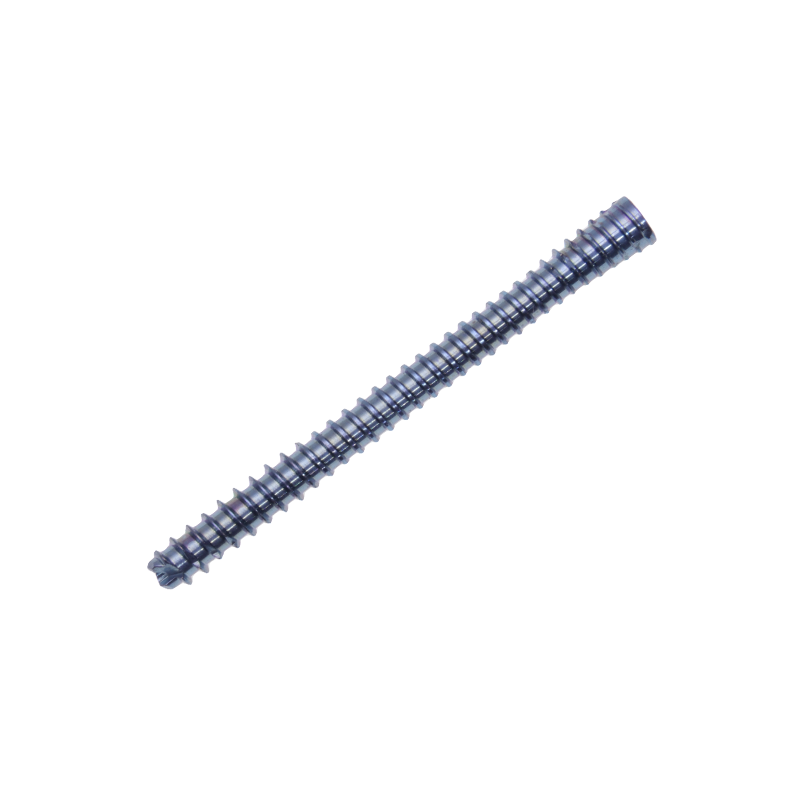
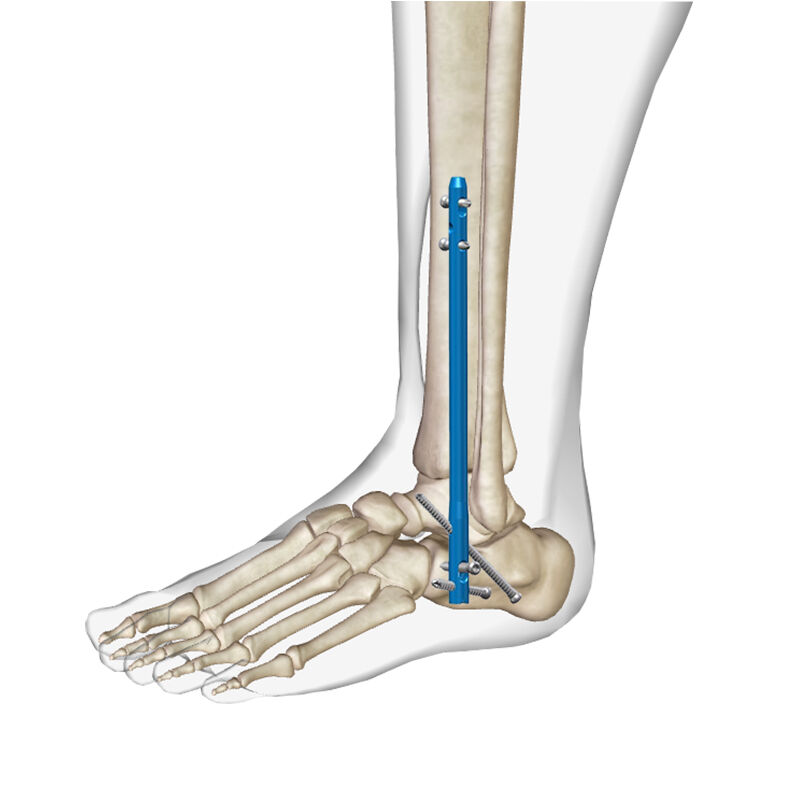
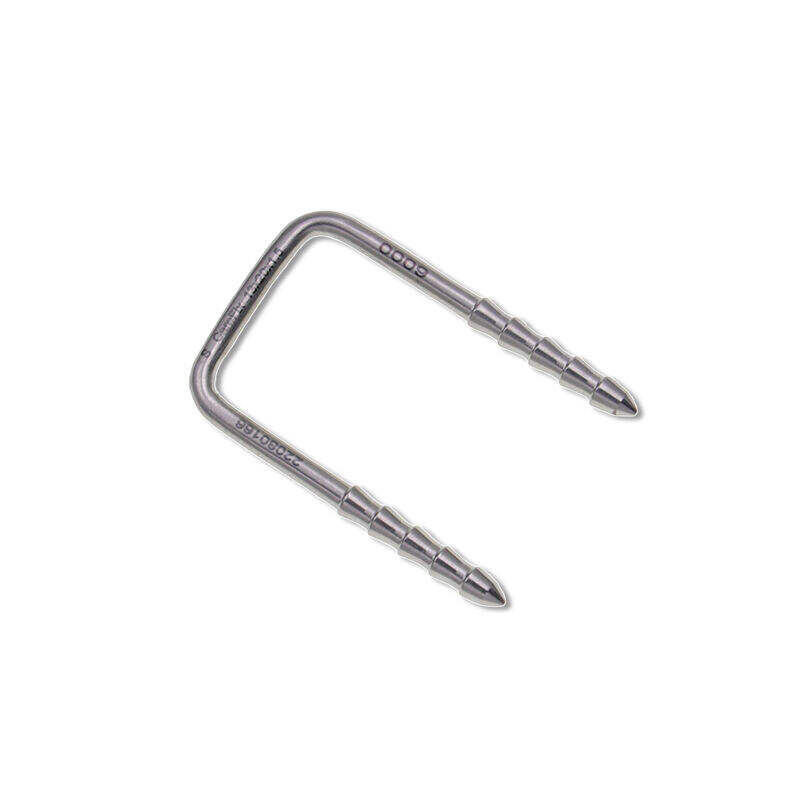
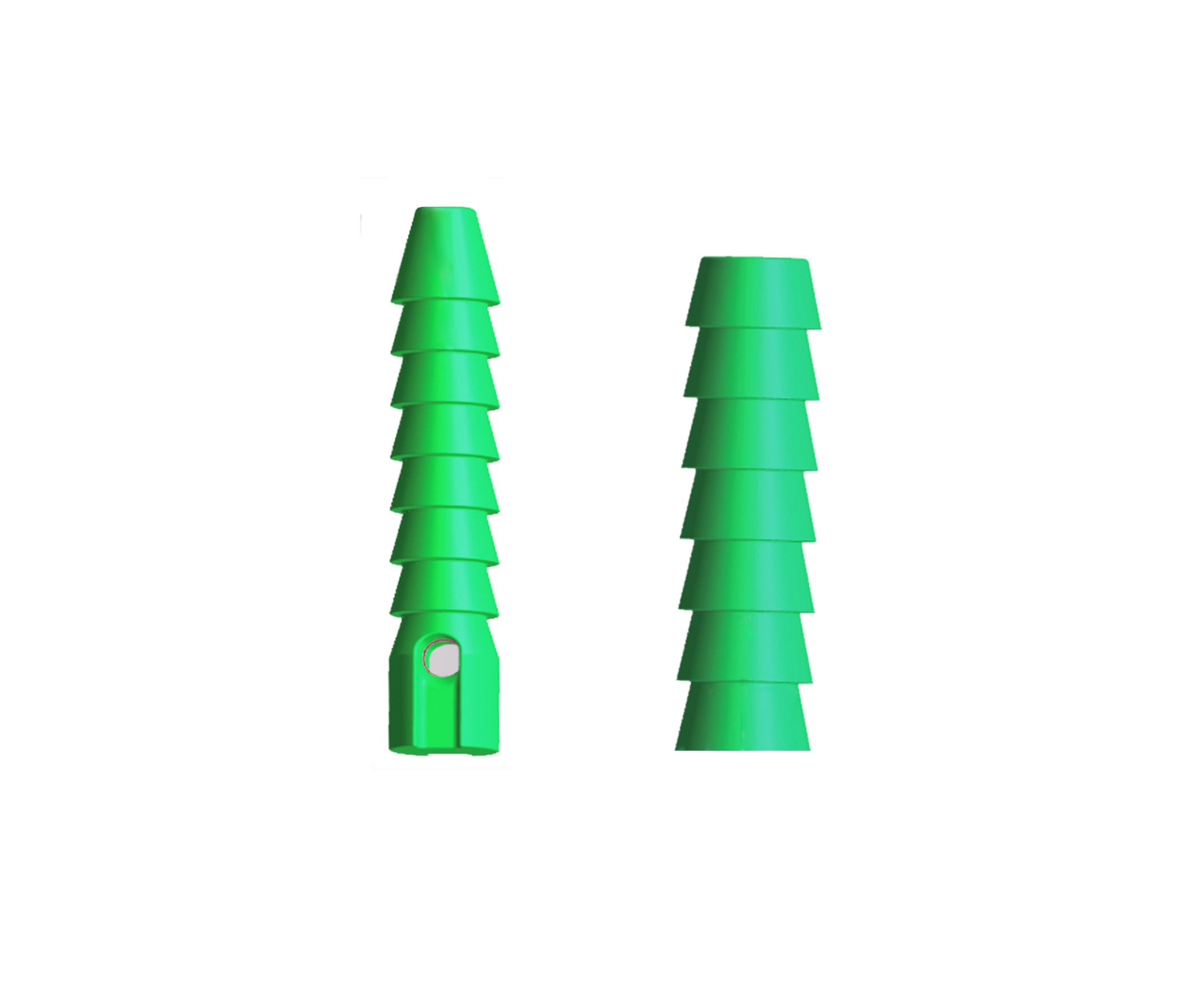
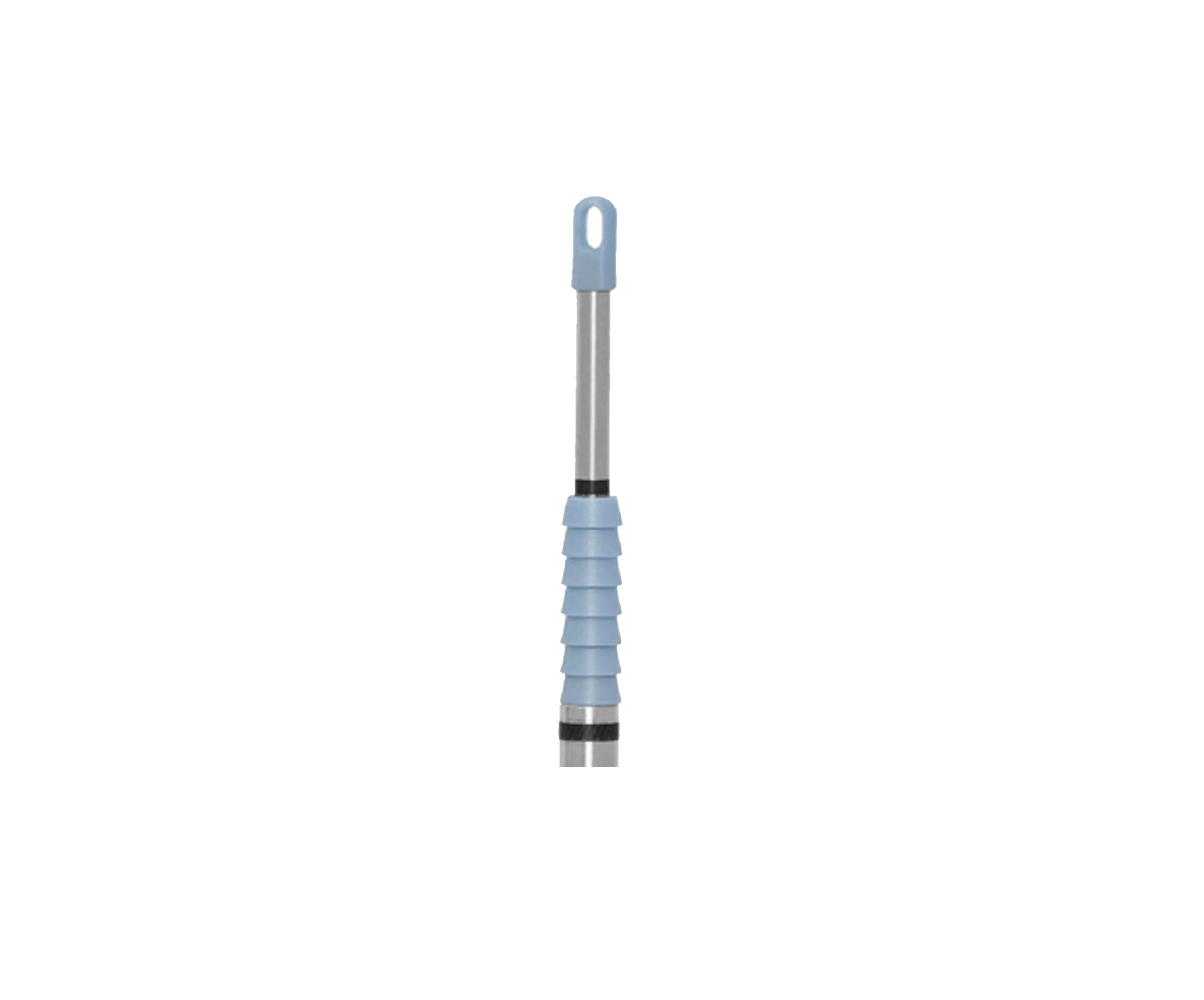
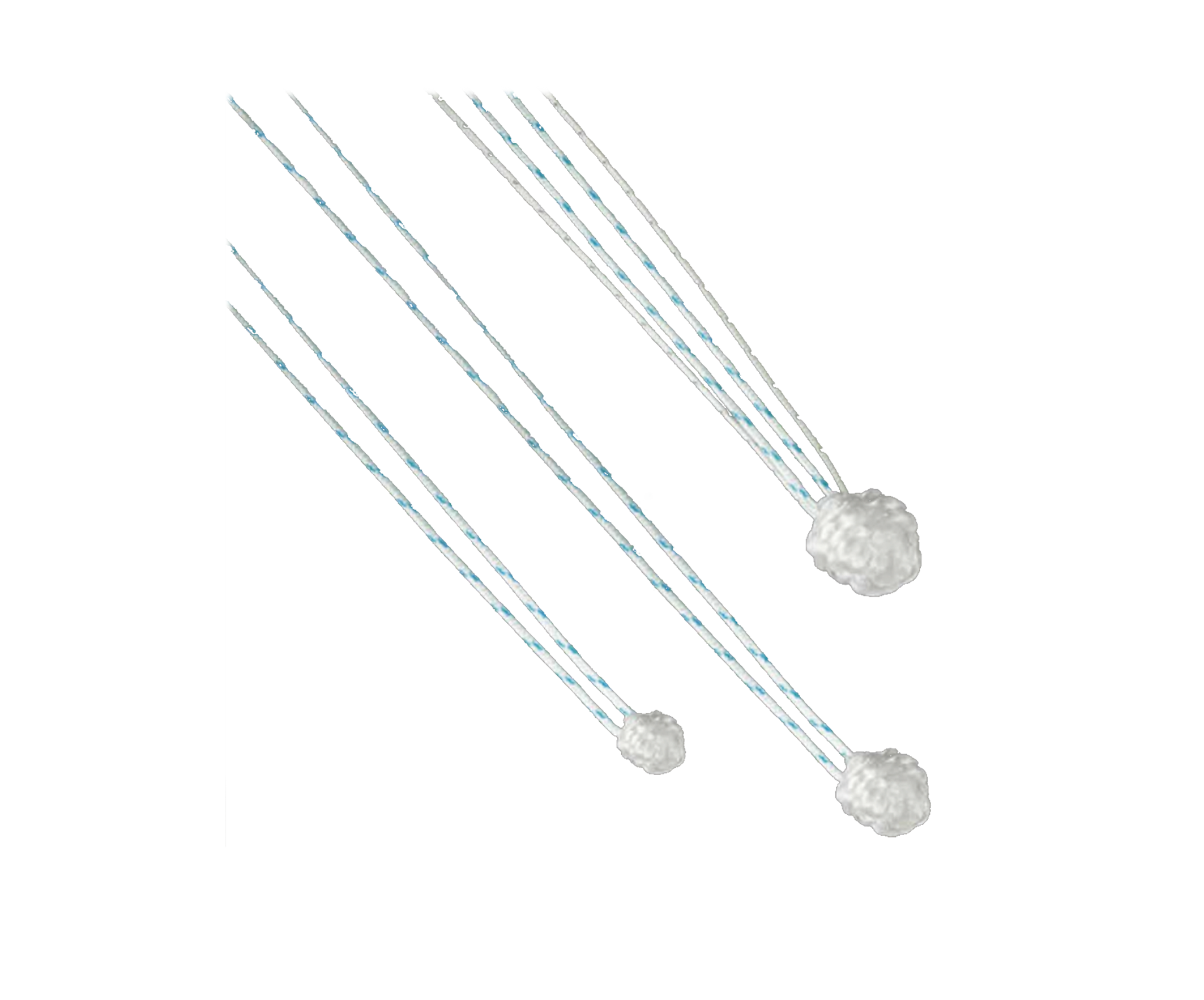
Suture anchor fixation is an advanced surgical technique used to reattach soft tissues to bone during orthopedic and sports medicine procedures. This method involves inserting specialized anchors into bone, which serve as secure attachment points for sutures that hold torn ligaments, tendons, or capsular tissues in their proper anatomical positions. The technology has revolutionized how surgeons approach soft tissue repair, offering a minimally invasive alternative to traditional bone tunnels and transosseous sutures. Suture anchor fixation systems typically consist of an anchor body made from bioabsorbable or non-absorbable materials, pre-loaded sutures, and an insertion device for precise placement. The main functions include providing immediate fixation strength, promoting biological healing at the tissue-bone interface, and maintaining stable repair construct throughout the recovery period. Technological features encompass various anchor designs such as screw-in, push-in, and knotless configurations, each optimized for specific anatomical locations and tissue types. The anchors range in size from small 1.3mm devices for delicate repairs to larger 6.5mm anchors for high-load applications. Applications span across shoulder rotator cuff repairs, labral reconstructions, elbow ligament repairs, knee meniscal root fixations, ankle lateral ligament reconstructions, and hip labral repairs. The versatility of suture anchor fixation allows surgeons to address complex pathologies with improved precision, reduced surgical trauma, and enhanced patient outcomes across multiple joint systems and soft tissue injury patterns.
 EN
EN