Pushlock Suture Anchor: Advanced Fixation Solution

Get a Free Quote

Our representative will contact you soon.
Email
Name
Company Name
Message
0/1000

pushlock suture anchor

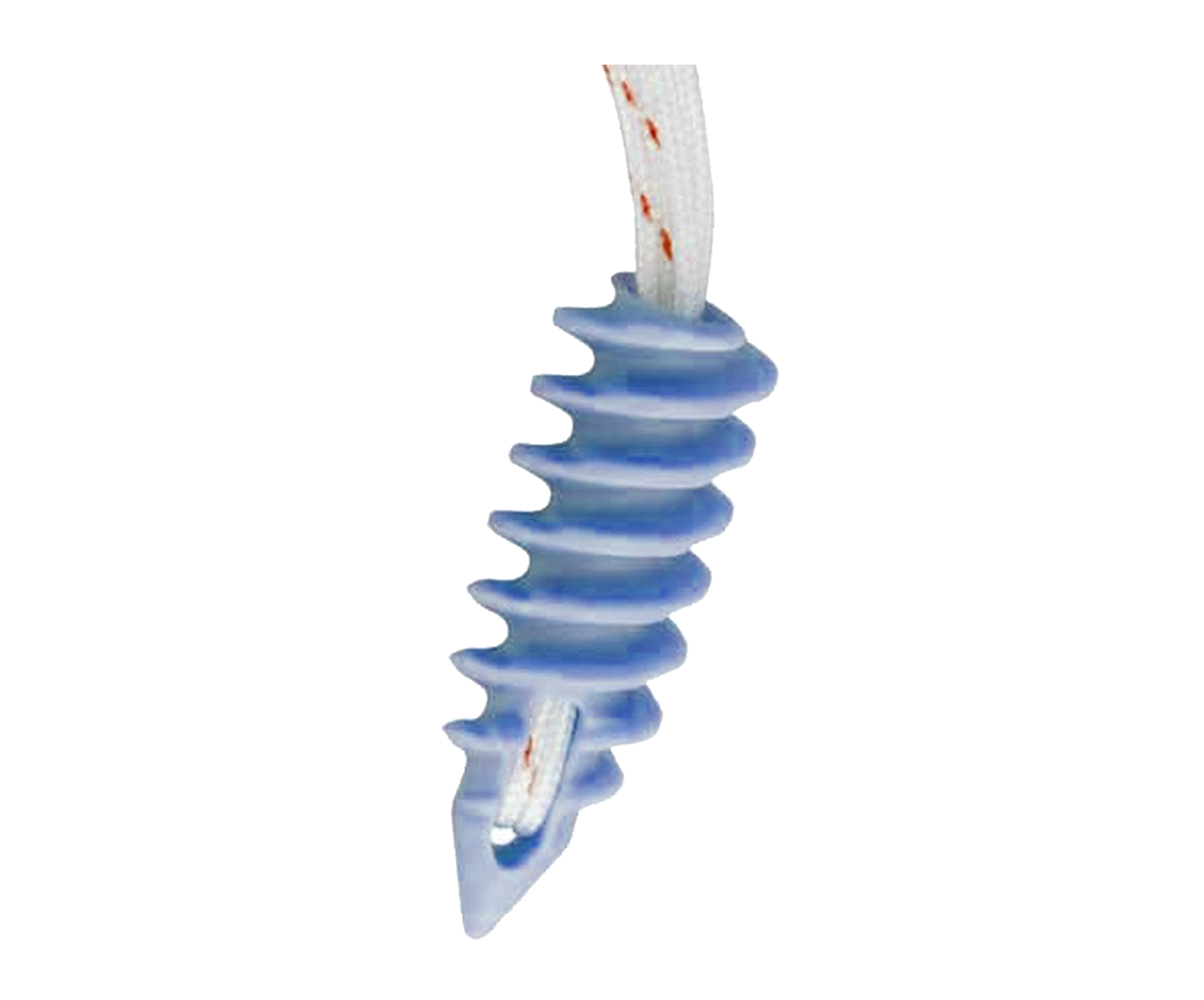
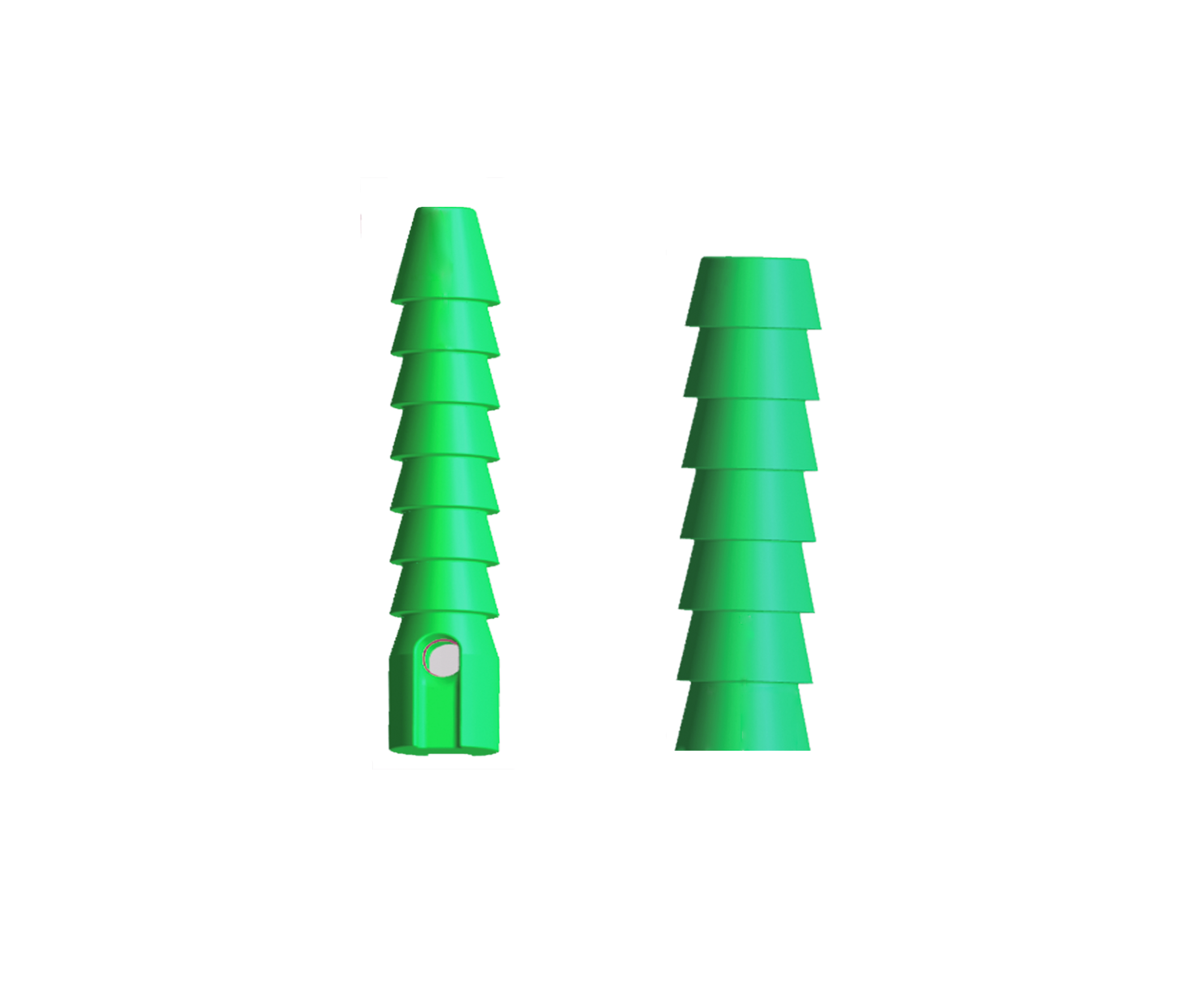
The pushlock suture anchor represents an advanced fixation device designed for soft tissue reattachment procedures in orthopedic and sports medicine surgeries. This innovative medical implant utilizes a knotless technology that simplifies surgical procedures while delivering reliable fixation strength. The pushlock suture anchor features a unique push-in deployment mechanism that eliminates the need for traditional knot-tying techniques, significantly reducing operative time and technical complexity. Manufactured from biocompatible materials such as PEEK or bioabsorbable polymers, these anchors provide secure fixation for tendons and ligaments to bone during arthroscopic or open surgical procedures. The device consists of a threaded or ridged body that engages with bone, combined with an integrated suture management system that locks tissue securely in place. Primary applications include rotator cuff repairs, labral reconstructions, Achilles tendon reattachments, and biceps tenodesis procedures. The pushlock suture anchor technology has revolutionized soft tissue repair by offering surgeons a streamlined approach that maintains consistent tension and reduces variability associated with manual knot-tying. Its low-profile design minimizes tissue irritation while maximizing pullout strength, making it suitable for various bone densities and anatomical locations. The system typically includes pre-loaded sutures in various configurations, allowing surgeons to select the appropriate construct based on specific surgical requirements. This versatile fixation solution has gained widespread adoption across surgical specialties due to its combination of ease of use, reproducible results, and excellent clinical outcomes in soft tissue repair procedures.

New Products

The pushlock suture anchor delivers significant practical benefits that directly impact surgical efficiency and patient outcomes. One major advantage is the dramatic reduction in operative time, as the knotless design eliminates complex knot-tying steps that traditionally add 15-20 minutes to each procedure. Surgeons can complete fixation quickly and confidently, reducing anesthesia exposure for patients while increasing daily surgical capacity. The system provides consistent, reproducible tension with every deployment, removing the variability that comes with manual knot-tying skills and experience levels. This standardization means more predictable healing outcomes regardless of surgeon expertise. The pushlock suture anchor offers superior pullout strength compared to traditional knotted anchors, with biomechanical studies demonstrating enhanced load-to-failure properties that provide greater security during the critical healing phase. Its low-profile design reduces the risk of tissue irritation and impingement, improving patient comfort during recovery. The streamlined insertion process requires fewer surgical instruments, simplifying OR setup and reducing procedural costs. For healthcare facilities, this translates to improved operational efficiency and cost-effectiveness. The versatile nature of the pushlock suture anchor makes it suitable for multiple anatomical locations and various soft tissue repair applications, allowing hospitals to standardize their inventory while maintaining surgical flexibility. Patients benefit from smaller incisions, reduced surgical trauma, and faster recovery times due to the minimally invasive deployment technique. The biocompatible materials used in construction ensure excellent tissue integration with minimal inflammatory response. For decision-makers evaluating fixation solutions, the pushlock suture anchor represents a valuable investment that combines proven clinical performance with operational advantages, ultimately improving both surgical workflows and patient satisfaction while maintaining competitive procedural costs.

Practical Tips

Evolution of Intervertebral Fusion Device Materials: Clinical Efficacy Comparison between PEEK and Titanium Alloy

13

Jan

Evolution of Intervertebral Fusion Device Materials: Clinical Efficacy Comparison between PEEK and Titanium Alloy

The advancement of spinal surgery has been significantly influenced by the development of sophisticated intervertebral fusion device technologies. Modern spine surgeons rely heavily on these devices to achieve successful fusion outcomes while minimiz...
View More
How to choose the appropriate size and thread of hollow screws?

11

Feb

How to choose the appropriate size and thread of hollow screws?

Selecting the right hollow screws for orthopedic procedures requires careful consideration of multiple factors that directly impact surgical outcomes and patient recovery. These specialized medical devices serve critical functions in bone fixation, t...
View More
No need for secondary surgery: How does the self-lengthening intramedullary nail synchronize with bone development?

11

Feb

No need for secondary surgery: How does the self-lengthening intramedullary nail synchronize with bone development?

The evolution of pediatric orthopedic surgery has witnessed remarkable advancements in recent decades, with the telescopic intramedullary nail emerging as a groundbreaking solution for treating femoral shaft fractures in growing children. This innova...
View More
Distal radial volar locking plate: refined design enhances the success rate of fracture fixation

06

Mar

Distal radial volar locking plate: refined design enhances the success rate of fracture fixation

The treatment of distal radius fractures has undergone significant evolution in recent decades, with the distal radial volar locking plate emerging as a cornerstone technology in modern orthopedic practice. These innovative implants represent a parad...
View More

Get a Free Quote

Our representative will contact you soon.
Email
Name
Company Name
Message
0/1000

pushlock suture anchor

Knotless Technology for Simplified Surgical Technique

Knotless Technology for Simplified Surgical Technique

The pushlock suture anchor incorporates revolutionary knotless technology that fundamentally transforms how surgeons approach soft tissue fixation procedures. Traditional suture anchor techniques require meticulous knot-tying skills, with surgeons needing to create secure knots through small arthroscopic portals or limited surgical exposures. This process demands significant training, creates variability in fixation quality, and extends operative time considerably. The pushlock suture anchor eliminates these challenges through an ingenious push-in mechanism that automatically locks sutures under consistent tension with a simple deployment action. Once positioned correctly, the surgeon simply advances the anchor into prepared bone, and the internal locking mechanism captures the suture securely without any additional steps. This innovation reduces the technical learning curve for less experienced surgeons while allowing veterans to work more efficiently. The standardized tension achieved with each deployment ensures uniform fixation quality across all repairs, contributing to more predictable healing and rehabilitation protocols. By removing the most technically demanding aspect of anchor-based repairs, the pushlock suture anchor makes advanced orthopedic procedures more accessible and reliable across diverse surgical settings and skill levels.
Superior Fixation Strength and Biomechanical Performance

Superior Fixation Strength and Biomechanical Performance

The pushlock suture anchor delivers exceptional biomechanical performance that surpasses traditional fixation methods in clinically relevant testing scenarios. Engineering design focuses on maximizing the bone-anchor interface through optimized thread patterns, surface textures, and geometric configurations that enhance initial purchase and long-term stability. The anchor body distributes loads across a larger bone surface area, reducing stress concentrations that could lead to pullout failure during rehabilitation. Clinical biomechanical studies consistently demonstrate that the pushlock suture anchor achieves higher ultimate load-to-failure values compared to knotted anchor constructs, providing surgeons with confidence that repairs will withstand the physiological forces encountered during healing. The knotless design also eliminates the weakest link in traditional repairs, as knots themselves can slip or fail under cyclic loading conditions. Material selection plays a crucial role, with options including radiolucent PEEK for permanent fixation or bioabsorbable polymers that gradually transfer load to healing tissue while being replaced by natural bone. The low-profile design reduces the risk of anchor prominence and associated complications while maintaining robust fixation characteristics. This combination of strength, reliability, and biological compatibility makes the pushlock suture anchor an optimal choice for demanding applications where fixation security directly impacts surgical success and patient recovery.
Versatile Application Across Multiple Surgical Specialties

Versatile Application Across Multiple Surgical Specialties

The pushlock suture anchor demonstrates remarkable versatility, serving as an effective fixation solution across numerous orthopedic and sports medicine applications. In shoulder surgery, these anchors excel in rotator cuff repairs, labral reconstructions for instability, and biceps tenodesis procedures, where secure fixation and minimal profile are essential. Foot and ankle surgeons utilize the pushlock suture anchor for Achilles tendon repairs, lateral ligament reconstructions, and plantar fascia releases, benefiting from the strong fixation in smaller bone surfaces. Hip arthroscopy procedures including labral repairs and capsular reconstructions leverage the anchor's ability to work in confined spaces with limited visualization. Knee surgeons employ these devices for MCL and LCL reconstructions, patellar tendon repairs, and meniscal root fixations, where reliable tissue-to-bone healing is critical. The range of available sizes, suture configurations, and material options allows surgeons to customize their approach based on specific anatomical requirements, bone quality, and tissue characteristics. This adaptability means surgical facilities can consolidate their anchor inventory around a single platform while maintaining the flexibility to address diverse pathologies. The consistent deployment technique across applications reduces the learning curve when surgeons expand their practice scope, and the proven track record in multiple specialties provides confidence in clinical outcomes regardless of the specific procedure being performed.

logo