Knotless Suture Anchor - Advanced Fixation Solutions

Get a Free Quote

Our representative will contact you soon.
Email
Name
Company Name
Message
0/1000

knotless suture anchor

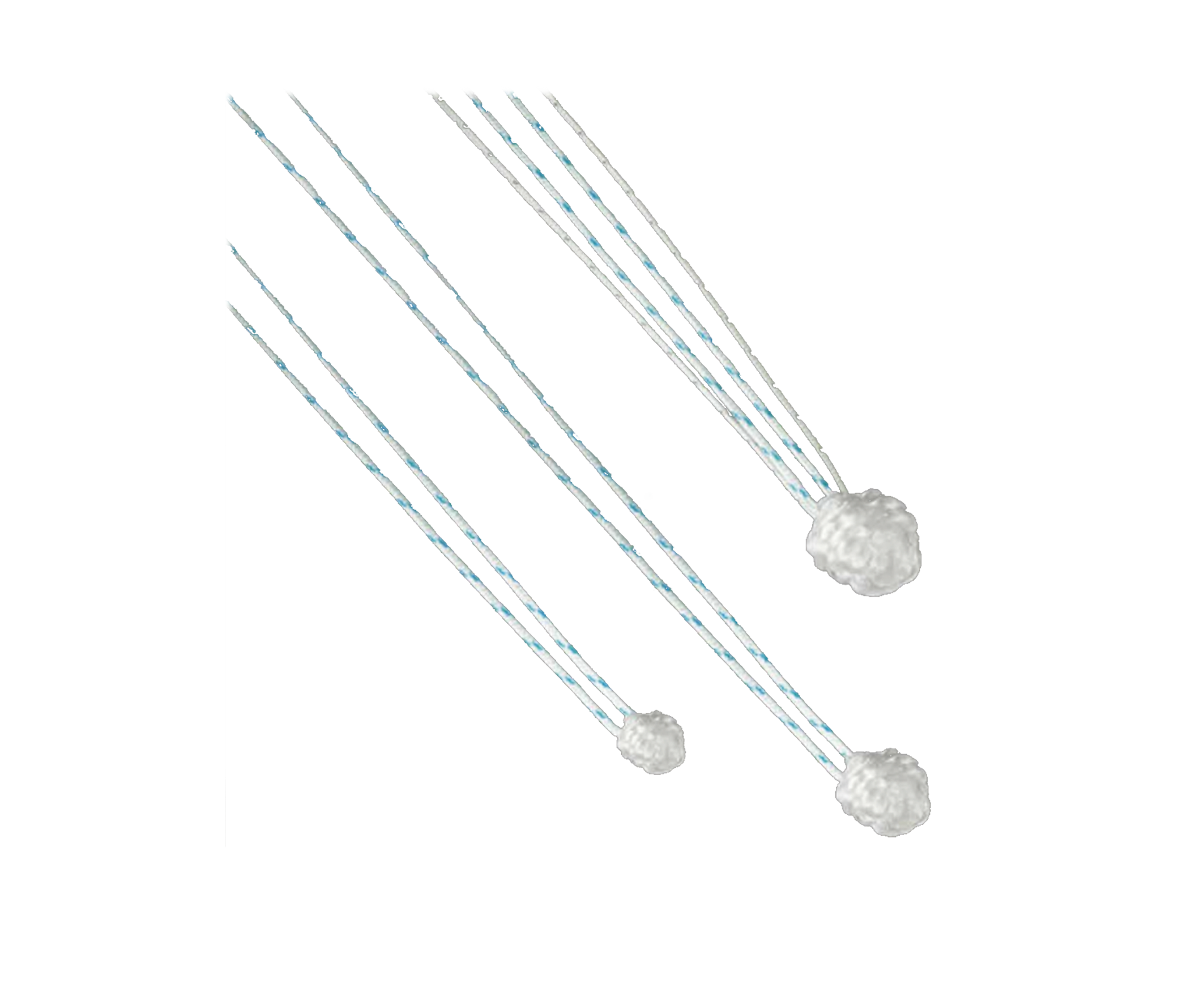
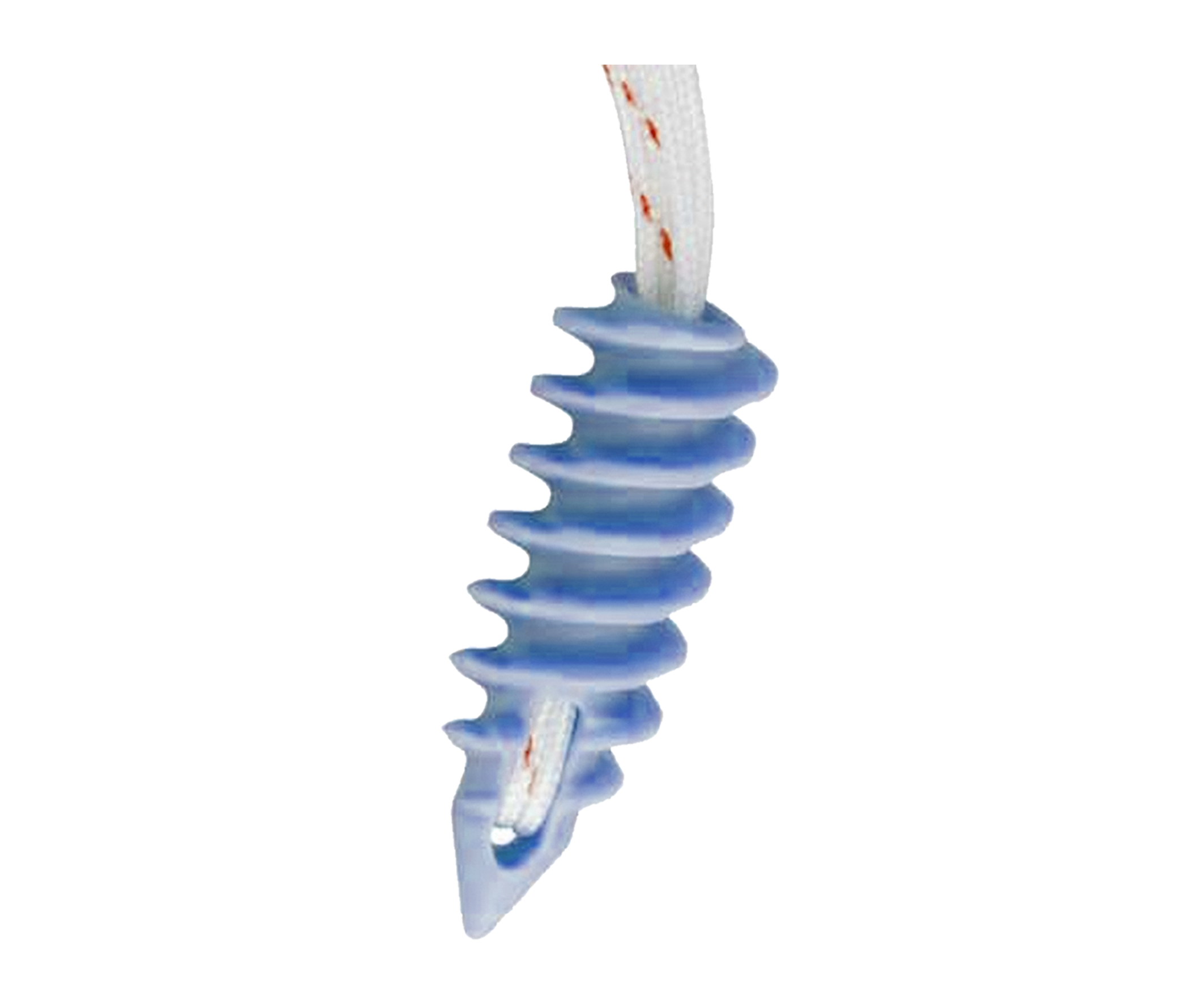
The knotless suture anchor represents a significant advancement in orthopedic and sports medicine surgical techniques, designed to secure soft tissue to bone without the need for manual knot tying. This innovative medical device combines an anchor mechanism with an integrated suture management system that eliminates traditional knot-tying steps during surgical procedures. The knotless suture anchor functions by allowing surgeons to insert the anchor into prepared bone, thread soft tissue through the suture, and achieve secure fixation through a self-locking mechanism that tensions and locks the suture automatically. The primary technological features include a specialized anchor body engineered from biocompatible materials, an internal locking system that captures and secures suture under controlled tension, and a streamlined insertion technique that reduces surgical complexity. These anchors are manufactured in various sizes and configurations to accommodate different anatomical locations and tissue repair requirements. The knotless suture anchor finds extensive applications in rotator cuff repairs, labral reconstructions, capsular plication procedures, and ligament reattachment surgeries throughout the shoulder, hip, knee, and ankle joints. By eliminating the variability and technical demands associated with arthroscopic knot tying, the knotless suture anchor provides consistent fixation strength while reducing operative time. Surgeons benefit from improved procedural efficiency, while patients experience the advantages of minimally invasive techniques with reliable tissue-to-bone healing outcomes that support successful return to normal function and activity.

Popular Products

The knotless suture anchor delivers substantial practical benefits that directly impact surgical outcomes and patient satisfaction. For surgical teams, the primary operational advantage is significant time savings during procedures, as eliminating manual knot tying can reduce operative duration by 15 to 30 percent compared to traditional anchor systems. This efficiency translates to lower anesthesia exposure for patients, reduced operating room costs, and increased surgical throughput for healthcare facilities. The consistent tensioning mechanism built into each knotless suture anchor ensures uniform compression of soft tissue against bone, eliminating the variability inherent in manual knot tying techniques that depend heavily on surgeon skill and experience. This reliability means more predictable healing conditions and reduced risk of fixation failure due to loose or improperly tied knots. From an application suitability perspective, the knotless suture anchor excels in confined arthroscopic spaces where knot tying proves technically challenging and time-consuming. The streamlined profile and simplified insertion technique make these anchors particularly valuable in complex anatomical regions like the posterior shoulder or deep hip joint where instrument maneuverability is limited. Buyers evaluating fixation options will appreciate that the knotless suture anchor reduces the learning curve for less experienced surgeons while maintaining high performance standards. The decreased soft tissue trauma from fewer instrument passes and reduced suture manipulation contributes to better postoperative comfort and faster patient recovery. Clinical studies demonstrate that the knotless suture anchor provides fixation strength comparable to or exceeding traditional knotted constructs while offering superior ease of use. For healthcare decision-makers, these devices represent a sound investment that balances upfront costs against measurable improvements in surgical efficiency, outcome consistency, and patient satisfaction scores that drive institutional reputation and reimbursement metrics.

Tips And Tricks

Cannulated Screw Types: Features and Benefits Explained

16

Dec

Cannulated Screw Types: Features and Benefits Explained

Orthopedic surgery has evolved significantly over the past decades, with advances in implant technology playing a crucial role in improving patient outcomes. Among these innovations, the cannulated screw stands out as a versatile and highly effective...
View More
Application of carbon fiber material external fixation bracket in clinical practice

13

Jan

Application of carbon fiber material external fixation bracket in clinical practice

The integration of advanced materials in orthopedic surgery has revolutionized patient care and treatment outcomes. Among these innovations, carbon fiber external fixation systems have emerged as a superior alternative to traditional metal frameworks...
View More
Ankle internal fixation system: Advantages of ankle locking plate in the treatment of complex fractures

06

Mar

Ankle internal fixation system: Advantages of ankle locking plate in the treatment of complex fractures

Complex ankle fractures represent one of the most challenging orthopedic injuries, requiring precise surgical intervention and advanced fixation techniques to restore optimal function and stability. The ankle locking plate has emerged as a revolution...
View More
Cannulated screw system: Technological advancements in the treatment of ankle fractures

06

Mar

Cannulated screw system: Technological advancements in the treatment of ankle fractures

Ankle fractures represent one of the most challenging orthopedic injuries requiring precise surgical intervention and advanced fixation methods. The evolution of fracture treatment has been significantly enhanced by the introduction of modern cannula...
View More

Get a Free Quote

Our representative will contact you soon.
Email
Name
Company Name
Message
0/1000

knotless suture anchor

Advanced Self-Locking Technology for Reliable Fixation

Advanced Self-Locking Technology for Reliable Fixation

The defining feature of the knotless suture anchor is its sophisticated self-locking mechanism that automatically secures suture under optimal tension without requiring manual knot formation. This technology employs precision-engineered internal components that capture the suture through one-way locking channels or compression features that grip the suture material as the anchor is fully seated in bone. Unlike traditional anchors where fixation strength depends on knot integrity and proper tying technique, the knotless suture anchor delivers consistent mechanical performance across all applications. The self-tensioning system applies uniform compression to the repaired tissue, creating ideal conditions for biological healing by maintaining stable tissue-to-bone contact throughout the critical early healing phases. This technological advancement eliminates the most technique-sensitive aspect of soft tissue repair procedures, reducing variability between different surgeons and different cases. For surgical teams, this translates to more predictable outcomes and fewer revision procedures related to fixation failure. The automated locking action also prevents suture slippage that can occur with traditionally knotted constructs when subjected to cyclical loading during patient rehabilitation, providing confidence that repairs will maintain integrity throughout the demanding healing and recovery process.
Streamlined Surgical Technique Reducing Operative Complexity

Streamlined Surgical Technique Reducing Operative Complexity

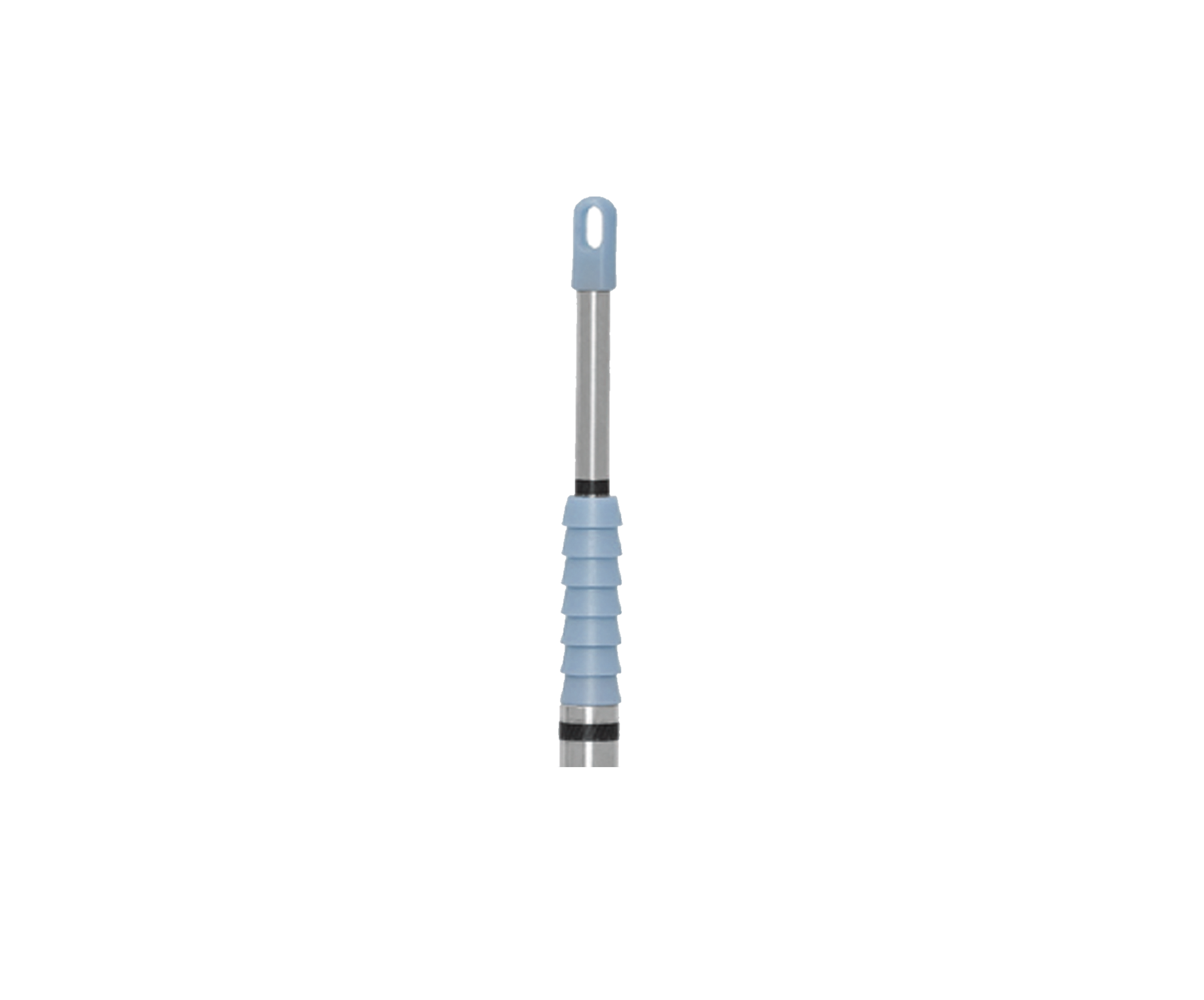
The knotless suture anchor fundamentally simplifies surgical workflow by reducing the number of procedural steps and eliminating technically demanding arthroscopic knot tying. Traditional soft tissue repairs require surgeons to pass sutures through tissue, retrieve them through cannulas, tie secure knots under arthroscopic visualization with limited space and awkward instrument angles, and then manage knot bulk that can cause soft tissue irritation. The knotless suture anchor eliminates these challenges through an intuitive insertion process where the surgeon prepares the bone site, loads the tissue onto the suture, inserts the anchor, and achieves final fixation with simple linear advancement of the insertion device. This streamlined approach significantly reduces operative time, which benefits patients through shorter anesthesia exposure and reduced physiological stress from prolonged procedures. For healthcare facilities, decreased operative time means improved operating room utilization and the ability to serve more patients with existing resources. The simplified technique also reduces the physical and mental demands on surgeons during lengthy or multiple consecutive procedures, potentially reducing fatigue-related errors. Training new surgeons becomes more efficient as the technical learning curve is substantially shortened when complex knot-tying skills are removed from the equation, allowing faster development of competent practitioners who can deliver consistent results.
Low-Profile Design Minimizing Tissue Irritation and Complications

Low-Profile Design Minimizing Tissue Irritation and Complications

The knotless suture anchor features a streamlined, low-profile design that addresses one of the significant complications associated with traditional knotted anchor constructs: prominent suture knots that can cause mechanical irritation, inflammation, and patient discomfort. Conventional repairs often result in bulky knot stacks that occupy space within the joint or subacromial area, potentially causing impingement symptoms, painful catching sensations, or secondary inflammation that delays recovery and may require additional intervention. The knotless suture anchor eliminates knot bulk entirely, as all fixation components are contained within the anchor body that sits flush or slightly recessed within the bone surface. This creates a smooth repair construct with minimal profile extending into the surrounding soft tissue space. Patients experience improved postoperative comfort with reduced pain levels and decreased need for pain medication during recovery. The low-profile configuration also reduces the risk of suture abrasion against surrounding tissues or bony surfaces during joint motion, which can lead to suture fraying and eventual fixation failure in traditional constructs. For surgeons, this design advantage means fewer postoperative complications, higher patient satisfaction scores, and reduced likelihood of revision procedures. The compact footprint of the knotless suture anchor also allows for multiple anchor placement in close proximity when required for larger repairs, without creating crowding or interference between adjacent fixation points that could compromise individual anchor performance or create excessive hardware burden within the repair site.
logo