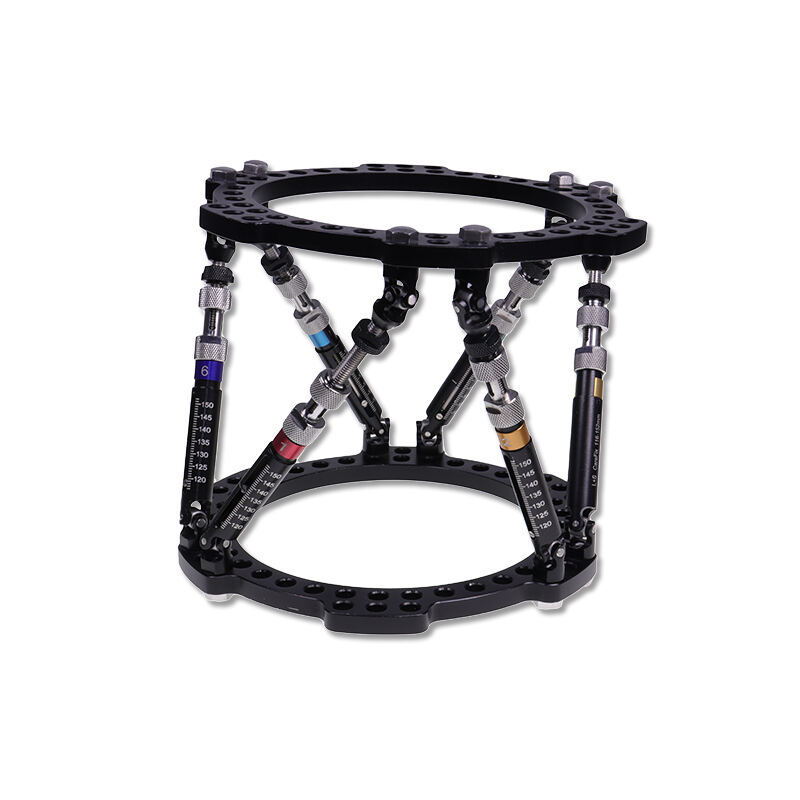
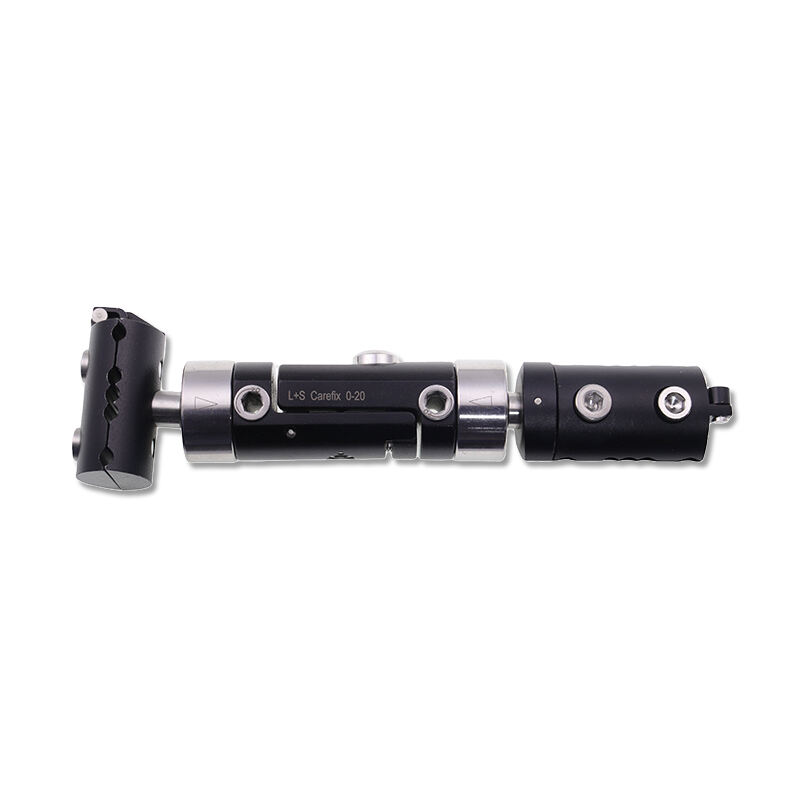
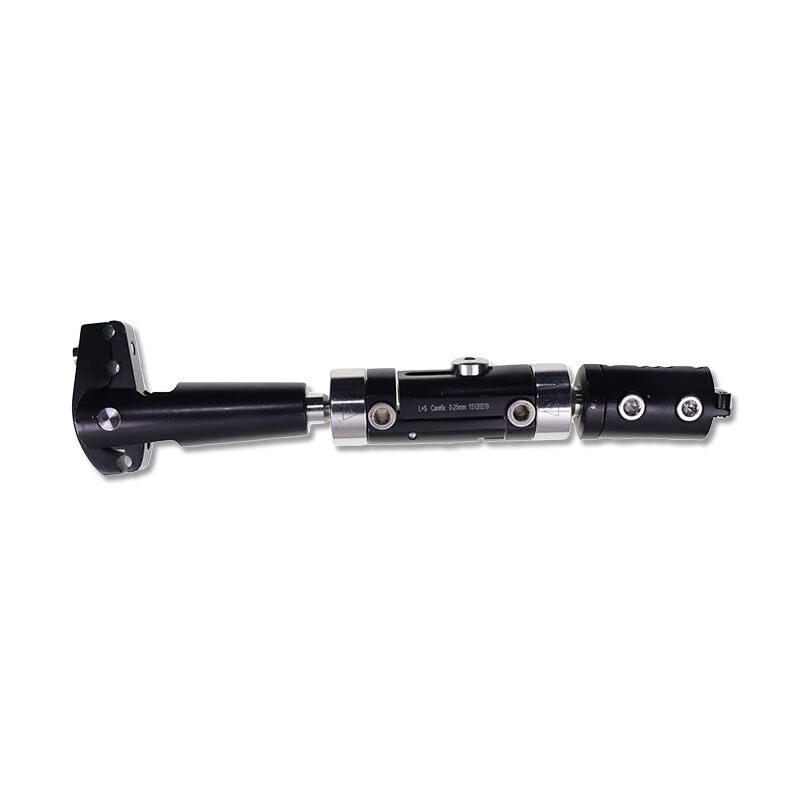
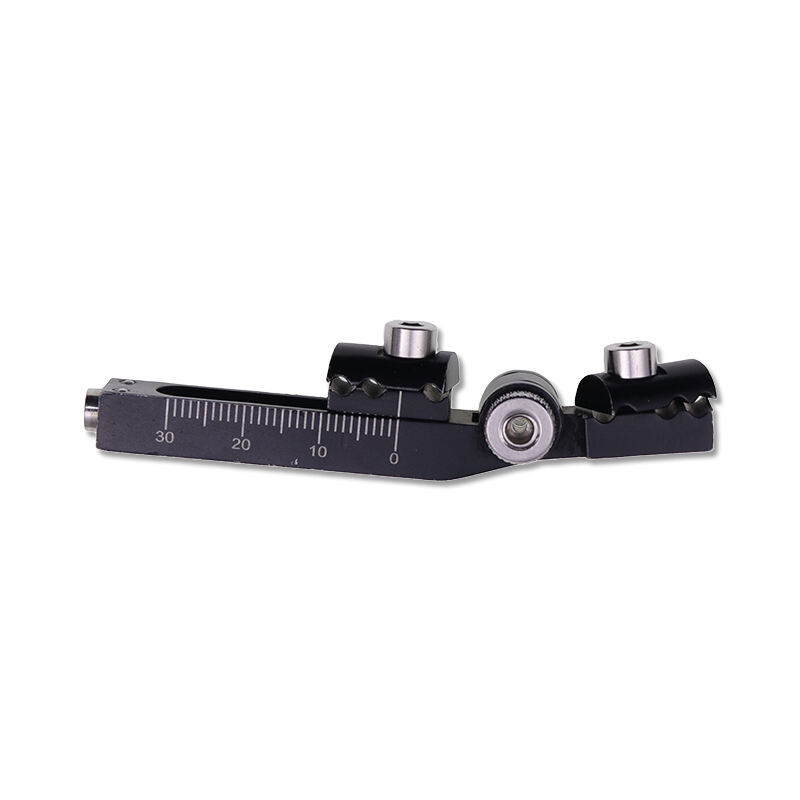
Corkscrew Suture Anchor - Orthopedic Fixation

Get a Free Quote

Our representative will contact you soon.
Email
Name
Company Name
Message
0/1000

corkscrew suture anchor

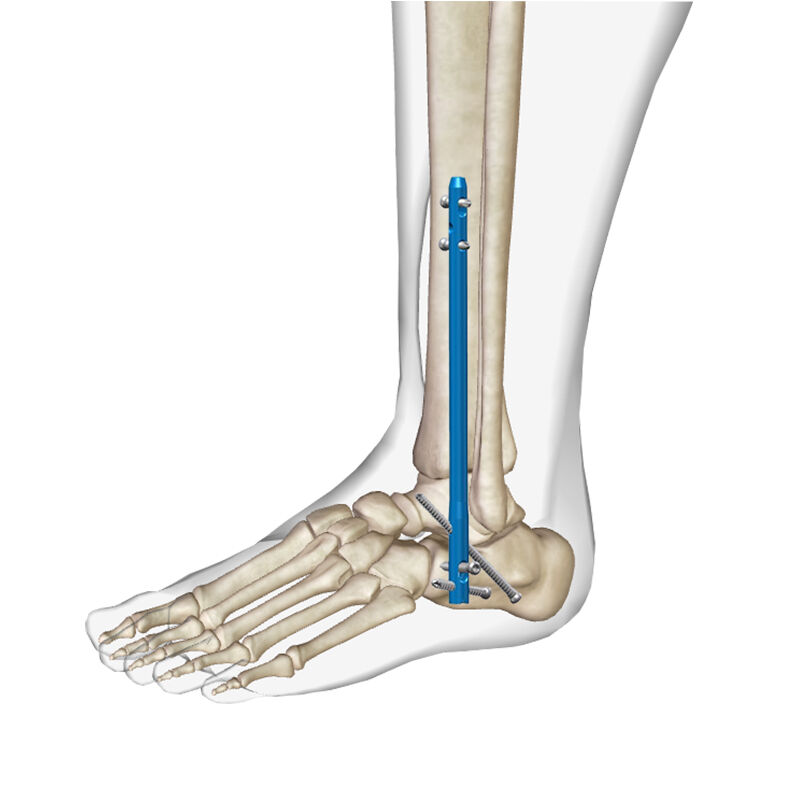
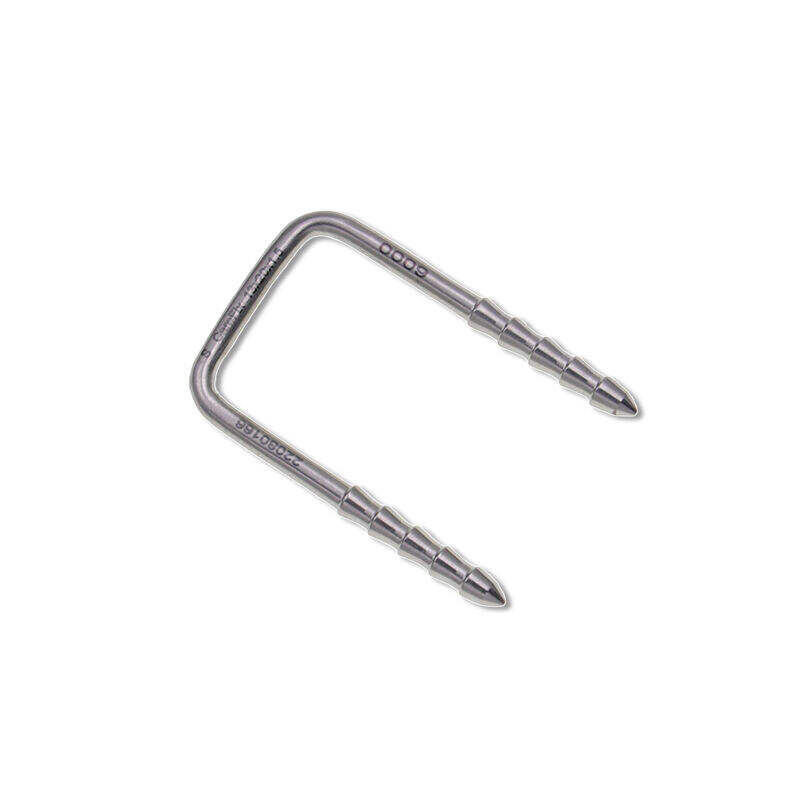
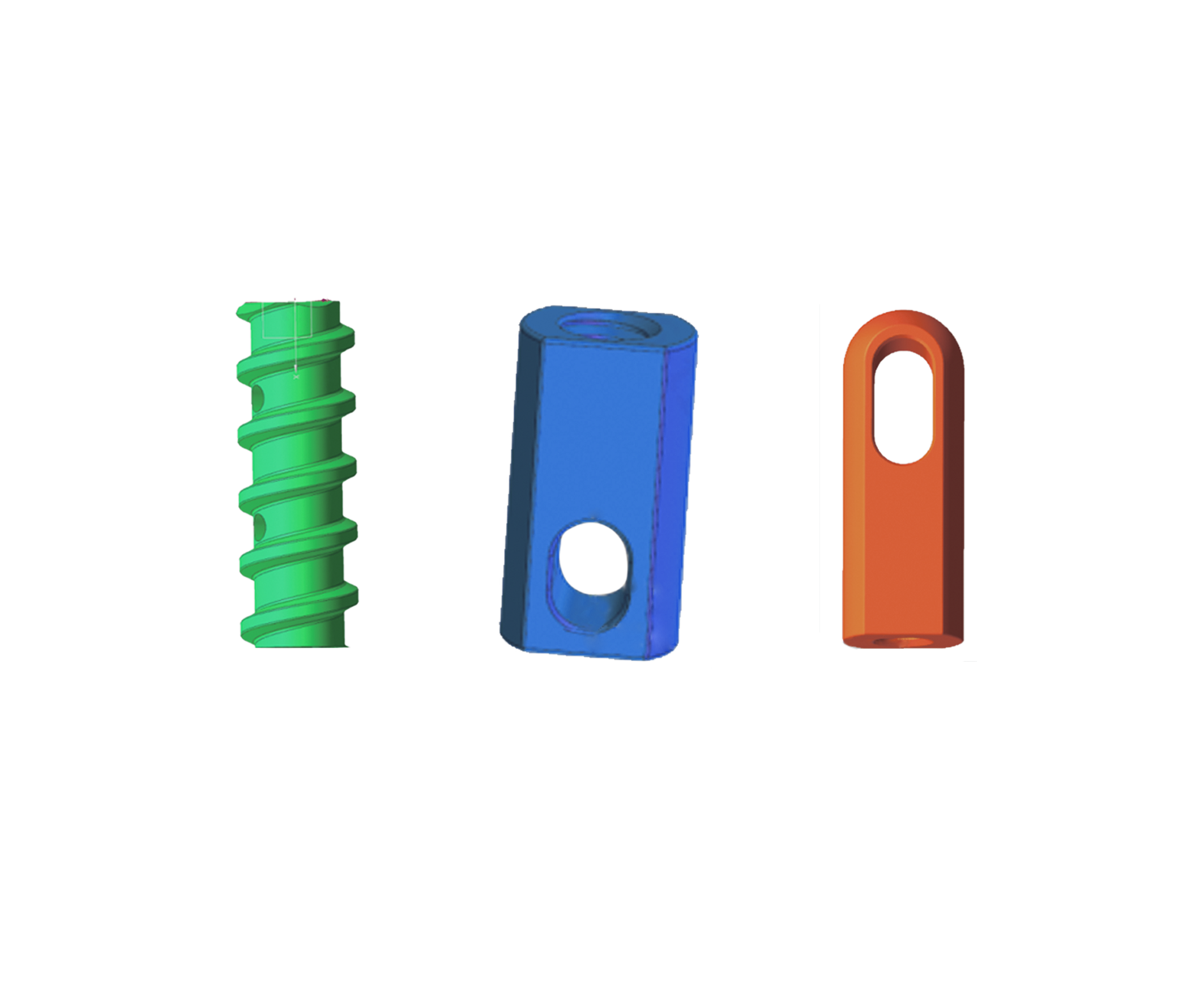
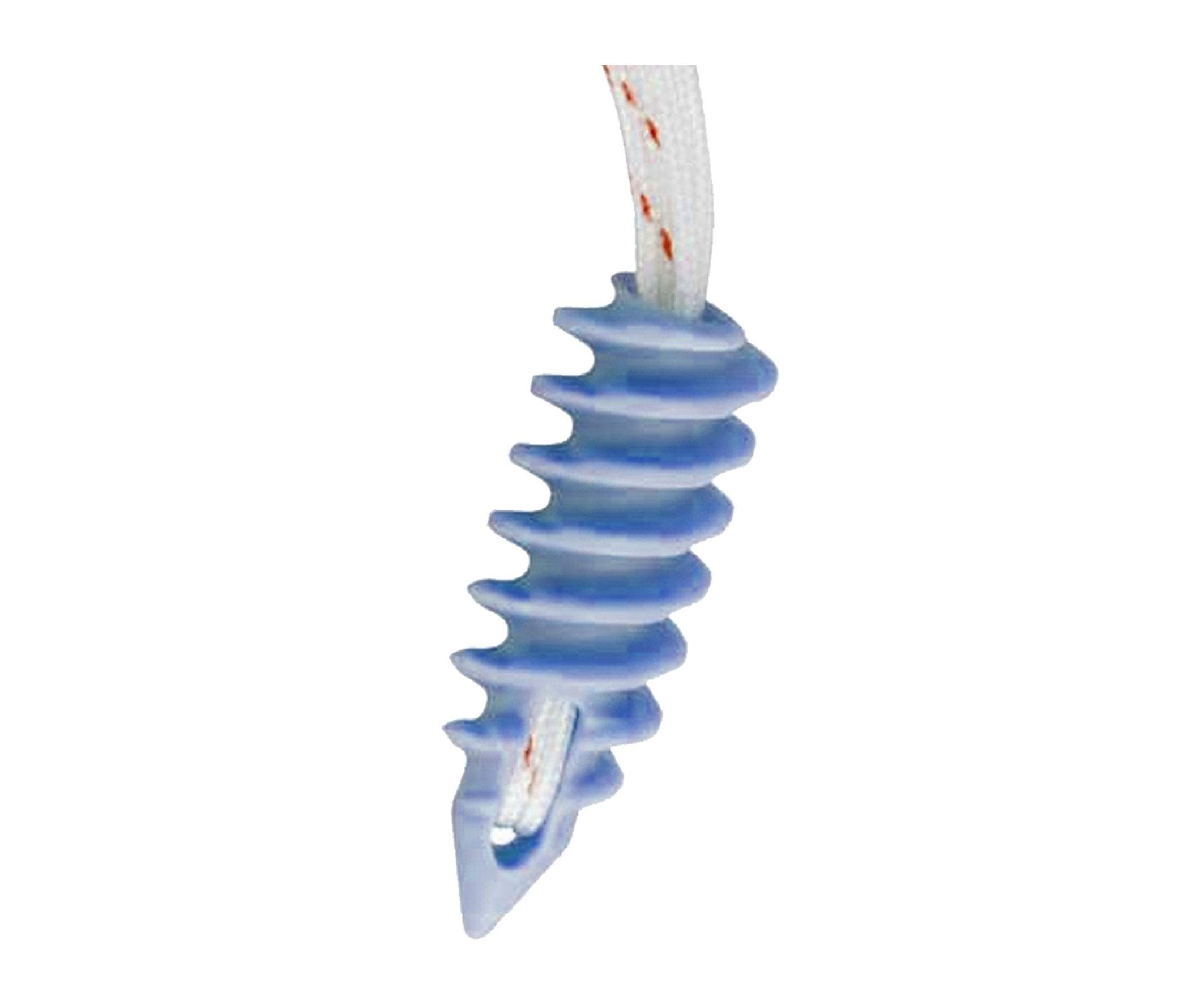
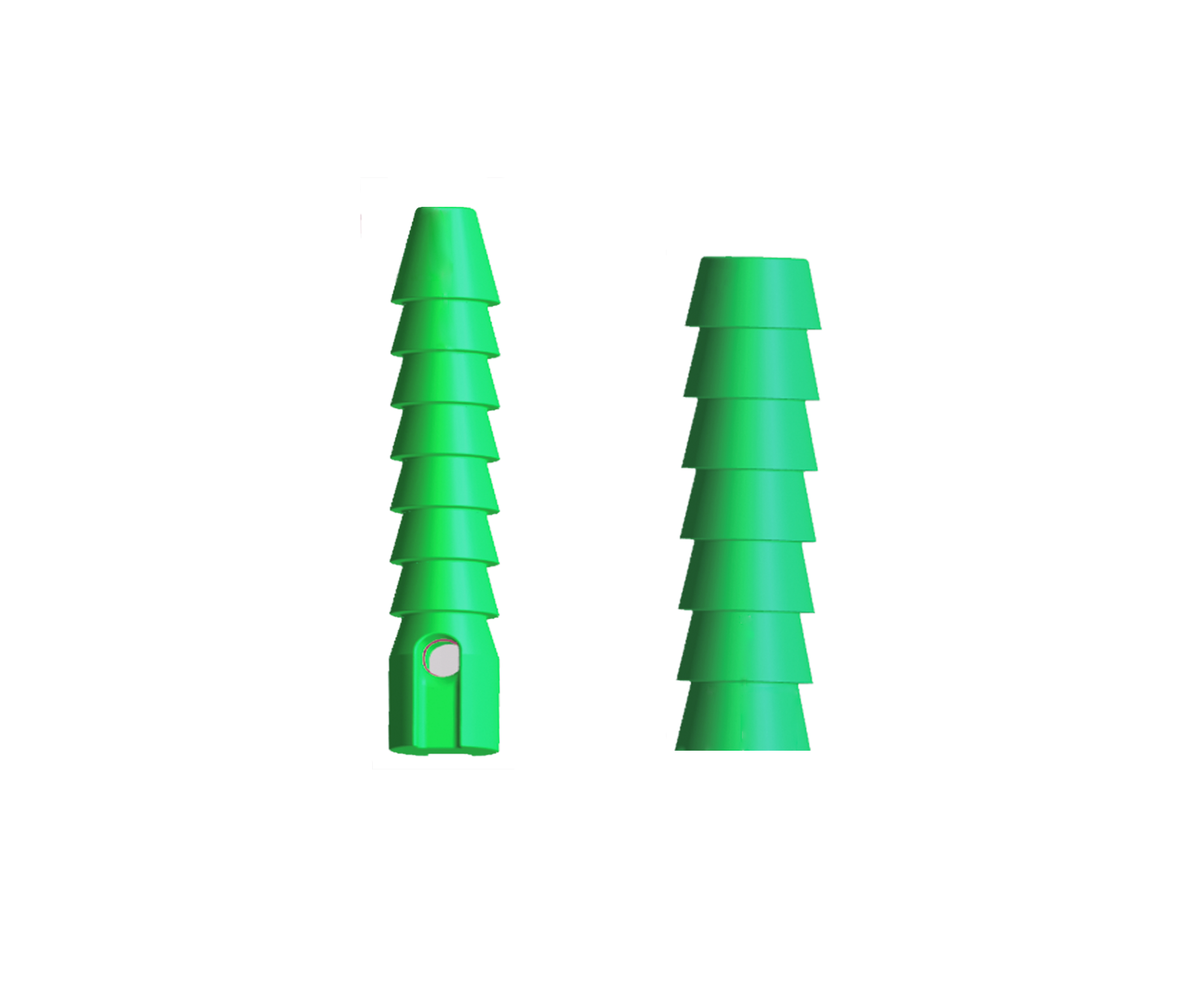
The corkscrew suture anchor represents a revolutionary advancement in orthopedic surgical fixation technology, designed to secure soft tissue to bone during repair procedures. This innovative medical device features a threaded,螺旋-shaped design that resembles a corkscrew, enabling surgeons to achieve superior fixation strength with minimal bone disruption. The corkscrew suture anchor operates by threading directly into bone tissue, creating a secure anchor point for suture attachment during rotator cuff repairs, labral reconstructions, and other soft tissue reattachment procedures. Its primary function involves providing stable fixation that withstands the mechanical forces encountered during healing and rehabilitation. The technological features of the corkscrew suture anchor include self-tapping threads that eliminate the need for pre-drilling in many applications, reducing surgical time and preserving valuable bone stock. The anchor's design incorporates an eyelet or suture-loading mechanism that allows surgeons to pass high-strength sutures through the device, creating a robust connection between damaged tissue and bone. Applications for the corkscrew suture anchor span multiple orthopedic specialties, including shoulder surgery for rotator cuff repair, hip procedures for labral fixation, and ankle stabilization surgeries. The device is manufactured from biocompatible materials such as titanium alloys or bioabsorbable polymers, ensuring compatibility with human tissue while providing the necessary mechanical strength. Surgeons value the corkscrew suture anchor for its reliable performance, ease of insertion, and ability to maintain fixation integrity throughout the critical healing period, making it an essential tool in modern orthopedic surgery.

New Product Recommendations

The corkscrew suture anchor delivers significant practical benefits that directly impact surgical outcomes and patient recovery. For surgeons and healthcare facilities, this device streamlines the surgical workflow by offering straightforward insertion without complex instrumentation or lengthy setup procedures. The self-tapping design means you can place the anchor quickly and confidently, reducing overall procedure time and associated costs. This efficiency translates to more procedures completed per day and improved resource utilization in busy surgical centers. From an operational standpoint, the corkscrew suture anchor provides exceptional pullout strength, ensuring that repaired tissues remain securely attached during the demanding early phases of healing. This reliability reduces the risk of fixation failure and subsequent revision surgeries, which benefits both patients and healthcare systems by lowering overall treatment costs. The anchor's versatility makes it suitable for various bone densities and anatomical locations, giving you flexibility across different patient populations and surgical scenarios. Whether working with younger patients who have dense bone or older patients with compromised bone quality, the corkscrew suture anchor adapts to your needs. The minimal bone removal required during insertion preserves structural integrity and leaves options available for future procedures if necessary. For surgical decision-makers evaluating fixation solutions, the corkscrew suture anchor offers proven performance backed by extensive clinical research and real-world application data. The device's biocompatible construction ensures patient safety while delivering the mechanical properties necessary for successful tissue healing. Healthcare providers appreciate the reduced learning curve associated with this intuitive design, allowing surgical teams to achieve consistent results regardless of experience level. The combination of strength, simplicity, and reliability makes the corkscrew suture anchor a value-driven choice that supports positive patient outcomes while maintaining cost-effectiveness.

Tips And Tricks

Application analysis of intramedullary nail system in ankle joint fusion

16

Dec

Application analysis of intramedullary nail system in ankle joint fusion

The evolution of orthopedic surgical techniques has brought significant advancements in treating complex ankle pathologies, particularly through the implementation of modern fixation systems. An intramedullary nail system represents a revolutionary a...
View More
U-shaped nail: technical advantage of ankle surgery

13

Jan

U-shaped nail: technical advantage of ankle surgery

Modern orthopedic surgery has witnessed remarkable advancement in fixation techniques, particularly in the treatment of complex ankle and distal tibial fractures. The distal tibial interlocking intramedullary nail represents a significant breakthroug...
View More
Evolution of Intervertebral Fusion Device Materials: Clinical Efficacy Comparison between PEEK and Titanium Alloy

13

Jan

Evolution of Intervertebral Fusion Device Materials: Clinical Efficacy Comparison between PEEK and Titanium Alloy

The advancement of spinal surgery has been significantly influenced by the development of sophisticated intervertebral fusion device technologies. Modern spine surgeons rely heavily on these devices to achieve successful fusion outcomes while minimiz...
View More
Treatment of osteomyelitis and tibial pseudarthrosis: The advantages of the Ilizarov frame

06

Mar

Treatment of osteomyelitis and tibial pseudarthrosis: The advantages of the Ilizarov frame

The treatment of complex orthopedic conditions such as osteomyelitis and tibial pseudarthrosis presents significant challenges that require innovative surgical approaches. Among the most effective solutions available to orthopedic surgeons today is t...
View More

Get a Free Quote

Our representative will contact you soon.
Email
Name
Company Name
Message
0/1000

corkscrew suture anchor

Superior Fixation Strength Through Advanced Thread Design

Superior Fixation Strength Through Advanced Thread Design

The corkscrew suture anchor features an engineered thread pattern that maximizes bone purchase and distributes mechanical loads evenly throughout the fixation site. This advanced design creates multiple points of contact with surrounding bone tissue, generating exceptional pullout resistance that withstands the considerable forces applied during rehabilitation exercises and daily activities. Unlike smooth-bodied anchors that rely primarily on friction, the threaded configuration of the corkscrew suture anchor mechanically interlocks with bone structure, creating a more secure and durable connection. The thread pitch and depth are carefully optimized to balance insertion ease with holding power, ensuring you achieve strong fixation without requiring excessive insertion torque that could damage delicate bone. This superior holding strength proves particularly valuable in challenging anatomical locations where bone quality may be compromised or where high mechanical demands are placed on the repair. Clinical studies consistently demonstrate that the corkscrew suture anchor maintains its position and integrity throughout the healing process, supporting successful tissue reattachment and reducing the likelihood of repair failure. For surgeons seeking dependable fixation solutions, this thread design represents a significant technological advantage that directly contributes to improved surgical outcomes and patient satisfaction.
Streamlined Surgical Technique With Self-Tapping Technology

Streamlined Surgical Technique With Self-Tapping Technology

The self-tapping capability of the corkscrew suture anchor transforms the insertion process by eliminating or minimizing the need for preliminary bone preparation steps. This innovative feature allows you to position and insert the anchor directly into bone using a simple rotational technique, significantly reducing surgical complexity and operative time. Traditional anchor systems often require careful drilling, tapping, or multiple preparatory steps that extend procedure duration and increase the risk of placement errors. The corkscrew suture anchor simplifies this process through its sharp, precisely machined threads that cut their own path as you advance the device into bone tissue. This self-tapping action provides tactile feedback during insertion, helping you confirm proper placement and achieve optimal seating depth. The streamlined technique reduces the number of instruments required in the surgical field, decreasing setup time and simplifying inventory management for surgical facilities. For less experienced surgeons, the intuitive insertion method reduces the learning curve and builds confidence in anchor placement accuracy. The time savings achieved through self-tapping technology accumulate across multiple procedures, improving operating room efficiency and allowing healthcare facilities to serve more patients effectively. This operational advantage combines with the anchor's reliable performance to deliver comprehensive value that extends beyond the immediate surgical procedure.
Versatile Material Options For Personalized Patient Care

Versatile Material Options For Personalized Patient Care

The corkscrew suture anchor is available in both permanent metallic and bioabsorbable material formulations, giving you the flexibility to select the most appropriate option based on patient-specific factors and clinical requirements. Titanium alloy versions provide permanent fixation with excellent biocompatibility and radiopacity, allowing clear visualization on postoperative imaging studies to confirm proper anchor position and monitor healing progress. These metal anchors offer maximum strength for high-demand applications and patients who require the strongest possible fixation. Alternatively, bioabsorbable corkscrew suture anchors gradually dissolve over time as natural bone remodeling occurs, eliminating the permanent presence of foreign material in the body. This option particularly appeals to younger, active patients who may face increased lifetime risk of requiring future procedures in the same anatomical area. The bioabsorbable materials maintain sufficient strength throughout the critical healing window before gradually transferring load to the regenerating bone-tissue interface. This material versatility ensures that you can tailor your fixation strategy to individual patient needs, surgical goals, and long-term treatment plans. The availability of different sizes and configurations further enhances adaptability across various anatomical sites and tissue types, making the corkscrew suture anchor a comprehensive solution for diverse surgical challenges in orthopedic practice.
logo