All Suture Anchor Solutions | Advanced Fixation

Get a Free Quote

Our representative will contact you soon.
Email
Name
Company Name
Message
0/1000

all suture anchor

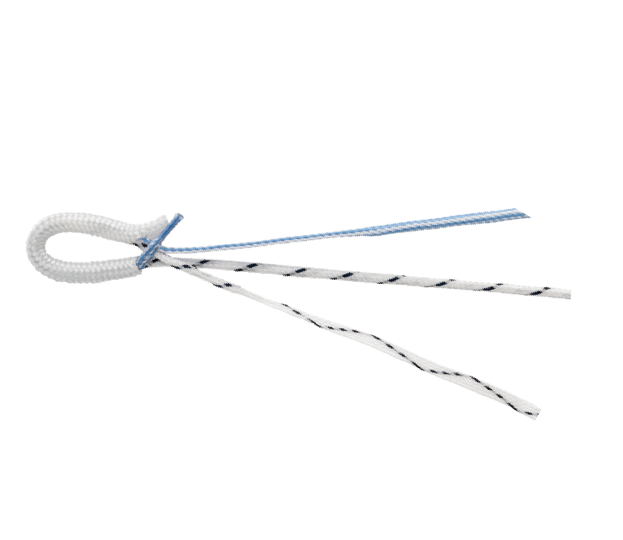
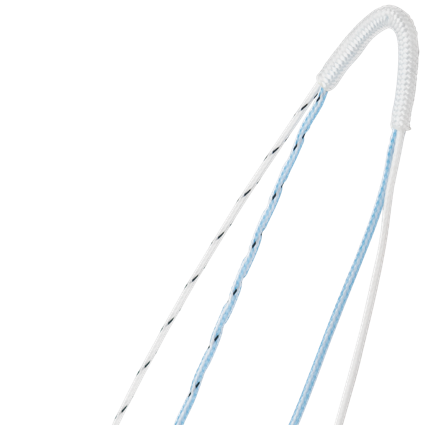
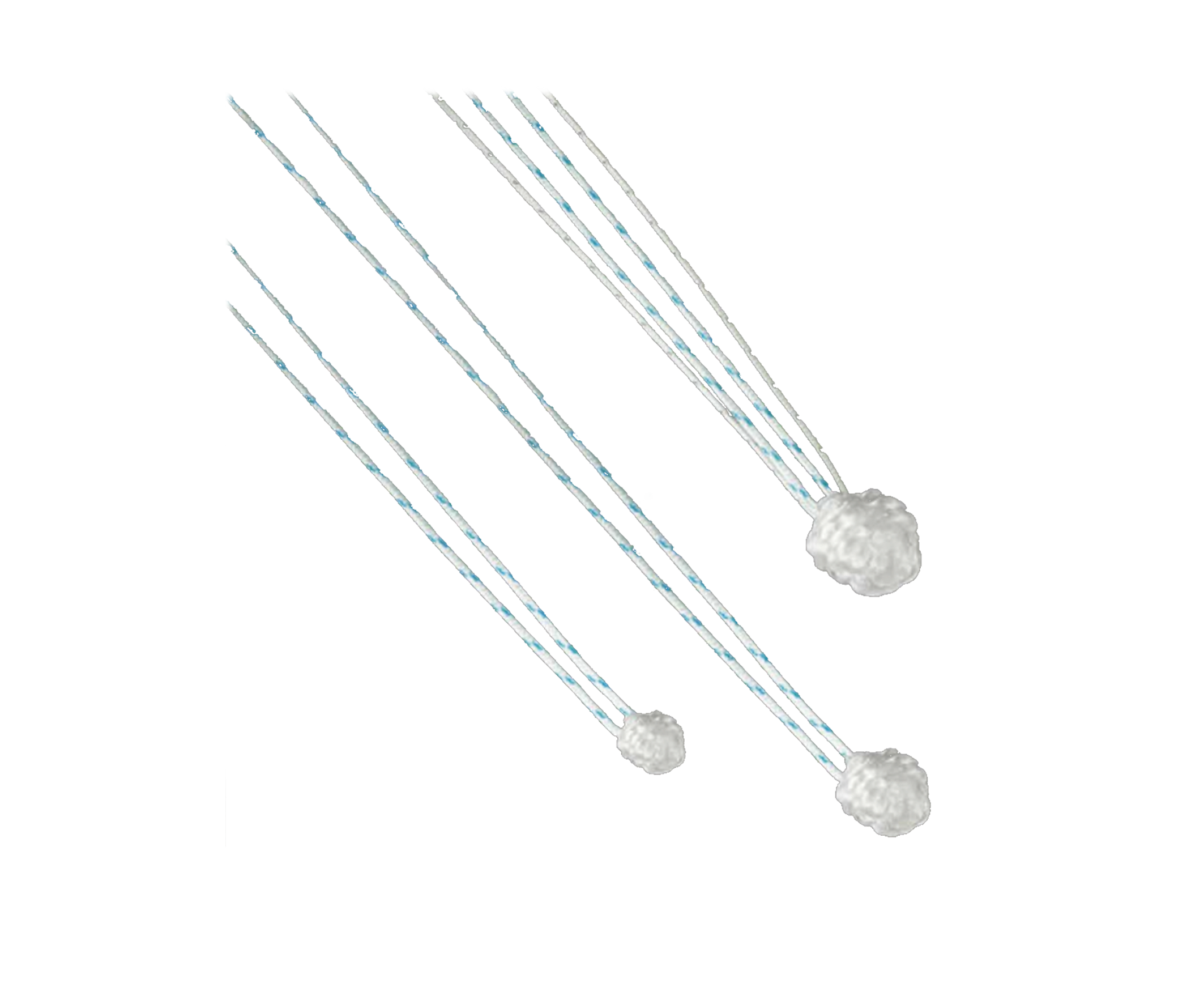
The all suture anchor represents a significant advancement in orthopedic and sports medicine procedures, offering surgeons a reliable solution for soft tissue repair and reattachment. This innovative medical device consists entirely of high-strength suture material without any rigid components, making it an ideal choice for bone fixation during arthroscopic and open surgical procedures. The all suture anchor is designed to secure tendons, ligaments, and other soft tissues to bone, particularly in shoulder rotator cuff repairs, labral reconstructions, and other joint stabilization surgeries. Its primary function involves creating a stable fixation point within bone while minimizing the implant footprint and preserving valuable bone stock. The technological features of the all suture anchor include its knotless or knotted deployment options, biocompatible suture construction, and unique insertion mechanism that allows for controlled placement through small arthroscopic portals. The device achieves secure fixation by expanding within the bone once deployed, creating a mechanical interlock that withstands physiological loading. Applications extend across multiple anatomical locations including the shoulder, hip, knee, elbow, and ankle, where surgeons require strong yet minimally invasive fixation solutions. The all suture anchor has become increasingly popular due to its versatility in addressing various pathologies while offering technical advantages that enhance surgical outcomes and patient recovery experiences.

New Product Releases

Choosing the all suture anchor delivers multiple practical benefits that directly impact surgical success and patient satisfaction. The primary advantage lies in bone preservation, as the all suture anchor requires significantly smaller drill holes compared to traditional anchors with rigid bodies, allowing surgeons to place multiple fixation points without compromising bone integrity or creating stress risers that could lead to fractures. This feature proves especially valuable in revision procedures where bone quality may be compromised or in younger patients where future surgical options must be preserved. The device offers superior ease of removal if necessary, eliminating the complications associated with extracting metal or rigid polymer anchors, which simplifies revision surgeries and reduces operative time. From an operational perspective, the all suture anchor provides excellent versatility with various suture configurations and tensioning options, enabling surgeons to customize repair constructs based on individual patient anatomy and tissue quality. The compact design facilitates placement in confined anatomical spaces where larger anchors cannot fit, expanding treatment possibilities for complex cases. Patients benefit from reduced postoperative discomfort because the all suture anchor eliminates hardware prominence under the skin, a common issue with traditional rigid anchors that can cause irritation and require secondary removal procedures. The biocompatible suture material minimizes inflammatory response and eliminates concerns about metal sensitivity or allergic reactions. Cost-effectiveness emerges through reduced complication rates, faster surgical times with streamlined insertion techniques, and decreased need for revision surgeries, making the all suture anchor a smart investment for healthcare facilities focused on delivering value-based care while maintaining excellent clinical outcomes.

Latest News

Cannulated Screw Types: Features and Benefits Explained

16

Dec

Cannulated Screw Types: Features and Benefits Explained

Orthopedic surgery has evolved significantly over the past decades, with advances in implant technology playing a crucial role in improving patient outcomes. Among these innovations, the cannulated screw stands out as a versatile and highly effective...
View More
The application advantages of modular braces in ankle fractures

11

Feb

The application advantages of modular braces in ankle fractures

Ankle fractures represent one of the most challenging orthopedic conditions, requiring precise stabilization and optimal healing conditions. Modern orthopedic treatment has evolved significantly with the introduction of advanced fixation systems, par...
View More
No need for secondary surgery: How does the self-lengthening intramedullary nail synchronize with bone development?

11

Feb

No need for secondary surgery: How does the self-lengthening intramedullary nail synchronize with bone development?

The evolution of pediatric orthopedic surgery has witnessed remarkable advancements in recent decades, with the telescopic intramedullary nail emerging as a groundbreaking solution for treating femoral shaft fractures in growing children. This innova...
View More
Treatment of osteomyelitis and tibial pseudarthrosis: The advantages of the Ilizarov frame

06

Mar

Treatment of osteomyelitis and tibial pseudarthrosis: The advantages of the Ilizarov frame

The treatment of complex orthopedic conditions such as osteomyelitis and tibial pseudarthrosis presents significant challenges that require innovative surgical approaches. Among the most effective solutions available to orthopedic surgeons today is t...
View More

Get a Free Quote

Our representative will contact you soon.
Email
Name
Company Name
Message
0/1000

all suture anchor

Minimal Bone Footprint Technology

Minimal Bone Footprint Technology

The all suture anchor features revolutionary minimal bone footprint technology that fundamentally changes how surgeons approach soft tissue fixation procedures. Unlike traditional anchors requiring large diameter holes that remove substantial bone volume, the all suture anchor needs only a small pilot hole for insertion, typically measuring just 2 to 3 millimeters in diameter. This reduced bone excavation preserves structural integrity and maintains bone density at the fixation site, which becomes critically important in patients with osteoporosis or compromised bone quality. The technology enables surgeons to position multiple all suture anchor devices in close proximity without risking bone bridge fractures between insertion points, a limitation that often restricts repair options with conventional anchors. This capability allows for stronger repairs using optimized fixation patterns that better distribute mechanical loads across the tissue-bone interface. Additionally, preserving bone stock proves invaluable during revision procedures, as adequate bone remains available for reimplantation if necessary. The minimal footprint design reduces surgical trauma, potentially accelerating healing timelines and improving early postoperative recovery. For active patients and athletes, this technology offers confidence that their bone structure remains largely intact, supporting long-term joint health and function while accommodating future treatment needs should they arise.
Enhanced Revision Surgery Capability

Enhanced Revision Surgery Capability

The all suture anchor excels in scenarios requiring revision procedures, offering unmatched advantages over traditional rigid anchor systems. When circumstances necessitate anchor removal or revision surgery, the all suture anchor can be extracted with minimal difficulty using simple arthroscopic techniques, often requiring only suture cutting and retrieval without bone excavation or specialized extraction instruments. This stands in stark contrast to metal or rigid polymer anchors, which frequently require aggressive drilling, specialized tools, and extensive bone removal that further compromises already weakened fixation sites. The ease of revision with the all suture anchor translates to shorter operative times, reduced surgical trauma, and lower complication risks during secondary procedures. Surgeons appreciate the flexibility to adjust repairs intraoperatively, as the all suture anchor can be repositioned or replaced if initial placement proves suboptimal, without leaving large bone voids that complicate subsequent attempts. This feature proves particularly valuable in complex anatomical reconstructions where precise anchor positioning determines repair success. Patients facing revision procedures benefit from reduced recovery times and better preservation of their native bone structure, maintaining options for future treatments. The revision-friendly nature of the all suture anchor provides both surgeons and patients with confidence that adaptability remains available throughout the treatment journey, supporting better long-term outcomes even when initial interventions require modification or enhancement based on healing response or changing patient needs.
Versatile Surgical Application Range

Versatile Surgical Application Range

The all suture anchor demonstrates exceptional versatility across diverse surgical specialties and anatomical locations, making it an indispensable tool in modern orthopedic practice. This adaptability stems from the device's compact profile and flexible suture construct, which accommodate the unique demands of various procedures ranging from rotator cuff repairs and labral reconstructions to ligament reattachments and capsular plication surgeries. Surgeons can deploy the all suture anchor effectively in both large joints like the shoulder and hip, where robust fixation handles significant biomechanical loads, and in smaller joints such as the elbow and ankle, where space constraints limit traditional anchor options. The device performs equally well in arthroscopic minimally invasive procedures and open surgical approaches, providing consistent fixation strength regardless of technique. Different suture configurations including single-loaded, double-loaded, and triple-loaded options allow customization based on tissue thickness, quality, and repair tension requirements. The all suture anchor accommodates various suture materials and diameters, enabling surgeons to select optimal combinations for specific tissue types and healing characteristics. This versatility extends to patient populations, as the all suture anchor suits young athletes requiring aggressive rehabilitation protocols, elderly patients with compromised bone quality needing gentle fixation methods, and everyone between. The broad application range consolidates inventory requirements for surgical facilities while ensuring surgeons have reliable fixation solutions readily available for unexpected intraoperative findings or complex cases requiring creative problem-solving approaches.
logo