Suture Anchor Implant: Advanced Fixation Solutions

Get a Free Quote

Our representative will contact you soon.
Email
Name
Company Name
Message
0/1000

suture anchor implant

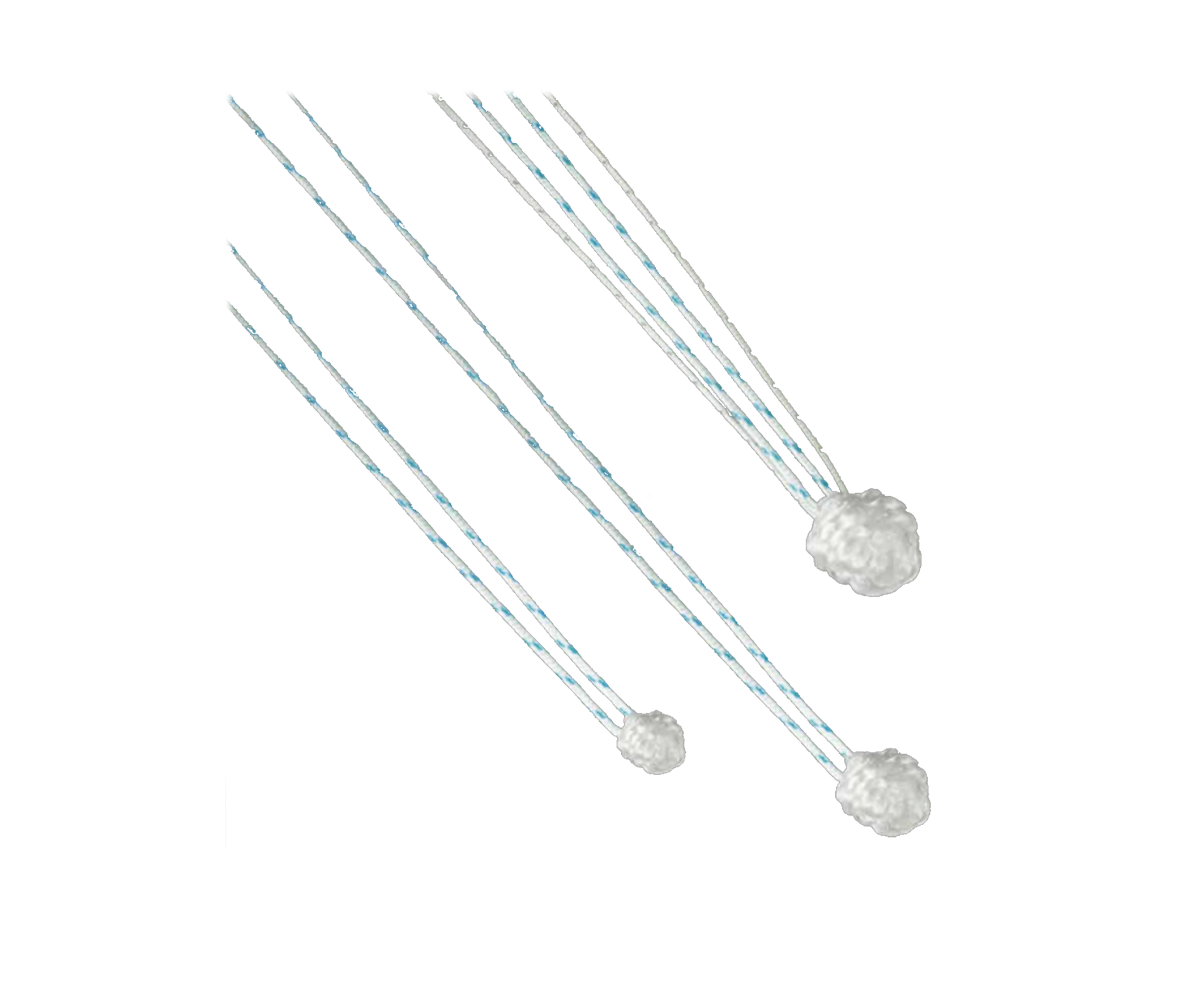
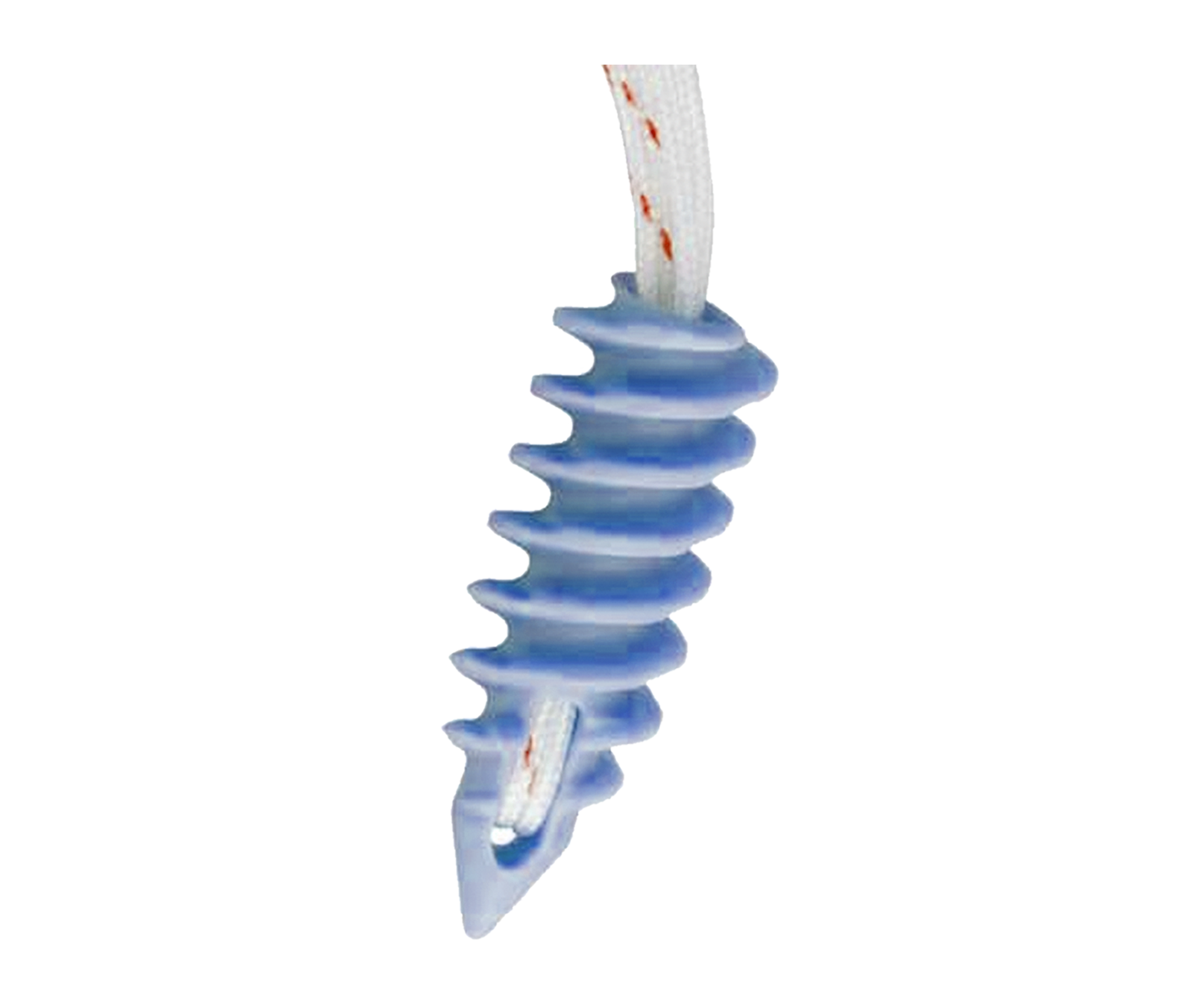
A suture anchor implant is a sophisticated orthopedic device designed to reattach soft tissue to bone during surgical procedures. This medical implant consists of a small anchor body made from biocompatible materials such as titanium alloy or bioabsorbable polymers, combined with high-strength sutures that secure torn tendons or ligaments back to their original bone insertion points. The suture anchor implant functions by providing a stable fixation point within the bone, eliminating the need for traditional bone tunnels or transosseous sutures. Modern suture anchor implant designs feature threaded or barbed surfaces that ensure reliable insertion and pullout resistance, while preloaded suture configurations streamline the surgical workflow. These devices are engineered with advanced biomechanical properties that distribute loads evenly across the bone-tissue interface, promoting optimal healing conditions. The suture anchor implant technology incorporates various deployment mechanisms, including screw-in designs, push-in systems, and knotless configurations that cater to different anatomical requirements and surgical preferences. Applications span multiple orthopedic specialties, with primary use in rotator cuff repairs, labral reconstructions, Achilles tendon reattachments, and anterior cruciate ligament procedures. The versatility of the suture anchor implant makes it indispensable in both open and arthroscopic surgeries, where minimally invasive approaches demand reliable fixation in confined spaces. Surgeons worldwide rely on these implants to restore musculoskeletal function and enable patients to return to active lifestyles following injury.

New Product Releases

The suture anchor implant delivers substantial value by simplifying complex surgical procedures while improving patient outcomes. Traditional fixation methods often require extensive bone preparation and longer operative times, but this device streamlines the process with single-step insertion techniques that reduce tissue trauma and minimize surgical complications. Patients benefit from smaller incisions, less postoperative pain, and faster recovery timelines compared to conventional repair methods. The operational advantage becomes evident in the operating room, where the suture anchor implant allows surgeons to work efficiently in tight anatomical spaces without compromising fixation strength. The preloaded suture configurations eliminate threading steps, cutting procedure time significantly and reducing anesthesia exposure for patients. From a durability perspective, these implants provide immediate fixation strength that withstands early rehabilitation protocols, allowing physical therapy to begin sooner and preventing muscle atrophy. Healthcare facilities appreciate the cost-effectiveness that comes from shorter operating times, reduced complication rates, and improved first-time success rates that minimize revision surgeries. The suture anchor implant suits diverse clinical scenarios, from acute sports injuries in young athletes to degenerative conditions in older populations, making it a versatile solution for varied patient demographics. Decision-makers evaluating fixation options will find that these implants offer predictable biomechanical performance backed by extensive clinical evidence and surgeon testimonials. The device compatibility with standard surgical instruments means minimal additional investment in specialized tools, while the learning curve remains manageable for surgeons transitioning from traditional techniques. Material choices between metallic and bioabsorbable options provide flexibility based on patient factors, imaging requirements, and long-term considerations, ensuring the suture anchor implant remains relevant across different clinical philosophies and treatment protocols.

Latest News

Cannulated Screw Types: Features and Benefits Explained

16

Dec

Cannulated Screw Types: Features and Benefits Explained

Orthopedic surgery has evolved significantly over the past decades, with advances in implant technology playing a crucial role in improving patient outcomes. Among these innovations, the cannulated screw stands out as a versatile and highly effective...
View More
Understanding Intramedullary Nail Complications

13

Jan

Understanding Intramedullary Nail Complications

Intramedullary nail complications represent a significant concern in orthopedic surgery, affecting patient outcomes and recovery timelines. These complications can arise during insertion, throughout the healing process, or during long-term implant re...
View More
Evolution of Intervertebral Fusion Device Materials: Clinical Efficacy Comparison between PEEK and Titanium Alloy

13

Jan

Evolution of Intervertebral Fusion Device Materials: Clinical Efficacy Comparison between PEEK and Titanium Alloy

The advancement of spinal surgery has been significantly influenced by the development of sophisticated intervertebral fusion device technologies. Modern spine surgeons rely heavily on these devices to achieve successful fusion outcomes while minimiz...
View More
No need for secondary surgery: How does the self-lengthening intramedullary nail synchronize with bone development?

11

Feb

No need for secondary surgery: How does the self-lengthening intramedullary nail synchronize with bone development?

The evolution of pediatric orthopedic surgery has witnessed remarkable advancements in recent decades, with the telescopic intramedullary nail emerging as a groundbreaking solution for treating femoral shaft fractures in growing children. This innova...
View More

Get a Free Quote

Our representative will contact you soon.
Email
Name
Company Name
Message
0/1000

suture anchor implant

Advanced Biomechanical Fixation Strength

Advanced Biomechanical Fixation Strength

The suture anchor implant incorporates engineering principles that maximize pullout resistance and load distribution across the bone-suture interface. Through precision-designed thread patterns or expansion mechanisms, these devices achieve primary stability immediately upon insertion, which proves critical during the vulnerable early healing phase when biological fixation has not yet occurred. The anchor geometry works in harmony with bone density variations, adapting to both strong cortical bone and softer cancellous regions to maintain consistent holding power. High-quality suture materials integrated into each suture anchor implant resist abrasion and maintain tensile strength throughout the healing period, preventing gap formation at the repair site that could compromise outcomes. This biomechanical superiority translates directly to clinical success, as secure fixation enables aggressive rehabilitation protocols that accelerate functional recovery. Surgeons gain confidence knowing the suture anchor implant will maintain tissue approximation despite physiological loads from daily activities, reducing anxiety about repair failure. For patients, this engineering excellence means lower re-tear rates and better long-term functional scores, justifying the investment in quality fixation technology that supports their return to work, sports, and recreational activities.
Minimally Invasive Surgical Compatibility

Minimally Invasive Surgical Compatibility

The compact profile and streamlined insertion technique of the suture anchor implant make it ideally suited for arthroscopic and minimally invasive surgical approaches that dominate modern orthopedic practice. These devices pass through small portals and cannulated instruments, allowing surgeons to perform complex repairs through incisions measuring just millimeters rather than centimeters. The reduced surgical exposure minimizes soft tissue disruption, preserves blood supply to healing tissues, and decreases postoperative scarring that can limit range of motion. Patients experience less pain immediately following surgery because nerve endings and muscle fibers remain largely undisturbed compared to open procedures requiring extensive dissection. The suture anchor implant design accommodates various insertion angles and working spaces, providing surgical flexibility in challenging anatomical locations like the posterior shoulder or deep hip joint. Deployment mechanisms require minimal force, reducing the risk of bone fracture during insertion, particularly important when working with osteoporotic bone in elderly patients. The visibility advantages of arthroscopic techniques combine with reliable suture anchor implant fixation to improve repair accuracy, as surgeons directly visualize tissue positioning before final tensioning. This minimally invasive compatibility represents a significant value proposition for ambulatory surgery centers and hospitals prioritizing same-day discharge protocols and enhanced patient satisfaction scores.
Material Versatility and Biocompatibility Options

Material Versatility and Biocompatibility Options

Modern suture anchor implant systems offer material choices that align with specific clinical scenarios and surgeon preferences, including permanent metallic constructs and resorbable polymer alternatives. Titanium alloy versions provide permanent strength and excellent imaging characteristics on radiographs, allowing long-term monitoring of implant position without artifact issues that complicate assessment. These non-absorbable suture anchor implant options suit younger, active patients where maximum long-term strength takes priority and permanent hardware presents no concerns. Alternatively, bioabsorbable suture anchor implant designs manufactured from polylactic acid or similar polymers gradually resorb over months to years, eliminating foreign material while natural bone remodeling occurs. This absorption process reduces concerns about hardware interference in revision surgeries and eliminates stress shielding effects that can weaken surrounding bone. The biocompatibility of both material categories ensures minimal inflammatory response and optimal tissue integration, supporting rather than hindering the biological healing cascade. Surface treatments and coatings enhance osseointegration, encouraging bone ingrowth that reinforces fixation over time. For pediatric applications or patients requiring future magnetic resonance imaging, material selection becomes particularly important, and the suture anchor implant range accommodates these special considerations. This material versatility empowers surgeons to personalize treatment plans based on individual patient factors, comorbidities, and lifestyle demands rather than accepting one-size-fits-all solutions.
logo