spine medical devices
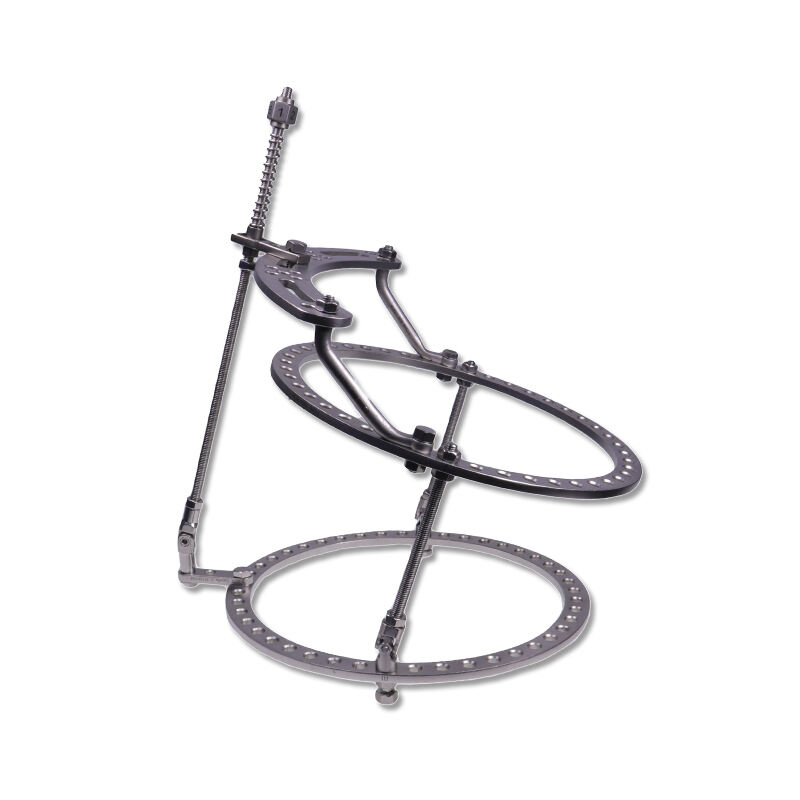
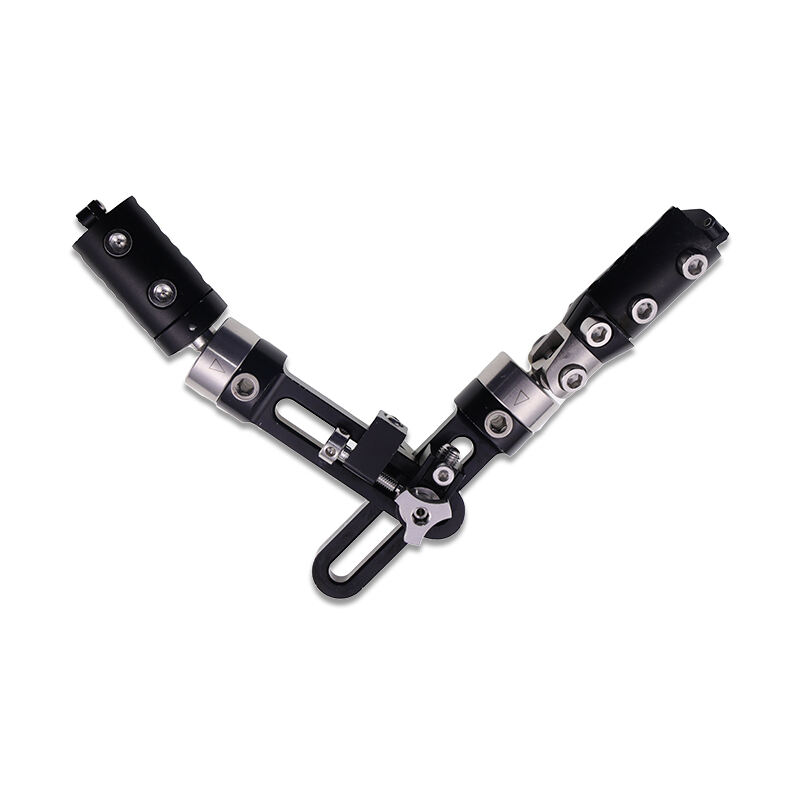
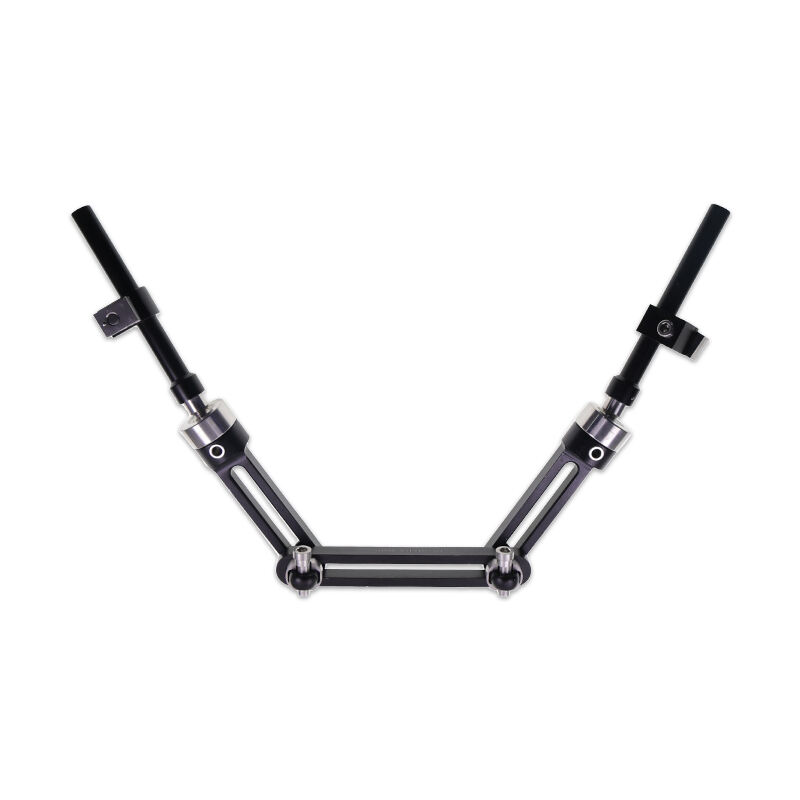
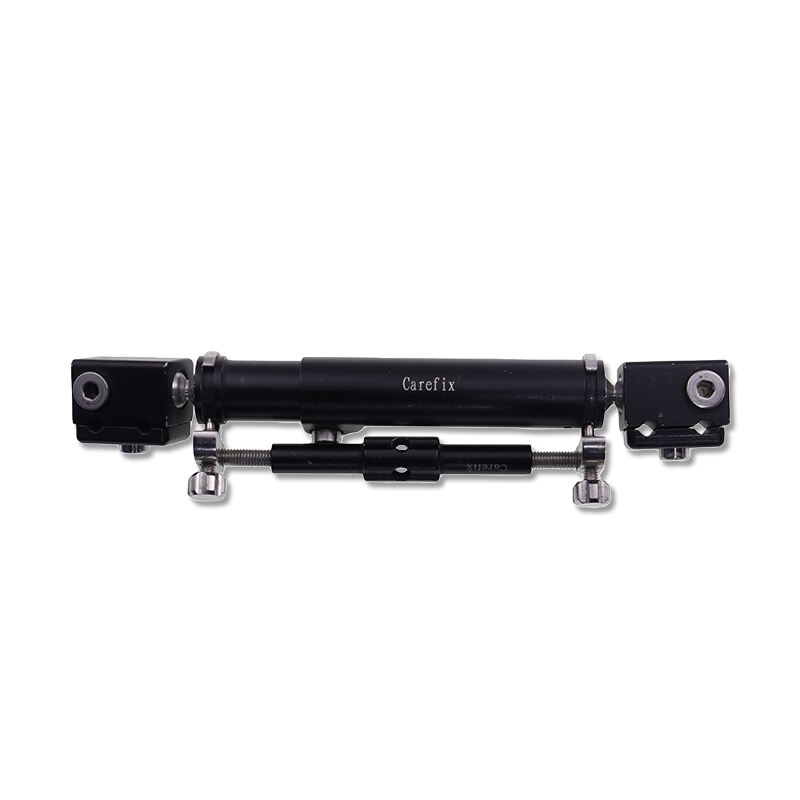
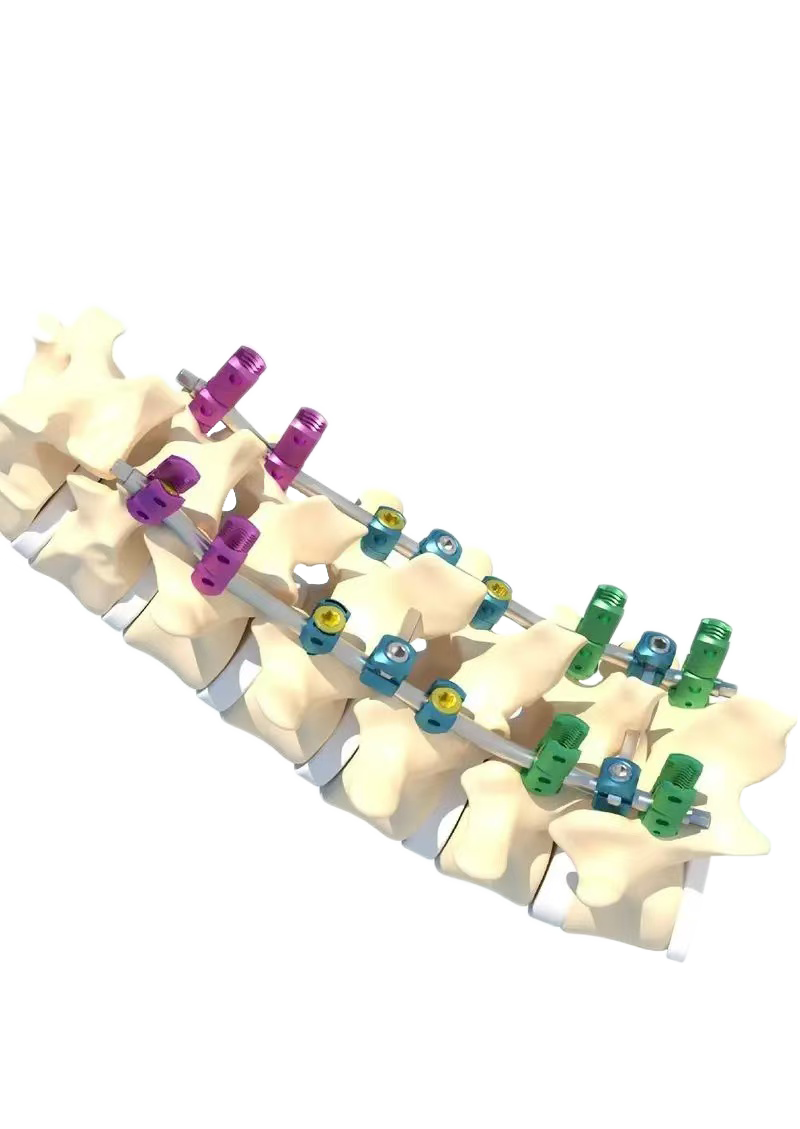
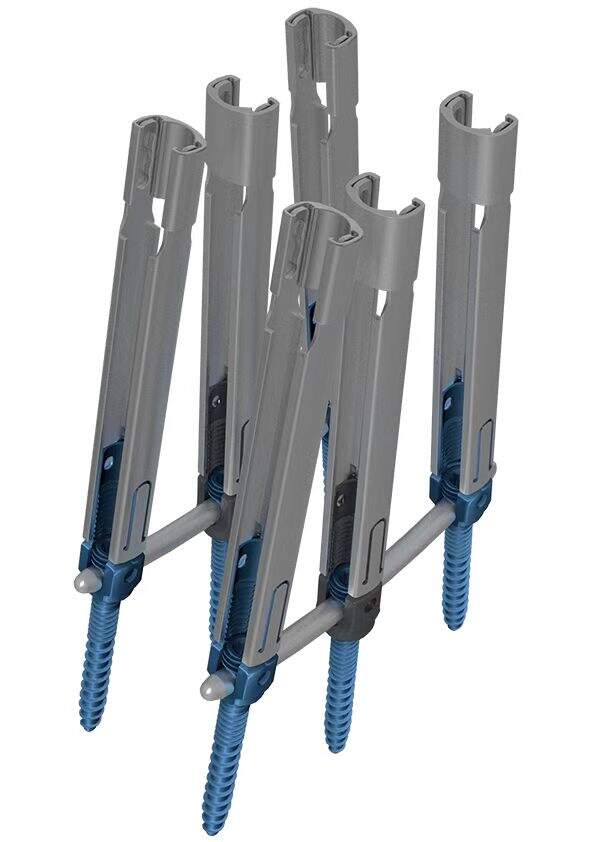
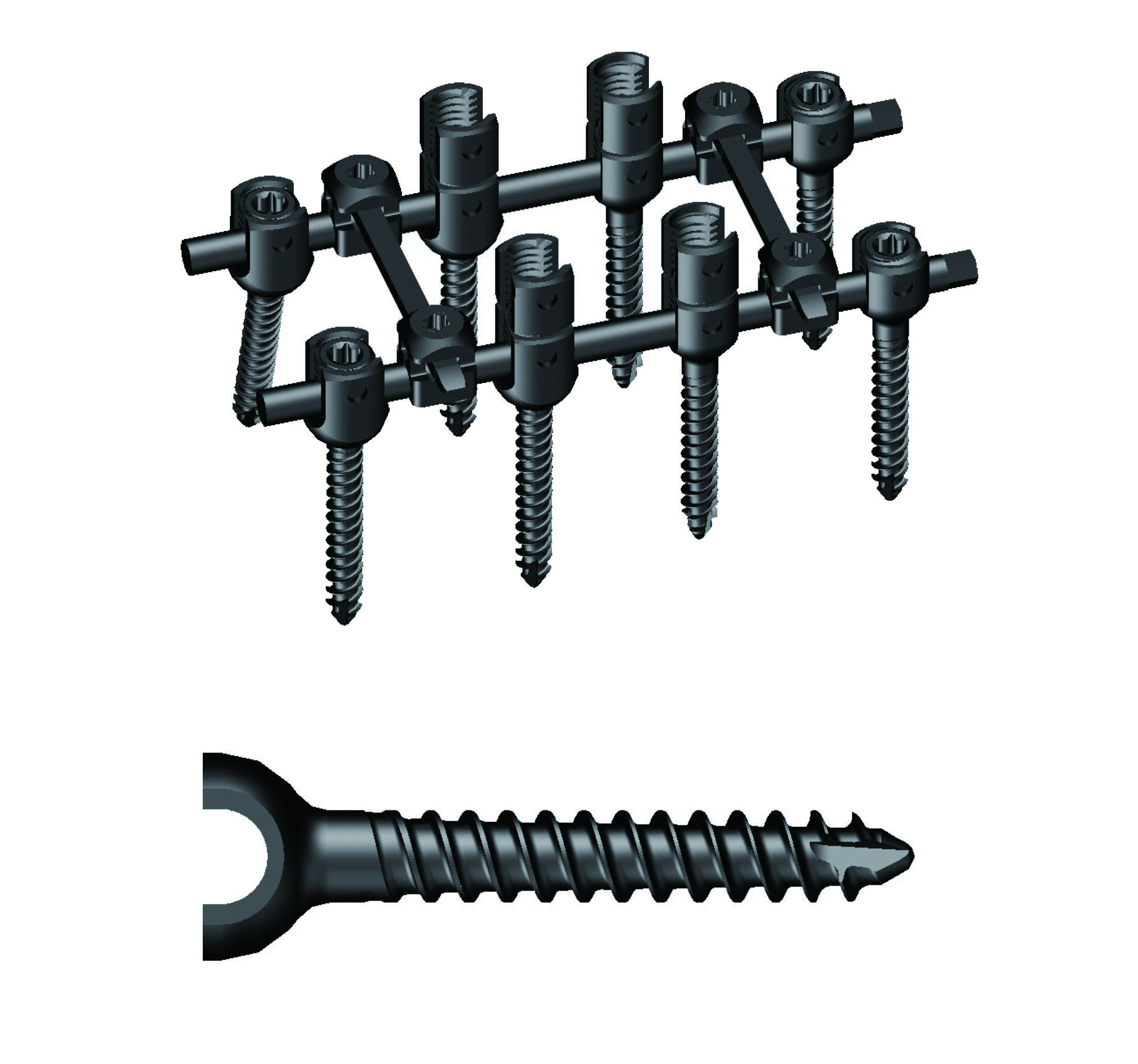
Spine medical devices represent a comprehensive range of specialized surgical instruments and implants designed to treat various spinal disorders and conditions. These advanced medical solutions encompass spinal fusion systems, artificial disc replacements, vertebral compression fracture treatment devices, spinal decompression tools, and minimally invasive surgical instruments. Spine medical devices serve critical functions in stabilizing the vertebral column, correcting deformities, alleviating chronic pain, and restoring mobility for patients suffering from degenerative disc disease, scoliosis, herniated discs, spinal stenosis, and traumatic injuries. The technological features of modern spine medical devices include biocompatible materials such as titanium alloys and PEEK polymers, anatomically contoured designs for optimal fit, porous surfaces that encourage bone integration, and radiolucent properties for clear post-operative imaging. Many contemporary spine medical devices incorporate three-dimensional printing technology for patient-specific implants, navigation-assisted surgical planning capabilities, and modular component systems that allow surgeons to customize treatment approaches. Applications of spine medical devices extend across multiple medical specialties, including orthopedic surgery, neurosurgery, and interventional pain management. These devices facilitate procedures ranging from anterior and posterior lumbar interbody fusion to cervical disc arthroplasty and vertebroplasty. The continuous innovation in spine medical devices has significantly improved surgical outcomes, reduced recovery times, and enhanced the quality of life for millions of patients worldwide suffering from debilitating spinal conditions.
 EN
EN