lumbar fusion cage
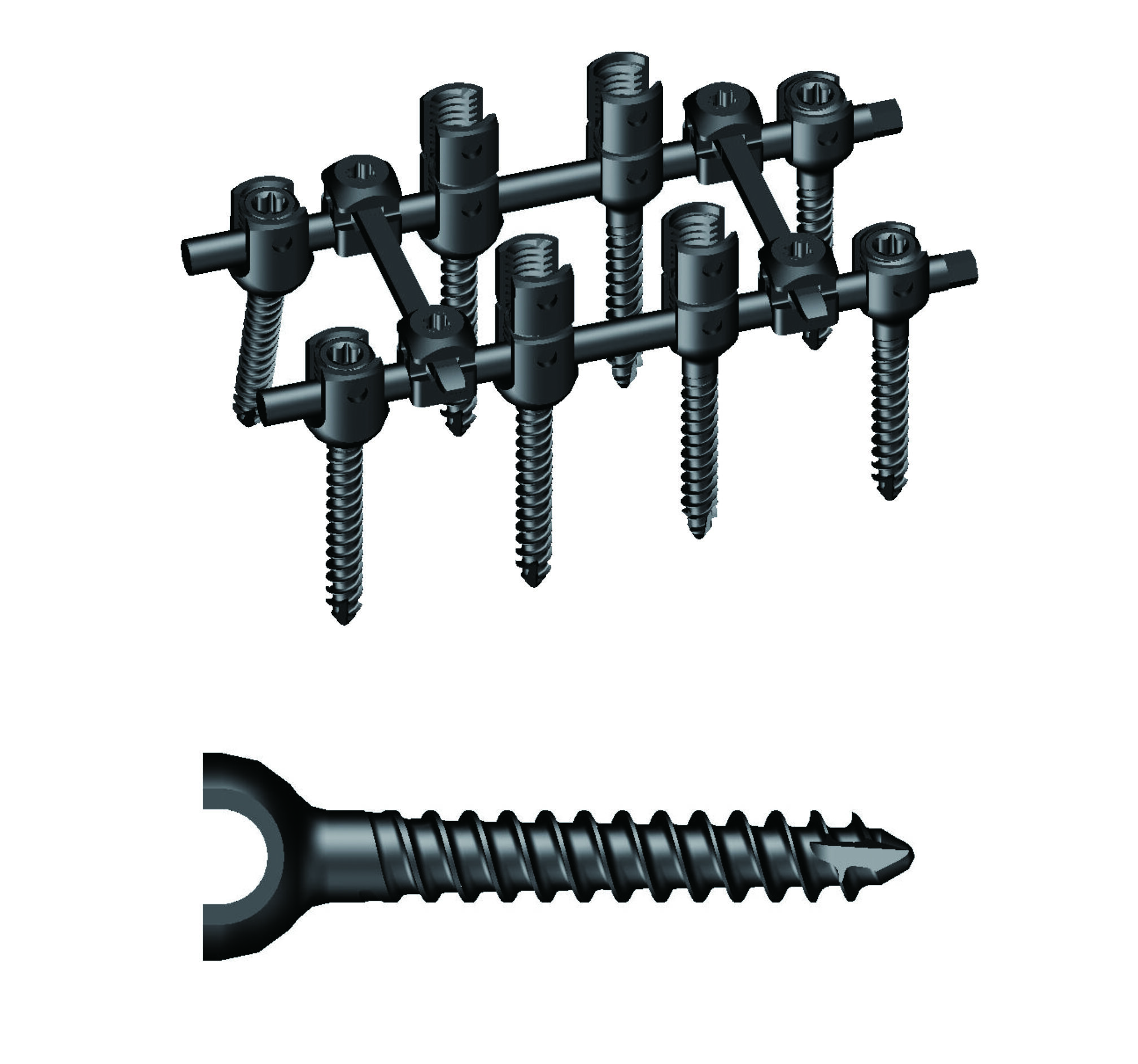
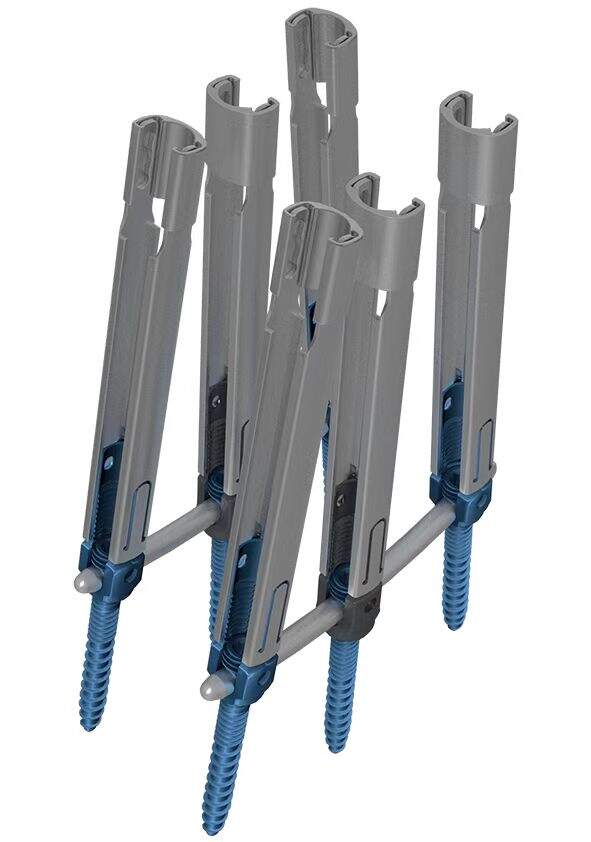
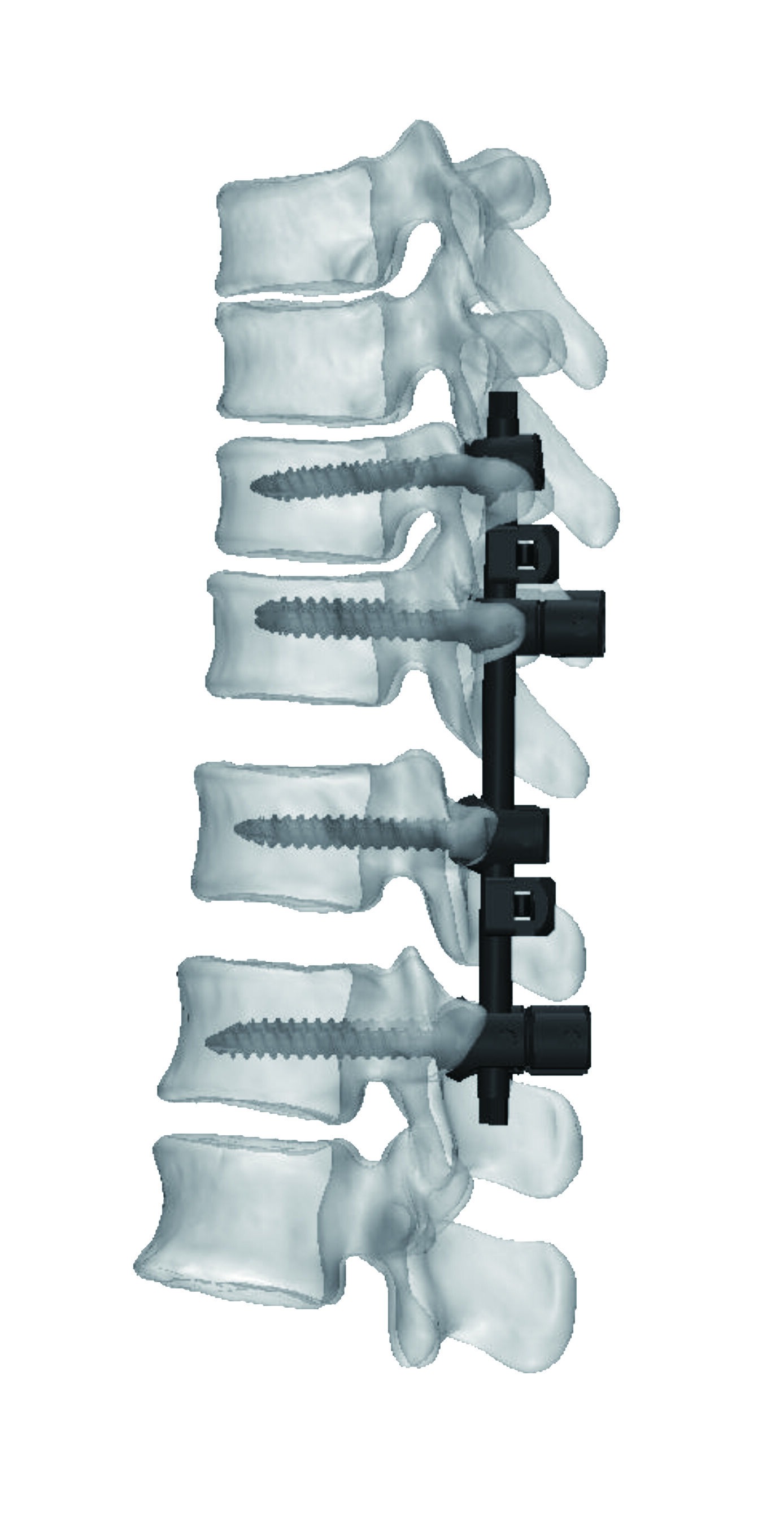
A lumbar fusion cage is a specialized medical implant designed to stabilize and support the lower spine during spinal fusion surgery. This critical orthopedic device serves as a structural spacer inserted between vertebrae in the lumbar region, replacing damaged or degenerated intervertebral discs. The primary function of the lumbar fusion cage is to maintain proper disc height, restore spinal alignment, and create an optimal environment for bone growth that ultimately fuses adjacent vertebrae together. Manufactured from biocompatible materials such as titanium alloy, PEEK polymer, or porous tantalum, these devices feature advanced designs that promote osseointegration and long-term stability. The technological features of modern lumbar fusion cages include anatomically contoured shapes, porous surface structures, and strategically placed openings that facilitate bone graft packing and vascular ingrowth. Many designs incorporate radiographic markers for post-operative imaging verification and self-locking mechanisms that prevent migration after implantation. Applications of the lumbar fusion cage span various spinal conditions including degenerative disc disease, spondylolisthesis, spinal stenosis, and traumatic vertebral injuries. Surgeons utilize these implants through different surgical approaches including posterior lumbar interbody fusion, transforaminal lumbar interbody fusion, anterior lumbar interbody fusion, and lateral interbody fusion techniques. The versatility of cage designs allows customization based on patient anatomy, surgical approach, and specific pathology, making them essential tools in contemporary spine surgery for restoring function and alleviating chronic lower back pain.
 EN
EN