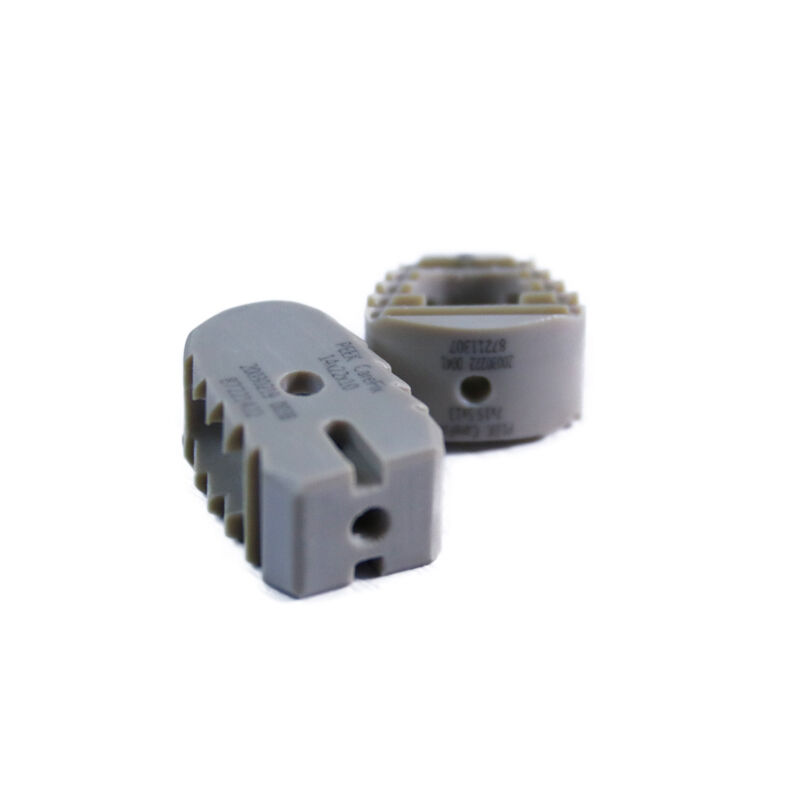
Spinal Surgery Instruments: Precision Tools

Get a Free Quote

Our representative will contact you soon.
Email
Name
Company Name
Message
0/1000

spinal surgery instruments

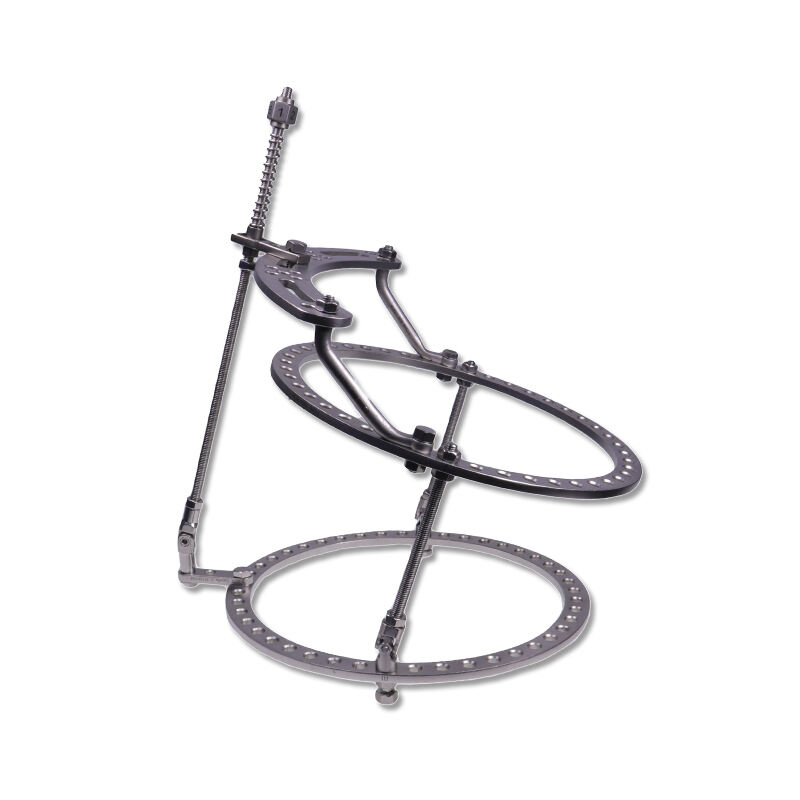
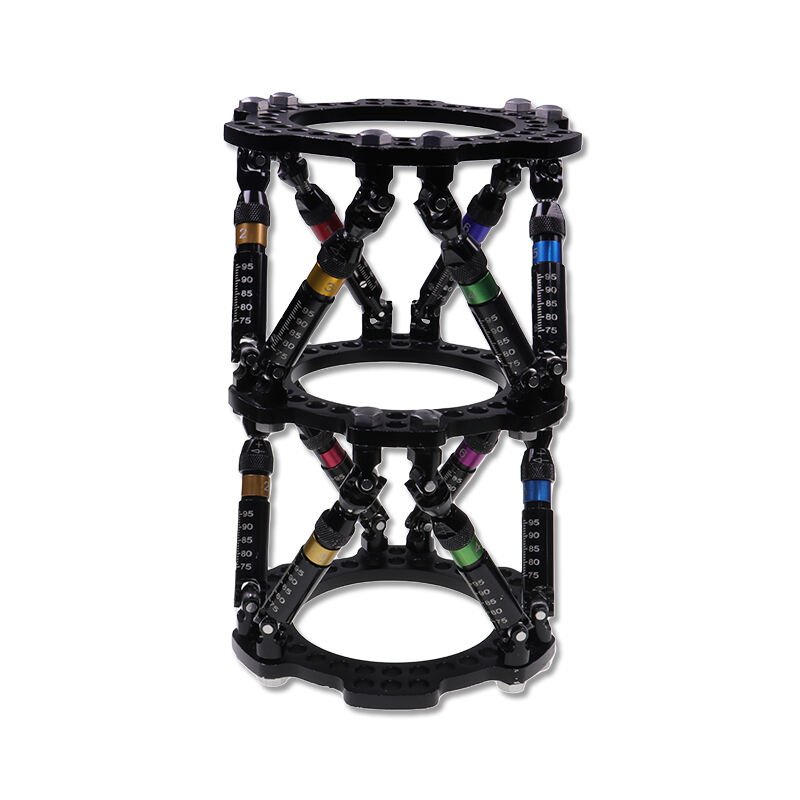
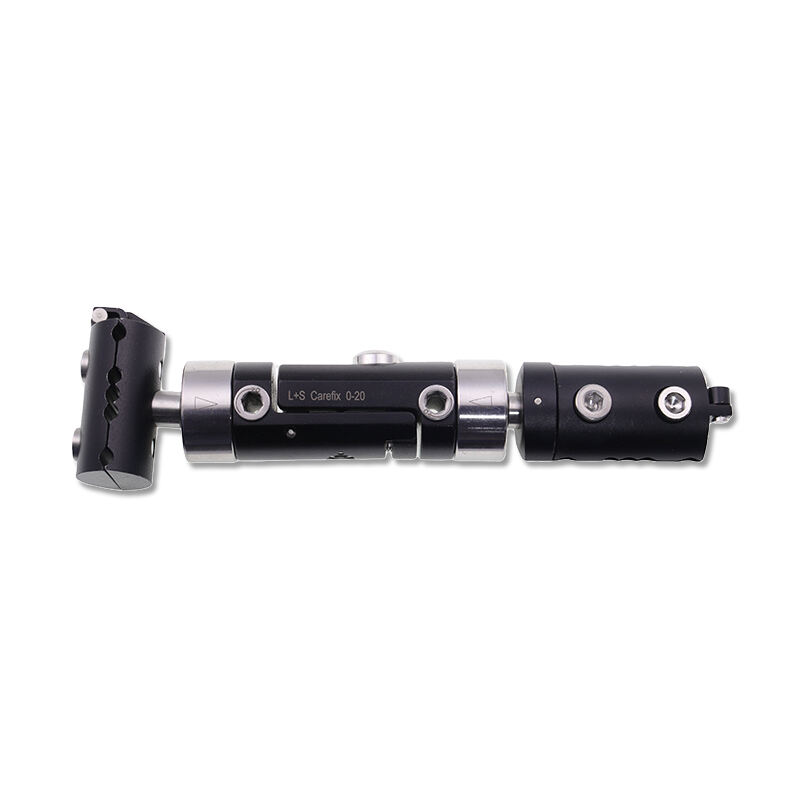
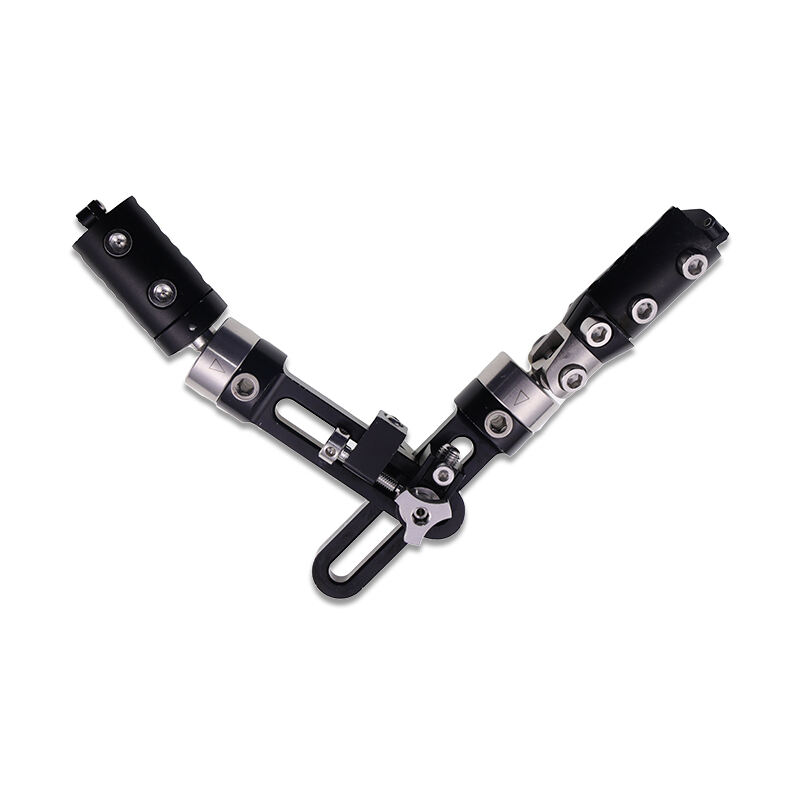
Spinal surgery instruments are specialized medical tools designed to assist surgeons in performing complex procedures on the vertebral column and surrounding structures. These precision-engineered devices enable healthcare professionals to address various spinal conditions, including degenerative disc disease, spinal stenosis, herniated discs, scoliosis, and traumatic injuries. Modern spinal surgery instruments encompass a comprehensive range of equipment such as retractors, forceps, rongeurs, curettes, bone grafting tools, screw insertion systems, and specialized implant delivery devices. The technological advancement of these instruments has revolutionized spinal procedures by incorporating features like ergonomic handles for reduced surgeon fatigue, enhanced visualization capabilities, and improved biomechanical design. Many contemporary spinal surgery instruments utilize materials such as surgical-grade stainless steel and titanium alloys that offer superior strength, corrosion resistance, and biocompatibility. These tools are essential for both minimally invasive and open surgical approaches, supporting procedures ranging from simple discectomies to complex multi-level fusion surgeries. The primary applications include decompression procedures to relieve nerve pressure, stabilization techniques using rods and screws, and corrective surgeries for spinal deformities. Advanced spinal surgery instruments also integrate with navigation systems and imaging technologies, allowing for precise placement and reduced surgical complications. The evolution of these instruments continues to focus on improving surgical outcomes, reducing operative time, minimizing tissue trauma, and enhancing patient recovery. With proper sterilization protocols and maintenance, spinal surgery instruments maintain their functionality and reliability across numerous procedures, making them indispensable assets in modern orthopedic and neurosurgical operating rooms worldwide.

New Products

Choosing high-quality spinal surgery instruments delivers significant practical benefits that directly impact surgical outcomes and operational efficiency. These specialized tools provide surgeons with enhanced precision during delicate procedures, allowing for accurate tissue manipulation while minimizing damage to surrounding nerves and blood vessels. The improved control offered by well-designed spinal surgery instruments translates to shorter operative times, which reduces patient exposure to anesthesia and lowers infection risks. Medical facilities benefit from the durability of premium instruments, as they withstand repeated sterilization cycles without degrading, resulting in lower replacement costs over time. The ergonomic design of modern spinal surgery instruments reduces hand fatigue during lengthy procedures, enabling surgeons to maintain steady technique throughout complex operations. This directly contributes to better patient outcomes and fewer complications. Facilities investing in comprehensive sets of spinal surgery instruments can handle a broader range of cases without delays, improving scheduling flexibility and patient throughput. The versatility of these instruments across multiple procedure types maximizes their utilization value, making them cost-effective additions to surgical inventories. Many spinal surgery instruments feature intuitive designs that reduce the learning curve for surgical teams, facilitating faster adoption and consistent technique across different practitioners. The compatibility of standardized instruments with various implant systems provides flexibility in surgical planning and reduces inventory complexity. For healthcare administrators, reliable spinal surgery instruments contribute to better quality metrics and patient satisfaction scores, which are increasingly tied to reimbursement rates. The investment in superior instruments also supports institutional reputation, attracting top surgical talent and patient referrals. From a risk management perspective, dependable spinal surgery instruments reduce the likelihood of equipment-related complications that could lead to liability issues. The clear return on investment comes from combining improved clinical outcomes with operational efficiencies that enhance the overall value proposition for surgical departments.

Tips And Tricks

Cannulated Screw Types: Features and Benefits Explained

16

Dec

Cannulated Screw Types: Features and Benefits Explained

Orthopedic surgery has evolved significantly over the past decades, with advances in implant technology playing a crucial role in improving patient outcomes. Among these innovations, the cannulated screw stands out as a versatile and highly effective...
View More
HTO Locking Plate: A Precise and Stable Solution for High Knee Joint Osteotomy

13

Jan

HTO Locking Plate: A Precise and Stable Solution for High Knee Joint Osteotomy

High tibial osteotomy represents one of the most effective surgical interventions for treating knee joint disorders, particularly those involving medial compartment osteoarthritis and varus deformity correction. The success of this procedure largely ...
View More
Finite Element Optimization Design and Biomechanical Validation of Personalized IM Nails

11

Feb

Finite Element Optimization Design and Biomechanical Validation of Personalized IM Nails

The evolution of orthopedic trauma surgery has reached a pivotal moment with the emergence of personalized IM nails that revolutionize fracture treatment approaches. Advanced computational modeling and finite element analysis have enabled surgeons to...
View More
Ankle internal fixation system: Advantages of ankle locking plate in the treatment of complex fractures

06

Mar

Ankle internal fixation system: Advantages of ankle locking plate in the treatment of complex fractures

Complex ankle fractures represent one of the most challenging orthopedic injuries, requiring precise surgical intervention and advanced fixation techniques to restore optimal function and stability. The ankle locking plate has emerged as a revolution...
View More

Get a Free Quote

Our representative will contact you soon.
Email
Name
Company Name
Message
0/1000

spinal surgery instruments

Precision Engineering for Complex Anatomical Access

Precision Engineering for Complex Anatomical Access

The design excellence of spinal surgery instruments focuses on providing surgeons with optimal access to challenging anatomical regions while preserving tissue integrity. These instruments feature carefully calculated angles, lengths, and tip configurations that correspond to the unique geometry of vertebral structures. Retractor systems incorporate self-retaining mechanisms that maintain consistent exposure without requiring constant manual tension, freeing surgical assistants for other critical tasks. The surface textures on grasping instruments provide secure tissue handling without excessive compression that could cause trauma. Many spinal surgery instruments include depth markers and measurement references that enable precise placement of implants and accurate assessment of surgical progress. The slender profiles of minimally invasive instruments allow for passage through smaller incisions while maintaining structural rigidity necessary for controlled manipulation. Advanced manufacturing techniques ensure consistent quality across instrument sets, eliminating variability that could affect surgical technique. The balanced weight distribution in handheld spinal surgery instruments reduces tremor transmission and improves tactile feedback, allowing surgeons to detect subtle changes in tissue resistance. These engineering considerations combine to create tools that extend the surgeon's capabilities, enabling procedures that would be significantly more challenging with standard surgical instruments. The result is enhanced safety margins, reduced complication rates, and better functional outcomes for patients undergoing spinal procedures.
Material Science Innovation for Longevity and Biocompatibility

Material Science Innovation for Longevity and Biocompatibility

Modern spinal surgery instruments leverage advanced metallurgy and material science to deliver exceptional performance characteristics that benefit both healthcare providers and patients. The use of surgical-grade stainless steel alloys provides the ideal combination of hardness for edge retention, flexibility to prevent breakage, and corrosion resistance that withstands aggressive sterilization protocols. Titanium components in certain spinal surgery instruments offer superior strength-to-weight ratios, reducing surgeon fatigue during extended procedures while maintaining the structural integrity needed for demanding applications. Surface treatments such as passivation and specialized coatings enhance the natural oxide layers on instruments, further improving their resistance to pitting and staining from repeated exposure to biological fluids and cleaning agents. The non-magnetic properties of select materials used in spinal surgery instruments ensure compatibility with intraoperative imaging systems, including MRI and CT-based navigation technologies that guide implant placement. Biocompatible materials eliminate concerns about allergic reactions or adverse tissue responses in the unlikely event of instrument fragment retention. The dimensional stability of premium materials means that spinal surgery instruments maintain their precise tolerances through hundreds of sterilization cycles, preserving their functional accuracy throughout their service life. This material durability translates directly to cost savings by extending replacement intervals and reducing the frequency of instrument set replenishment. Healthcare facilities can rely on consistent instrument performance, which supports standardized surgical protocols and predictable procedural outcomes across their surgical volume.
Comprehensive System Integration for Streamlined Workflows

Comprehensive System Integration for Streamlined Workflows

Contemporary spinal surgery instruments are designed as integrated systems that work cohesively to support efficient surgical workflows from initial exposure through final closure. These coordinated instrument sets include all necessary tools for specific procedure types, eliminating the time waste and confusion associated with assembling components from disparate sources. The standardization of connection interfaces among spinal surgery instruments allows seamless attachment of handles, extensions, and specialized tips, providing flexibility to adapt to intraoperative findings without breaking surgical sterility. Color-coding and clear identification markings on instruments facilitate rapid selection by surgical technicians, reducing handoff delays and maintaining procedural momentum. Many spinal surgery instruments feature modular designs that allow facilities to customize sets based on their case mix and surgeon preferences while maintaining compatibility across the platform. The organizational systems designed for these instruments, including specialized trays and storage solutions, protect the tools from damage while supporting efficient sterilization processing and inventory management. Integration with digital tracking systems enables healthcare facilities to monitor instrument utilization, schedule preventive maintenance, and ensure compliance with regulatory requirements. The systematic approach to spinal surgery instruments extends to training materials and surgical technique guides that help surgical teams optimize their use of each tool. This comprehensive ecosystem approach reduces cognitive load on surgical staff, allowing them to focus on patient care rather than equipment logistics, ultimately contributing to safer and more efficient spinal procedures.
logo