Spinal Fixation System: Advanced Solutions

Get a Free Quote

Our representative will contact you soon.
Email
Name
Company Name
Message
0/1000

spinal fixation system

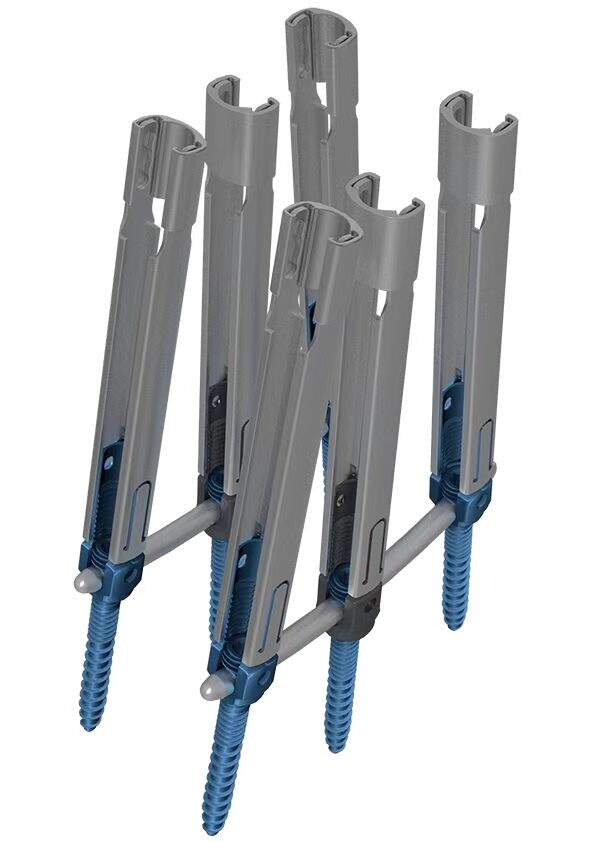
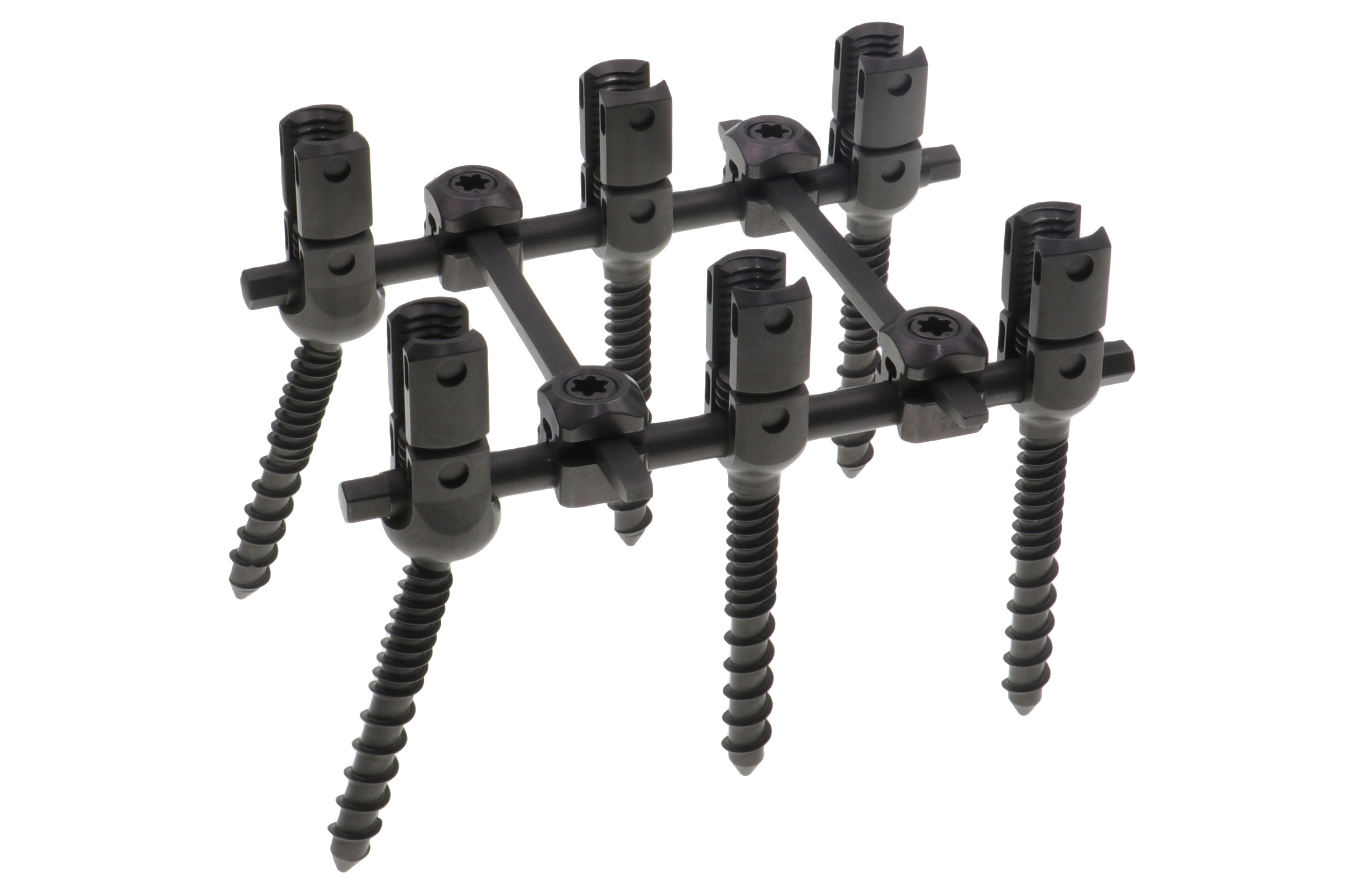
A spinal fixation system is an advanced surgical solution designed to stabilize and support the spine during treatment of various spinal disorders and injuries. This medical device system consists of multiple components including screws, rods, plates, hooks, and connectors that work together to immobilize vertebral segments and promote proper healing. The spinal fixation system serves as a critical tool for orthopedic and neurosurgeons when addressing conditions such as degenerative disc disease, spinal fractures, scoliosis, spondylolisthesis, and spinal tumors. The primary function of a spinal fixation system is to provide immediate mechanical stability to the affected spinal segments while the body's natural healing processes take place. Modern spinal fixation systems incorporate sophisticated technological features including polyaxial screw designs that allow multi-directional adjustment, low-profile implant configurations that minimize soft tissue irritation, and anatomically contoured components that conform to natural spinal curvature. These systems utilize biocompatible materials such as titanium alloys and stainless steel that offer exceptional strength-to-weight ratios and corrosion resistance. Applications of the spinal fixation system span across various surgical approaches including posterior, anterior, and lateral techniques, making them versatile solutions for different spinal pathologies. The instrumentation is designed to accommodate minimally invasive surgical procedures as well as traditional open surgeries, providing surgeons with flexibility in treatment planning and execution based on individual patient needs and anatomical considerations.

Popular Products

The spinal fixation system delivers substantial practical benefits that directly impact patient outcomes and surgical efficiency. For healthcare facilities and surgeons, these systems offer reliable performance that reduces operative time through streamlined instrumentation and intuitive assembly processes. The precision-engineered components ensure consistent placement accuracy, which minimizes the risk of revision surgery and associated costs. Patients benefit from improved postoperative stability that accelerates rehabilitation timelines and enables earlier return to daily activities. The robust construction of the spinal fixation system provides long-term durability, ensuring the implants maintain their structural integrity throughout the fusion process and beyond. From an operational perspective, the standardized component design simplifies inventory management for medical facilities while the comprehensive instrumentation sets reduce the need for multiple vendor relationships. The spinal fixation system accommodates a wide range of patient anatomies and pathologies, making it suitable for diverse clinical scenarios from trauma cases to elective degenerative procedures. Surgeons appreciate the tactile feedback and secure locking mechanisms that provide confidence during implantation, while the radiolucent markers facilitate accurate intraoperative imaging verification. The biocompatible materials promote osseointegration and minimize adverse tissue reactions, contributing to higher patient satisfaction rates. For decision-makers evaluating surgical solutions, the spinal fixation system represents a cost-effective investment that balances initial procurement expenses with long-term clinical performance. The proven track record of these systems across thousands of procedures worldwide provides evidence-based assurance for adoption. Additionally, the availability of comprehensive surgical technique guides and training support ensures clinical teams can achieve proficiency quickly, maximizing the return on investment while maintaining patient safety standards throughout the implementation process.

Tips And Tricks

Cannulated Screw Types: Features and Benefits Explained

16

Dec

Cannulated Screw Types: Features and Benefits Explained

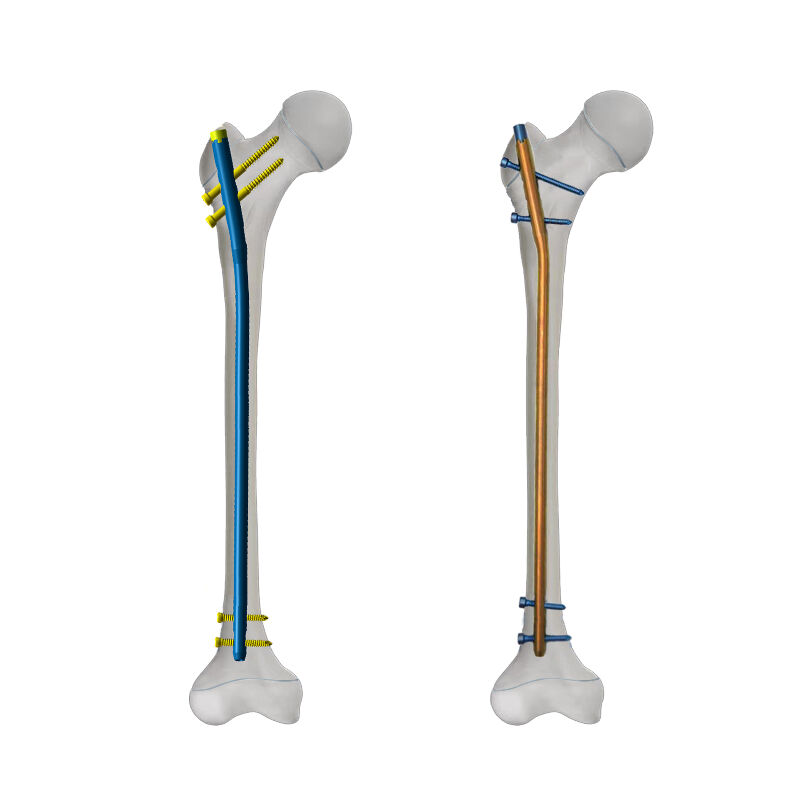
Orthopedic surgery has evolved significantly over the past decades, with advances in implant technology playing a crucial role in improving patient outcomes. Among these innovations, the cannulated screw stands out as a versatile and highly effective...
View More
Understanding Intramedullary Nail Complications

13

Jan

Understanding Intramedullary Nail Complications

Intramedullary nail complications represent a significant concern in orthopedic surgery, affecting patient outcomes and recovery timelines. These complications can arise during insertion, throughout the healing process, or during long-term implant re...
View More
Treatment of osteomyelitis and tibial pseudarthrosis: The advantages of the Ilizarov frame

06

Mar

Treatment of osteomyelitis and tibial pseudarthrosis: The advantages of the Ilizarov frame

The treatment of complex orthopedic conditions such as osteomyelitis and tibial pseudarthrosis presents significant challenges that require innovative surgical approaches. Among the most effective solutions available to orthopedic surgeons today is t...
View More
Distal radial volar locking plate: refined design enhances the success rate of fracture fixation

06

Mar

Distal radial volar locking plate: refined design enhances the success rate of fracture fixation

The treatment of distal radius fractures has undergone significant evolution in recent decades, with the distal radial volar locking plate emerging as a cornerstone technology in modern orthopedic practice. These innovative implants represent a parad...
View More

Get a Free Quote

Our representative will contact you soon.
Email
Name
Company Name
Message
0/1000

spinal fixation system

Advanced Polyaxial Screw Technology

Advanced Polyaxial Screw Technology

The spinal fixation system features state-of-the-art polyaxial screw technology that revolutionizes surgical flexibility and precision during spinal procedures. These specialized screws allow surgeons to adjust the angle of rod placement across multiple planes, accommodating complex anatomical variations and challenging spinal deformities with unprecedented ease. The polyaxial design incorporates a ball-and-socket mechanism that permits up to 40 degrees of angulation in any direction, enabling optimal rod trajectory without compromising screw placement accuracy. This technological advancement proves particularly valuable when addressing multilevel constructs or revision cases where anatomical landmarks may be altered. The secure locking cap mechanism ensures that once the desired angle is achieved, the construct remains stable under physiological loading conditions. Surgeons can confidently reduce spinal deformities and achieve proper sagittal and coronal balance while minimizing the need for bone removal or aggressive soft tissue dissection. The polyaxial functionality of the spinal fixation system significantly reduces operative time by eliminating the need for perfect initial screw alignment, as adjustments can be made during rod placement. This feature translates directly into reduced anesthesia exposure for patients and improved surgical workflow efficiency for operating room teams.
Minimally Invasive Compatibility

Minimally Invasive Compatibility

Modern spinal fixation systems are specifically engineered to support minimally invasive surgical techniques, representing a significant advancement in patient-centered care. The low-profile implant design and specialized instrumentation enable surgeons to perform complex spinal stabilization procedures through smaller incisions, typically measuring only 2-3 centimeters compared to traditional 10-15 centimeter exposures. This minimally invasive compatibility delivers tangible benefits including reduced blood loss, decreased postoperative pain, shorter hospital stays, and faster recovery periods. The percutaneous delivery systems integrated within the spinal fixation system allow precise implant placement under fluoroscopic guidance while preserving the integrity of paraspinal muscles and ligamentous structures. Patients experience less surgical trauma to surrounding tissues, which translates to reduced scarring and improved cosmetic outcomes. The modular instrumentation design accommodates both open and minimally invasive approaches using the same implant platform, providing surgeons with procedural flexibility based on individual case requirements. Clinical studies demonstrate that minimally invasive procedures utilizing advanced spinal fixation systems result in significantly lower infection rates and reduced need for postoperative pain medication. For ambulatory surgery centers and hospitals focused on optimizing patient throughput, the faster recovery associated with minimally invasive spinal fixation system applications enables earlier discharge and improved bed utilization rates.
Comprehensive Anatomical Coverage

Comprehensive Anatomical Coverage

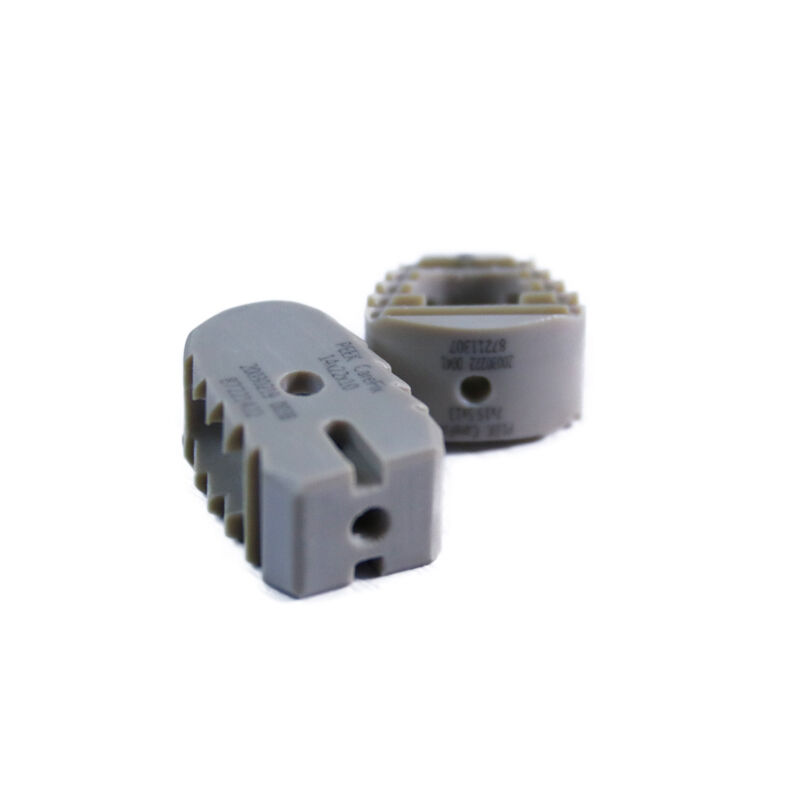
The spinal fixation system offers exceptional versatility through comprehensive anatomical coverage spanning the entire spinal column from cervical to sacral regions. This extensive range ensures surgeons have appropriate solutions regardless of the pathology location or complexity of the spinal condition being addressed. The system includes specialized components designed for the unique biomechanical demands of each spinal region, with cervical screws featuring smaller diameter profiles, thoracic components accommodating rib cage articulations, and robust lumbar and sacral implants engineered for higher load-bearing requirements. The comprehensive nature of the spinal fixation system eliminates the need for multiple vendor platforms, streamlining surgical planning and inventory management while ensuring component compatibility across different spinal levels. Surgeons can confidently extend constructs across multiple regions using consistent instrumentation techniques and familiar implant handling characteristics. The system accommodates various fixation strategies including pedicle screw-rod constructs, interbody fusion cages, lateral mass fixation, and hybrid combinations tailored to specific clinical scenarios. This anatomical versatility proves particularly valuable in trauma settings where injuries may span multiple spinal segments or in complex deformity corrections requiring long-segment stabilization. The standardized connection interfaces throughout the spinal fixation system ensure secure rod-to-screw coupling regardless of the spinal level being instrumented, maintaining construct integrity under diverse loading conditions encountered during patient movement and activity.
logo